
现房销售

Search documents
又被李嘉诚说中了?若无意外,2026年房地产或将发生5大变化
Sou Hu Cai Jing· 2025-12-02 17:07
Core Viewpoint - Recent claims about Li Ka-shing predicting five major changes in the real estate market by 2026 are confirmed to be false, as no such predictions have been made by him [1][14]. Group 1: Expected Changes in Real Estate Market by 2026 - Change 1: Significant differentiation in housing price trends is anticipated, with second and third-tier cities experiencing a slowdown in price declines, while first-tier cities may see price corrections to align with local income levels [5][11]. - Change 2: An increasing number of cities are expected to eliminate shared area calculations in property sales, allowing buyers to pay based on usable area, thereby reducing overall housing costs [7][12]. - Change 3: The market is likely to shift from pre-sale (off-plan) properties to completed (on-site) sales, enhancing buyer confidence and reducing the risk of unfinished projects [9][11]. - Change 4: A significant restructuring of the real estate sector is expected, with smaller firms facing liquidity issues likely to be acquired by larger companies, particularly those with state-owned backgrounds [11][12]. - Change 5: The pace of affordable housing projects is projected to accelerate, with a target of 600,000 units over five years, which will lower living costs for low-income families and exert downward pressure on market prices [14].


第48周成交回升,现房销售有助行业健康发展
Haitong Securities International· 2025-12-01 09:34
Investment Rating - The report maintains an 'Overweight' rating for the real estate industry [23]. Core Insights - Recent weeks have seen a rebound in transactions in major cities, with a stable market outlook expected to continue until year-end. Existing home sales are identified as a crucial direction for developing new real estate models, which supports the health of the industry [23][24]. Summary by Sections New Home Sales - In Week 48 of 2025, new home sales in 30 major cities reached 2.13 million square meters, reflecting a week-on-week increase of 9.50% but a year-on-year decrease of 32.55%. First-tier cities sold 520,000 square meters (up 22.2% week-on-week, down 39% year-on-year), second-tier cities sold 1.26 million square meters (up 7.45%, down 30%), and third-tier cities sold 340,000 square meters (up 0.84%, down 31.4%) [24]. Cumulative Sales Data - From November 1-27, 2025, cumulative sales in 30 cities totaled 6.75 million square meters, up 13.7% from October 2025 but down 31% year-on-year. First-tier cities accounted for 1.70 million square meters (up 4%, down 43%), second-tier cities for 3.80 million square meters (up 34%, down 24.15%), and third-tier cities for 1.26 million square meters (down 14.8%, down 27.6%) [24]. Second-Hand Home Sales - In Week 48, second-hand home sales in 24 cities reached 2.15 million square meters, up 1.99% week-on-week but down 15.9% year-on-year. First-tier cities sold 860,000 square meters (up 3.0%, down 24.8%), second-tier cities sold 835,000 square meters (down 0.66%, down 20.3%), and third-tier cities sold 457,000 square meters (up 5.1%, up 24.1%) [25]. Land Transactions - In Week 48, land transaction growth in 100 cities showed an increase, with land supply at 53.55 million square meters and transactions at 25.33 million square meters, resulting in a supply-to-sales ratio of 2.11. The total land transfer revenue was RMB 65.1 billion. For the year, cumulative land supply was 815.15 million square meters (down 12% year-on-year), with transactions at 649.34 million square meters (down 6.7% year-on-year) [26]. Inventory and Clearance Cycle - In October 2025, the inventory clearance cycle in 35 cities continued to rise, with a saleable area of 315.11 million square meters (down 0.82% month-on-month, down 3.44% year-on-year). The clearance cycle averaged 23.13 months, up 2.50% from the previous month and up 0.90% year-on-year [27].
西南期货早间评论-20251201
Xi Nan Qi Huo· 2025-12-01 05:22
1. Report Industry Investment Ratings No specific industry investment ratings are provided in the content. 2. Core Views of the Report - **Overall Market Outlook**: The current domestic economy remains stable, but the recovery momentum of the macro - economy still needs to be strengthened. The market sentiment has significantly improved, and incremental funds are continuously entering the market. Different asset classes have different trends and investment opportunities due to various factors such as supply - demand relationships, macro - policies, and international situations [6][9]. - **Asset - Specific Views**: - **Treasury Bonds**: There is still some pressure, and a cautious attitude is recommended [6][7]. - **Stock Index Futures**: The volatility center is expected to gradually move up, and investors can choose the right time to go long [9][10]. - **Precious Metals**: They are expected to continue the upward trend. Investors can wait and see for now and look for opportunities to go long [11][12]. - **Steel Products (Rebar and Hot - Rolled Coil)**: The medium - term weakness of rebar prices is difficult to change, and hot - rolled coil may follow the same trend. Investors can focus on short - selling opportunities at high levels during rebounds [13]. - **Iron Ore**: The supply - demand pattern is weak, and the futures may face resistance in rebounding. Investors can focus on short - selling opportunities at high levels [16]. - **Coking Coal and Coke**: Investors can focus on buying opportunities at low levels [18]. - **Ferroalloys**: After a decline, investors can consider long - position opportunities at low levels when the spot loss expands [21]. - **Crude Oil**: The main contract presents buying opportunities [24]. - **Fuel Oil**: The main contract presents buying opportunities [26]. - **Polyolefins**: Present buying opportunities [28]. - **Synthetic Rubber**: Expected to fluctuate [30]. - **Natural Rubber**: Investors can focus on buying opportunities [32]. - **PVC**: Pay attention to changes in the supply side [34]. - **Urea**: The downward space is limited [36]. - **PX**: May fluctuate and adjust in the short term. Control positions and be vigilant about crude oil changes [38]. - **PTA**: May fluctuate in the short term. Be cautious and pay attention to oil price changes [39]. - **Ethylene Glycol**: May be under pressure in the short term. Pay attention to port inventory and supply changes [42]. - **Short - Fiber**: May fluctuate with costs in the short term. Control risks and pay attention to cost changes and macro - policy adjustments [43]. - **Bottle Chips**: Expected to fluctuate with the cost side [44]. - **Lithium Carbonate**: Pay attention to consumption continuity and mine restart progress [46]. - **Copper**: May run strongly in the short term. Pay attention to whether it can effectively break through the oscillation range [47][48]. - **Aluminum**: In a short - term adjustment state, but has long - term resilience [50][51]. - **Zinc**: Likely to continue the range - bound pattern [52][53]. - **Lead**: May weakly fluctuate [54]. - **Tin**: May fluctuate strongly [55]. - **Nickel**: May fluctuate [56]. - **Soybean Oil and Soybean Meal**: Investors can focus on long - position opportunities in the low - cost support range [58]. - **Palm Oil**: Consider buying on pullbacks [61]. - **Rapeseed Meal and Rapeseed Oil**: A bullish approach can be considered for rapeseed oil [63]. - **Cotton**: The price is expected to be weak, and the upside space is limited [66][67]. - **Sugar**: Will fluctuate [71]. - **Apples**: Expected to run strongly [72][73]. - **Hogs**: Consider holding the remaining short positions after partial profit - taking of previous short positions [74]. - **Eggs**: Consider waiting and seeing for now [77]. - **Corn and Corn Starch**: It is advisable to wait and see and wait for the release of supply pressure after transportation recovers. Corn starch may follow the corn market [80]. 3. Summary by Related Catalogs Treasury Bonds - **Market Performance**: On the previous trading day, the closing performance of treasury bond futures was divided. The 30 - year, 10 - year, 5 - year, and 2 - year main contracts had different price changes. The central bank conducted 3013 billion yuan of 7 - day reverse repurchase operations, with a net withdrawal of 737 billion yuan on the day [5]. - **Macro - economic Situation**: In November, the manufacturing PMI increased by 0.2 percentage points, the non - manufacturing business activity index decreased by 0.6 percentage points, and the comprehensive PMI output index decreased by 0.3 percentage points. The overall economic prosperity level was stable [5]. - **Outlook**: There is still some pressure, and a cautious attitude is recommended [6][7]. Stock Index Futures - **Market Performance**: On the previous trading day, stock index futures showed mixed trends. The main contracts of different stock index futures had different price changes [8]. - **Policy News**: Many regions are researching and planning policies to support the sale of completed properties, aiming to increase the proportion of completed property sales [8]. - **Outlook**: The volatility center is expected to gradually move up, and investors can choose the right time to go long [9][10]. Precious Metals - **Market Performance**: On the previous trading day, the main contracts of gold and silver had price increases, and there were also price changes in the night session [11]. - **Supporting Factors**: The complex global trade and financial environment, the trend of "de - globalization" and "de - dollarization", central bank gold - buying behavior, and the expected continuous interest rate cuts by the Fed are all favorable for precious metals [11]. - **Outlook**: They are expected to continue the upward trend. Investors can wait and see for now and look for opportunities to go long [11][12]. Steel Products (Rebar and Hot - Rolled Coil) - **Market Performance**: On the previous trading day, rebar and hot - rolled coil futures rebounded slightly. The spot prices of different steel products are provided [13]. - **Supply - Demand Analysis**: On the demand side, the long - term downward trend of the real estate industry has not reversed, and the market will enter the off - season. On the supply side, over - capacity persists, and rebar production has decreased slightly. The inventory is higher than last year, and the inventory pressure is obvious [13]. - **Outlook**: The medium - term weakness of rebar prices is difficult to change, and hot - rolled coil may follow the same trend. Investors can focus on short - selling opportunities at high levels during rebounds [13]. Iron Ore - **Market Performance**: On the previous trading day, iron ore futures fluctuated and consolidated. The spot prices of different iron ore products are provided [15]. - **Supply - Demand Analysis**: Since October, the daily output of molten iron has declined, the import volume of iron ore has increased year - on - year, the domestic production of raw ore is lower than last year, and the port inventory has continued to rise [16]. - **Outlook**: The supply - demand pattern is weak, and the futures may face resistance in rebounding. Investors can focus on short - selling opportunities at high levels [16]. Coking Coal and Coke - **Market Performance**: On the previous trading day, coking coal and coke futures continued to decline [18]. - **Supply - Demand Analysis**: For coking coal, the impact of safety inspections on production is weakening, and supply is increasing. The downstream acceptance of high - priced goods is decreasing, and the procurement rhythm is slowing down. For coke, after the fourth price increase, the supply is stable, but the demand from steel mills may weaken due to profit compression [18]. - **Outlook**: Investors can focus on buying opportunities at low levels [18]. Ferroalloys - **Market Performance**: On the previous trading day, the main contracts of manganese - silicon and silicon - iron had different price changes. The spot prices of different ferroalloys are provided [20]. - **Supply - Demand and Cost Analysis**: The supply of manganese ore has increased, and the port inventory has decreased slightly. The cost of ferroalloys is rising. The production of rebar by sample steel mills has decreased, and the demand for ferroalloys is weak, but the overall over - supply situation is easing [20][21]. - **Outlook**: After a decline, investors can consider long - position opportunities at low levels when the spot loss expands [21]. Crude Oil - **Market Performance**: On the previous trading day, INE crude oil fluctuated upward [22]. - **News and Data**: There are news about Russia - US negotiations and the possible decision of OPEC+ to maintain oil production levels [22]. - **Outlook**: The main contract presents buying opportunities [24]. Fuel Oil - **Market Performance**: On the previous trading day, fuel oil fluctuated upward and temporarily got rid of the annual low [25]. - **Market Analysis**: The spot discount of Asian fuel oil has deepened, and the progress of the US 28 - point plan is slow, both of which are favorable for fuel oil prices [25]. - **Outlook**: The main contract presents buying opportunities [26]. Polyolefins - **Market Performance**: In the previous trading day, the PP market in Hangzhou had a slight increase in quotes, while the LLDPE price in the Yuyao market decreased in some parts [27]. - **Demand Analysis**: The average operating rate of the domestic polypropylene downstream industry has increased, but different sub - industries have different trends. The demand for some products is affected by seasons and market conditions [27]. - **Outlook**: Present buying opportunities [28]. Synthetic Rubber - **Market Performance**: On the previous trading day, the main contract of synthetic rubber rose [29]. - **Supply - Demand Analysis**: The supply of raw materials is abundant, the supply of synthetic rubber is relatively loose, and the demand from tire enterprises is weak [29]. - **Outlook**: Expected to fluctuate [30]. Natural Rubber - **Market Performance**: On the previous trading day, the main contracts of natural rubber and 20 - grade rubber rose [31]. - **Supply - Demand and Inventory Analysis**: The supply is supported by weather and high overseas raw material prices. The demand is affected by enterprise maintenance, and the inventory is slightly increasing [31]. - **Outlook**: Investors can focus on buying opportunities [32]. PVC - **Market Performance**: On the previous trading day, the main contract of PVC rose, and the spot price increased [33]. - **Supply - Demand and Cost Analysis**: The supply is increasing, the demand from different downstream industries is different, and the cost - profit situation is complex. The social inventory is increasing [33][34]. - **Outlook**: Pay attention to changes in the supply side [34]. Urea - **Market Performance**: On the previous trading day, the main contract of urea rose [35]. - **Supply - Demand and Cost Analysis**: The supply has increased, the demand from different downstream products has changed differently, and the cost and profit situation is complex. The inventory is at a certain level [35]. - **Outlook**: The downward space is limited [36]. PX - **Market Performance**: On the previous trading day, the main contract of PX rose [37]. - **Supply - Demand and Cost Analysis**: The PX load has increased, the import volume has decreased, and the cost is affected by crude oil fluctuations. The PXN spread is relatively strong, and the supply is slightly reduced [37][38]. - **Outlook**: May fluctuate and adjust in the short term. Control positions and be vigilant about crude oil changes [38]. PTA - **Market Performance**: On the previous trading day, the main contract of PTA rose [39]. - **Supply - Demand and Cost Analysis**: The supply is decreasing, the demand from the polyester industry is relatively stable, and the processing fee is declining. The cost is affected by crude oil and raw material PX prices [39]. - **Outlook**: May fluctuate in the short term. Be cautious and pay attention to oil price changes [39]. Ethylene Glycol - **Market Performance**: On the previous trading day, the main contract of ethylene glycol declined [40]. - **Supply - Demand and Inventory Analysis**: The supply is slightly decreasing, the inventory accumulation has slowed down, and the demand from the downstream polyester industry is limited [40][41]. - **Outlook**: May be under pressure in the short term. Pay attention to port inventory and supply changes [42]. Short - Fiber - **Market Performance**: On the previous trading day, the main contract of short - fiber rose [43]. - **Supply - Demand and Cost Analysis**: The supply is at a relatively high level, the demand from the downstream industry is stable, and the cost drive is increasing [43]. - **Outlook**: May fluctuate with costs in the short term. Control risks and pay attention to cost changes and macro - policy adjustments [43]. Bottle Chips - **Market Performance**: On the previous trading day, the main contract of bottle chips rose [44]. - **Supply - Demand and Cost Analysis**: The supply is at a certain level, the demand from the downstream soft - drink industry is in the off - season, and the export is increasing. The cost is affected by raw material prices [44]. - **Outlook**: Expected to fluctuate with the cost side [44]. Lithium Carbonate - **Market Performance**: On the previous trading day, the main contract of lithium carbonate declined [45]. - **Supply - Demand and Inventory Analysis**: The supply is at a high level, the demand from the energy - storage and power - battery sectors is improving, and the social inventory is decreasing [45][46]. - **Outlook**: Pay attention to consumption continuity and mine restart progress [46]. Copper - **Market Performance**: On the previous trading day, the main contract of Shanghai copper rose [47]. - **Macro - and Fundamental Analysis**: The possible early resignation of the Fed chairman increases the probability of interest rate cuts. The supply of copper ore is growing slowly, and the demand is affected by high prices and substitution effects. The social inventory has decreased [47]. - **Outlook**: May run strongly in the short term. Pay attention to whether it can effectively break through the oscillation range [47][48]. Aluminum - **Market Performance**: On the previous trading day, the main contract of Shanghai aluminum rose, and the main contract of alumina declined [49]. - **Supply - Demand and Inventory Analysis**: The supply of domestic ore is tight, but the import of ore is increasing. The supply of alumina is in surplus, and the supply of electrolytic aluminum is stable. The demand is in the off - season, and the inventory is at a low level but may increase [49][50]. - **Outlook**: In a short - term adjustment state, but has long - term resilience [50][51]. Zinc - **Market Performance**: On the previous trading day, the main contract of Shanghai zinc rose [52]. - **Supply - Demand and Inventory Analysis**: The supply of zinc concentrate is tight, the export window has opened, the demand is in the off - season but has some rigid support, and the social inventory is expected to decrease slightly [52]. - **Outlook**: Likely to continue the range - bound pattern [52][53]. Lead - **Market Performance**: On the previous trading day, the main contract of Shanghai lead rose [54]. - **Supply - Demand and Inventory Analysis**: The supply of lead concentrate is slightly easing, the demand from the battery market is in the off - season, and the social inventory may stop decreasing [54]. - **Outlook**: May weakly fluctuate [54]. Tin - **Market Performance**: On the previous trading day, the main contract of tin rose [55]. - **Supply - Demand and Inventory Analysis**: The supply of tin ore is tight, the demand has some structural support, and the refined tin inventory is decreasing [55]. - **Outlook**: May fluctuate strongly [55]. Nickel - **Market Performance**: On the previous trading day, the main contract of nickel declined [56]. - **Macro - and Fundamental Analysis**: The market's expectation of Fed interest rate cuts is increasing. The price of nickel ore is stable, the production of nickel - iron is affected, the demand from the stainless - steel industry is weak, and the inventory is at a relatively high level [56]. - **Outlook**: May fluctuate [56]. Soybean Oil and Soybean Meal - **Market Performance**: On the previous trading day, the main contracts of soybean oil and soybean meal rose. The spot prices of different products are provided [57]. - **Supply - Demand and Inventory Analysis**: The planting progress of Brazilian soybeans is slightly slower, the US soybean harvest is almost complete, the demand is expected to improve, the soybean crushing volume is high, and the inventory of soybean oil and soybean meal is increasing [57][58]. - **Outlook**: Investors can focus on long - position opportunities in the low - cost support range [58]. Palm Oil - **Market Performance**: The market has some price changes, and the export volume of Malaysia and the import volume of China are provided [59]. - **Supply - Demand and Inventory Analysis**: The export of Malaysian palm oil is decreasing, the production may decline seasonally, and the domestic inventory is at a medium level [59]. - **Outlook**: Consider buying on pullbacks [61]. Rapeseed Meal and Rapeseed Oil - **Market Performance**: The Canadian rapeseed
每周精读 | 杭州宅地首次全部以底价成交;土地供应规模创年内新高,成交规模延续上升。(11.24-11.29)
克而瑞地产研究· 2025-11-29 10:19
Group 1: Land Auction Insights - In Hangzhou, three residential land parcels were sold at the base price, marking the first occurrence since 2025 where all parcels on a day with total transaction value exceeding 3 billion yuan were sold at the base price [5] - The land supply scale reached a new high for the year, with seven parcels exceeding 2 billion yuan listed for auction during the week of November 17-23, 2025 [8] - The average premium rate for land auctions hit a new low since the second half of the year, indicating a continued low level of auction enthusiasm [8][11] Group 2: Industry Trends - In the first nine months of 2025, leading construction companies showed a strong willingness to expand, with the top 20 companies signing contracts for a total area of 15.771 million square meters, reflecting a year-on-year increase of 31% [6] - The number of winning bids for construction projects has steadily increased, particularly in the third quarter, which saw a record high in the number of projects awarded [6] Group 3: Policy Developments - The Ministry of Housing and Urban-Rural Development emphasized the importance of urban renewal, urging local governments to adopt innovative approaches in planning, funding, operations, and governance [9] - Local policies have been accelerating, with initiatives such as encouraging the sale of existing homes in Chenzhou and offering subsidies for home purchases in Hangzhou's Yuhang District [9]

国债期货周报:利空消息扰动,债市波幅加剧-20251128
Rui Da Qi Huo· 2025-11-28 10:45
1. Report Industry Investment Rating No relevant information provided. 2. Core Viewpoints of the Report - In October, economic growth continued the slowdown trend from the third quarter, with some economic indicators significantly affected by the external environment. The 500 billion new policy - based financial instruments had been fully disbursed by the end of October, which may effectively boost investment in the fourth quarter. It is expected that the annual economic growth target of 5% can be achieved. - Overseas, the release of the US October CPI and some employment data was hindered due to data collection issues during the shutdown. The number of initial jobless claims last week hit a 7 - month low. The Fed's economic beige book showed that recent US economic activity was stable, but there were downward risks in the labor market. Since November, the US interest - rate cut rhythm has been inconsistent, and the dovish tone within the Fed has become more prominent, increasing the expectation of an interest - rate cut in December. - The economic indicators in October declined across the board, and the fundamentals were slightly under pressure. It is expected that the economy will continue the weak recovery trend in the fourth quarter, which will support the bond market. The central bank maintains a moderately loose policy tone, but the space for further monetary easing this year is limited. During the policy vacuum period, the bond market sentiment is generally weak and sensitive to news, and it may continue to fluctuate within a range in the short term, waiting for directional guidance from uncertain factors such as the central bank's Treasury bond trading scale in November and the new fund redemption rules [99][100]. 3. Summary According to the Table of Contents 3.1 Market Review - **Weekly Data**: The 30 - year, 10 - year, 5 - year, and 2 - year Treasury bond futures' active contracts (TL2512, T2512, TF2512, TS2512) fell by 0.93%, 0.45%, 0.10%, and 0.08% respectively. The trading volumes were 520,100, 442,800, 320,200, and 164,100 respectively [12]. - **Treasury Bond Futures Market Review**: The closing prices of the 30 - year, 10 - year, 5 - year, and 2 - year Treasury bond futures' main contracts all declined. The trading volume of the TS main contract decreased slightly, while those of the TF, T, and TL main contracts increased. The open interest of all main contracts (TS, TF, T, TL) increased [15][21][29]. 3.2 News Review and Analysis - **Key News**: On November 24, the National Development and Reform Commission planned to formulate standards for identifying costs in disorderly price competition. On November 25, the central bank conducted 1 trillion yuan of MLF operations, with a net investment of 100 billion yuan. On November 27, it was reported that from January to October, the total profit of national large - scale industrial enterprises increased by 1.9% year - on - year, but in October, it decreased by 5.5% year - on - year. On November 28, many regions in China were researching and planning policies to support the sale of completed properties. In addition, there were news about the progress of the Russia - Ukraine peace plan and the US jobless claims data [32][33]. 3.3 Chart Analysis - **Spread Changes**: This week, the spread between the 10 - year and 5 - year Treasury bond yields narrowed, while the spread between the 10 - year and 1 - year yields widened. The spreads between the 2 - year and 5 - year, and 5 - year and 10 - year main contracts both narrowed. The spread between the current and next quarters of the 10 - year contract widened, while that of the 30 - year contract narrowed. The spreads between the current and next quarters of the 5 - year and 2 - year contracts widened [42][48][52]. - **Treasury Bond Futures Main Position Changes**: The net short positions of the top 20 positions in the T Treasury bond futures main contract decreased [65]. - **Interest Rate Changes**: The overnight Shibor rate decreased, while the 1 - week, 2 - week, and 1 - month Shibor rates increased. The DR007 weighted average rate fell to around 1.46%. The yields of short - term Treasury bonds were strong, while those of medium - and long - term bonds were weak. The 1 - 3 - year yields decreased by 0.5 - 1.5 bp, the 5 - 7 - year yields increased by about 3 bp, and the 10 - year and 30 - year yields increased by about 1.9 and 2.7 bp respectively, reaching 1.83% and 2.18%. The spreads between the 10 - year and 30 - year US and Chinese Treasury bond yields both narrowed slightly [69][76]. - **Central Bank Open - Market Operations**: This week, the central bank conducted 151.18 billion yuan of reverse repurchases, with 167.6 billion yuan due; it also conducted 200 billion yuan of MLF operations, with 90 billion yuan due, achieving a net investment of 13.58 billion yuan [79]. - **Bond Issuance and Maturity**: This week, the total bond issuance was 141.494 billion yuan, the total repayment was 119.1457 billion yuan, and the net financing was 22.3482 billion yuan [81]. - **Market Sentiment**: The central parity rate of the RMB against the US dollar was 7.0789, with a cumulative increase of 86 basis points this week. The spread between the offshore and onshore RMB widened. The 10 - year US Treasury bond yield decreased, and the VIX index dropped significantly. The 10 - year Treasury bond yield in China increased significantly, and the A - share risk premium decreased slightly [85][91][96]. 3.4 Market Outlook and Strategies - **Domestic Fundamentals**: In October, social retail sales, industrial added value, and fixed - asset investment showed a downward trend, and the growth rates of social financing and credit decreased year - on - year. The support of government bonds for social financing continued to weaken, and the actual loan demand of enterprises and residents remained weak. The growth rates of M1 and M2 declined, and the activation of deposits slowed down. The year - on - year export growth rate turned negative, falling by 1.1% compared with the same period last year. - **Overseas Situation**: The release of the US October CPI and some employment data was affected. The number of initial jobless claims last week was at a 7 - month low. The Fed's economic beige book showed stable economic activity but downward risks in the labor market. The expectation of an interest - rate cut in December increased. - **Market Outlook**: The economic indicators in October declined, and the fundamentals were under pressure. It is expected that the economy will continue the weak recovery trend in the fourth quarter, supporting the bond market. The central bank maintains a moderately loose policy, but the space for further monetary easing is limited. In the short term, the bond market may continue to fluctuate within a range, waiting for directional guidance from uncertain factors [99][100].
探访我市“现房销售”试点
Sou Hu Cai Jing· 2025-11-26 20:41
Core Viewpoint - The implementation of "current housing sales" is a key focus for the Ministry of Housing and Urban-Rural Development in 2025, aiming to address risks associated with property delivery and enhance consumer confidence in the housing market [1][4]. Group 1: Current Housing Sales - "Current housing sales" allows buyers to see and inspect properties before purchase, reducing concerns about delivery times and quality [3][5]. - The shift from pre-sale to current housing sales is a response to changing supply-demand dynamics in the real estate market, emphasizing risk mitigation and consumer protection [4][6]. - The pilot program for current housing sales in Yuncheng aims to accumulate experience and improve the overall quality of housing development [4][7]. Group 2: Consumer Benefits - Current housing sales provide faster occupancy times and allow buyers to verify property conditions, thus protecting their rights and interests [5][6]. - The model reduces the risk of unfinished projects and enables buyers to assess the quality of the property directly, leading to fewer disputes upon delivery [5][6]. - The project "Binhai No. 1" exemplifies the current housing sales model, where all facilities are completed before sales, ensuring immediate access to amenities [6][7]. Group 3: Market Dynamics - The transition to current housing sales reflects a broader shift in housing demand from mere availability to quality and experience [7]. - The approach requires stronger financial capabilities and operational skills from developers, alongside supportive policies to facilitate this transition [7]. - Future measures will include enhanced regulation of pre-sale funds and the promotion of simultaneous delivery of property rights certificates to improve the existing pre-sale system [7].

现房销售渐次推进,深圳再挂“现售”地块
2 1 Shi Ji Jing Ji Bao Dao· 2025-11-17 12:31
Core Viewpoint - The article discusses the acceleration of "existing house sales" in Shenzhen, highlighting the city's proactive approach compared to other first-tier cities in China, which have not yet implemented such measures extensively [1][4]. Group 1: Current Developments - Shenzhen's Planning and Natural Resources Bureau has recently listed a piece of land for full existing house sales, located in the Futian Meilin area, with a land area of 4,994 square meters and a starting price of 480 million yuan [1][3]. - This is not the first instance of Shenzhen promoting existing house sales; the city has been a pioneer since 2016, with multiple land parcels designated for this purpose in recent years [2][3]. Group 2: Market Context - The current market environment favors existing house sales as it allows buyers to see the product before purchase, thus facilitating decision-making [2][4]. - The proportion of existing house sales is increasing in Shenzhen, with 30.9% of new residential sales in the first half of the year being existing houses, indicating a shift in buyer preferences [7]. Group 3: Industry Implications - The shift towards existing house sales imposes higher operational requirements on real estate companies, as it affects cash flow and financing costs, favoring more stable and professional firms [2][4]. - The ongoing exploration of existing house sales aligns with national policies aimed at reforming real estate development and sales systems to enhance buyer protection and reduce delivery risks [5][6]. Group 4: Future Outlook - The trend of promoting existing house sales is expected to continue, particularly in cities with high inventory levels, while areas with lower inventory may face challenges in supply-demand balance [8]. - Experts suggest that existing house sales could boost market confidence, especially in high-quality projects in hot urban areas, while also addressing issues in regions with high inventory and weak buyer confidence [7][8].
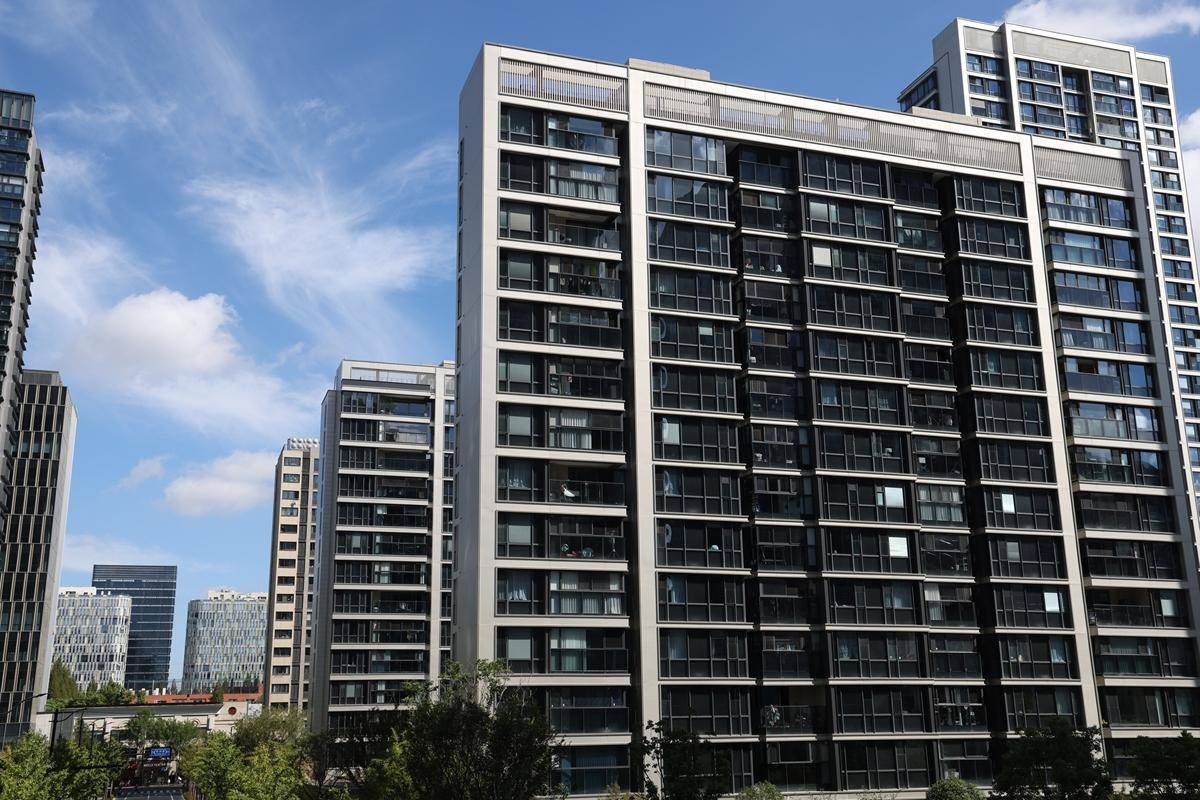
现房销售时代加速到来,购房告别赌预期!
Sou Hu Cai Jing· 2025-11-15 19:17
Core Viewpoint - The real estate market in China is undergoing a significant transformation, moving away from the traditional "pre-sale" model towards a "current sale" approach, reflecting a shift in consumer sentiment and regulatory changes [1][3][7]. Summary by Sections Background of Pre-sale System - The pre-sale system, known as "buying off-plan," was introduced in China in 1994 and has been a crucial financing channel for developers, historically accounting for over 20% of their funding sources [4][5]. - This model allowed developers to alleviate financial pressure and provided consumers with lower prices for future properties [4]. Emergence of Current Sale Model - The shift towards current sales began with Hainan Province in 2020, which abolished the pre-sale system, leading to over 30 provinces and cities adopting similar policies [7][8]. - Recent data shows that the proportion of current sales has increased significantly, from 12.7% in 2020 to 30.84% in 2024, with recent figures reaching 36% [10][20]. Policy Changes and Implementation - The recent policy from Xinyang City mandates that new residential projects must be sold as completed properties, reflecting a broader national trend [3][10]. - The central government has recognized the need to reform the pre-sale system, making it a priority for future housing policies [8]. Challenges for Developers - The transition to current sales poses significant challenges for developers, including increased capital requirements and longer project timelines, which could lead to financial strain [14][16]. - Developers now face a longer sales cycle, extending from 6-18 months to 18-36 months, increasing their financial risk [14]. Consumer Sentiment and Market Dynamics - The shift in sales models is driven by changing consumer attitudes, particularly in light of recent financial difficulties faced by developers, leading to a preference for purchasing completed homes [12][20]. - The current sales model is expected to reshape consumer behavior, moving from speculation to a focus on tangible property quality [12][20]. Gradual Reform Approach - Experts advocate for a gradual reform approach to avoid market disruption, suggesting that both pre-sale and current sale models may coexist in the near future [16][18]. - The implementation of supportive policies, such as deposit systems and tax incentives for current sales, is crucial for facilitating this transition [20].
硅锰市场周报:产业定价板块偏弱,供需偏弱库存高位-20251114
Rui Da Qi Huo· 2025-11-14 09:29
Report Summary 1. Report Industry Investment Rating No relevant information provided. 2. Core Viewpoints of the Report - Macro: In November, new production capacity in Inner Mongolia is expected to be put into operation, increasing supply pressure. The inventory of ferromanganese silicon is rising faster, and the subsequent production pressure is expected to increase. The leading manganese-based enterprises plan to promote energy conservation and emission reduction in the industry by 40%, but the supply did not decline from August to September and decreased slightly in October. On the demand side, the national policy of reducing crude steel production will continue in 2025, and the subsequent crude steel production will continue to decline. Coke profits have little room for significant improvement, and alloys are likely to remain in a loss state. It is expected that the main contract of ferromanganese silicon will fluctuate in the range of 5,700 - 5,900 [6]. - Technical: The weekly K - line of the main ferromanganese silicon contract is below the 60 - day moving average, indicating a bearish trend in the weekly chart [6]. 3. Summary by Relevant Catalogs 3.1. Weekly Highlights Summary - Macro: Hunan Yueyang Pingjiang County introduced new regulations to become the first county in Hunan to fully implement the spot - housing sales system. The central bank's RMB loan balance has reached 27 trillion yuan, and the social financing scale stock has reached 43.7 trillion yuan. In October, residents' confidence in buying houses continued to decline, and they continued to adopt a wait - and - see attitude [6]. - Overseas: Trump warned that if the Supreme Court rules against imposing comprehensive tariffs, the US will face an "economic disaster" [6]. - Supply and Demand: Inventory has rebounded rapidly, production has continued to decline slightly at a high level, and inventory has increased for 7 consecutive weeks. On the cost side, the port inventory of imported manganese ore has increased by 83,000 tons, and on the demand side, hot metal production has declined seasonally. In terms of profits, the spot profit in Inner Mongolia is - 170 yuan/ton, and in Ningxia it is - 330 yuan/ton. The final price of ferromanganese silicon set by HBIS Group in November is 5,820 yuan/ton, unchanged from the previous month [6]. - Technical: The weekly K - line of the main ferromanganese silicon contract is below the 60 - day moving average, showing a bearish trend [6]. - Strategy: It is expected that the main contract of ferromanganese silicon will fluctuate in the range of 5,700 - 5,900 [6]. 3.2. Futures and Spot Market - Futures Market: As of November 14, the position of the ferromanganese silicon futures contract is 604,600 lots, an increase of 35,000 lots compared with the previous period. The 5 - 1 contract spread is 60, an increase of 6 points. The number of ferromanganese silicon warehouse receipts is 19,863, an increase of 5,505. The spread between the January contracts of ferromanganese silicon and ferrosilicon is 258, an increase of 24 points [12][16]. - Spot Market: As of November 14, the spot price of ferromanganese silicon in Inner Mongolia is 5,540 yuan/ton, a decrease of 30 yuan/ton. The basis is - 208 yuan/ton, a decrease of 18 points [24]. 3.3. Industrial Chain Situation - Industry: The operating rate of 187 independent ferromanganese silicon enterprises is 39.59%, a decrease of 0.65% from the previous week. The daily average output is 28,510 tons, a decrease of 330 tons. The weekly demand for ferromanganese silicon in five major steel types is 118,589 tons, a decrease of 2.08% from the previous week, and the weekly supply of national ferromanganese silicon is 199,570 tons, a decrease of 1.14% from the previous week. The inventory of 63 independent ferromanganese silicon enterprises has increased for 7 consecutive weeks, with a total inventory of 346,500 tons, an increase of 27,000 tons [28][32]. - Upstream: As of November 12, the price of South African manganese ore and Australian manganese ore in Tianjin Port remained unchanged. As of November 10, the electricity price in Ningxia remained unchanged, and in Inner Mongolia it decreased by 0.025 yuan/kWh. As of November 7, the total manganese ore inventory was 4.397 million tons, an increase of 1.92%. The arrival volume of South African manganese ore this week is 516,800 tons, an increase of 16% from the previous week, Australian manganese ore is 67,300 tons, an increase of 100%, Gabonese manganese ore is 70,000 tons, an increase of 100%, and Ghanaian manganese ore is 0 tons, a decrease of 100%. As of November 13, the spot production cost in Inner Mongolia decreased by 1.16%, and in Ningxia it increased by 0.25%. The spot profit in the northern region increased by 13.09% [39][45][49]. - Downstream: The daily average hot metal output of 247 steel mills is 2.3688 million tons, an increase of 26,600 tons from the previous week and 9,400 tons from the same period last year. The final price of ferromanganese silicon set by HBIS Group in November is 5,800 yuan/ton, unchanged from the previous month [54].

焦炭市场周报:宏观扰动、需求偏弱,焦企亏损四轮提涨-20251114
Rui Da Qi Huo· 2025-11-14 09:17
Industry Investment Rating - Not provided in the report Core Views - The macro environment has shifted from strong expectations and weak reality to weak expectations and weak reality, with the guarantee of civilian heating energy taking precedence over safety production work in mid - November, affecting the market sentiment. The decline in crude steel production and poor real - estate investment data mean that coke profits have limited room for significant improvement. The main price of coking coal futures is expected to oscillate between 1130 - 1350, and the main price of coke futures between 1630 - 1850 [7]. Summary by Directory 1. Week - on - Week Summary - **Macro**: Hunan Yueyang Pingjiang County introduced new regulations to become the first county in Hunan to fully implement spot - house sales. The central bank's RMB loan balance reached 270 trillion yuan, and the social financing scale stock reached 437 trillion yuan. In October, residents' confidence in home - buying continued to decline [7]. - **Overseas**: Trump warned of an "economic disaster" if the Supreme Court rules against imposing comprehensive tariffs [7]. - **Supply and Demand**: The current iron - water output is 236.88 million tons, an increase of 2.66 million tons, and the total coke inventory is higher than the same period. The average profit per ton of coke for 30 independent coking plants is - 34 yuan/ton [7]. - **Technical**: The weekly K - line of the main coke contract 2601 is above the 60 - day average, showing a bullish trend [7]. - **Strategy**: The NDRC aims to stabilize energy production and supply. The market has shifted from strong expectations and weak reality to weak expectations and weak reality. The decline in crude steel production and poor real - estate investment data mean that coke profits have limited room for significant improvement. The main price of coking coal futures is expected to oscillate between 1130 - 1350, and the main price of coke futures between 1630 - 1850 [7]. 2. Futures and Spot Market - **Futures Market**: The contract holding volume increased by 1233 lots, and the coke monthly spread increased by 13 points. The registered warehouse receipt volume remained unchanged, and the screw - coke ratio increased by 0.10 points [9][13][15]. - **Spot Market**: As of November 13, 2025, the coke closing price at Rizhao Port was 1580 yuan/ton, unchanged from the previous period. As of November 14, the coke basis was - 106.0 yuan, an increase of 90.5 points [25]. 3. Industrial Chain Situation - **Coal Mines**: The capacity utilization rate of 523 coking coal mines was 86.3%, an increase of 2.5%. The daily output of raw coal was 192.0 million tons, an increase of 5.6 million tons, and the raw coal inventory was 434.6 million tons, an increase of 15.3 million tons. The daily output of clean coal was 75.7 million tons, an increase of 1.9 million tons, and the clean coal inventory was 165.1 million tons, a decrease of 0.5 million tons [30]. - **Coal Washing Plants**: The capacity utilization rate of 314 independent coal - washing plants was 37.4%, a decrease of 0.18%. The daily output of clean coal was 27.4 million tons, a decrease of 0.1 million tons, and the clean coal inventory was 300.8 million tons, an increase of 5.9 million tons [30]. - **Coking Plants**: The capacity utilization rate of 230 independent coking enterprises was 71.10%, a decrease of 0.74%. The daily output of coke was 50.14 million tons, a decrease of 0.52 million tons. The average profit per ton of coke for 30 independent coking plants was - 34 yuan/ton [34]. - **Steel Mills**: The daily output of iron water was 236.88 million tons, an increase of 2.66 million tons compared with last week. As of November 14, 2025, the total coke inventory was 850.19 million tons, a decrease of 5.45 million tons compared with the previous period, and an increase of 8.63% compared with the same period last year [38]. - **Inventory Structure**: The port inventory decreased, and the steel - mill inventory decreased. The inventory of 18 ports was 259.50 million tons, a decrease of 3.01 million tons. The inventory of 247 steel mills was 622.4 million tons, a decrease of 4.24 million tons, and the available days of coke were 11.06 days, a decrease of 0.01 days [41][43]. - **Exports**: From January to September, the cumulative coke exports were 549 million tons, a year - on - year decrease of 18.5%, and the cumulative steel exports were 8795.5 million tons, a year - on - year increase of 9.2% [47]. 4. Fundamental Data Charts - **Real Estate**: In October 2025, the second - hand housing prices in 70 large and medium - sized cities decreased by 0.70% month - on - month. As of the week of November 9, the commercial housing transaction area in 30 large - and medium - sized cities was 139.51 million square meters, a month - on - month decrease of 30.91% and a year - on - year decrease of 41.43% [50][51]. - **City - Tier Breakdown**: As of the week of November 9, the commercial housing transaction area in first - tier cities was 39.32 million square meters, a month - on - month decrease of 18.18% and a year - on - year decrease of 44.46%. The commercial housing transaction area in second - tier cities was 72.74 million square meters, a month - on - month decrease of 35.63% and a year - on - year decrease of 41.04% [56].