石油美元

Search documents
石油终于涨了,波斯成了代价
Hu Xiu· 2025-06-13 13:00
Group 1 - The article discusses the implications of U.S. military actions and political maneuvers, suggesting that the military is cautious about engaging in conflicts that could lead to significant losses [1][3][4] - It highlights the historical context of U.S. military interventions, particularly under the Bush administration, which were driven by oil interests and resulted in increased national debt [4][20][38] - The article emphasizes the strategic importance of oil prices in U.S. economic policy, linking military actions in the Middle East to efforts to raise oil prices and manage national debt [16][21][38] Group 2 - The piece outlines the geopolitical dynamics involving the U.S., Russia, and Middle Eastern countries, particularly focusing on oil control and the impact on European economies [2][21][35] - It suggests that the U.S. is leveraging conflicts, such as those involving Iran, to manipulate oil prices for economic benefits, drawing parallels to past strategies [36][41] - The article concludes that the current U.S. administration may be repeating historical patterns of using military action to influence economic conditions, particularly in relation to oil and debt management [38][40][41]

从石油美元到算力霸权:料革命重构全球权力秩序的百年嬗变
Sou Hu Cai Jing· 2025-06-12 02:35
Group 1 - The article discusses the historical transition of power from gold to oil, emphasizing the establishment of the petrodollar system as a means to maintain U.S. dollar hegemony [1][2][11] - The strategic value of oil, which constitutes 31.2% of global energy consumption, is highlighted as a key factor in the U.S. dollar's role as a pricing anchor [2][3] - The 1974 U.S.-Saudi agreement is described as a pivotal moment that solidified the dollar's status in global oil transactions, with 80% of oil trade being dollar-denominated by 1975 [11][14] Group 2 - The article outlines the military and financial power dynamics involved in the U.S.-Saudi negotiations, where military support was exchanged for oil pricing rights [3][4] - The impact of the oil crisis on the global economy is noted, with oil prices soaring by 400% and Western GDPs declining by 6% within three months [2][3] - The emergence of financial instruments like oil futures in the 1980s is discussed as a means for the U.S. to exert influence over global economic cycles [3][14] Group 3 - The article addresses the challenges to the petrodollar system, including attempts by countries like Iraq and Libya to shift away from dollar-denominated oil transactions, which were met with military intervention [4][12] - The rise of alternative payment systems and digital currencies is noted as a potential threat to the dollar's dominance, with the dollar's share in global reserves dropping below 58% [7][12] - The shift towards multi-currency settlements by countries like Saudi Arabia signifies a growing skepticism towards U.S. military protection and dollar reliance [8][12]

大动作,将在沙特建立交割金库,布雷斯顿森林体系2.0来了!
Sou Hu Cai Jing· 2025-05-10 08:04
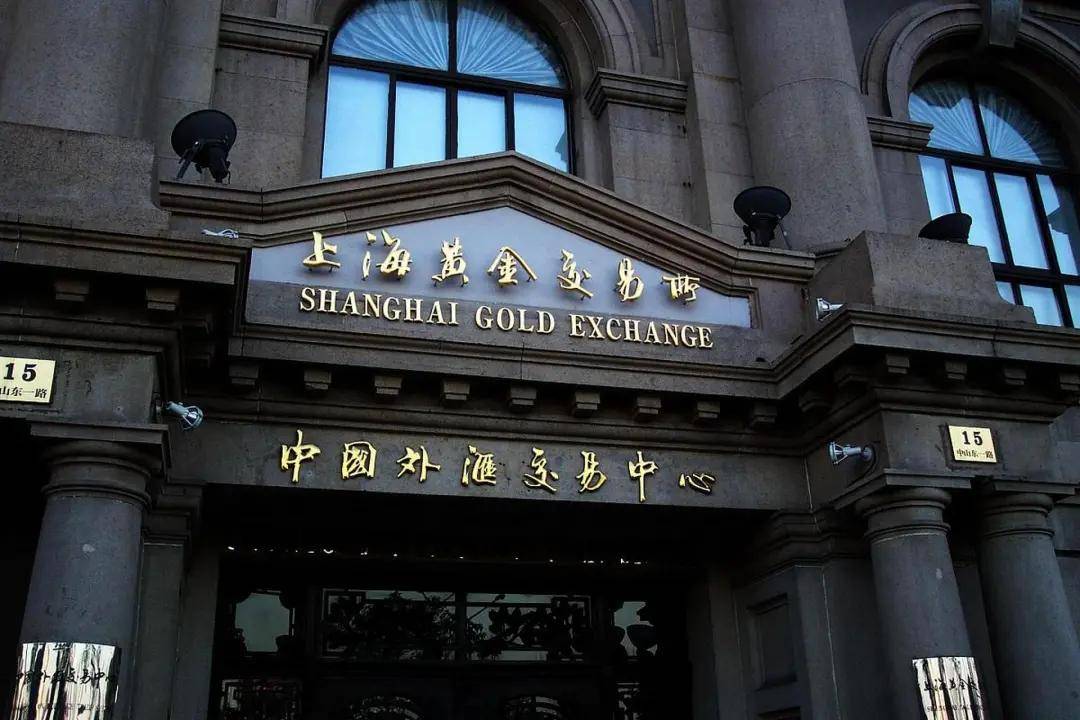
Group 1 - The Shanghai Gold Exchange will establish a delivery vault in Saudi Arabia, with plans for additional vaults in Hong Kong, Singapore, and Switzerland, allowing global citizens to exchange their RMB for gold [1] - The internationalization of the RMB is accelerating, with the first version of the Bretton Woods system introduced in 2018, allowing oil-exporting countries to exchange RMB for gold at the Shanghai Gold Exchange [3] - The transition from "petrodollar" to "petro-RMB" is underway, with Saudi Arabia beginning to accept RMB for oil purchases, marking a significant shift in currency dynamics [5] Group 2 - The establishment of a delivery vault in Saudi Arabia addresses concerns about the accessibility of gold, enabling immediate exchange of RMB for physical gold without leaving Saudi borders [5] - The internationalization of the RMB is entering a fast track, potentially positioning it as a major global payment currency, especially as the U.S. faces significant debt pressures [7] - The decoupling of Chinese assets from the U.S. dollar is expected to enhance China's pricing power in global markets, reducing reliance on the dollar [7]