端云协同

Search documents
面壁智能成立汽车业务线,与吉利、长安等车企合作AI座舱
Nan Fang Du Shi Bao· 2025-08-16 13:22
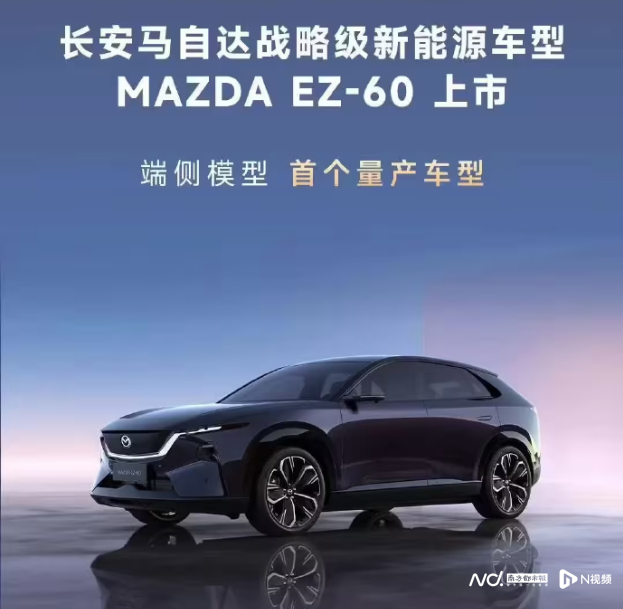
Core Insights - The commercialization of large models is a key focus for 2023, with significant investments in automotive, mobile, and robotics sectors [1] - The automotive sector is emerging as a primary battleground for edge intelligence, with multi-modal large models redefining smart vehicle interactions [5] Company Developments - Mianbi Intelligent has elevated the importance of automotive applications by establishing a dedicated automotive business line to enhance the deployment of its MiniCPM edge models [1] - Mianbi Intelligent, founded in August 2022, has developed a complete series of MiniCPM edge models, including the influential V2.5 and V2.6 models, which have gained global recognition [1] - The company has recently open-sourced its fastest MiniCPM 4.0 models, with plans for additional edge models to be released in the second half of the year [1] Industry Trends - The consensus in the industry is shifting towards the advantages of edge models and "edge-cloud collaboration," prompting more large model manufacturers to focus on edge solutions [2] - The integration of edge models in vehicles allows for full functionality and rapid response even in offline environments, enhancing user privacy [5] - The automotive industry is witnessing a surge in collaborations, with Mianbi Intelligent partnering with major automakers like Geely, Volkswagen, Changan, Great Wall, and GAC to develop next-generation AI cockpit systems [5] Product Launches - The Changan Mazda strategic new energy vehicle MAZDA EZ-60, equipped with Mianbi's edge models, is set to launch by the end of the month [4][5]

智驾芯片算法专家交流
2025-08-07 15:03
Summary of Key Points from the Conference Call Industry and Company Overview - The conference call primarily discusses advancements in the autonomous driving chip technology by Huawei, focusing on the new generation of chips and their implications for the automotive industry. Core Insights and Arguments 1. **Next-Generation Chip Performance**: Huawei's new generation chips will offer 500-800 TOPS computing power, utilizing a single-chip solution to replace the dual-chip approach, which addresses transmission limitations and reduces costs, with expected pricing slightly above $10,000, lower than dual-chip solutions [1][4] 2. **Chip Architecture**: The vehicle-side chip architecture is based on the Da Vinci architecture, optimized for integer operations rather than floating-point operations, leading to significant cost differences [1][5] 3. **Algorithm Transition**: Huawei's autonomous driving algorithms are transitioning from a two-stage structure to an end-cloud collaborative Vivo framework, enhancing generalization capabilities in complex scenarios [1][13] 4. **Data Quality Importance**: High-quality data labeling and engineering are crucial for improving training outcomes, with simulation-generated high-quality scenarios being a key method [16] 5. **Chip Development Plans**: The next MDG1,000 chip will significantly enhance computing power and bandwidth, moving from 100 GB/s to 200-280 GB/s, with a focus on integrated storage and computing [2] 6. **Single vs. Dual Chip Advantages**: The new single-chip solution offers advantages over dual-chip configurations, including cost efficiency and improved performance in various driving conditions [3][4] 7. **L3 and L4 Autonomous Driving Plans**: L3 level autonomous driving is expected to launch by the end of this year or early next year, while L4 level technology is in testing, with plans for gradual rollout in high-value models [11][32] 8. **Sensor Fusion Strategy**: Huawei emphasizes a multi-sensor fusion approach, integrating lidar, cameras, and radar to enhance perception and safety in complex driving environments [22][23] Additional Important Content 1. **Market Positioning**: Huawei's focus is on specific automotive applications, contrasting with competitors like NVIDIA, which cater to a broader range of customer needs [9] 2. **Regulatory Challenges**: Current regulations do not fully support L3 capabilities, impacting the public declaration of such features despite the technology being ready [28][31] 3. **Future Technology Integration**: The fifth-generation lidar is set to be introduced this year, with plans for integration into mass-produced models, although actual deployment may vary based on hardware configurations [29][30] 4. **Performance Metrics**: The current multi-modal large language model parameters are around 1 billion, significantly lower than competitors like Tesla, which has models with parameters in the tens of billions [14][19] This summary encapsulates the key points discussed in the conference call, highlighting Huawei's advancements in autonomous driving technology and the implications for the automotive industry.
萤石网络20250710
2025-07-11 01:05
Summary of the Conference Call for Yingstone Network Industry and Company Overview - The conference call pertains to Yingstone Network, focusing on the smart home camera (SHC) and smart entry sectors, with insights into their growth strategies and market dynamics [2][3][5]. Key Points and Arguments Smart Home Camera (SHC) Business - The SHC business is expected to maintain steady growth in 2025 despite a slight decline in overall sales in 2024 due to reduced operator procurement and strategic decisions to forgo certain bids [3][4]. - Excluding operator contributions, there was a 2% growth in 2024, with a 7% reduction in the professional customer channel by year-end [3]. - Notable growth opportunities identified in niche markets, particularly for 4G battery cameras, which have shown significant performance in the domestic market [3]. - Innovative products like screen video call cameras and pet spray cameras are recognized for their future growth potential, despite currently low market shares [3]. Smart Entry Business - The company has confidence in the smart entry sector, particularly with the Y3,000 facial recognition and video lock series, which have demonstrated superior video capabilities and self-developed algorithms compared to traditional brands [5]. - The Y5,000 smart lock, featuring the Nanhai large model, is set to enhance smart processing capabilities and has received positive market feedback, with pre-sales reaching 170,000 units [6][7]. - The company plans to expand its overseas smart lock market, targeting countries with high apartment living, and has established a channel foundation for this purpose [8]. Second Growth Curve - The second growth curve, identified as a star business, aims to achieve profitability in 2025, contributing to the company's cash flow [9]. Third Growth Curve - Emerging businesses such as AI service robots and smart wearable devices are in the incubation stage, showing significant commercial potential [10]. C-end Value-added Services - C-end value-added services are closely linked to 4G products, with 4G traffic being a key growth point. The company is testing and launching multiple AI value-added services to enhance video content processing capabilities [11]. ToB PaaS Platform - The ToB PaaS platform is experiencing rapid growth, outpacing C-end growth, with a comprehensive upgrade to meet diverse industry needs [12]. Market Trends and Strategies - The smart home industry is shifting towards an end-cloud collaborative model to optimize cost-effectiveness, balancing real-time and non-real-time processing tasks between edge and cloud [13]. - National subsidy policies have positively impacted the company's online and offline business, enhancing domestic consumption levels [14]. Geopolitical Factors - Geopolitical issues have minimal impact on the company's overseas business, particularly in the U.S. market, where hardware revenue is negligible due to limited resource allocation [15]. Commercial Cleaning Robots - The commercial cleaning robot project has seen limited implementation, with a low overall market share, facing intense competition in the B-end market [16]. Brand Strategy - The introduction of sub-brands like "Beanfield" aims to cater to specific user needs, enhancing brand recognition and user experience through independent app operations [17][18]. Overseas Market Performance - The overseas market sales growth is outpacing domestic sales, with a shift from single-category to multi-category offerings, particularly in entry and cleaning products [19].

零距离 人工智能手机到底是个啥
Huan Qiu Wang Zi Xun· 2025-06-30 00:36
Core Viewpoint - The emergence of AI smartphones marks a significant evolution in mobile technology, transitioning from traditional smartphones to devices equipped with advanced AI capabilities, as highlighted by recent product launches from major brands like OPPO, Honor, and Vivo [1][2]. Group 1: Definition and Features of AI Smartphones - The definition of AI smartphones is still evolving, with different manufacturers having their interpretations, focusing on multi-modal perception, personalized decision-making, and automated execution [2][3]. - AI smartphones are characterized by their ability to understand user intent through voice commands and to perform tasks autonomously, akin to having a smart assistant embedded within the device [2][3]. - The transition from generative AI to intelligent agent AI signifies that smartphones are evolving from merely conversing to executing tasks based on user requests [3][4]. Group 2: Market Growth and Competition - The AI smartphone market is expected to experience explosive growth, with IDC predicting shipments to reach 912 million units by 2028, reflecting a compound annual growth rate of 78.4% from 2024 to 2028 [5]. - The competition in the global AI smartphone market is intensifying, particularly among Chinese manufacturers who are rapidly integrating local AI models to catch up with international brands [5][6]. Group 3: User Experience and Interaction - AI smartphones are designed to enhance user interaction by allowing voice commands to replace traditional input methods, making it easier for users to navigate and execute tasks [3][6]. - The concept of a "smart assistant" is central to the functionality of AI smartphones, enabling users to perform complex tasks through simple voice instructions, thereby streamlining the user experience [5][6]. Group 4: Technological Advancements and Ecosystem - Key technological advancements, such as 5G networks and the development of large models, are driving the evolution of the AI smartphone ecosystem [7][8]. - The integration of cloud computing with AI smartphones is being explored, allowing for enhanced processing capabilities and potentially lowering costs for consumers [8][9]. Group 5: Privacy and Regulation Challenges - The AI smartphone ecosystem is still in its early stages, with ongoing discussions about privacy, data protection, and the need for regulatory frameworks to govern the use of personal information [9][10]. - Manufacturers are exploring ways to protect sensitive information while leveraging AI capabilities, indicating a need for a balanced approach to privacy and functionality [9][10].
“大模型六小虎”多高管离职:商业化靠掘金B端,试水端侧
2 1 Shi Ji Jing Ji Bao Dao· 2025-06-23 08:52
Core Insights - The commercialization of large models is facing significant challenges, with many executives leaving key positions in companies referred to as the "six small tigers" of large models, indicating a growing anxiety about monetization strategies [1][2] - Companies are exploring both B2C and B2B paths for commercialization, with a notable shift towards B2B as firms reassess their strategies in response to market pressures [2][3] - The current landscape shows that while some companies report substantial growth in revenue, the majority of over 300 global large model companies have yet to achieve meaningful commercialization [1][2] Company Strategies - MiniMax, Moonlight, and Leap Star focus primarily on B2C products, such as video generation and AI companionship applications, while companies like Zhipu AI and Baichuan Intelligence are more B2B oriented, targeting sectors like retail and healthcare [2][3] - Zhipu AI has reported a projected 100% year-over-year growth in commercialization revenue for 2024, with a significant increase in platform usage [1][2] - The shift from B2C to B2B is evident as companies like Zhipu AI and Zero One Matter adjust their strategies to focus on business clients, moving away from unprofitable consumer offerings [2][3] Market Dynamics - The B2B sector is seeing increased investment in generative AI, with companies prioritizing ROI and efficiency improvements, particularly in areas like software development and marketing automation [3][4] - The profitability of cloud-based services is challenged by product homogeneity and the difficulty in meeting specific client needs, leading to a preference for customized solutions [4][5] - The industry is exploring "deep verticalization," where general large model capabilities are integrated with specialized knowledge in sectors like finance and healthcare to create tailored AI solutions [3][4] Technological Deployment - Most companies in the "six small tigers" utilize cloud-based training and inference, relying on public cloud providers for computational power, with revenue models based on API usage and customized solutions [4][5] - The deployment of AI models on edge devices presents technical challenges due to the high computational and storage demands of large models, necessitating innovations in hardware and model optimization [5][6] - Strategies such as model compression and "edge-cloud collaboration" are being explored to enhance performance while managing resource constraints on end devices [5][6]
智联万物再升级,火山引擎AI硬件全栈方案发布
Cai Fu Zai Xian· 2025-06-17 08:15
Core Viewpoint - The launch of the AI hardware full-stack solution by Volcano Engine aims to address fragmentation in embedded development, challenges in large model invocation, and complexities in agent setup within the AIoT industry, providing efficient and low-threshold AI application pathways across various sectors such as smart terminals and industrial equipment [1][3]. Group 1: AI Hardware Solution - Volcano Engine officially released an AI hardware full-stack solution that integrates edge and cloud architectures to tackle issues faced by the AIoT industry [1][3]. - The solution is built around Volcano Engine's self-developed embedded SDK, creating a seamless connection from terminal to cloud, significantly lowering the development threshold and complexity for AIoT products [3][13]. Group 2: Market Opportunities and Challenges - The AI capabilities are redefining hardware value, transforming traditional devices into multifunctional tools, such as cameras becoming life assistants and smart lamps integrating problem-solving abilities [2]. - Despite the opportunities, challenges remain, including the need for long-term product value reconstruction, quality of signal acquisition, network connectivity, and battery life, which are critical bottlenecks for AI effectiveness [3]. Group 3: Collaborative Innovations - Various partners are accelerating the release of technical efficiencies through the AI hardware full-stack solution, such as Broadcom's specialized AIDK suite that adapts to the Doubao large model for low-latency experiences [6]. - Companies like Xingchen Technology and Rokid are collaborating with Volcano Engine to create edge-cloud collaborative solutions for smart home and wearable devices, enhancing user experiences through advanced AI capabilities [6][12]. Group 4: Product Innovations - The launch of the CocoMate toy, based on end-to-end AI technology, represents a significant advancement in the AI toy hardware market, offering enhanced interaction and engagement [8][11]. - Rokid's AI+AR glasses combine various functionalities, including AI recognition and real-time translation, showcasing the potential of integrating AI with augmented reality [12].
火山引擎AICC机密计算平台助力联想AI安全体验升级
Cai Fu Zai Xian· 2025-06-17 06:37
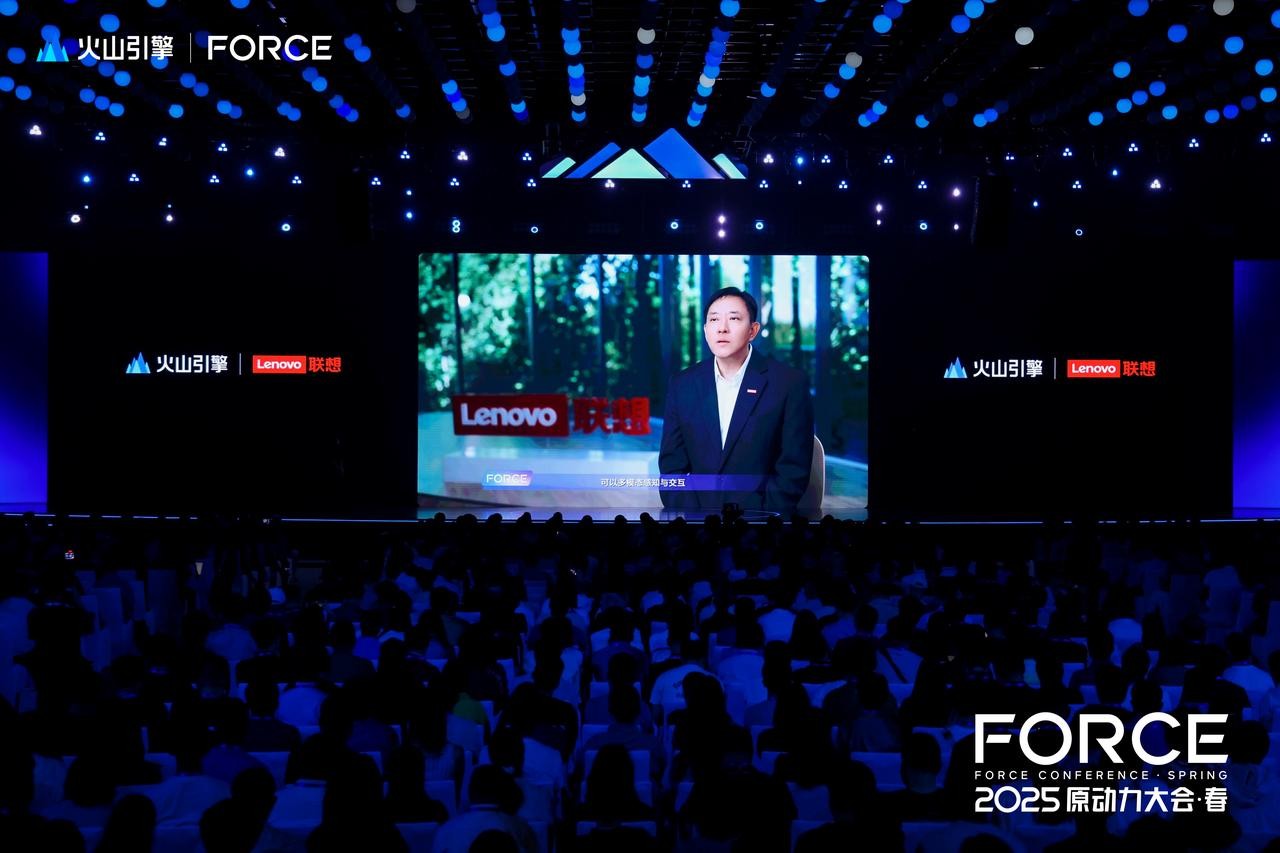
Core Insights - The article discusses the collaboration between Lenovo and Volcano Engine to create a "trusted computing solution" aimed at enhancing security in AI applications, particularly in personal cloud environments [1][3][7] - The solution emphasizes the importance of security in the context of rapid AI development and the need for reliable data protection during the transmission and processing of sensitive information [1][6] Group 1: Security and Performance - The Lenovo personal cloud solution is built on the Volcano Engine Jeddak AICC confidential computing platform, marking it as the first trusted computing solution in the domestic PC sector, offering exceptional performance and security [3][5] - The Jeddak AICC platform employs end-to-end encryption to ensure that user commands, uploaded files, and local private data are securely protected throughout the entire process, achieving "secure without network, secure with network" [5][6] - The collaboration ensures that robust security measures do not compromise performance, allowing users to receive instant and accurate intelligent feedback even in fully encrypted modes [6] Group 2: User Experience and Compatibility - The Lenovo personal cloud solution provides seamless integration across various smart devices, including PCs, smartphones, and tablets, enabling users to enjoy a consistent and secure AI experience [6] - The solution facilitates a smooth transition of AI tasks across devices, allowing users to start a task on one device and continue it on another without interruption, enhancing user experience [6] - The value of the trusted personal cloud solution is demonstrated in practical applications, such as knowledge base construction, where it enables a complete privacy computing loop without altering user habits [6] Group 3: Market Position and Future Prospects - Volcano Engine has established itself as a leader in the Chinese public cloud market with a 46.4% market share in large model invocation, collaborating with nine of the top ten global smartphone manufacturers [7] - The rapid iteration of large model technology and the explosive growth of AI application scenarios present both opportunities for efficiency gains and challenges regarding data privacy and algorithm transparency [7] - The expectation is set for Volcano Engine to collaborate with more smart terminal manufacturers to expand diverse application scenarios and build a comprehensive security service system for AI applications [7]

FORCE2025:TRAE构建AI原生开发闭环,终端生态持续拓展
Haitong Securities International· 2025-06-13 11:11
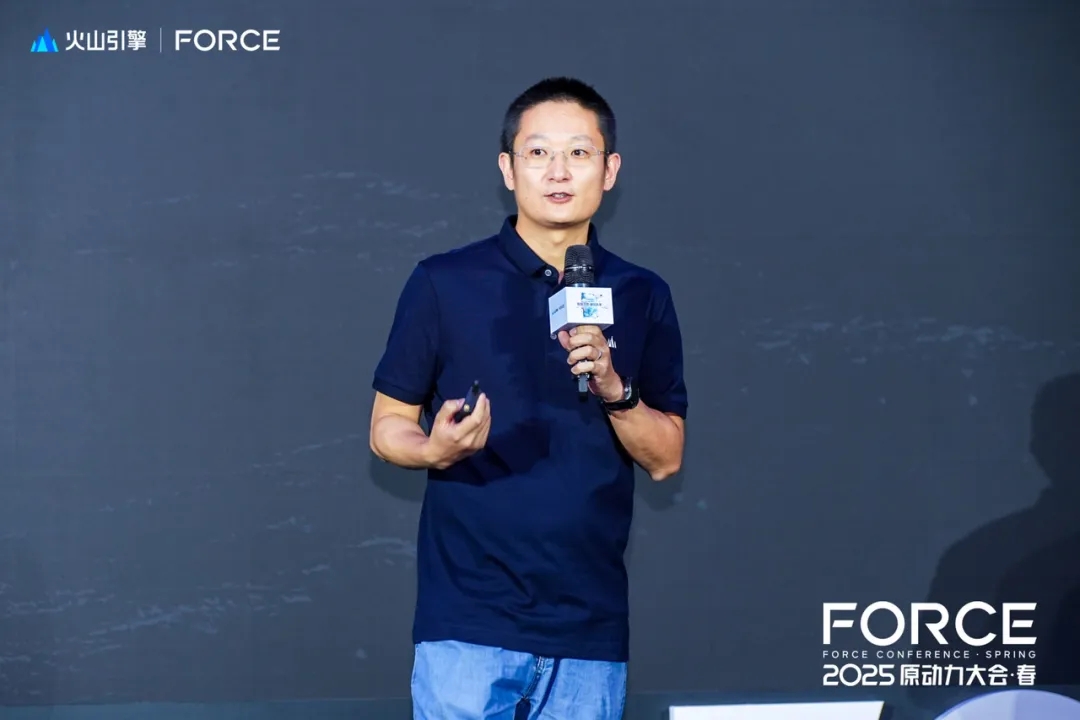
Investment Rating - The report does not explicitly state an investment rating for the industry or specific companies involved Core Insights - The FORCE 2025 conference showcased the launch of Doubao Large Model v1.6 and Seedance 1.0 Pro, along with an Agent development platform and AI-native IDE, focusing on cost reduction and ecosystem expansion [1][16] - TRAE, the AI-native development platform, has over 1 million active users and covers 80% of internal developers, indicating a strong adoption and a shift towards a new development paradigm [2][17] - The integration of various AI tools into a closed-loop system enhances productivity and supports multimodal collaboration, task orchestration, and knowledge memory [2][17] - The VeRL framework supports self-evolution capabilities for AI, enabling strategy optimization and model evolution in multimodal environments [3][19] - The terminal ecosystem is expanding, with new products like the "super agent" smart TV solution enhancing user interaction and engagement [3][20] - Real-world applications of TRAE and other core products demonstrate the feasibility of AI-driven software development, allowing non-technical users to create applications from natural language inputs [4][21] - The report highlights the competitive landscape, noting that while domestic IDEs like TRAE are developing, they still lag behind established overseas products in terms of speed and multi-scenario support [5][22] Summary by Sections Event Highlights - Volcano Engine hosted the FORCE 2025 conference, launching significant AI products and platforms aimed at enhancing development efficiency and ecosystem integration [1][16] AI Development Tools - The introduction of 12 Agent tools forms a comprehensive ecosystem that supports AI-native productivity, emphasizing human-AI collaboration and task automation [2][17] AI Self-Evolution - The VeRL framework is positioned as a key infrastructure for advancing AI capabilities from controllable generation to autonomous self-improvement [3][19] Terminal Ecosystem Growth - Collaborations with companies like Coolpad to create integrated smart solutions are expected to drive user engagement and open new growth avenues [3][20] Practical Applications - Successful deployments of AI tools in various business scenarios validate the effectiveness of AI engineering systems in real-world applications [4][21] Competitive Landscape - The report notes the need for domestic IDEs to improve usability and performance to compete effectively with established international products [5][22]
AI终端产业规模有望迎来“排浪式”增长,AI+市场加速布局
Zheng Quan Zhi Xing· 2025-05-22 02:26
Core Insights - The Chinese AI terminal industry is expected to experience a "tsunami-like" growth, driven by advancements in AI technology and the integration of AI into various devices [1][7] - AI terminals, which include smartphones, PCs, smart home devices, and robots, are designed to perform complex tasks and enhance user experience through AI algorithms [1][2] Group 1: Recent Developments in AI Terminals - The launch of Harmony OS computers, which integrate AI capabilities and support cloud collaboration, showcases the trend towards smarter devices [2] - Human-like robots, utilizing a "big and small brain" architecture, are set to scale in industrial and service sectors, indicating a shift towards automation [2] - The Ray-Ban Meta smart glasses, featuring AI-driven functionalities like voice control and real-time translation, are projected to sell over one million units in 2024, highlighting the market potential for AI wearables [2] Group 2: AI Models as the Driving Force - AI models are considered the "soul engine" of terminal intelligence, with open-source models like Deepseek enabling diverse applications in AI terminals [3] - The concept of "edge-cloud collaboration" enhances user experience by allowing local processing of simple tasks while leveraging cloud capabilities for complex operations [3] - Examples include Harmony OS computers generating professional reports and robots optimizing movement trajectories through this collaborative approach [3] Group 3: Hardware Industry Upgrades Driven by AI Terminals - The rise of AI terminals necessitates technological upgrades in the traditional consumer electronics supply chain, with a focus on enhancing hardware performance [5] - Traditional devices like smartphones and PCs are expected to see advancements in camera technology and overall hardware capabilities to meet increased performance demands [5] - New smart devices, such as smart glasses, are creating additional demands in optical display, storage, and structural components within the supply chain [5] Group 4: Market Opportunities and Investment Potential - Major companies like Meta, Huawei, and Xiaomi are entering the AI terminal market, leveraging their ecosystems and AI technologies to capture market share [7] - The maturation of the AI terminal ecosystem is anticipated to create significant value for the AI industry, with investment opportunities available through ETFs focused on AI and robotics [7]
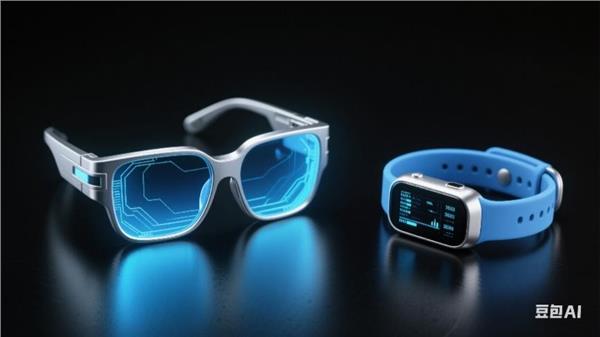
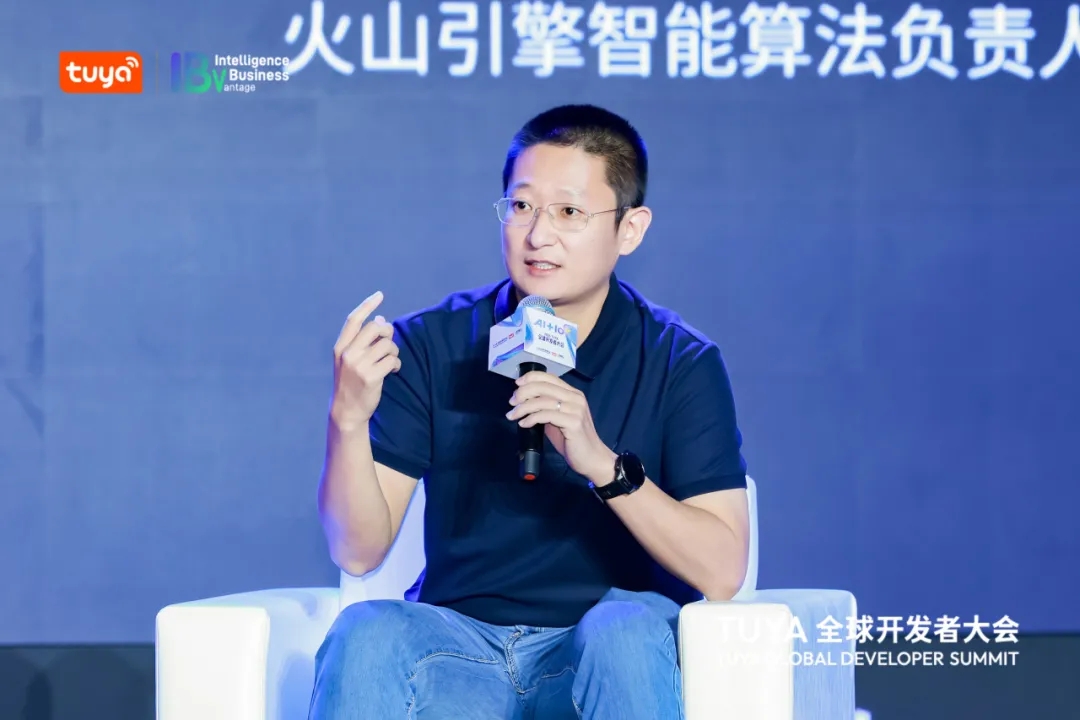
涂鸦智能接入豆包大模型,端云协同让AI硬件“能说会看”
Cai Fu Zai Xian· 2025-04-24 03:44
Core Insights - The 2025 TUYA Global Developer Conference was held in Shenzhen, focusing on the intelligent transformation of industries through AI and IoT technologies [1] - Wu Di, head of intelligent algorithms at Volcano Engine, shared insights on how AI is reshaping industry ecosystems, emphasizing the exponential growth of AIoT chips and edge capabilities in the coming years [1] - The collaboration between Volcano Engine and Tuya Smart aims to enhance AI capabilities in various products, improving user interaction experiences through advanced technologies [4][5] Group 1: AIoT Development - AIoT chips and edge capabilities are expected to experience geometric growth, with edge devices acting as "data optimizers" to provide precise sensor inputs and smart information preprocessing [1] - The collaboration between Volcano Engine and Tuya Smart has led to significant improvements in voice command recognition accuracy by over 20%, even in noisy environments [4] - The integration of large language models enhances the ability of AI products to engage in creative dialogues, increasing user engagement and product appeal [4][5] Group 2: Edge-Cloud Collaboration - Edge devices and cloud models are essential for AIoT applications, especially in scenarios with limited connectivity or high privacy requirements [1] - The real-time conversational AI embedded hardware solution from Volcano Engine enables devices to understand and respond to user needs, providing personalized services [5] - Future collaborations will focus on exploring applications in smart health monitoring and energy efficiency, leveraging multi-modal technologies for enhanced user interactions [6]