城市更新

Search documents
地产12月观察及数据点评:风雨之后,等待彩虹
GUOTAI HAITONG SECURITIES· 2026-01-20 03:10
Investment Rating - The report assigns an "Overweight" rating for the real estate industry [4]. Core Insights - The real estate sector is expected to experience a noticeable decline in 2025, aligning with earlier predictions that companies would maintain positive cash flow and that there would be no financial risks throughout the year. The focus will shift from finance to economic aspects in 2026 [2]. - The anticipated theme for 2026 is "high-quality development," with an emphasis on urban renewal. Recommended companies include Vanke A, Poly Developments, China Overseas Development, and Longfor Group among others [59]. - The total investment in real estate development is projected to be 8.3 trillion yuan, with sales amounting to 8.4 trillion yuan, achieving the goal of no financial risks for the year. The industry is expected to continue reducing investment, primarily in construction, which will further alleviate spending pressures [59][60]. Summary by Sections Investment Overview - In 2025, the cumulative real estate development investment is expected to decline by 17.2% compared to 2024, with residential investment decreasing by 16.3% [13][11]. - The total sales amount for commercial housing is projected to drop by 12.6% year-on-year [10][11]. Sales and Construction Data - The total sales area of commercial housing for 2025 is estimated at 881 million square meters, reflecting an 8.7% year-on-year decrease [25][10]. - The new construction area is expected to decline by 20.4% year-on-year, while the completion area is projected to decrease by 18.1% [18][9]. Funding Sources - The total funding for real estate development is anticipated to reach 9.31 trillion yuan, with a year-on-year decline of 13.4% [43][11]. - Domestic loans are expected to account for 15.14% of the funding sources, with a year-on-year decrease of 7.3% [47][49]. Market Dynamics - The unsold housing area at the end of 2025 is projected to be 766 million square meters, with a year-on-year increase of 1.6% [60][37]. - The report emphasizes the importance of understanding the real estate sector's impact on the economy, focusing on physical construction rather than virtual rental income [61].






上海高铁1小时,直达乾隆爷最钟情的江南小城
3 6 Ke· 2026-01-20 02:34
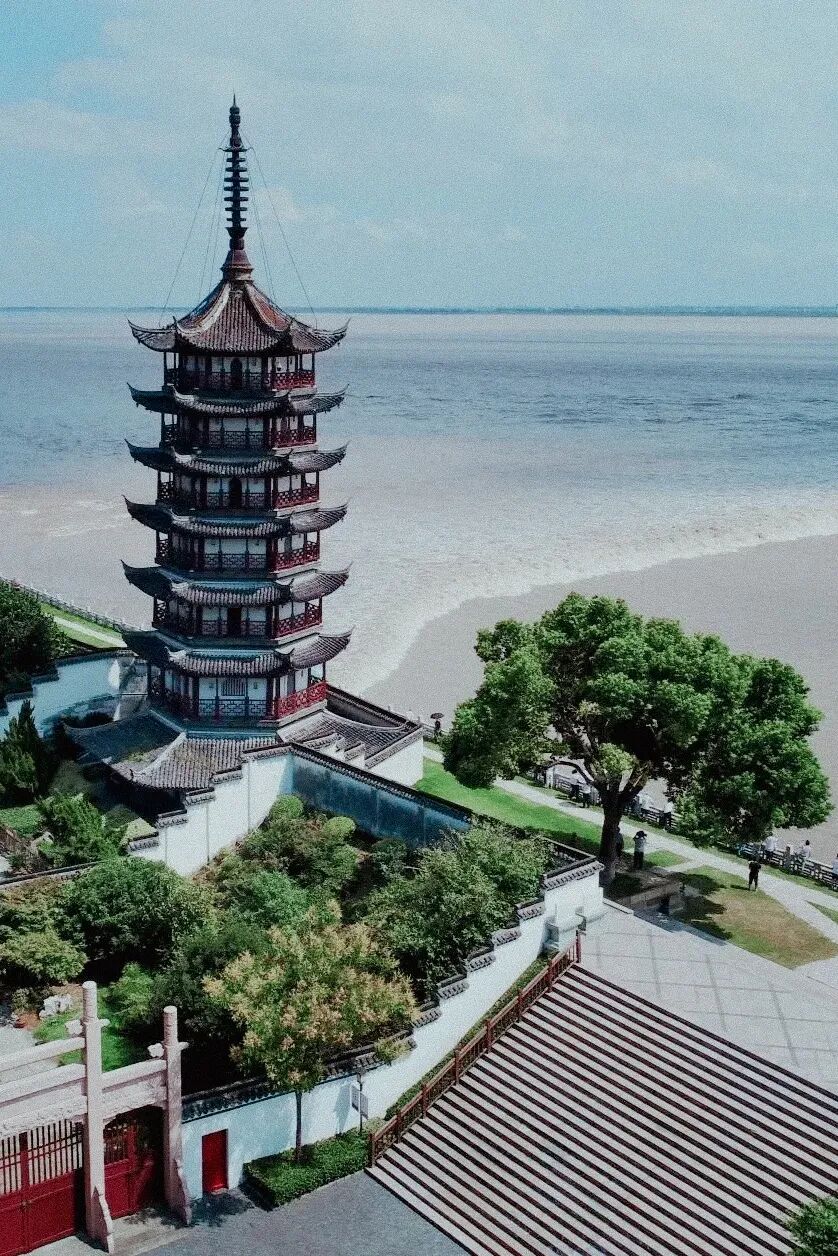
Core Insights - The article explores the unique cultural and historical significance of Haining, a city in Jiangsu province, particularly focusing on the famous "Haining Tide" and its relationship with the local community [1][3][6] - Haining is depicted as a city that balances modernity and tradition, with ongoing urban development that sometimes clashes with its historical essence [15][17][20] Group 1: Haining's Cultural Significance - Haining Tide, also known as Qiantang Tide, is a natural phenomenon that has drawn visitors for centuries, symbolizing the city's connection to nature and its historical narratives [1][3][8] - The local community has a deep-rooted relationship with the tide, viewing it not just as a spectacle but as a part of daily life and memory [4][7][8] - The city is home to historical figures such as Wang Guowei and Jin Yong, whose legacies contribute to Haining's cultural identity [13][14] Group 2: Urban Development and Daily Life - Haining is undergoing rapid urbanization, which has led to a transformation of its streets and neighborhoods, sometimes at the cost of losing its rustic charm [15][17] - The city features a blend of old and new, with traditional markets and modern cafes coexisting, reflecting the evolving lifestyle of its residents [20][21] - Walking and cycling are emphasized as ideal ways to experience Haining, highlighting the city's scale and the importance of daily life over tourist attractions [17][20]

天桥区奋力跑出高质量发展加速度
Qi Lu Wan Bao· 2026-01-20 01:32
Core Perspective - The transformation of Jinan's Tianqiao District from an "old industrial base" to a "new intelligent manufacturing highland" is underway, focusing on industrial upgrades, urban renewal, and commercial revitalization, aiming to create a modern urban center with enhanced strength, vitality, and quality [4][6][13] Industrial Transformation - The Tianqiao District is experiencing a significant industrial shift, with companies like Shandong Desheng Robot Co., Ltd. achieving a 200% increase in production efficiency and a 70% reduction in labor costs through digital solutions [5] - Shandong Jianbang Colloidal Materials has become the largest silver powder production base north of the Yangtze River, with an average annual growth rate of 201.08% over the past three years [5] - The district is implementing an "Industrial Strong District" strategy, focusing on three main industries: new energy equipment, high-end CNC machine tools and robots, and advanced materials, along with two special industries: integrated circuits and new building materials [6] Economic Data - By 2025, the industrial output value of the park is expected to account for 87.2% of the district's total, with the number of large-scale industrial enterprises increasing from 84 in 2020 to 121 [6] - The proportion of high-tech industry output value in the total industrial output is projected to rise from 64.4% to 81.6% by 2025 [6] - The number of national-level specialized and innovative "little giant" enterprises has increased from zero to seven [6] Urban Renewal - The Tianqiao District is undergoing urban renewal with 77 projects in progress, transforming the area from an "industrial rust belt" to a livable "showcase belt" [8] - Key projects include the Dingtailu New Xu area green park and various residential developments, with a high signing rate of 98% for area renovations [8] - The district aims to enhance urban quality and resident happiness through a combination of new construction and preservation of historical elements [8] Commercial Revitalization - The renovation of the Jinniu Building Materials Market has led to increased customer traffic and sales, reflecting a shift towards experiential and intelligent consumption [10] - The Liao Kou Clothing City is evolving from a wholesale hub to a multi-functional shopping experience, integrating design, culture, and consumption [10] - Tianqiao District is actively introducing flagship stores and developing e-commerce to stimulate consumer potential and reshape commercial dynamics [10] Innovation and Collaboration - The Tianqiao District is fostering a collaborative innovation environment, enhancing the business ecosystem through partnerships with local universities and establishing numerous technology innovation platforms [12] - The number of technology-based SMEs has grown from 156 in 2020 to 543, with high-tech enterprises increasing from 180 to 428, reflecting an annual growth rate of over 18% [12] - The district's focus on innovation is seen as a key driver for high-quality economic development [13]
怎么让街区更有人情味?
Xin Lang Cai Jing· 2026-01-19 19:14
Core Viewpoint - The article argues that while e-commerce has significantly impacted offline retail, the essence of physical shopping and local experiences remains valuable and necessary for consumers [1][2]. Group 1: Offline Shopping Experience - The current offline shopping experience is often characterized by a rigid, assembly-line-like process, making it less enjoyable and more burdensome for consumers [1][2]. - Many traditional local shops and markets have disappeared, replaced by commercial complexes, leading to a loss of unique local flavors and experiences [2][3]. - The time, economic, and emotional costs associated with offline shopping have increased, causing consumers to prefer online shopping for convenience [3]. Group 2: Tourism Experience - The tourism experience has become homogenized, with similar arrangements and offerings across different locations, resulting in a lack of memorable local culture and uniqueness [2][3]. - Tourists often leave with a sense of disappointment, as the experiences do not reflect the true essence of the places visited [2][3]. Group 3: Positive Developments - There are positive signs of change, with initiatives aimed at preserving local street characteristics and enhancing public spaces to improve the quality of offline experiences [4]. - Strategies such as free entry to attractions and community-focused services are being implemented to attract more visitors and enhance the overall experience [4].

锐意创新,做城市更新的“拓路人”
Xin Lang Cai Jing· 2026-01-19 17:08
Core Viewpoint - Zhang Yingjie, the chief engineer of Beijing Construction Third Engineering Division, has become a leading expert in urban renewal through innovation and technical solutions, significantly contributing to the development of urban renewal projects in Beijing [3][9]. Group 1: Career Development - Zhang started his career in the construction industry in 2010, facing challenges due to the lack of established urban renewal concepts and experiences [4]. - His first major challenge involved repairing a sloped roof structure, where he successfully proposed a post-tensioning technique to address structural issues [4]. - Over the years, he transitioned from a technician to a technical management role, enhancing his skills through hands-on experience and mentorship [5]. Group 2: Technical Innovations - In 2018, Zhang led the technical innovation for the Wen'an industrial base passive house project, which was the first of its kind in Beijing and faced unique technical challenges [6]. - He developed solutions for insulation and waterproofing issues, successfully converting complex spatial designs into workable construction plans [7]. - The Yuchang Building project presented unprecedented challenges, where Zhang's team utilized BIM technology and innovative construction techniques to ensure safety and efficiency [8][9]. Group 3: Leadership and Team Development - Zhang has established a collaborative management system within his project teams, integrating insights from various subcontractors to overcome technical challenges [9]. - Under his leadership, the team has produced over 100 patents, including 43 invention patents, with many technological achievements reaching international advanced levels [9]. - Zhang is currently leading the development of the "14th Five-Year Plan" for urban renewal at Beijing Construction Third Engineering Division, aiming to summarize and promote successful project cases for future reference [9].
蔡胜:引导企业开发“好房子” 城中村改造安置“应开尽开”
Nan Fang Du Shi Bao· 2026-01-19 14:26
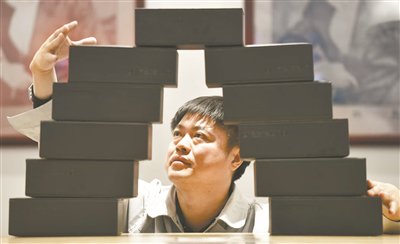
Group 1: Economic Development and Urban Renewal - In 2025, Guangzhou's economy showed a U-shaped rebound, reaching a total of 1900 billion, exceeding the annual target of 1800 billion, with urban renewal investments playing a crucial role [3] - The 2026 government work report outlines ten key areas for economic and social development, focusing on tapping into domestic and external demand, accelerating the construction of a modern industrial system, and deepening reforms in key areas [2] - The city plans to invest 1200 billion in urban village renovation in 2026, with 100% of newly allocated residential land implementing prefabricated construction [6][12] Group 2: Housing and Urban Construction - During the "14th Five-Year Plan," Guangzhou established a multi-tiered housing security system, creating 4.89 million public rental housing units and 601,100 units of guaranteed rental housing [8] - The city aims to enhance the housing security system further, focusing on public rental housing, guaranteed rental housing, and sales-type guaranteed housing to meet the basic housing needs of urban workers and families in difficulty [8] - In 2026, Guangzhou will rationally plan the scale of new commercial and guaranteed housing, ensuring a balanced supply and demand in the real estate market [9] Group 3: Smart Construction and Industrialization - Guangzhou aims to develop a 5000 billion-level smart construction and industrialized building industry cluster, with an expected output value of 3000 billion in 2025 [14] - In 2026, all residential land sold will implement prefabricated construction, and new resettlement housing projects will have at least 15% of their floor area using modular construction [14] - The city will promote the application of smart construction technologies and BIM in government investment projects, enhancing the overall quality and efficiency of construction [14]
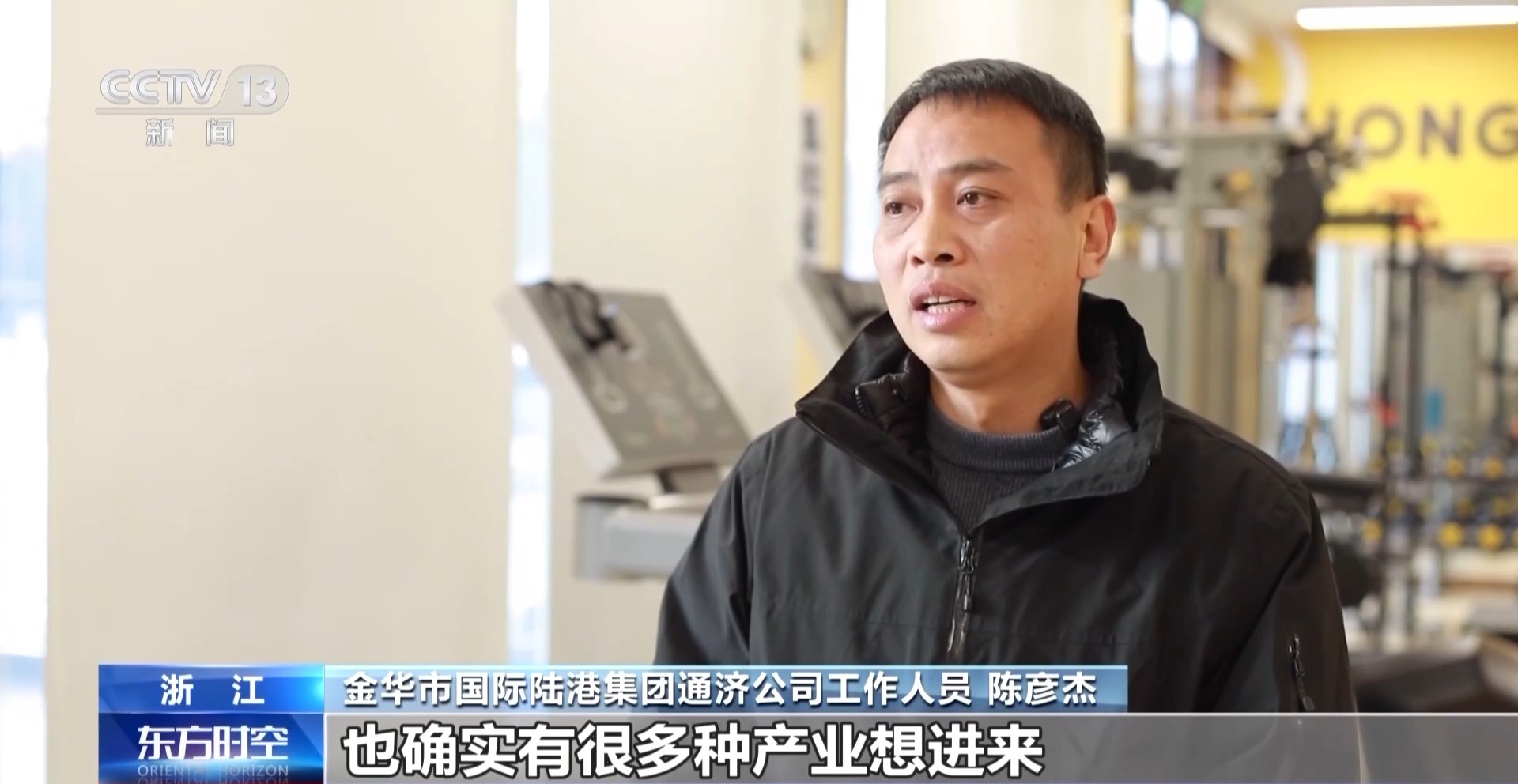
视频丨闲置场地“点石成金” 城市里多了这些体育空间
Yang Shi Xin Wen Ke Hu Duan· 2026-01-19 14:23
Core Insights - The transformation of long-distance bus stations into sports and community centers reflects changing transportation trends and urban renewal efforts [3][19][40] Group 1: Urban Renewal and Transformation - The Jinhua South Bus Station, once a key transportation hub, has been repurposed into a sports center due to declining passenger numbers, with the area now hosting over 20 sports projects and attracting an average of 3,000 visitors daily [3][15] - The local government has implemented temporary measures to change the use of properties like bus stations to accommodate new community needs, making Jinhua's bus station one of the first beneficiaries of this initiative [13][15] - In Yinchuan, a long-distance bus station has also been successfully transformed into a sports facility, maintaining its passenger services while repurposing the space for community use [19][20] Group 2: Community Engagement and Demand - The Jinhua South Bus Station's new sports facilities cater to a local population of nearly 200,000, with a significant portion being young residents who have a high demand for sports venues [7][15] - In Dongming County, a former brick kiln has been converted into a sports park with 17 standardized gateball courts, reflecting the community's strong engagement in sports, particularly among the elderly [42][46] - The repurposing of old warehouses into sports facilities in Beijing's Fangshan District demonstrates a successful model of community-driven sports engagement, providing affordable access to recreational activities [29][31] Group 3: Economic Impact and Future Prospects - The transformation projects not only enhance community health and engagement but also stimulate local economies, with the Jinhua project helping subsidize operations of other bus stations [15] - The ROGT Tennis Center in Ma'anshan, built from a repurposed second-hand car market, is expected to host international tennis events, attracting significant tourism and local spending [35][39] - Dongming County's sports park is projected to generate substantial economic activity during national events, showcasing the potential for urban renewal projects to drive local economic growth [50]
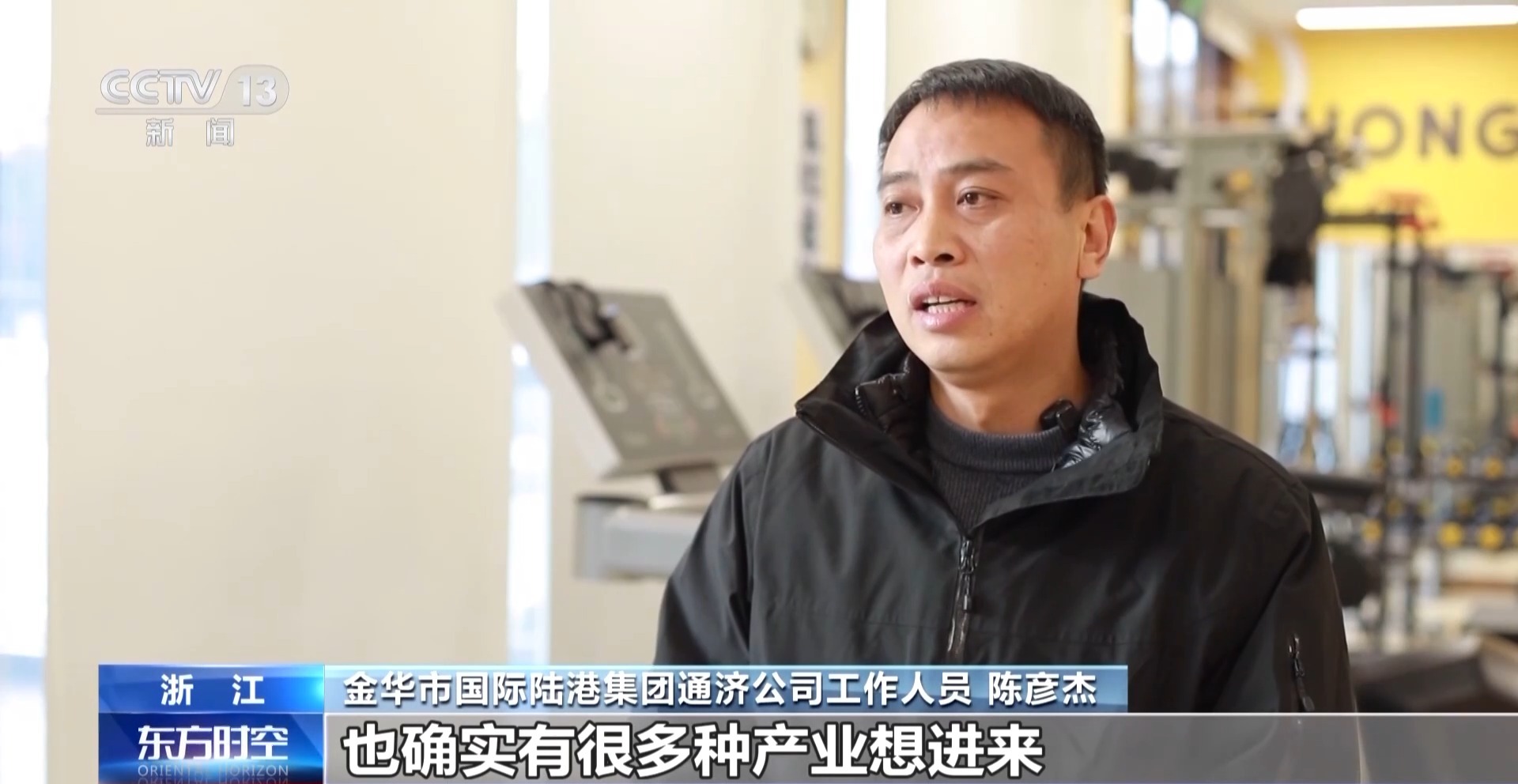
闲置场地“点石成金” 城市里多了这些体育空间
Yang Shi Xin Wen Ke Hu Duan· 2026-01-19 12:42
Core Insights - The transformation of long-distance bus stations into sports and recreational facilities reflects changing transportation trends and urban renewal efforts [1][11] - The case of Jinhua's South Bus Station illustrates how repurposing idle spaces can meet community needs, particularly for sports and fitness [5][13] Group 1: Jinhua South Bus Station Transformation - Jinhua South Bus Station, once a key transport hub, has seen a decline in passenger traffic, leading to its repurposing for sports and commercial activities [1][11] - The area within a 1.5 km radius of the station has over 100 residential communities with a population of nearly 200,000, predominantly young people, indicating a strong demand for sports facilities [5] - The local government has implemented temporary measures to change the land use from transportation to commercial and sports purposes, facilitating the station's transformation [7][11] Group 2: Broader Urban Renewal Trends - The trend of converting idle spaces, such as old factories and markets, into sports facilities is gaining traction, reducing construction costs while meeting community demands [20][26] - In Beijing's Fangshan District, a former warehouse has been transformed into a sports center, showcasing the effectiveness of repurposing existing structures for community use [24][26] - Ma'anshan City has successfully converted a second-hand car market into a tennis center, leveraging its geographical advantages to host international events and boost local economy [30][32] Group 3: Community Engagement and Cultural Impact - In Dongming County, Shandong Province, a former brick kiln has been transformed into a sports park with standardized gateball courts, fostering community engagement among the elderly population [38][40] - The integration of local sports culture into urban renewal projects has enhanced community identity and participation, as seen in Dongming's recognition as a "national gateball strong county" [38][42] - The successful hosting of national events in repurposed facilities demonstrates the potential for urban renewal to drive local economic growth and cultural pride [42]
亓伟:今年计划筹集保障性租赁住房3500套(间)
Qi Lu Wan Bao· 2026-01-19 11:05
Group 1 - The core viewpoint is that Jinan is focusing on urban renewal and housing development to stimulate demand and improve living conditions by implementing various projects and policies by 2026 [1][2][3][4] Group 2 - In 2025, Jinan plans to implement 92 urban renewal projects and has introduced local regulations for urban renewal, marking a significant step in the city's development [2] - The city aims to enhance infrastructure by adding 17 million square meters of heating area, with a total centralized heating area reaching 400 million square meters, covering approximately 2.9 million households [2] - Jinan is actively exploring new models for real estate development, with 20 projects recognized as high-quality residential pilot projects at the municipal level, and 24 at the provincial level, leading the province in the number of provincial pilot projects [2] - The housing security system is being improved, with a total of 186,000 units of rental housing and 1,021 units of sale-type affordable housing planned, achieving a 95% sales rate for the first batch [2] - The city plans to renovate 92 kilometers of heating pipelines and 43 kilometers of aging gas pipelines to enhance urban safety and infrastructure [3][4] - Jinan's housing and urban construction bureau is promoting high-quality residential projects and supporting the "old for new" housing exchange to stimulate housing demand [4] - The city is focusing on green, intelligent, and industrialized development in the construction industry, aiming to enhance competitiveness and expand into new markets [4]
净利润“腰斩”,建筑巨头中国中冶去年业绩下滑
第一财经· 2026-01-19 09:55
Core Viewpoint - The performance of China Metallurgical Group Corporation (China MCC) is under pressure due to the sluggish real estate sector and slowing infrastructure investment, with a projected net profit decline of over 50% for 2025 compared to the previous year [2][3]. Financial Performance - China MCC's net profit attributable to shareholders has been declining annually, with figures of 10.276 billion yuan in 2022, 8.670 billion yuan in 2023, and an estimated 6.746 billion yuan in 2024, expected to drop to around 3.3 billion yuan in 2025 [2]. - For the first three quarters of 2025, China MCC reported an operating income of 335 billion yuan, a year-on-year decrease of 18.78%, and a net profit of 3.97 billion yuan, down 41.88% [3]. - The total new contracts signed by China MCC in 2025 were 1.1136 trillion yuan, a decrease of 10.8% year-on-year, with overseas contracts amounting to 94.88 billion yuan, a slight increase of 1.9% [3]. Strategic Moves - To seek breakthroughs, China MCC announced the sale of 100% equity in China MCC Real Estate and other related assets to China Minmetals and China Minmetals Development for a total of 60.676 billion yuan [3][4]. - Post-transaction, China MCC aims to clarify its positioning as a core platform focused on engineering contracting and emerging industries, expecting to alleviate losses from its real estate business by 2026 [4]. Industry Context - The slowdown in performance is not unique to China MCC; among the top eight state-owned construction enterprises, only China Power Construction, China Energy Engineering, and China Chemical achieved revenue growth in 2025 [4]. - The construction industry as a whole saw a revenue decline of 5.14% year-on-year, with net profits down 9.76% due to slowing fixed asset investment and local government debt pressures [4]. - China State Construction reported a total new contract amount of 4.5458 trillion yuan in 2025, a slight increase of 1.0%, while its real estate contract sales decreased by 6.4% [4]. Future Outlook - Looking ahead to 2026, the construction industry is expected to benefit from urban renewal trends and major infrastructure projects, as well as initiatives under the "14th Five-Year Plan" aimed at high-quality development [5].