
和平宪法

Search documents
“日本被首相拖入国家危机”
第一财经· 2025-11-17 00:58
Core Viewpoint - The article discusses the recent controversial statements made by Japanese Prime Minister Kishi Sanae regarding Taiwan, which have sparked protests and criticism within Japan, highlighting the potential risks to regional stability and Japan's own diplomatic relations [3][4][5]. Group 1: Political Context - On November 7, during a budget committee meeting, Kishi stated that a military conflict involving Taiwan could constitute a "survival crisis" for Japan, which could trigger Japan's collective self-defense rights under the new security law [4][6]. - Kishi's remarks have been criticized by various political figures, including former Prime Minister Noda Yoshihiko, who described her statements as reckless and damaging to Japan-China relations [5][6]. Group 2: Historical and Legal Implications - Kishi's statements are seen as a continuation of the right-wing ideology associated with former Prime Minister Abe Shinzo, who advocated for military expansion and constitutional revision [6][7]. - Legal experts argue that Kishi's interpretation of a "survival crisis" lacks a solid legal foundation, as Taiwan is not recognized as a sovereign state by Japan, thus complicating the application of the new security law [9][10]. Group 3: Regional and International Reactions - The article notes that Kishi's comments have provoked strong reactions from regional leaders and experts, who view her statements as a provocation that could escalate tensions in the Taiwan Strait [13][14]. - Critics emphasize that Japan's involvement in Taiwan-related military actions would be seen as aggression and could severely damage Japan's international standing and relations with China [11][12]. Group 4: Economic Consequences - The potential deterioration of Japan-China relations could have significant economic repercussions, as China is Japan's largest trading partner, with trade totaling $308.3 billion in 2024 [15][16]. - Experts warn that if relations worsen, the Japanese public will bear the brunt of the consequences, including reduced trade and tourism from China [15][16].

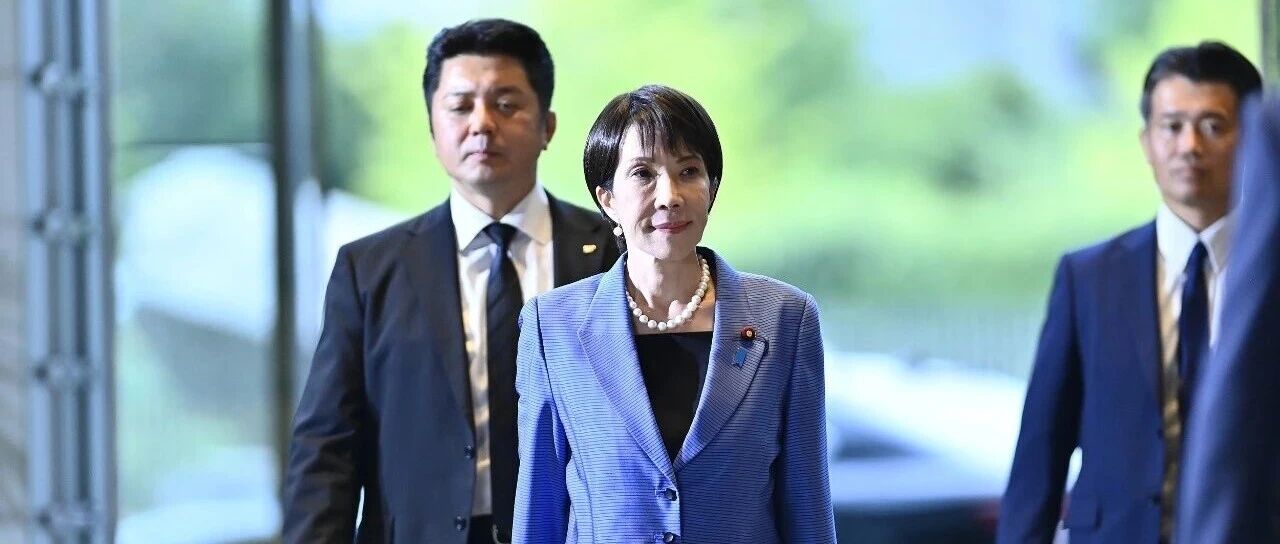
会招来战争,极其危险!”高市早苗要动“无核三原则
Xin Jing Bao· 2025-11-16 22:46
Core Viewpoint - Japanese Prime Minister Sanna Takashi is considering revising the "Three Non-Nuclear Principles," which prohibit Japan from possessing, producing, or introducing nuclear weapons, indicating a significant shift in Japan's post-war security policy [1][2][4]. Group 1: Policy Changes - Takashi has expressed dissatisfaction with the "Three Non-Nuclear Principles," suggesting that adhering to the principle of not allowing foreign nuclear weapons into Japan may hinder U.S. nuclear deterrence [2][5]. - The potential modification of these principles has raised concerns about Japan's commitment to its post-war pacifist stance and could provoke strong domestic and international backlash [1][6]. Group 2: Historical Context - The "Three Non-Nuclear Principles" were established in 1967 by then-Prime Minister Eisaku Satō and have been a cornerstone of Japan's national policy regarding nuclear weapons [1][4]. - Japan's historical context as a nation that suffered from nuclear attacks during World War II has shaped its current stance on nuclear weapons, which is now being questioned under Takashi's leadership [4][6]. Group 3: Domestic and International Reactions - There is significant domestic opposition to any changes to the "Three Non-Nuclear Principles," with critics arguing that such a move could lead to increased militarization and potential conflict [3][6]. - Internationally, concerns have been raised by countries like China regarding Japan's military security developments, which could signal a dangerous shift in Japan's defense policy [6][7].
国际观察|“日本被首相拖入国家危机”——起底高市早苗之“祸”
Xin Hua She· 2025-11-16 15:46
Core Viewpoint - The article discusses the backlash against Japanese Prime Minister Kishi Sanae due to her controversial remarks regarding Taiwan, which have led to public protests and criticism from various political figures, suggesting that her actions have plunged Japan into a national crisis [1][9]. Group 1: Political Reactions - Public protests occurred in front of the Prime Minister's residence, with demands for Kishi's resignation and apologies for her statements regarding Taiwan [1]. - Criticism from political figures, including former Prime Minister Noda Yoshihiko, who labeled Kishi's remarks as reckless and damaging to Japan-China relations [2][9]. - The opposition party, led by Okada Katsuya, questioned Kishi on the implications of her statements, indicating a serious political backlash [2]. Group 2: Historical Context and Ideological Background - Kishi's political rise is attributed to former Prime Minister Abe Shinzo, who is known for his right-wing views and military expansionist policies [3]. - Kishi's stance on historical issues and military policy aligns closely with Abe's, including calls for constitutional amendments and increased defense spending [3][5]. - The article highlights Kishi's past actions, such as visiting Taiwan and promoting Japan-Taiwan security cooperation, which reflect her aggressive stance on regional security [3][4]. Group 3: Legal and International Implications - Experts argue that Kishi's remarks lack legal grounding, as Japan's security laws do not support military intervention in Taiwan, which is not recognized as a sovereign state [6][7]. - The article emphasizes that Japan's post-war commitments and international law recognize Taiwan as part of China, warning that military involvement would be seen as aggression [7][8]. - Kishi's statements are viewed as a potential threat to Japan's peace constitution, raising concerns about the future of Japan's military policies [12]. Group 4: Economic Consequences - The article outlines potential negative impacts on Japan-China relations, which could harm trade and economic ties, as China is Japan's largest trading partner [11]. - Concerns are raised about the economic repercussions for Japan, including reduced trade and tourism from China, should relations deteriorate further due to Kishi's remarks [11][12]. - The article suggests that Kishi's aggressive rhetoric could lead to significant economic fallout for Japan, affecting its citizens directly [11].
新华网国际看点丨高市早苗越线挑衅,究竟意欲何为?
Xin Hua She· 2025-11-16 13:46
Core Viewpoint - Japanese Prime Minister Fumio Kishida's extreme remarks regarding China link the Taiwan issue with Japan's new security law, suggesting potential military intervention in the Taiwan Strait [1] Group 1: Political Implications - Kishida's provocative statements aim to cater to Japan's right-wing forces and align with the U.S. "Indo-Pacific Strategy," seeking to break through the limitations of Japan's pacifist constitution and accelerate military expansion [1] - The remarks reflect a broader trend of rightward shift and systemic normalization of militarism in Japan [1] Group 2: Economic Impact - Deterioration of Sino-Japanese relations could directly impact Japan's economic lifeline, given the irreplaceable status of the Chinese market for Japan's economy [1]

《解放军报》刊文:武力介入台海,日本全国都有沦为战场的风险
21世纪经济报道· 2025-11-16 03:58
Core Viewpoint - The article argues that Japan's potential military intervention in the Taiwan Strait would lead to disastrous consequences for both the Japanese people and the nation itself, including worsening regional security, the risk of becoming a battlefield, and a return to historical disgrace [1][5][7]. Summary by Sections Japan's Military Posture - Japan's recent military actions and rhetoric indicate a shift towards a more aggressive defense posture, including the potential for military intervention in the Taiwan Strait, which contradicts its pacifist constitution [4][5]. - The Japanese government has been enhancing its military capabilities, including the development of offensive weapons and the establishment of military infrastructure across the country [5][6]. Risks of Military Intervention - If Japan pursues military intervention, it would exacerbate its surrounding security environment, leading to increased tensions with China and undermining constructive Sino-Japanese relations [6][7]. - The transformation of numerous airports and ports into dual-use military facilities poses a risk of turning Japan into a battlefield, as demonstrated by recent military exercises involving multiple locations [6][7]. Historical Context and Consequences - The article highlights the historical implications of Japan's military ambitions, warning that such actions could lead to a repeat of past militaristic behaviors that caused suffering in Asia [7]. - Japan's current leadership is criticized for ignoring historical lessons, with a warning that any reckless military engagement could provoke a strong response from China [7].
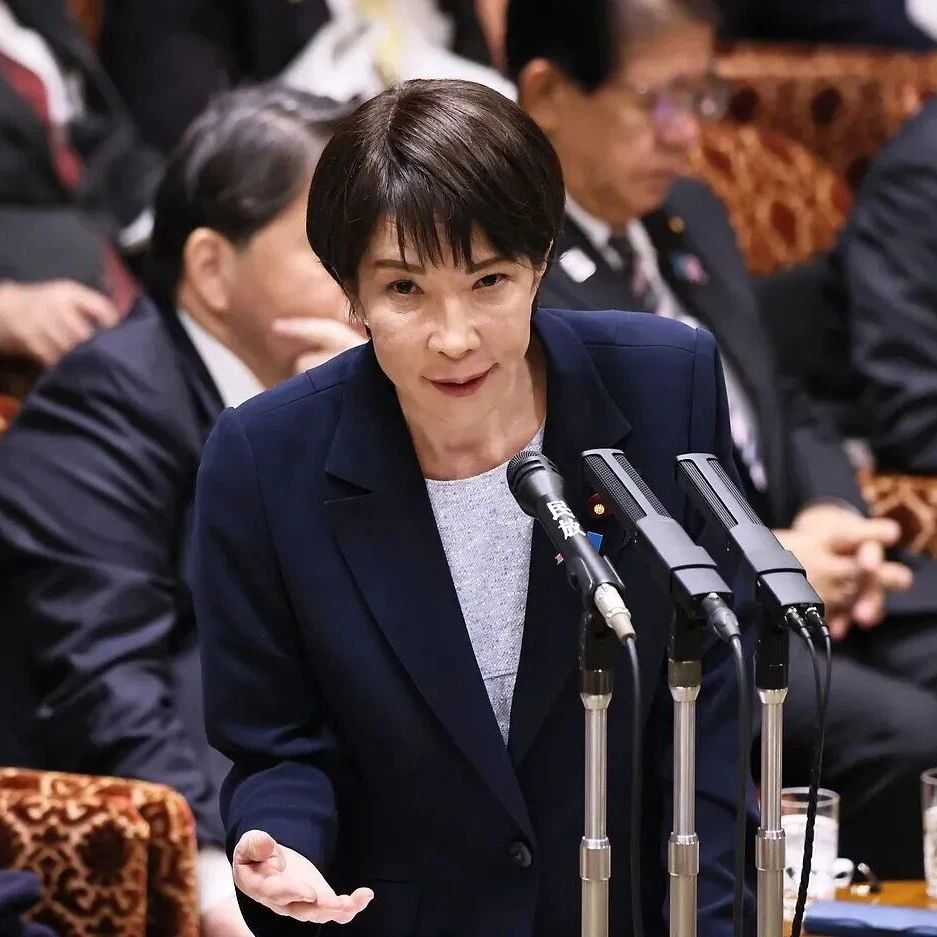
警惕新动作!日媒爆料:高市早苗有意重新审视“无核三原则”中有关不运进核武器部分
Huan Qiu Wang· 2025-11-15 12:01
Core Viewpoint - Japanese Prime Minister Fumio Kishida is reportedly considering a "re-examination" of Japan's long-standing "Three Non-Nuclear Principles," particularly the aspect concerning the non-introduction of nuclear weapons, raising concerns across various sectors in Japan [1][3]. Group 1: Policy Background - The "Three Non-Nuclear Principles," established by former Prime Minister Eisaku Satō in 1967, state that Japan will not possess, manufacture, or introduce nuclear weapons, forming a cornerstone of Japan's nuclear policy [3]. - The current government, under Kishida, is contemplating revisions to the National Security Strategy in 2026, which may include a reassessment of the non-introduction principle [3]. Group 2: Political Reactions - Opposition leader Yukio Edano criticized Kishida's remarks as "sudden and inappropriate," emphasizing the need for Japan to maintain a non-nuclear stance, especially in light of the 80th anniversary of the atomic bombings in Hiroshima and Nagasaki [3]. - Several atomic bomb survivors expressed their inability to accept Kishida's views, labeling them as "extremely dangerous" and potentially provocative towards war [4]. Group 3: International Concerns - The Chinese Ministry of National Defense has previously warned that Japan's recent military actions, including increased defense spending and the development of long-range offensive capabilities, are moving away from its "peace constitution" and "self-defense" commitments, which raises alarms among nations historically affected by Japanese militarism [4].
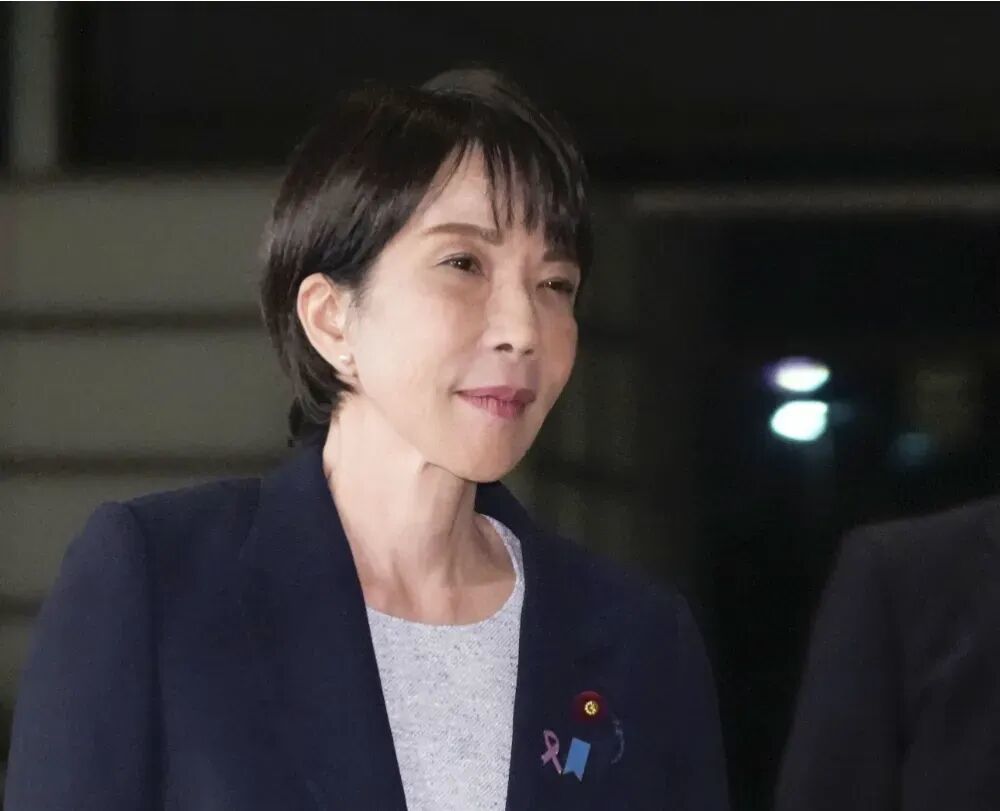
日本前首相村山富市去世
第一财经· 2025-10-17 04:39
Core Viewpoint - The article discusses the passing of former Japanese Prime Minister Tomiichi Murayama at the age of 101, highlighting his significant contributions to Japanese politics and his stance on peace and historical reflection [3][5]. Group 1: Background and Political Career - Tomiichi Murayama was born in March 1924 in Oita Prefecture, Japan, and was first elected to the House of Representatives in 1972 [5]. - He served as Prime Minister in a coalition government formed by the Liberal Democratic Party, Social Democratic Party, and New Party Sakigake, taking office in June 1994 [5]. Group 2: Peace Advocacy and Historical Reflection - During his tenure, Murayama advocated for "dove politics" and the maintenance of Japan's pacifist constitution, promoting a peaceful national path [5]. - In August 1995, he delivered the "Murayama Statement" on the 50th anniversary of the victory over fascism, expressing deep remorse for Japan's colonial rule and aggression, which caused significant suffering, particularly in Asian countries [7]. - The statement emphasized the need for Japan to reflect on its past, reject self-righteous nationalism, and promote international cooperation, peace, and democracy [8].

广岛核爆80周年 日本民众抗议政府实施军备扩张
Xin Hua Wang· 2025-08-06 10:51
Core Viewpoint - The 80th anniversary of the atomic bombing of Hiroshima was marked by protests against Japan's military expansion policies and calls for adherence to the peace constitution [1][2] Group 1: Protests and Public Sentiment - A large gathering of citizens took place at the Hiroshima bombing site, expressing strong concerns over Japan's ongoing military expansion and the implications of the Japan-U.S. alliance [1] - Protesters held signs with messages such as "The Japan-U.S. alliance is a war alliance" and "Prevent nuclear war," indicating widespread public anxiety regarding military policies [1] Group 2: Government Response - Japanese Prime Minister Kishida Fumio reaffirmed Japan's commitment to the "Three Non-Nuclear Principles" during the memorial ceremony [1] - Hiroshima Mayor Matsui Kazumi emphasized the importance of remembering the nuclear bombing experience and inheriting the peace philosophy, although both officials did not address the historical context of the bombing [1]
广岛核爆80周年 日本民众抗议政府实施军备扩张
Xin Hua She· 2025-08-06 10:17
Core Points - The 80th anniversary of the atomic bombing of Hiroshima was commemorated on August 6, with citizens expressing concerns over Japan's military expansion policies and calling for adherence to the peace constitution [1] - Protesters criticized the Japan-U.S. alliance as a "war alliance" and voiced strong worries about Japan's ongoing military buildup and nuclear sharing discussions [1] - Japanese Prime Minister Kishida Fumio reaffirmed Japan's commitment to the "Three Non-Nuclear Principles" during the ceremony, while Hiroshima's mayor emphasized the importance of remembering the nuclear bombing experience [1] Group 1 - The commemoration event attracted a large gathering of citizens who raised slogans against military expansion and nuclear warfare [1] - The organizing committee representative highlighted the increasing military budget and joint military exercises with the U.S. as steps away from the peace constitution [1] - The historical context of Japan's wartime actions and the suffering inflicted on other nations during World War II was notably absent from the official speeches [2]
国防部新闻发言人蒋斌就日本政府2025年版《防卫白皮书》答记者问
news flash· 2025-07-16 04:37
Group 1 - The Japanese government has officially released the 2025 version of its Defense White Paper, labeling China as an "unprecedented largest strategic challenge" and accusing it of unilaterally changing the status quo with military strength [1] - The Chinese defense spokesperson criticized Japan for fabricating false narratives to justify its military expansion and for interfering in China's internal affairs, expressing strong dissatisfaction and firm opposition [1] - Japan's military actions, including significant increases in defense budgets and loosening weapon export restrictions, are seen as a serious violation of its "peace constitution" and pose a major challenge to peace in the Asia-Pacific region, raising concerns among neighboring countries and the international community [1] Group 2 - This year marks the 80th anniversary of the victory in the Chinese People's Anti-Japanese War and the global anti-fascist war, as well as the 80th anniversary of Taiwan's return to China, which is considered a significant outcome of World War II and part of the post-war international order [2] - There is a call for Japan to learn from historical lessons, cease its negative portrayal of China, and adhere to the spirit of the four political documents between China and Japan, particularly regarding commitments related to Taiwan, to promote healthy and stable development of bilateral relations [2]