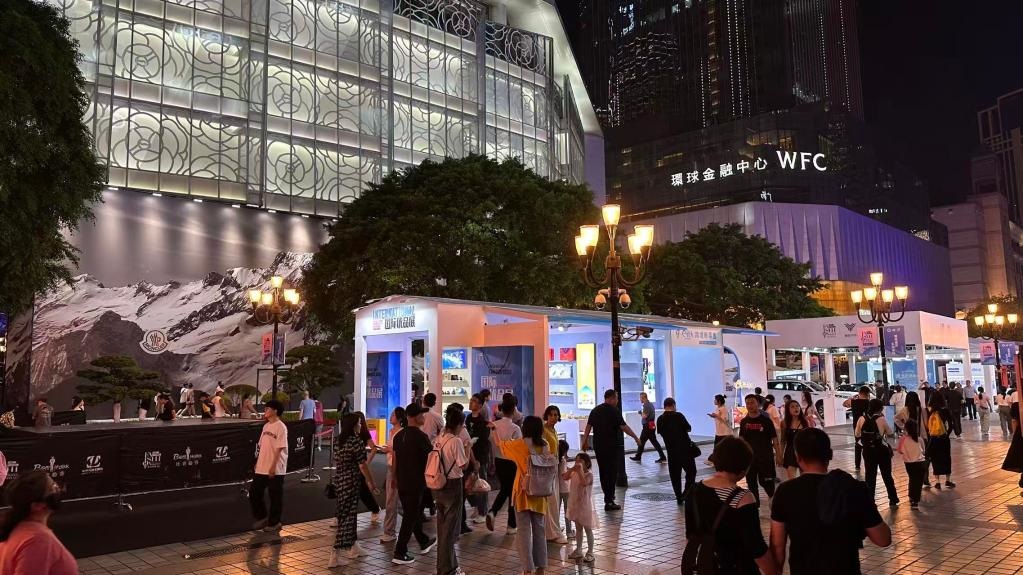
国际消费中心城市建设

Search documents
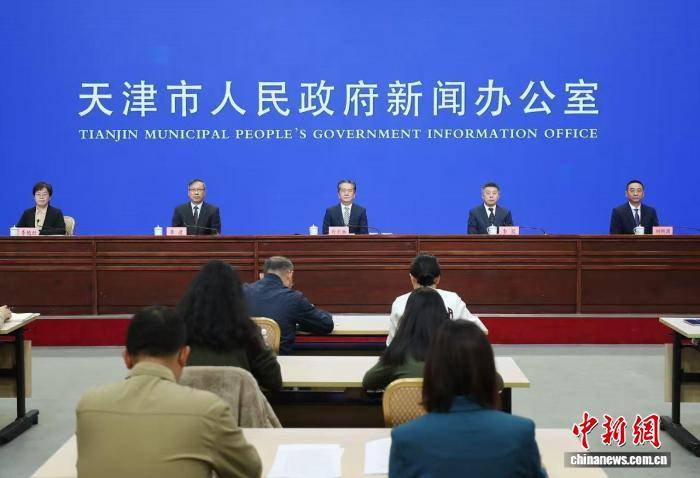
构建“大消费”格局 天津国际消费中心城市建设取得积极成效
Sou Hu Cai Jing· 2025-12-04 13:36
Core Viewpoint - Tianjin has made significant progress in building an international consumption center city during the "14th Five-Year Plan" period, enhancing its "big consumption" framework and showcasing new consumption vitality [1][3]. Group 1: Commercial Development - During the "14th Five-Year Plan" period, Tianjin added approximately 4 million square meters of commercial space and revitalized 240.8 million square meters of idle commercial facilities [3]. - New business models and activities, such as night tours along the Haihe River, popular bookstores, and duty-free shops, have gained significant traction [3]. Group 2: Exhibition Economy - The National Exhibition Center (Tianjin) has commenced operations, becoming the largest exhibition complex in northern China, with an annual growth rate of around 20% in the number of exhibitions and exhibition area during the "14th Five-Year Plan" [3]. - The city has hosted high-profile events like the Summer Davos Forum and the World Intelligent Industry Expo, enhancing its reputation in the exhibition sector [3]. Group 3: Future Initiatives - Tianjin plans to implement special actions to boost consumption, focusing on optimizing consumption space and cultivating iconic business districts [4]. - The city aims to enhance its international consumption environment and develop new consumption types, including cruise tourism and duty-free shopping, while improving service quality in sectors like dining and home services [4].

国际化消费环境建设试点,为何是这15城
Sou Hu Cai Jing· 2025-11-29 12:00
Core Viewpoint - The recent announcement of 15 cities as pilot cities for international consumption environment construction is interpreted as an expansion of international consumption center cities, aimed at boosting domestic demand and enhancing global consumption attractiveness [1][2] Group 1: Economic Development Logic - The expansion of consumption center cities aligns with China's strategic shift from being the "world's factory" to becoming the "world's market," with consumer spending contributing 82.5% to economic growth in 2023 [2][3] - The addition of 10 new cities aims to create a broader network to meet diverse consumer demands and enhance regional economic collaboration [2][3] Group 2: New Business Models and Trends - The pilot cities are seen as incubators for new business models, with the first five cities accounting for over 12.5% of national retail sales and a significant share of national-level demonstration pedestrian streets and traditional brands [3][9] - The construction of international consumption center cities is crucial for China to compete in the global consumption market, with cities like Beijing and Shanghai already establishing themselves as shopping and fashion hubs [3][9] Group 3: Policy Support and Financial Incentives - Each international consumption center city will receive a total subsidy of 200 million yuan, while other cities will receive 100 million yuan, with funds allocated based on performance evaluations [4][9] Group 4: Characteristics of New Pilot Cities - The newly added cities exhibit diverse characteristics and significant development potential, with Shenzhen leading in digital economy, Chengdu in culinary tourism, and Hangzhou in e-commerce [8][9] - Other cities like Wuhan, Changsha, and Xiamen are also rapidly developing their unique consumption environments, leveraging their geographical and cultural advantages [8][9] Group 5: Future Vision and Global Influence - The future of international consumption center cities is shifting towards a model that integrates culture, experience, and service, transforming them into platforms for exploring Eastern lifestyles and enhancing China's global cultural influence [11][12] - The ambition is to transition from regional consumption hubs to globally influential cultural benchmarks, with a focus on setting consumption standards and enhancing China's voice in global consumption governance [12][13]
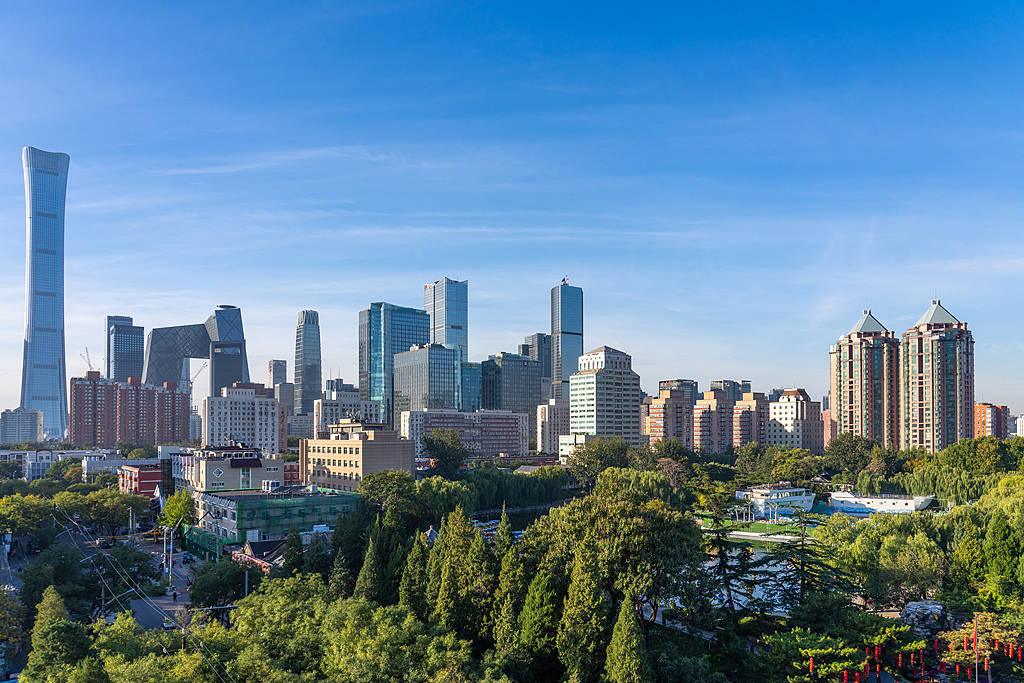
商务部:将深化国际消费中心城市建设
Sou Hu Cai Jing· 2025-11-27 03:26
下一步商务部将深化国际消费中心城市建设,组织开展好国际化消费环境建设试点,支持相关城市进一 步丰富优质商品和服务供给,打造一批带动面广、显示度高的消费新场景,提升国际化服务水平,营造 更加便捷、舒适的消费环境。 来源:人民财讯 11月27日,国新办举行国务院政策例行吹风会,介绍增强消费品供需适配性进一步促进消费政策措施有 关情况。 商务部市场运行和消费促进司负责人杨枿表示,近年来,在扩大免签范围,优化离境退税等政策带动 下,中国游、中国购持续火爆,今年1—9月离境退税商品销售额同比增长近一倍。 ...
商务部:将深化国际消费中心城市建设,组织开展好国际化消费环境建设试点
Zheng Quan Shi Bao Wang· 2025-11-27 02:51
Core Viewpoint - The Chinese government is implementing measures to enhance the adaptability of consumer goods supply and demand, aiming to further promote consumption in the country [1] Group 1: Policy Measures - The State Council's policy briefing highlighted the introduction of policies such as expanding the visa-free travel scope and optimizing the departure tax refund system, which have significantly boosted consumption [1] - The sales of departure tax refund goods have nearly doubled year-on-year from January to September this year [1] Group 2: Future Initiatives - The Ministry of Commerce plans to deepen the construction of international consumer center cities and conduct pilot projects for building an international consumption environment [1] - There will be support for cities to enrich the supply of quality goods and services, creating new consumption scenarios that are broad-reaching and highly visible [1] - The goal is to enhance the level of international services and create a more convenient and comfortable consumption environment [1]
北京“十五五”规划建议:实施提振消费专项行动,深化国际消费中心城市建设
Zheng Quan Shi Bao Wang· 2025-11-25 23:51
Core Viewpoint - The Beijing Municipal Committee emphasizes the need to boost consumption as part of the 15th Five-Year Plan, focusing on enhancing residents' consumption capacity and integrating livelihood improvements with consumption promotion [1] Group 1: Consumption Enhancement Strategies - The plan includes implementing special actions to stimulate consumption and deepening the construction of an international consumption center city [1] - There is a focus on expanding high-quality service consumption, with an emphasis on brand leadership, standard upgrades, and the application of new technologies [1] - The initiative aims to promote the expansion and quality improvement of goods consumption, enriching the supply of green and intelligent consumer products [1] Group 2: Urban Development and Consumer Experience - The plan outlines the renovation of key commercial districts and the establishment of convenient commercial networks, fostering new consumption scenarios such as leisure, fashion, waterfront, health, and nighttime consumption [1] - It aims to expand inbound consumption and innovate in digital consumption, activating cultural consumption and encouraging the launch of new stores and exhibitions [1] Group 3: Policy and Consumer Rights - The strategy includes optimizing the consumption environment and establishing a comprehensive policy system that directly benefits consumers [1] - It emphasizes the management of new business formats and consumption scenarios, implementing paid staggered vacations, and strengthening consumer rights protection [1]
商务部再选10城,长沙武汉在列,郑州为何缺席
21世纪经济报道· 2025-11-25 12:46
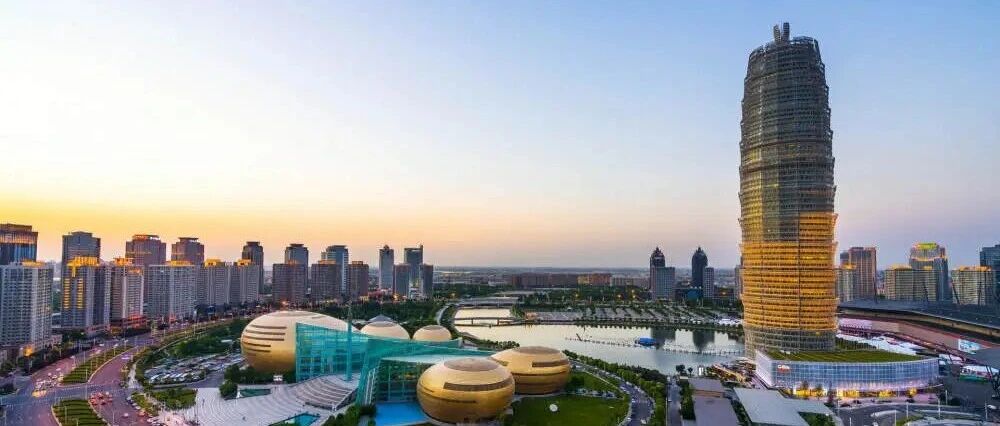
记者丨李果 编辑丨周上祺 11月21日,21世纪经济研究院发表 《商务部再选10城,深圳、杭州、西安、成都均入选,什么信号》 一文,对商务部消费促进 司、财政部经济建设司发布"国际化消费环境建设试点城市评选结果公示"进行解读。 除首批培育建设国际消费中心城市的5个城市:上海、北京、广州、重庆、天津,还有10座城市入选了这个名单:南京、杭州、厦 门、青岛、武汉、长沙、深圳、成都、昆明、西安。 在文中,我们提出了明确的观点: 如果有第二批国际消费中心城市培育计划,很有可能从这些城市中挑选。 该文发出后,引发了读者的热烈讨论,后台收到上百条留言,很多读者都在关心:在中部城市中,为什么长沙和武汉入围,郑州却 缺席了? 需要注意的是,郑州一直明确要创建国际消费中心城市,在2022年就出台了专门的文件《郑州市创建国际消费中心城市实施方 案》,其中明确提出:"到2025年,打造独具郑州特色的国际消费中心城市"。 但此次在同为中部城市的武汉、长沙双双入选,以及GDP低于郑州的西安、厦门、昆明等城市亦入选的背景下,郑州的缺席背后, 这座城市的国际化消费环境究竟弱在了哪里? 郑州 图/摄图网 一、到达性比较 境外游客到达国内城市 ...
经济观察|建设国际化消费环境 中国15城迎国家级试点
Zhong Guo Xin Wen Wang· 2025-11-25 02:40
Core Insights - China has announced national-level policy support for 15 cities in the "international consumption" sector, aiming to enhance their roles as international consumption centers [1][3] Group 1: Selected Cities and Their Economic Impact - The selected cities include Beijing, Shanghai, Guangzhou, Tianjin, and Chongqing, which have already been recognized as international consumption center cities since 2021 [1] - As of July this year, these five cities accounted for over 12.5% of the national retail sales of consumer goods and over 50% of the country's consumer goods imports [1] - The newly added cities, including Shenzhen and Chengdu, are also significant consumption hubs, with retail sales expected to exceed 1 trillion yuan in 2024 [1] Group 2: Characteristics of New Cities - Cities like Xi'an, Nanjing, Changsha, Wuhan, and Hangzhou are provincial capitals with strong economic growth and renowned tourist attractions, making them popular among international visitors [1] - Kunming, Qingdao, and Xiamen have distinct geographical advantages, with Kunming serving as a gateway to South and Southeast Asia, Qingdao being a major northern consumption city, and Xiamen having significant port and expatriate resources [2] Group 3: Development Strategies - Many cities have already proposed specific action plans to build international consumption centers, leveraging their unique industrial resources and cultural advantages [4] - For instance, Chongqing plans to focus on developing its night economy, with projections indicating that over 60% of its retail sales will occur at night in 2024 [4] - The Ministry of Finance and the Ministry of Commerce have outlined support for enhancing high-quality consumption supply, optimizing foreign payment services, and improving international service levels [4]
(经济观察)建设国际化消费环境 中国15城迎国家级试点
Zhong Guo Xin Wen Wang· 2025-11-24 12:07
Core Insights - China has announced national-level policy support for 15 cities in the field of "international consumption" [2] Group 1: Selected Cities and Their Characteristics - The Ministry of Commerce and the Ministry of Finance have published a list of 15 cities selected for the "International Consumption Environment Construction Pilot Cities" [2] - The selected cities include Beijing, Shanghai, Guangzhou, Tianjin, and Chongqing, which have been recognized as international consumption center cities since 2021 [2] - As of July this year, these five cities accounted for over one-eighth of the national total retail sales of consumer goods and over half of the country's consumer goods imports [2] - The newly added cities, such as Shenzhen and Chengdu, are also significant consumption cities, with retail sales expected to exceed 1 trillion yuan in 2024 [2] Group 2: Economic and Cultural Advantages - Cities like Xi'an, Nanjing, Changsha, Wuhan, and Hangzhou are provincial capitals with strong economic growth and renowned tourist attractions, making them popular among international visitors [2] - Kunming, Qingdao, and Xiamen possess distinct geographical advantages, with Kunming serving as a key gateway to South Asia and Southeast Asia [3] Group 3: Future Development and Strategies - The newly selected pilot cities are seen as potential "reserve forces" for future international consumption center city development [4] - Many cities have already proposed specific action plans to enhance their international consumption capabilities, leveraging unique local resources and cultural advantages [5] - The Ministry of Finance and the Ministry of Commerce have outlined future support for international consumption environment construction, focusing on enriching high-quality consumption supply, optimizing foreign payment services, and improving international service levels [5]
决胜“十四五” 打好收官战|从“网红流量”到“长红留量”——国际消费中心城市建设的“重庆实践”
Xin Hua She· 2025-11-22 00:42
Core Insights - Chongqing has transformed into a popular destination, attracting tourists with its unique architecture and culinary offerings, moving beyond traditional attractions like Hongya Cave and hotpot [1] - The city has been approved to develop as an international consumption center, with a projected retail sales total of 1.6 trillion yuan by 2024, marking a 35.4% increase from the end of the 13th Five-Year Plan [1] Group 1: Economic Development - Chongqing's international consumption center initiative aims to enhance market vitality and potential during the 14th Five-Year Plan [1] - The city has leveraged international trade routes to make global products more accessible, attracting both domestic and international tourists [1] Group 2: Consumer Experience - The city has improved the international consumer environment and services, implementing measures like "one-stop" entry for foreigners and immediate tax refunds for purchases [2] - Over 200 stores offer tax refund services, and the city has introduced more than 2,200 international and domestic brands [2] - The reopening of historical sites like the British Consulate has created multi-functional spaces that blend culture, consumption, and experience, attracting an average of 3,000 visitors daily [2] Group 3: Night Economy - Chongqing has developed diverse nighttime consumption areas, hosting events like the Night Economy Festival for five consecutive years, leading to over 60% of consumption occurring at night [3] - The city has been recognized as one of China's top ten cities for night economy influence for four years [3] - The integration of unique nighttime activities, such as drone light shows and local markets, has extended consumer engagement into late hours [3]
决胜“十四五” 打好收官战丨从“网红流量”到“长红留量”——国际消费中心城市建设的“重庆实践”
Xin Hua Wang· 2025-11-21 13:01
新华社重庆11月21日电 题:从"网红流量"到"长红留量"——国际消费中心城市建设的"重庆实践" 新华社记者李晓婷 冬日午后,位于重庆解放碑商圈的中英联络处旧址内飘出咖啡与茶的香味。江苏游客袁可欣坐在二楼露台,以一杯特色茶饮开启下午的旅 程。向外眺望,别具特色的百年法式建筑与热闹繁华的时尚商圈形成反差。 与多年前来到重庆看看洪崖洞、吃吃火锅不同,她发现,"如今的重庆多了不少值得细细品味的地方"。 近年来,重庆因建筑"奇观"、特色美食等走红网络,成为很多人的"必选打卡地"。但"网红"重庆很快意识到,要多措并举让"奇观"吸引的流 量变成"留量",反哺产业发展。 2021年,重庆获批开展国际消费中心城市培育建设,"十四五"期间,重庆以建设国际消费中心城市为抓手,消费市场活力与潜力全面激发。 2024年,重庆社零总额达1.6万亿元,较"十三五"末增长35.4%,提前完成了"十四五"的既定目标。 地处西部内陆,经济发展水平与东部沿海尚有差距,重庆建设国际消费中心城市亮点频出的秘诀在哪? 为进一步提升境内外游客消费便利度,重庆实施外国人入境口岸签"一网通办",试点离境退税"即买即退",离境退税商店超200家,累计引进 国 ...