
国际消费中心城市建设

Search documents
SKP落户广州
投资界· 2026-03-07 07:16
Core Viewpoint - The establishment of SKP in Guangzhou fills the gap in high-end luxury retail in South China and supports the city's goal of becoming an international consumption center [2][11]. Group 1: Project Overview - The land for the SKP store was acquired by Yuexiu Group for a record price of 23.6 billion yuan, marking the highest transaction for a single plot in Guangzhou since 2010 [3][4]. - The site, known as the "last treasure of Zhujiang New Town," covers approximately 194,500 square meters with a total construction area of 567,000 square meters, strategically located at the intersection of three major CBDs [3][4]. - The project is expected to contribute approximately 34.6 billion yuan to GDP annually, generate 4.5 billion yuan in new tax revenue, and create 60,000 jobs once operational [5]. Group 2: Strategic Partnership - The collaboration between Yuexiu Group and Beijing Hualian (SKP) involves a joint model where Yuexiu handles development and long-term holding, while SKP manages high-standard operations [4]. - This partnership has been in the works since August 2022, with both parties focusing on the project and conducting preliminary planning [4]. Group 3: Market Context - Guangzhou, with a GDP of 14.58 trillion yuan in 2025, is one of China's wealthiest provinces, yet it has lacked high-end commercial offerings compared to its economic capacity [11]. - The introduction of SKP will position Guangzhou as a key player in the luxury retail market, alongside existing high-end shopping centers like Taikoo Hui and K11 [11][12]. - The city aims to leverage its unique advantages as an international trade center and transportation hub to attract high-end consumers from the Greater Bay Area [11][12]. Group 4: SKP's Market Position - SKP is recognized as a leading platform in China's luxury retail sector, consistently ranking at the top in sales among department stores, with 2025 sales exceeding 24 billion yuan [8][10]. - The brand has established a reputation for rapid product turnover and a high concentration of luxury brands, making it a benchmark in high-end retail [8][9]. - SKP's expansion into Guangzhou marks its second entry into a first-tier city in China, following its success in Beijing [10][11].



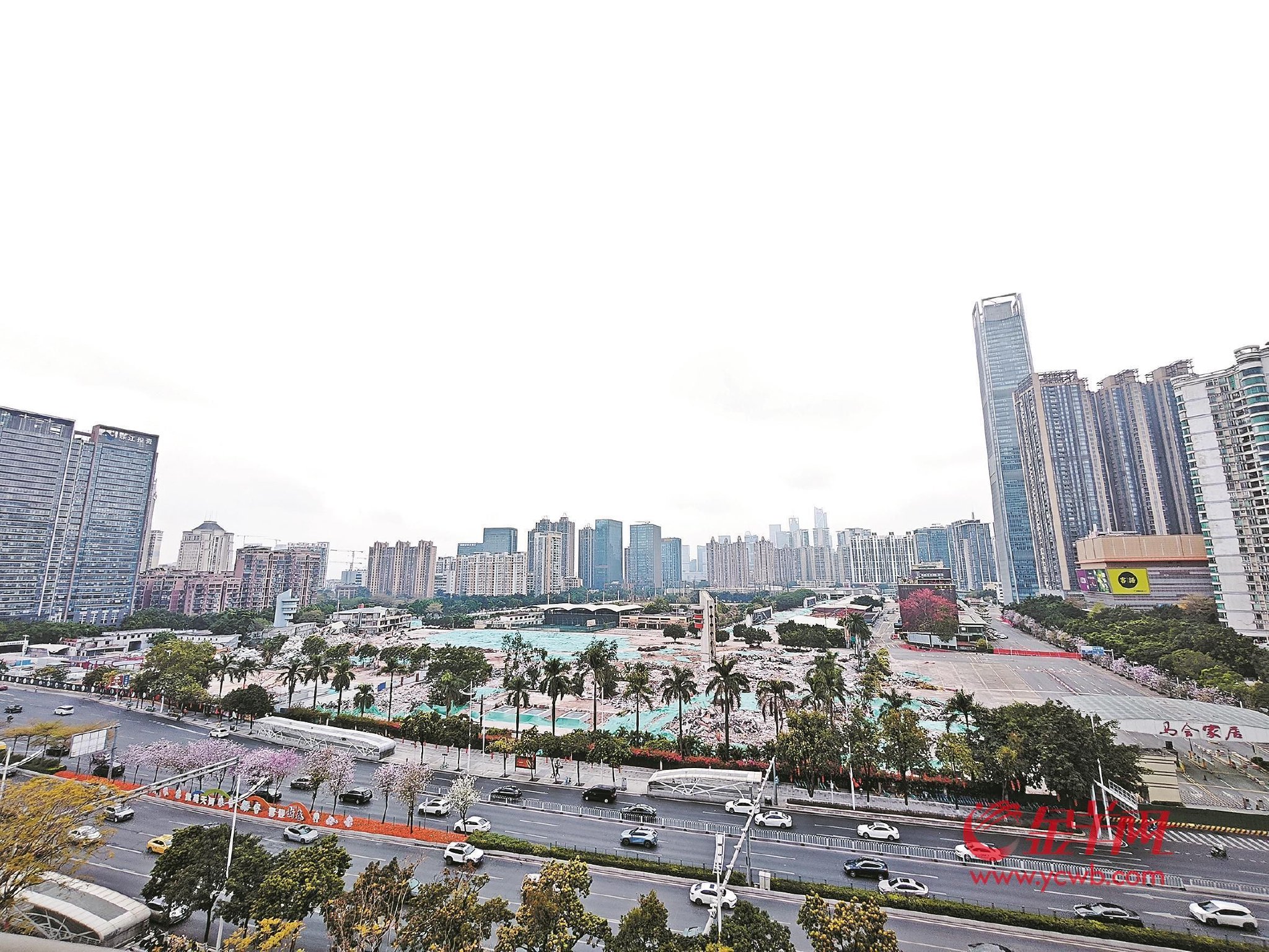
广州马场地块“秒动工” 25日拿地27日即开拆旧有建筑
Xin Lang Cai Jing· 2026-02-27 23:35
Core Insights - The Guangzhou Tianhe District's first phase of the horse racing ground was successfully sold to Yuexiu Property for approximately 23.6 billion yuan, marking a record-breaking land price of 85,500 yuan per square meter, the highest in history [3][4] - The total price of the land ranks second in Guangzhou's residential land transactions, only behind the 25.5 billion yuan Asian Games City plot [4] Group 1: Land Acquisition and Development - The land was sold on February 25 and construction began on February 27, indicating a rapid development timeline [3][4] - The site is currently undergoing demolition of old buildings, with most of the initial structures already removed [4] Group 2: Strategic Location and Historical Context - The horse racing ground is located in a prime area of Tianhe District, bordered by major roads and positioned at the geometric center of key business districts [5] - Historically, the site was home to the Guangzhou Racecourse, which ceased operations in 1999 and has since undergone various transformations, including becoming an automotive city [5][6] Group 3: Future Development Plans - The area is planned to be transformed into a "People's Cultural and Sports New Living Room · International Business Consumption Area," featuring a 23-kilometer "super green chain" and diverse commercial spaces [6] - The development aims to integrate high-end consumer experiences, including luxury retail, high-end hotels, and unique experiential commercial offerings, supporting Guangzhou's goal of becoming an international consumption center [6]
消费中心国际范
Sou Hu Cai Jing· 2026-02-26 08:30
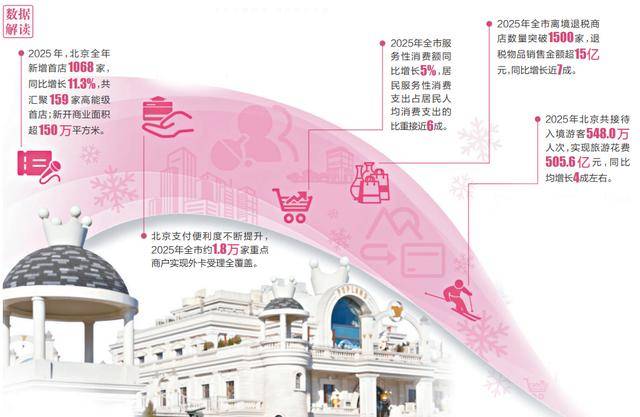
Group 1 - The core idea emphasizes the integration of cultural heritage with tourism and commerce, aiming to highlight regional cultural and natural resource values through a collaborative network [1] - The opening of the Bayli Wangfujing WellTown attracted over 3.3 million visitors and generated sales exceeding 300 million yuan in its first month, showcasing the vibrant development of Beijing's commercial landscape [3] - Beijing's commercial space has expanded by over 5 million square meters in the past five years, with key areas like Wangfujing and CBD being recognized among the top 30 world-class business districts by 2025 [3] Group 2 - The number of new flagship stores in Beijing is projected to exceed 1,000 by 2025, marking an 11.3% increase from 2024, with an average of three new stores opening daily [4] - The city's service consumption, including sports events and concerts, is experiencing significant growth, with "watching performances in Beijing" becoming a new trend [4] - In 2025, Beijing is expected to receive 390 million tourists, generating a total tourism expenditure of 715.93 billion yuan, reflecting a year-on-year growth of 4.8% and 6.5% respectively [5] Group 3 - The establishment of the ice and snow sports equipment industry park in Zhangjiakou is a result of the Beijing Winter Olympics, fostering collaboration among the Beijing-Tianjin-Hebei region [8] - The company COSONE, founded by a skiing enthusiast, has grown from a small team to nearly 80 employees, with annual revenue increasing from under 2 million yuan to over 10 million yuan in a few years [8] - COSONE has expanded its presence beyond Beijing, opening over 10 stores in various cities and signing contracts with more than 300 agents, achieving a revenue of over 40 million yuan last year [8]
扎台型 街头的“新春快乐”
Jie Fang Ri Bao· 2026-02-21 00:53
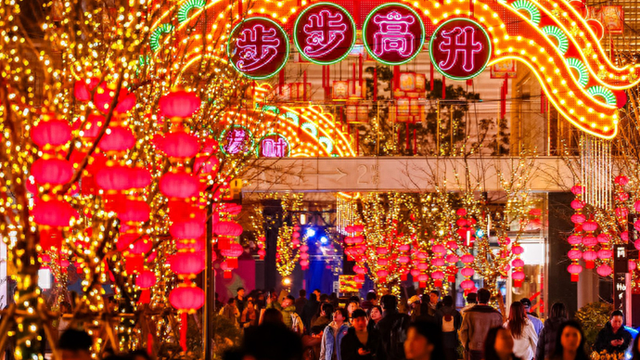
Group 1 - The core theme of the articles revolves around the unique ways businesses in Shanghai are enhancing the festive atmosphere for the Spring Festival, focusing on creating a memorable experience rather than just promotional activities [1][2][3] - Merchants are investing in creative decorations to attract customers, with specific examples such as the bakery "bebaked" reporting a 35% increase in foot traffic after implementing festive decorations [1] - The Spring Festival is viewed as an opportunity for businesses to showcase Chinese culture to foreign tourists, with shops designing special products and encouraging staff to engage with visitors in Chinese [2] Group 2 - The West Bund Dream Center has emerged as a new popular destination, utilizing vibrant neon elements to create a unique festive atmosphere, reflecting the competitive nature of commercial real estate in Shanghai [3] - The strategic importance of consumer culture in Shanghai is highlighted, as the city aims to enhance its status as an international consumption center, especially during significant events like the Spring Festival [3]
上海年味·漫笔⑪
Xin Lang Cai Jing· 2026-02-19 00:28
Core Viewpoint - The article discusses how various commercial areas in Shanghai are creatively enhancing their New Year decorations to attract customers and create a festive atmosphere, reflecting a blend of traditional culture and modern aesthetics [3][24]. Group 1: Commercial Strategies - Merchants in Shanghai's unique districts are investing in elaborate decorations to enhance their storefronts, aiming to create a distinctive identity and attract more customers during the New Year season [3][5]. - The new bakery "bebaked" on愚园路 invested 300,000 yuan in a visually striking decoration theme called "星野之驰," resulting in a 35% increase in weekend foot traffic compared to the previous year [9][10]. - The restaurant "Onita" on愚园路 opted for a more modest decoration budget of 3,000 yuan, focusing on creative yet economical designs to maintain a fresh appearance each season [12][13]. Group 2: Consumer Engagement - The festive decorations are not merely for promotional purposes; they aim to create a "value resonance space" that enhances the overall shopping experience and reflects the cultural significance of the New Year [13]. - Merchants on武康路 are also adapting their decorations to align with historical aesthetics while incorporating modern elements, such as using high-quality materials for a more refined look [15][17]. Group 3: Market Trends - The West Bund Dream Center has emerged as a new popular destination, attracting up to 100,000 visitors daily during holidays, showcasing a blend of commercial activities and cultural events [19][21]. - The article highlights the competitive nature of Shanghai's commercial real estate, where businesses are encouraged to innovate and attract consumers through unique and engaging experiences [24][30]. Group 4: Future Outlook - The ongoing development and revitalization of areas like徐家汇 indicate a potential for growth, with new projects expected to enhance the area's appeal and attract a diverse consumer base [28][30]. - The upcoming "新六百YOUNG" project is anticipated to serve as a catalyst for rejuvenating the徐家汇 area, potentially drawing in more visitors and enhancing the overall shopping experience [33].
青岛|新春促消费 青岛出实招
Da Zhong Ri Bao· 2026-02-18 01:21
Core Viewpoint - Qingdao is actively promoting its "Le Gou Qingdao" urban consumption brand to stimulate consumer spending during the Spring Festival, aiming to create a vibrant holiday atmosphere and enhance the city's status as an international consumption center [2][3][4] Group 1: Event Highlights - Qingdao is hosting various Spring Festival market activities in key commercial areas, featuring cultural performances, traditional crafts, and interactive experiences that blend modern and traditional elements [2] - The city is leveraging its natural resources and cultural heritage in Laoshan District to create unique tourism experiences, including immersive activities and traditional cultural showcases [2] - A total of 37 Spring Festival cultural tourism projects are being launched in scenic areas, encouraging visitors to engage with local traditions while enjoying the natural beauty [2] Group 2: Consumption Initiatives - The city is focusing on six major consumption sectors: food, accommodation, transportation, tourism, shopping, and entertainment, with innovative campaigns designed to enhance the overall consumer experience [3] - A series of ten themed events will take place from New Year's Eve to the Lantern Festival, each with unique focuses to attract consumers and stimulate spending [3] Group 3: Support Policies - Qingdao is increasing subsidies for trade-in programs during the Spring Festival, promoting sales in automotive, home appliances, and digital products [4] - The city is allocating 30 million yuan in automotive consumption subsidies and an additional 16 million yuan in consumption vouchers across various sectors to benefit residents and tourists [4] - A digital platform is being utilized to streamline access to various consumer experiences, ensuring a seamless experience for users [4]
孙志洋督导检查春节期间城市运行保障工作
Guang Zhou Ri Bao· 2026-02-14 01:39
Group 1 - The core message emphasizes the importance of safety and excitement during the Spring Festival celebrations in Guangzhou, with a focus on ensuring a smooth experience for citizens and tourists [2][3] - The Guangzhou Baiyun Station, as the largest TOD comprehensive transportation hub in the country, is preparing for a peak in passenger flow ahead of the festival, with measures in place to optimize service and enhance the travel experience [3] - The project at the Zhu Long Bay Taikoo Li is highlighted as the first waterfront Taikoo Li project in the country, attracting over 60 brands, with a significant portion being first stores in Guangzhou and the Greater Bay Area [2] Group 2 - The city government is committed to enhancing the integration of commercial, cultural, and tourism elements at the Zhu Long Bay Taikoo Li, aiming to create an international waterfront landmark [2] - There is a strong emphasis on the need for safety measures and emergency preparedness in light of the large number of visitors expected during the Spring Festival, with a call for all departments to maintain vigilance [3] - The city aims to transform passenger flow into consumer flow by leveraging the advantages of the transportation hub, promoting the development of an international medical and health consumption center and a fashion capital [3]
新华百货变身 北京二环商业上新
Bei Jing Shang Bao· 2026-02-11 16:21
Core Insights - The transformation of Xinhua Department Store into Ccmall represents a shift from a traditional retail model to a community service center, addressing the evolving consumer needs in Beijing's urban landscape [3] Group 1: Project Overview - Ccmall reopened on February 11, 2023, after being rebranded from Xinhua Department Store, which has been a commercial landmark in Beijing for 19 years [1] - The upgraded Ccmall features multiple themed areas such as "Light Island Forest," "Floating Island Secret Realm," and "Light Bathing Garden," aimed at enhancing the shopping and leisure experience [1] - The project has introduced over 100 brands including NIKE, Adidas, Huawei, and Xiaomi, covering various categories like daily necessities, electronics, and jewelry to meet local consumer demands [1] Group 2: Market Context - The upgrade of Ccmall is part of a broader trend of traditional department stores being revitalized to attract consumer attention, particularly in Beijing's second ring road [2] - The New Street area, where Ccmall is located, is a key commercial hub connecting several important districts, necessitating new commercial offerings to satisfy consumer needs [2] - The upgrade aligns with Beijing's "urban renewal" and "international consumption center" initiatives, making the enhancement of the New Street commercial area a critical focus [2] Group 3: Strategic Insights - Experts suggest that the commercial projects in Beijing's second ring should focus on elements such as scene creation, business types, culture, and convenience to balance traditional and modern consumer experiences [2] - The transformation aims to create a "15-minute convenient living circle" by reducing traditional retail space and increasing the presence of first stores, experiential offerings, and cultural activities [2] - The key to successful upgrades lies in breaking away from traditional business models while respecting the existing customer base, ensuring a smooth transition to a more diversified service offering [3]

新华百货变身Ccmall 北京二环商业上新
Bei Jing Shang Bao· 2026-02-11 10:07
Core Viewpoint - The transformation of Xinhua Department Store into Ccmall represents a shift from traditional retail to a multi-experience commercial space, addressing the insufficient commercial supply in the area and aiming for "breakthrough" growth through differentiation, cultural integration, and innovative experiences [1][6]. Group 1: Project Overview - Ccmall has undergone significant internal restructuring, introducing various themed areas such as "Light Forest," "Floating Island Secret Realm," and "Light Garden," enhancing the shopping experience [5]. - The project has attracted over a hundred brands, including NIKE, Adidas, Huawei, Xiaomi, and others, covering categories like daily necessities, electronics, and jewelry, catering to local consumer needs [5]. - More than 70 dining and entertainment brands have been introduced, with some being the first stores in Beijing or the Xicheng District [5]. Group 2: Market Context - The upgrade of Ccmall reflects a broader trend in Beijing's commercial landscape, where traditional department stores are being revitalized to attract consumer attention, particularly in the second ring road area [6][7]. - The New Street area is a key commercial hub in Beijing, connecting several important business districts, necessitating new commercial offerings to meet consumer demand [6]. Group 3: Strategic Insights - The upgrade aligns with Beijing's "urban renewal" and "international consumption center" initiatives, making the enhancement of the New Street commercial area a critical task [7]. - Experts suggest that commercial projects in the second ring should focus on elements like scene creation, business types, culture, and convenience, balancing traditional and modern retail experiences [7][8]. - The transformation from a "shopping venue" to a "community service center" is emphasized, with a focus on precise services for local residents and the integration of digital capabilities and experiential offerings [8].
四川省政协委员胡裕华:建议提升服务消费 深化成都国际消费中心城市建设
Zhong Guo Jing Ying Bao· 2026-02-06 07:55
Core Viewpoint - The Sichuan provincial government is focusing on boosting consumption as a key topic during the "Two Sessions," with specific actions outlined in the 2026 government work report to enhance traditional and new consumption, as well as service consumption [1] Group 1: Consumption Boosting Initiatives - The Sichuan government plans to implement special actions to stimulate consumption and increase urban and rural residents' income [1] - Chengdu aims to deepen its construction as an international consumption center city, with discussions on enhancing consumption scenarios including landmark shopping districts and unique cultural experiences [1] - Chengdu's retail sales of consumer goods exceeded 1 trillion yuan in 2023, making it the sixth city in China to reach this milestone, with a target of 1.1 trillion yuan by 2025 [2] Group 2: Service Consumption Development - The government report emphasizes the need to expand service consumption by tapping into potential areas such as transportation, housekeeping, and online audio-visual services [2] - Chengdu is accelerating the development of service consumption, focusing on integrating cultural, commercial, and tourism experiences, and promoting nighttime economy [2][3] Group 3: Enhancing the Value Chain - Recommendations include enhancing the service consumption value chain by focusing on high-value, experiential services, particularly in healthcare and professional services [3] - The development of "low-altitude economy" is suggested, with plans for low-altitude tourism and drone performances to create new consumption scenarios [3] Group 4: Optimizing Existing Commercial Spaces - There is a need to shift from "incremental construction" to "stock optimization" in Chengdu's commercial landscape, addressing the vitality of existing commercial entities [4] - Suggestions include transforming traditional commercial spaces into multi-functional areas that incorporate cultural and social experiences [4] Group 5: Global Consumption Hub - Chengdu is encouraged to transition from "buying globally" to "selling globally," aiming to establish itself as a global hub for consumer goods distribution and innovation [5] - The city should strengthen its role in promoting local products internationally and attract regional headquarters and R&D centers for brands [5][6] Group 6: New Retail Experiences - The promotion of a "front store, back warehouse" retail model is suggested to enhance consumer convenience and create a new benchmark for offline shopping [6] - Recommendations include establishing night markets featuring local cuisine to enrich the nighttime economy and enhance tourism appeal [6]