能源安全

Search documents
西气东输四线吐鲁番至中卫段贯通投产
Ke Ji Ri Bao· 2025-07-04 00:24
Group 1 - The successful commissioning of the Gansu-Ningxia section of the West-to-East Gas Pipeline Phase IV (Turpan-Zhongwei) is a key project under China's 14th Five-Year Plan for oil and gas development, enhancing the efficiency of international oil and gas resource allocation and ensuring energy security under open conditions [1] - The West-to-East Gas Pipeline Phase IV is a strategic energy corridor connecting Central Asia and China, with the Turpan-Zhongwei section being a core component, spanning 1,745 kilometers and accounting for over half of the total length [1][2] - The pipeline has a designed annual gas transmission capacity of 15 billion cubic meters, equivalent to replacing over 27 million tons of standard coal and reducing carbon emissions by approximately 50 million tons [1] Group 2 - The Gansu-Ningxia section of the pipeline is 1,162 kilometers long, starting from the Hongliu Compressor Station to the Zhongwei Liaison Station, and runs parallel to four other oil and gas pipelines, facing complex geological conditions and harsh natural environments [2] - The project has implemented technological, construction, and management innovations to address extreme weather and geological challenges, including the use of high-grade steel pipes and automated welding techniques, significantly improving construction efficiency and quality [2] - The West-to-East Gas Pipeline Phase IV will operate in conjunction with the second and third phases, enhancing the reliability and flexibility of the gas supply system, facilitating the transportation of gas from Central Asia and Xinjiang to key regions in China [3]
中金:能源安全需求或拉长LNG建设热潮
中金点睛· 2025-07-03 23:29
Core Viewpoint - Geopolitical conflicts and trade frictions are reshaping the global LNG trade chain, leading to increased energy security demands from major importing countries, which are diversifying their gas supply sources through investments in upstream and midstream assets, potentially extending the global LNG construction boom [1]. Group 1: Geopolitical Impact on LNG Trade - The recent geopolitical conflicts in the Middle East have heightened energy security considerations among buyers, prompting sellers to accelerate modernization efforts [1]. - The LNG supply from the Persian Gulf accounts for nearly 20% of the global total, and future buyer considerations for energy security in new project contracts are expected to increase [1][8]. - Japan, South Korea, and Europe are likely to increase imports of US LNG to reduce trade deficits and decrease reliance on Russian LNG [1][2]. Group 2: Supply and Demand Dynamics - Global LNG supply and demand may become more relaxed starting in 2026, with over 180 million tons per year of new LNG capacity expected to come online [2][22]. - More than 40% of the current LNG capacity under construction is in the Middle East, and the rising energy security demands may lead buyers to include non-Middle Eastern LNG in their resource pools [2][19]. - Countries like Argentina and Mozambique are expected to see increased investment in LNG to meet the energy security needs of buyers, including China [2][19]. Group 3: LNG Pricing Trends - Recent geopolitical tensions have caused significant fluctuations in LNG spot prices, with prices reaching $14.3/MMBtu before falling to $13.1/MMBtu as supply risks decreased [3][4]. - The average daily charter rates for LNG vessels have seen substantial increases, particularly in the Middle East, with rates rising by 139% in some cases [7]. Group 4: Future LNG Projects and Investments - Major LNG projects are underway, with significant expansions planned in Qatar and the UAE, aiming to enhance their LNG export capabilities [9][10]. - The North Field expansion in Qatar is projected to increase LNG export capacity by 84.4%, while the UAE's Ruwais LNG project aims to boost capacity from 580,000 tons per year to 1.56 million tons per year by 2028 [9][10]. - The US is expected to see a surge in LNG investment, with proposed projects potentially adding 186 million tons of capacity [28][30]. Group 5: Diversification of LNG Sources - China is likely to seek further diversification of its LNG sources to reduce dependence on single-export countries, with potential increases in imports from Canada, Africa, and Russia [24][28]. - India is also expected to enhance its LNG supply from regions like the US and Africa to mitigate reliance on Qatari LNG [24][28]. Group 6: Market Activity and Mergers - Recent mergers and acquisitions in the LNG sector indicate strong investor confidence in the industry's future, driven by energy security concerns [32][33]. - Notable transactions include Japan's Mitsubishi Corporation's $8 billion acquisition of Aethon Energy and ADNOC's $18.7 billion acquisition of Australia's Santos, reflecting a strategic push to secure upstream gas resources [33][34].

中企承建坦桑尼亚石油储罐项目进入主体施工阶段
Xin Hua Cai Jing· 2025-07-02 08:35
新华财经达累斯萨拉姆7月2日电(记者华洪立)记者从中铁大桥局获悉,由其承建的坦桑尼亚达港码头 石油储罐设计与建造工程项目首个储罐承台于6月底顺利完成整体浇筑,标志着该国家级能源重点工程 正式进入主体结构施工阶段。 据项目负责人介绍,此次浇筑的圆形承台直径达42.4米,采用分区分层连续浇筑工艺,动用2台天泵同 步作业,24小时内完成1608立方米混凝土浇筑。与常见的矩形结构相比,圆形承台需同时考虑环向与放 射向受力,钢筋排布计算复杂、放点定位难度高,施工中所使用的钢筋多达594种不同长度,对钢筋加 工精度和现场绑扎工艺提出更高要求。 负责人告诉记者,为确保质量,项目团队攻坚克难,采用"以直代曲"的模板安装方式,在钢筋密集、配 筋率高等条件下高质量完成施工任务。承台施工周期为15天,现场作业人员中约90%为当地工人,涵盖 钢筋工、电焊工、木工、设备司机等多个工种。 该项目位于达累斯萨拉姆市库拉西尼罐区,距离中方承建的尼雷尔大桥约5.1公里,由坦桑尼亚港务局 投资建设。工程总设计容量37.8万立方米,涵盖15个储油罐及配套管道、消防、电气仪表、给排水等系 统施工,其中还包括约5.5公里的长输管线及跨海管道建设。 负 ...
石油大逃亡!伊朗日均狂运233万桶原油,中伊铁路改写能源规则
Sou Hu Cai Jing· 2025-06-28 12:23
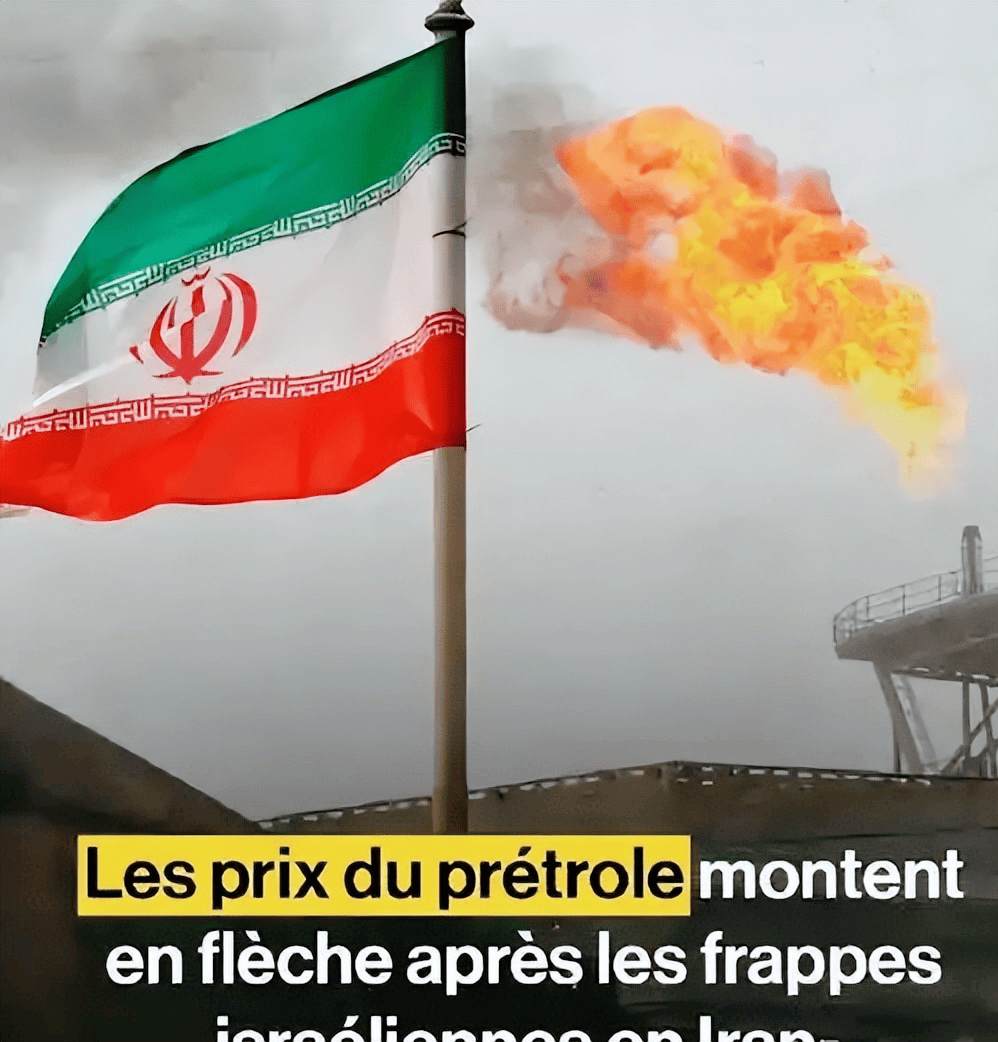
Group 1 - Iran is exporting oil at a record pace, averaging 2.33 million barrels per day, which is a historical high [1][9] - The oil transportation strategy includes a "run after loading" tactic, where tankers quickly depart after loading oil to avoid missile attacks [3] - Iran has established a "ghost transportation network" with 28 Chinese VLCC tankers rerouting to Oman Bay, effectively evading US military surveillance [1][3] Group 2 - Iran is now conducting oil transactions in RMB instead of USD, with nearly half of its oil sales settled in RMB, which strengthens its economic ties with China [5] - The "friendship price" offered by Iran is 8%-12% lower than international market prices, making it attractive for Chinese buyers [5] - China has invested significantly in Iran's energy sector, including a $30 billion stake in the Rainbow Oilfield and an additional $16 billion in natural gas projects [5] Group 3 - 90% of Iran's oil exports depend on the Kharg Island, making it vulnerable; any attack on this location could lead to economic collapse [7] - The land transportation routes for oil are extremely challenging due to geographical obstacles, making it difficult to establish direct connections to China [7] - Iran's domestic issues include a youth unemployment rate exceeding 27%, highlighting the economic strain despite its oil export activities [9]
风电光伏火了之后,下一个“能源主角”悄然登场
Sou Hu Cai Jing· 2025-06-27 08:22
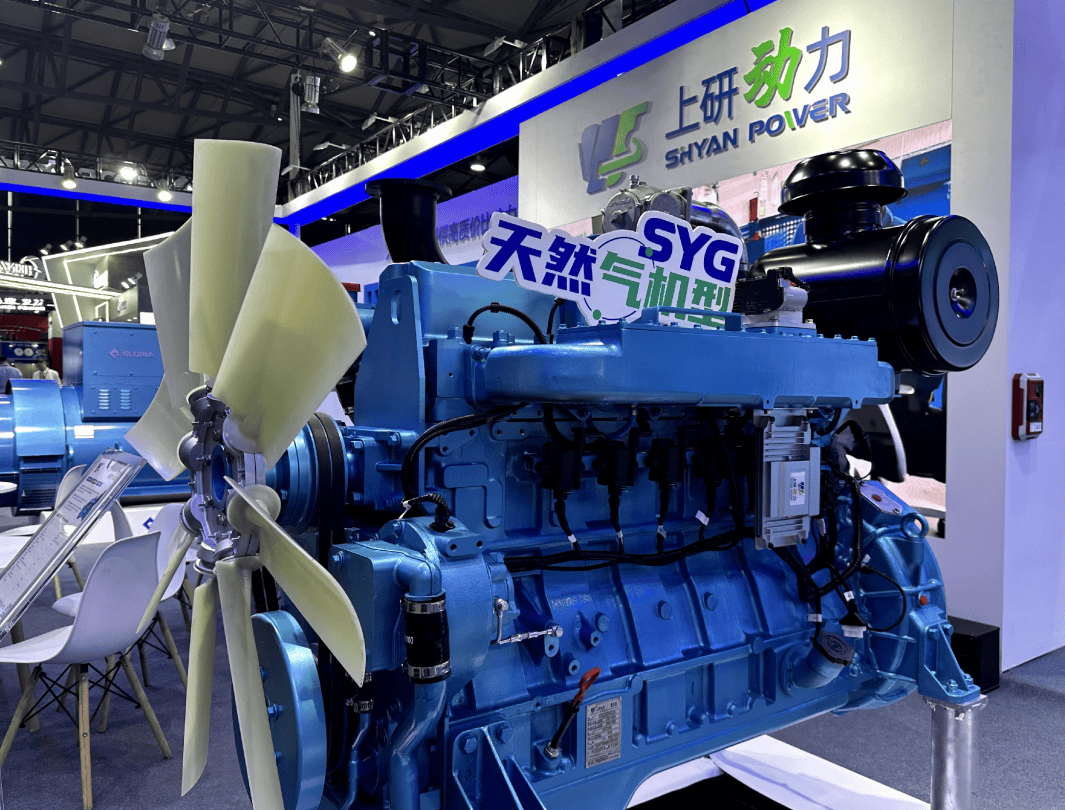
如果你最近留意能源相关的新闻,会发现很多关键词都很"高大上":风电、光伏、氢能、储能、光储充……但在这些喧嚣的热词背后,有一样东西正在 悄悄走进我们的生活,甚至直接影响你所在的工厂、医院、数据中心——燃气机。 听起来是不是有点陌生?或者觉得它是"老掉牙的东西"?但现实是,燃气机正成为很多城市和工业区不可或缺的一部分。 它不是主角,但谁都离不开它 简单说,燃气机就是"烧天然气发电"的设备。过去,它多出现在公交车、备用电站或者乡村小型发电系统中。但现在,它被越来越多地用在"关键场 合": 数据中心:不能断电,燃气机是稳定供能的"底牌"; 医院、高端小区:燃气机联合供热供电,稳定又环保; 工业园区:白天靠光伏,晚上靠燃气机顶上,确保不停产; 农业和垃圾处理场:废气(比如沼气)能转成电,环保又实用。 在很多地方,它就像是"幕后英雄",不像风电光伏那么抢眼,却稳定、灵活、关键——就像是能源系统中的"中场核心"。 为什么是现在火起来? 当我们谈中国制造、谈能源安全、谈新工业体系的时候,也许更应该把目光放在这种"不高调但很重要"的产业上。 低调的中国制造,在这条路上开始加速了 以前,中国的高端燃气机主要靠进口。但近几年,一 ...
韩私营油企欲担能源安全重任
Zhong Guo Hua Gong Bao· 2025-06-27 02:26
中化新网讯 韩国油气行业分析师近日表示,在韩国国家石油公司(KNOC)深陷巨额债务之际,韩国领先 的私营炼油商SK创新计划在未来十年内扩大其在亚洲地区的上游业务,率先承担起确保韩国原油供应 安全计划的重任。 韩国是亚洲第三大、全球第四大原油进口国,其炼油原料几乎完全依赖进口。该国易受任何扰乱原油供 应和贸易流动的重大地缘政治问题影响,同时油价波动显著影响整体贸易平衡。韩国油气分析师们表 示,由于KNOC在一系列油气上游业务表现不佳后陷入财务困境,韩国私营油企理应主导国家的能源安 全行动。韩国两家主要炼油商的原料经理、产品销售高管及三家证券公司的分析师们表示,私营石油公 司的上游项目投资和运营决策完全基于可行性、盈利能力、社会经济和环境评估,而非政治动机,这对 于保障韩国能源安全十分重要。 目前,SK创新在8个国家参与14个油气上游项目,产量为5.8万桶/日原油当量。韩国首尔一家本地证券 公司的石油和炼油行业分析师表示:"可以肯定的是,像SK Earthon这样的私营企业的油气项目成功率 要比KNOC高得多。" 目前,KNOC正在进行资本减值程序。截至2024年,这家国营石油勘探公司的总资产约为18.2294万 ...
西气东输四线全线贯通投产
Xin Hua Wang· 2025-06-26 01:37
Core Points - The successful commissioning of the Ganning section of the West-to-East Gas Pipeline Phase IV marks a significant milestone in enhancing China's energy security and international oil and gas resource allocation efficiency [1] - The pipeline has an annual gas transmission capacity of 15 billion cubic meters, equivalent to replacing over 27 million tons of standard coal and reducing carbon emissions by approximately 50 million tons [1] - The total gas transmission capacity of the West-to-East Gas Pipeline system will reach "100 billion cubic meters," significantly improving the cross-regional allocation capability of natural gas [1] Group 1 - The West-to-East Gas Pipeline Phase IV is a strategic energy corridor connecting Central Asia and China, following the previous three phases [1] - The Ganning section of the pipeline is 1,162 kilometers long and runs through complex geological conditions and harsh natural environments, including a national nature reserve [1] - The pipeline's construction faced multiple challenges due to the fragile ecosystem and the presence of various protected species along its route [1] Group 2 - After the full commissioning of Phase IV, it will operate in conjunction with Phase II and III, enhancing the reliability and flexibility of China's natural gas transmission system [2] - The pipeline will facilitate the transportation of more gas from Central Asia, Tarim Basin, and coal-to-gas projects in Xinjiang to the Bohai Rim, central, and southeastern coastal regions [2] - This development is expected to have a profound impact on optimizing regional energy structure, improving air quality, and promoting high-quality economic and social development along the pipeline [2]
美国石油对中国出口暴跌90%后,特朗普喊话:希望中国买美油!
Sou Hu Cai Jing· 2025-06-25 13:07
Core Viewpoint - China has significantly reduced its oil imports from the United States, dropping by 90%, while increasing imports from other countries like Canada, Russia, and the Middle East [5][7]. Group 1: Import Trends - As of March 2025, China's oil imports from the U.S. have plummeted to approximately 3 million barrels per month, a drastic decline from a peak of 29 million barrels [5]. - In contrast, imports from Canada have surged to a record 7.3 million barrels per month during the same period [5]. Group 2: Reasons for Reduced Imports - Economic Cost: U.S. oil is less competitive due to high tariffs and transportation costs, while oil from Russia can be transported via pipeline and settled in RMB [5]. - Energy Security: China is diversifying its energy imports to reduce reliance on any single country, with U.S. energy imports expected to account for only one-third of its commitments by 2025 [5]. - Political Retaliation: In response to U.S. tariffs, China has reduced energy purchases from the U.S. and expanded cooperation with other oil-producing nations such as Saudi Arabia and Brazil [7].
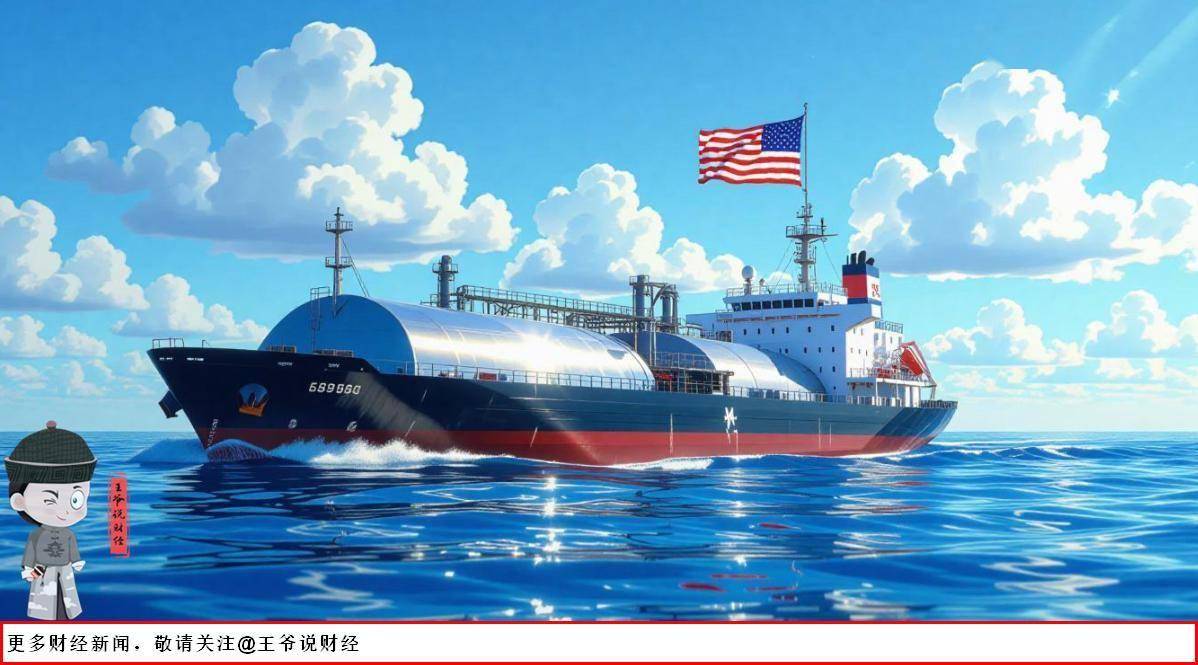
伊朗议会批准封锁霍尔木兹海峡,全球油价面临150美元冲击
Sou Hu Cai Jing· 2025-06-25 11:57
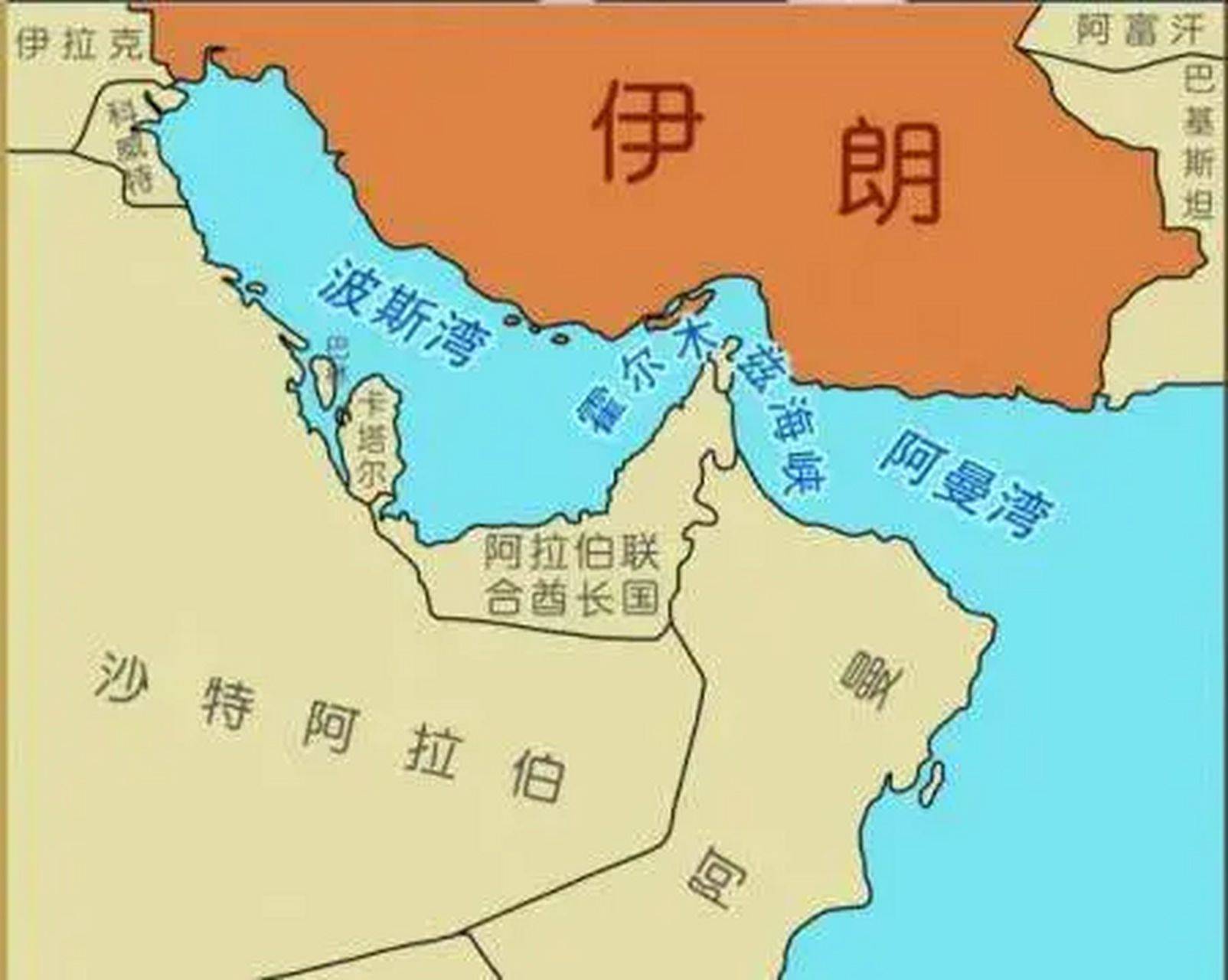
伊朗议会于6月22日投票批准一项决议,授权在"必要情况下"关闭霍尔木兹海峡,最终决定权被移交至伊朗最高国家安全委员会及最高领袖哈梅 内伊手中。尽管全面封锁尚未成为现实,但这一动作已足够让全球能源市场神经紧绷。 最窄处仅33公里的霍尔木兹海峡,是波斯湾通往印度洋的唯一水道。 这里每日输送约2100万桶原油及精炼油品,占全球石油消费量的20%,同时承担全球20% 的液化天然气(LNG)出口,其中卡塔尔和阿联酋的LNG几乎全 部依赖此通道。 若海峡完全中断,全球石油供应将锐减1800万桶/日,相当于全球消费量的近20%。 这一冲击远超历史纪录——2019年沙特遇袭导致的570万桶/日中断、1979年伊朗革命引发的560万桶/日断供,在此面前都相形见绌。 航运市场已率先反应:超大型油轮(VLCC)从波斯湾到中国的日租金在10天内从不足2万美元飙升至4.8万美元,涨幅超140%。若绕行好望角,航程将增加 7000公里,运输成本再涨40%。 美国消费者将首当其冲。若油价升至130美元,汽油零售价可能突破4.50美元/加仑,加州等地甚至逼近6美元。油价每上涨10美元,美国通胀率就将增加0.3- 0.4个百分点,挤压美联储政 ...