
共同富裕

Search documents
城市24小时 | 浙江这场重磅会议,为何选在“第三城”?
Mei Ri Jing Ji Xin Wen· 2025-10-15 02:45
Group 1 - The core focus of the recent urban work meetings in provinces like Shandong, Yunnan, and Zhejiang is to plan new urban development strategies, with Zhejiang specifically choosing Wenzhou as the meeting location to emphasize its role as a third economic pole in the province [1][2] - Wenzhou aims to achieve a GDP target of 1 trillion yuan and is tasked with becoming a significant commercial city and regional center, enhancing its urban appeal and functionality through initiatives like the "Strong City Action" [2][3] - The Zhejiang provincial government emphasizes the importance of quality urban development, innovation-driven growth, and the integration of industry, city, and people in its urban renewal efforts [2][3] Group 2 - The establishment of the first cross-provincial fiscal and tax sharing fund in the Yangtze River Delta aims to promote green and technological innovation, with an initial scale of 500 million yuan [5] - The launch of a national standard for livable cities aims to enhance urban planning and management, focusing on environmental, social, economic, cultural, governance, and infrastructure dimensions [9][10] - The release of the first comprehensive urban development index report highlights the strong performance of cities like Beijing, Shenzhen, and Shanghai in sustainable development, with a focus on innovation and livability [13][14][15]
“建德师傅”一站式助力“技能致富”
Hang Zhou Ri Bao· 2025-10-15 02:27
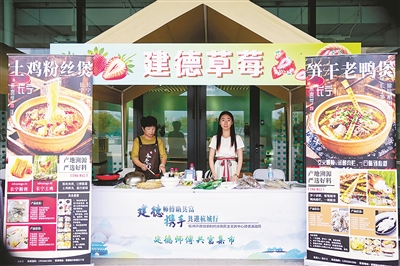
Group 1 - The "Jiande Master" one-stop incubation system project has been officially launched, marking a comprehensive upgrade in talent cultivation, service efficiency, and industrial driving capacity to support common prosperity [2] - The project integrates three main functions: skills, industry, and brand, and introduces a "five-step incubation" model that includes standard setting, skill training, rigorous assessment, practical training, and entrepreneurial support [2] - The project aims to train over 10,000 individuals annually through a network of public training bases and institutions, establishing a "30-minute vocational training circle" [2] Group 2 - The "Jiande Master" brand encompasses various skilled professions, including strawberry masters, tofu masters, and home service providers, with a total of 42,000 trained masters and 112,000 jobs created, generating an industrial chain output value of 11.3 billion [3] - The one-stop incubation base is equipped with specialized training classrooms and employment service centers, allowing students to complete the entire process from skill learning to employment without needing to travel [3] - The project is expected to incubate over 4,000 employment positions annually, with a target of increasing annual income by over 20% for participants [3] Group 3 - Success stories of "Jiande Masters" illustrate the transformative power of skills, with examples of individuals who have developed into chain brands and led community agricultural initiatives [4] - The initiative aims to expand the "Jiande Master" brand from a regional to a national level, contributing to urban-rural integration and common prosperity [4]

第一学习 | 习近平总书记这样谈全体人民共同富裕的现代化
Xin Hua She· 2025-10-14 02:40
中华优秀传统文化中蕴含许多关于共同富裕的思想精华,反映人们对合理分配社会财富的渴望,以 及对祥和安定生活的期许,深刻影响中国历史进程,也为今天扎实推动共同富裕提供了丰富的智慧源 泉。 中国共产党立足国情、世情、民情,根据时代要求,不断推进理论创新,实现了共同富裕思想的创 新性发展。 提出"全体人民共同富裕"是中国的伟大创举,这既是中国共产党先进性的充分体现,也是以人民为 中心的发展思想的充分体现。 在习近平新时代中国特色社会主义思想的科学指引下,我国打赢脱贫攻坚战,历史性地解决了绝对 贫困问题,全面建成小康社会,为促进共同富裕创造了良好条件。 文 | 范为 党的二十届三中全会审议通过的《中共中央关于进一步全面深化改革、推进中国式现代化的决定》 指出,推动人的全面发展、全体人民共同富裕取得更为明显的实质性进展。 "中国式现代化是全体人民共同富裕的现代化。"习近平总书记指出,我们坚持把实现人民对美好生 活的向往作为现代化建设的出发点和落脚点,着力维护和促进社会公平正义,着力促进全体人民共同富 裕,坚决防止两极分化。 将推动全体人民共同富裕作为进一步全面深化改革、推进中国式现代化的一项重要任务进行安排部 署,充分体 ...
习近平:中国式现代化新征程上 每一位妇女都是主角
Yang Shi Xin Wen· 2025-10-13 12:31
Core Points - The speech by President Xi Jinping emphasizes the significant role of women in China's economic and social development, highlighting that women account for over 40% of the total workforce [2] - In the internet sector, female entrepreneurs represent more than half of the total [2] - Over 60% of the medal winners in the last four Summer Olympics were women, showcasing their achievements in sports [2] - Chinese women are actively participating in national and social governance, contributing to rural revitalization, common prosperity, technological innovation, and digital transformation [2] - The narrative positions every woman as a key player in the new journey of Chinese modernization [2]

在“浙”看到未来乡村(“融”观中国)
Ren Min Ri Bao Hai Wai Ban· 2025-10-13 04:29
Core Insights - The article discusses the transformation of rural areas in Zhejiang Province through digitalization, enhancing agricultural efficiency and improving living standards for residents [7][10]. Group 1: Digital Agriculture - The implementation of smart sensors and digital platforms in agriculture allows for real-time monitoring and management of crops, leading to increased productivity and efficiency [8][9]. - The "shared vegetable garden" initiative enables citizens to pay for and monitor a 15-square-meter plot of land, generating over 5 million yuan in income from 200 households by the end of 2024 [8][9]. - The collective economic income of Yong'an Village increased from 730,000 yuan in 2019 to 6.09 million yuan in 2024, with 215,000 visitors contributing to a total revenue of 10.75 million yuan from agricultural tourism [9]. Group 2: Smart Waste Management - The introduction of smart garbage trucks in Wusi Village allows for real-time tracking of waste collection, achieving a 95% accuracy rate in waste classification [12][13]. - A digital governance platform integrates data from various sectors, improving the efficiency of environmental management and reducing response times for issues from five days to three hours [12][13]. Group 3: Health and Wellness Innovations - The establishment of smart health stations in villages provides residents with access to medical services, including remote consultations and health monitoring through wearable devices [15][16]. - The smart wristbands distributed to elderly residents can monitor vital signs and send alerts in emergencies, enhancing the safety and health management of the aging population [16][17]. Group 4: Future Developments - Zhejiang Province plans to build 1,000 digital agricultural factories and 100 future farms by the end of 2027, positioning digital economy as a key driver for rural economic development [10][14].
浙江:到2030年基本建成现代化人民城市
Zhong Guo Xin Wen Wang· 2025-10-12 12:44
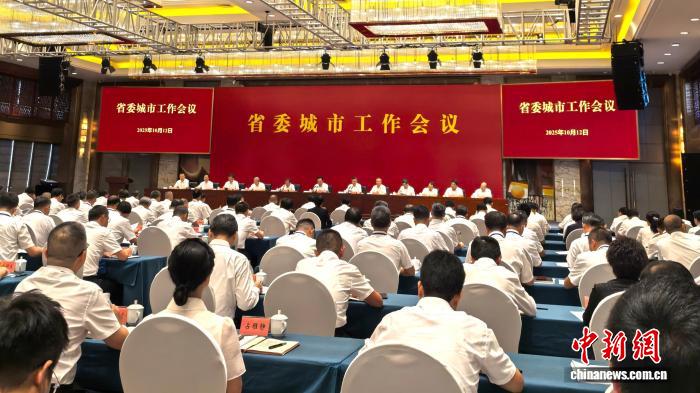
Core Points - The Zhejiang Provincial Urban Work Conference outlined goals for urban modernization, aiming to establish a modernized people's city by 2030 and fully realize it by 2035 [1][5] - The urbanization rate in Zhejiang has reached 75.5%, with a per capita GDP of 135,600 yuan, and significant housing projects benefiting 13 million people [1][3] Group 1: Urban Development Strategy - Zhejiang is transitioning from large-scale expansion to quality enhancement in urban development, focusing on high-quality growth and common prosperity [3][4] - The province will implement 24 key tasks across seven areas, including urban system optimization, quality improvement, and deepening reforms [3][4] Group 2: Infrastructure and Integration - The province aims to enhance urban-rural integration by addressing the "three major gaps" and implementing six major integrated projects for water supply, sewage, and energy [3][4] - By 2027, the goal is to achieve full coverage of integrated water supply and sewage treatment in surrounding villages, with a 90% rate for unified delivery of liquefied gas [3][4] Group 3: Innovation and Economic Development - Zhejiang plans to foster an innovative ecosystem and enhance urban development momentum, targeting a 12.5% contribution of the digital economy core industries to GDP by 2027 [4] - The province aims to establish a comprehensive housing supply system to meet both rigid and improvement housing demands, with over 1,600 future communities planned [4]
叶永青:工薪阶层个税税负仍然偏高
经济观察报· 2025-10-11 09:52
Core Viewpoint - The article emphasizes the increasing importance of individual income tax (IIT) reform in China, particularly in the context of promoting common prosperity and stimulating economic growth through enhanced consumer spending [3][4][5]. Summary by Sections Tax System and Reform Proposals - The Chinese government has been urged to reform the individual income tax system, including raising the tax threshold and optimizing tax rates, to better reflect the economic realities and address income disparities [2][5]. - The current tax system has a maximum marginal tax rate of 45% for labor income, while capital gains are generally taxed at a lower rate of 20%, indicating a disparity in tax treatment [4][9]. Economic and Social Implications - The reform of individual income tax is seen as crucial for reducing the tax burden on middle and low-income groups, thereby increasing disposable income and stimulating consumption [3][5]. - The article highlights that the adjustment of the tax threshold has not kept pace with rising living costs, particularly in major cities, leading to ongoing calls for reform [5][12]. Tax Administration Challenges - The complexity of high-net-worth individuals' asset configurations poses challenges for tax administration, as their income sources are diverse and often difficult to monitor [4][9]. - The current tax system is criticized for being overly reliant on labor income, which may not adequately address the growing diversity of income sources in the modern economy [13][19]. Future Directions for Tax Reform - Future reforms should focus on expanding the scope of taxable income, optimizing tax rate structures, and implementing a dynamic adjustment mechanism linked to consumer price indices and median wages [17][18]. - The article suggests exploring family-based tax reporting to better reflect the economic burdens of households, which could enhance horizontal equity in the tax system [17][18]. Conclusion - The ultimate goal of individual income tax reform is to create a more progressive, precise, and equitable tax system that effectively addresses income distribution and promotes social justice [18][19].
叶永青:个税税负对工薪阶层仍然偏高
Jing Ji Guan Cha Bao· 2025-10-11 09:45
Core Viewpoint - The ongoing discussions around personal income tax (PIT) reform in China highlight the need for adjustments to the tax system to better align with economic realities and social equity goals, particularly in the context of promoting common prosperity and stimulating domestic consumption [2][3][4]. Group 1: Importance of PIT Reform - PIT reform is increasingly seen as essential for addressing income distribution and enhancing economic growth, especially in light of rising living costs and inflation [2][3]. - The current tax burden on the working class is perceived as high, necessitating a review of the tax threshold to stimulate consumption and increase disposable income for middle and low-income groups [2][3][4]. Group 2: Structural Issues in Current Tax System - The existing tax system shows a significant imbalance between labor income and capital income taxation, with labor income facing a maximum marginal tax rate of 45% compared to a flat 20% for capital gains [10][14]. - The complexity of high-net-worth individuals' asset configurations poses challenges for effective tax administration, as their income sources are diverse and often cross-border [10][14]. Group 3: Social Equity and Taxation - The calls for PIT reform reflect deeper societal demands for economic fairness and modernization of the tax system, emphasizing the need for a more equitable distribution of tax burdens [3][4][9]. - The current fixed deduction standards do not adequately account for regional differences and inflation effects, leading to persistent calls for adjustments [3][4]. Group 4: Future Directions for PIT Reform - Future reforms should focus on expanding the scope of comprehensive income, optimizing tax rate structures, and implementing dynamic adjustments linked to consumer price indices and median wages [20][21]. - The introduction of a family-based tax filing system could enhance horizontal equity by better reflecting the actual financial burdens faced by households [20][21]. Group 5: Challenges and Opportunities - The current PIT system's reliance on a "salary tax" model does not adequately address the diverse income sources and employment forms in the modern economy, necessitating a shift towards a more inclusive tax framework [14][15]. - The establishment of a dynamic adjustment mechanism for tax thresholds linked to economic indicators could enhance fairness and efficiency in the tax system [17][18].
理论“滴灌”润乡野,“三化”路径育心田丨广东文明乡风建设成效观察①
Nan Fang Nong Cun Bao· 2025-10-11 07:06
Core Viewpoint - The article discusses the effective implementation of the "civilized countryside" initiative in Guangdong, emphasizing the integration of innovative theories into rural revitalization efforts, which has led to significant community engagement and practical benefits for villagers [1][5][96]. Group 1: Theoretical Framework and Implementation - Under the guidance of the Guangdong Provincial Civilization Office, various institutions have formed research teams to systematically analyze the practices and outcomes of the civilized countryside initiative [2][3]. - The initiative focuses on promoting the Party's innovative theories as a core aspect of rural revitalization, breaking away from traditional one-way communication methods to a more integrated and localized approach [6][8]. - The strategy includes a multi-faceted communication system that ensures the innovative theories are effectively disseminated and resonate with the local population [12][13]. Group 2: Community Engagement and Governance - The "Party building grid" model has been established to enhance theoretical communication and grassroots governance, creating a four-tier network that connects Party members with villagers [17][19]. - In 2023, the implementation of this model in a village led to the resolution of over 120 urgent issues for villagers, demonstrating the practical impact of the initiative [20][22]. - Similar practices have been adopted across Guangdong, where local governance is closely tied to community needs, transforming theoretical concepts into tangible actions [23][25]. Group 3: Digital Empowerment and Accessibility - Guangdong has leveraged digital tools to enhance the effectiveness of theoretical communication, transforming local service centers into platforms for community engagement [26][28]. - The use of digital platforms has significantly reduced the time villagers spend on administrative tasks, enhancing their perception of government services [29][31]. - Innovative content delivery methods, such as animated videos explaining local economic benefits, have increased engagement and understanding among villagers [32]. Group 4: Cultural Integration and Local Practices - The initiative incorporates local cultural elements and customs into theoretical dissemination, making the learning process more relatable and engaging for villagers [33][34]. - Various community events and informal gatherings have been utilized as platforms for theory sharing, fostering a sense of belonging and collective identity among villagers [39][41]. - The integration of traditional cultural forms, such as local songs and storytelling, has proven effective in conveying modern theories in a familiar context [44][46]. Group 5: Practical Outcomes and Community Development - The initiative has led to the embedding of innovative theories into local regulations and community practices, ensuring that theoretical concepts translate into actionable guidelines [51][53]. - A points-based management system has been introduced in some villages, linking community behavior to tangible rewards, thereby promoting civic responsibility and engagement [55][66]. - The overall participation in community affairs has increased significantly, with a notable rise in villagers' involvement in governance and local development initiatives [68][90]. Group 6: Value Recognition and Community Sentiment - The initiative has fostered a shift in villagers' perceptions, transforming the Party's innovative theories from abstract concepts to practical benefits that enhance their daily lives [81][83]. - Villagers have increasingly taken on active roles in community development, reflecting a growing awareness of their contributions to collective prosperity [88][92]. - The successful implementation of these strategies has positioned the Party's innovative theories as a unifying force in rural areas, driving both social cohesion and economic development [95][96].

富口袋更要富脑袋
Jing Ji Ri Bao· 2025-10-11 00:42
Group 1 - The core viewpoint of the articles emphasizes the transformation of Bapan Village from a deeply impoverished area to a popular tourist destination, showcasing the successful implementation of rural revitalization strategies and the importance of external support and internal efforts [1][3]. - Bapan Village's population increased from 109 at the end of 2023 to over 400, with tourism revenue exceeding 10 million yuan in 2024 and over 100 new businesses established, including homestays and paddleboard clubs [1]. - The village's development serves as a model for rural revitalization, highlighting the need for balanced urban-rural development and the importance of improving rural living conditions and increasing farmers' incomes [1][2]. Group 2 - Comprehensive rural revitalization is a systematic project that involves various aspects such as politics, economy, culture, society, ecology, and party building, requiring a holistic approach to advance related work [2]. - It is essential to leverage advantages to develop industries while addressing shortcomings in services, focusing on creating distinctive rural industries and upgrading agricultural processing [2]. - The need for external support is acknowledged, but it is equally important for rural areas to enhance their internal capabilities and resilience for sustainable development [2][3].