
多边主义

Search documents
马克龙抵达北京
Zhong Guo Ji Jin Bao· 2025-12-03 11:07
今天(3日)下午,法国总统马克龙乘机抵达北京首都国际机场,开启为期三天的访华之行。这是他第 四次对中国进行国事访问,也是对去年中法建交60周年之际中国领导人对法国进行历史性国事访问的回 访。 (原标题:马克龙抵达北京) 法国是首个同新中国建立大使级外交关系的西方大国,中法两国同为安理会常任理事国。各方期待马克 龙此访将推动中法全面战略伙伴关系迈上新台阶,为维护多边主义、改革完善全球治理注入新动力。 来源:央视新闻 党中央决定,钟国东职务调整 ...
马克龙抵达北京
中国基金报· 2025-12-03 10:21
党中央决定,钟国 来源:央视新闻 今天(3日)下午,法国总统马克龙乘机抵达北京首都国际机场,开启为期三天的访华之行。 这是他第四次对中国进行国事访问,也是对去年中法建交60周年之际中国领导人对法国进行 历史性国事访问的回访。 法国是首个同新中国建立大使级外交关系的西方大国,中法两国同为安理会常任理事国。各 方期待马克龙此访将推动中法全面战略伙伴关系迈上新台阶,为维护多边主义、改革完善全 球治理注入新动力。 东职务调整 ...

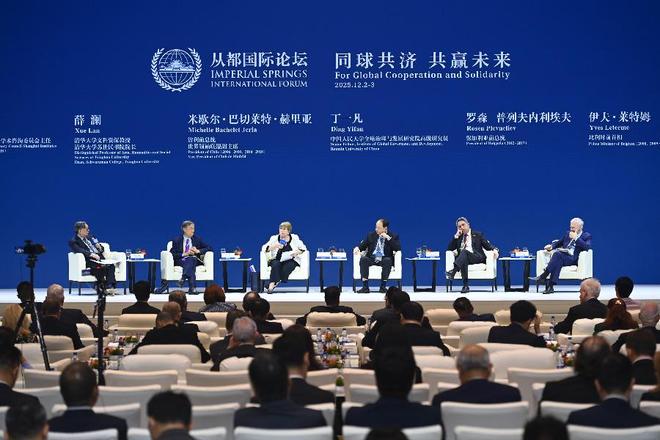
全球政商领袖齐聚从都,在逆风中找寻新路
2 1 Shi Ji Jing Ji Bao Dao· 2025-12-03 10:06
Group 1 - The 2025 Forum in Guangzhou gathered over 200 global leaders and experts to discuss international cooperation and development amidst rising protectionism and unilateralism [1] - The OECD forecasts global economic growth rates of 3.2% and 2.9% for the next two years, with a slowdown expected in 2026 due to the impact of increased tariffs [3] - Former leaders emphasized the unsustainability of trade protectionism and its negative effects on global supply chains and free trade [3] Group 2 - French President Macron's upcoming visit to China is seen as a positive signal for strengthening Sino-French relations, particularly in climate change and digital innovation [4] - The forum highlighted China's commitment to open cooperation and multilateralism, which could inject more momentum and certainty into the global economy [4] - Discussions included the need for reform in international financial systems to give developing countries a greater voice in shaping the global economic landscape [5] Group 3 - The forum addressed the challenges posed by technological revolutions, particularly in AI governance and the need for international oversight to prevent monopolization [5][6] - China's open-source model in AI is expected to benefit developing countries by providing access to advanced technologies at lower costs [6] - The "14th Five-Year Plan" emphasizes high-quality economic development and technological self-reliance, which is significant for the global economic landscape [7] Group 4 - The Chinese market is expected to improve exports to the US in 2026, while European markets may remain subdued due to inventory adjustments [7] - China's advancements in AI, particularly in large models, position it among the global leaders, with a focus on integrating AI across various sectors [7][8]
保加利亚前总统答21:希望马克龙访华能为中欧关系找到新基石
2 1 Shi Ji Jing Ji Bao Dao· 2025-12-03 09:53
(原标题:保加利亚前总统答21:希望马克龙访华能为中欧关系找到新基石) 南方财经 21世纪经济报道记者 赖镇桃 据新华社报道,法国总统马克龙12月3日至5日对中国进行国事访问,这是他任内第四次访华。 罗森·普列夫内利埃夫认为,欧盟应该像中国一样,成为多边主义、制度建设和规则制定的倡导者,因 为中国和欧盟同处欧亚大陆,是紧密相连的两大经济体——欧盟不少投资都流向了中国,中欧也互为彼 此重要的贸易伙伴,都秉持着自由贸易、公平合作和互利共赢的共同理念,希望中欧关系能朝着合作共 赢的方向发展。 在这次参加从都国际论坛之前,普列夫内利埃夫已经多次到访中国。回顾每一次的中国行,他感 慨,"每当我来到这片土地,我都能看到变化,看到活力,看到进步。但最让我印象深刻的并非现代化 都市、高铁、宏伟的建筑、道路和林荫大道,而是中国人民,因为每次来到这里,我都能感受到他们无 比友善和正直,这种品质实属难得。" 12月2日,在2025从都国际论坛上,保加利亚前总统罗森·普列夫内利埃夫(Rosen Plevneliev)在接受21 世纪经济报道记者采访时对此表示,现在是全球的关键时刻,中欧双方都需要承担起责任,展现出另一 种模式的可能性 ...
法国总统马克龙抵达北京
证券时报· 2025-12-03 09:48
转载与合作可联系证券时报小助理,微信ID:SecuritiesTimes END 来源:央视新闻 责编:万健祎 校对: 廖胜超 版权声明 证券时报各平台所有原创内容,未经书面授权,任何单位及个人不得转载。我社保留追 究相关 行 为主体法律责任的权利。 今天(3日)下午,法国总统马克龙乘机抵达北京首都国际机场,开启为期三天的访华之行。这是他第四次对中国进行国事访问,也是对去年中法建交60周年之际 中国领导人对法国进行历史性国事访问的回访。 法国是首个同新中国建立大使级外交关系的西方大国,中法两国同为安理会常任理事国。各方期待马克龙此访将推动中法全面战略伙伴关系迈上新台阶,为维护多 边主义、改革完善全球治理注入新动力。 点击关键字可查看 潜望系列深度报道丨 股事会专栏 丨 投资小红书 丨 e公司调查 丨 时报会客厅 丨 十大明星私募访谈 丨 000078、002702,双双6连板! 丨 昨夜,全线上 涨!芯片股,再爆发! 丨 深夜暴跌!"特朗普概念股",多次熔断! 丨 暴涨超4倍!605255,明日复牌 丨 价值超36亿元!芯片大佬再度大笔捐赠 丨 10天7 板!603216,盘后紧急发声 丨 外交部:任何外部势 ...
对话前联大主席:贸易是终极目的,多边金融机构需要深刻变革
2 1 Shi Ji Jing Ji Bao Dao· 2025-12-03 04:00
当前全球贸易身处保护主义的漩涡,如何捍卫多边主义、与不确定性共存,成为论坛的一大讨论方向。 第73届联合国大会主席、厄瓜多尔前外长玛丽亚.费尔南达.埃斯皮诺萨(María Fernanda Espinosa Garcés) 在接受21世纪经济报道记者采访时,强调了开展国际贸易的重要性,"一些国家声称国家利益至上,但 现实表明,国家之间的相互依存程度日益加深。每个国家都需要其他国家来满足自身的需求。这需要合 作,需要互动。" 而在贸易保护主义抬头的背景下,埃斯皮诺萨仍坚信世界贸易组织、世界银行等多边机构对世界经济运 行的必要性,"但是我们需要对国际金融体系进行深刻改革,让发展中国家在全球经济格局的塑造中拥 有更大的发言权和影响力。" 埃斯皮诺萨于2018年至2019年间担任联合国大会主席,是历史上第四位女性联大主席,也是第一位来自 拉丁美洲和加勒比地区的联大主席。埃斯皮诺萨曾两度担任厄瓜多尔外交部长,并出任国防部长。2008 年,她成为首位担任厄瓜多尔常驻联合国纽约总部代表的女性。 南方财经21世纪经济报道记者赖镇桃广州报道 12月1日至3日,由澳中友好交流协会、中国人民对外友好协会、广东省人民政府和世界领袖联 ...
驻欧盟使团举办座谈会介绍中共二十届四中全会精神
人民网-国际频道 原创稿· 2025-12-03 03:12
蔡润阐释全球治理倡议,表示中欧都是主张多边主义、倡导开放合作的建设性力量,站在中欧建交 50周年的新起点上,中方愿同欧方共同努力,把握机遇,应对挑战,推进各领域的务实合作,为推动构 建人类命运共同体汇聚更大力量。 与会嘉宾盛赞中国巨大发展成就,表示通过座谈会进一步增进了对中国"十五五"规划政策走向、发 展目标的了解,强调欧中应做伙伴,加强对话合作,推动欧中互利合作不断走深走实。 人民网布鲁塞尔12月3日电 (记者牛瑞飞)11月28日,中国驻欧盟使团举办座谈会,中国驻欧盟使 团团长蔡润大使介绍了中共二十届四中全会精神,并结合介绍"十五五"规划建议谈了中欧合作面临的新 机遇。欧盟机构官员、欧洲主流媒体和知名智库负责人及汉学家等与会交流,使团朱京公使、陈苏公参 等外交官、我国内有关媒体驻欧记者等出席。 蔡润表示,中共二十届四中全会展现了中国"一张蓝图绘到底"的战略定力以及以人民为中心的发展 理念,擘画了未来五年接续推进中国式现代化的宏伟蓝图。"十五五"时期,中国将进一步全面深化改 革,推动高质量发展,坚定不移扩大高水平对外开放,继续同包括欧洲国家在内的世界各国共享机遇、 共促发展。 ...
视频丨法国前总理:中法应在全球重要领域携手合作
Yang Shi Xin Wen Ke Hu Duan· 2025-12-02 07:19
Group 1 - French President Macron will visit China for a state visit from December 3 to 5 [1] - Former French Prime Ministers Fabius and Raffarin emphasize the desire for cooperation between China and France in addressing global issues [1][3] - Fabius highlights the necessity of multilateralism to solve major global problems, indicating that no single country can tackle these issues alone [1] Group 2 - Raffarin suggests that cooperation should focus on important areas such as artificial intelligence, ecological transition, and multilateralism [3] - He advocates for dialogue to coordinate future positions between China and France, emphasizing the importance of collaboration over confrontation [3] - Raffarin notes that China's rapid development through reform and openness has positioned it as a leading global power, reinforcing the need for shared cooperation [3]
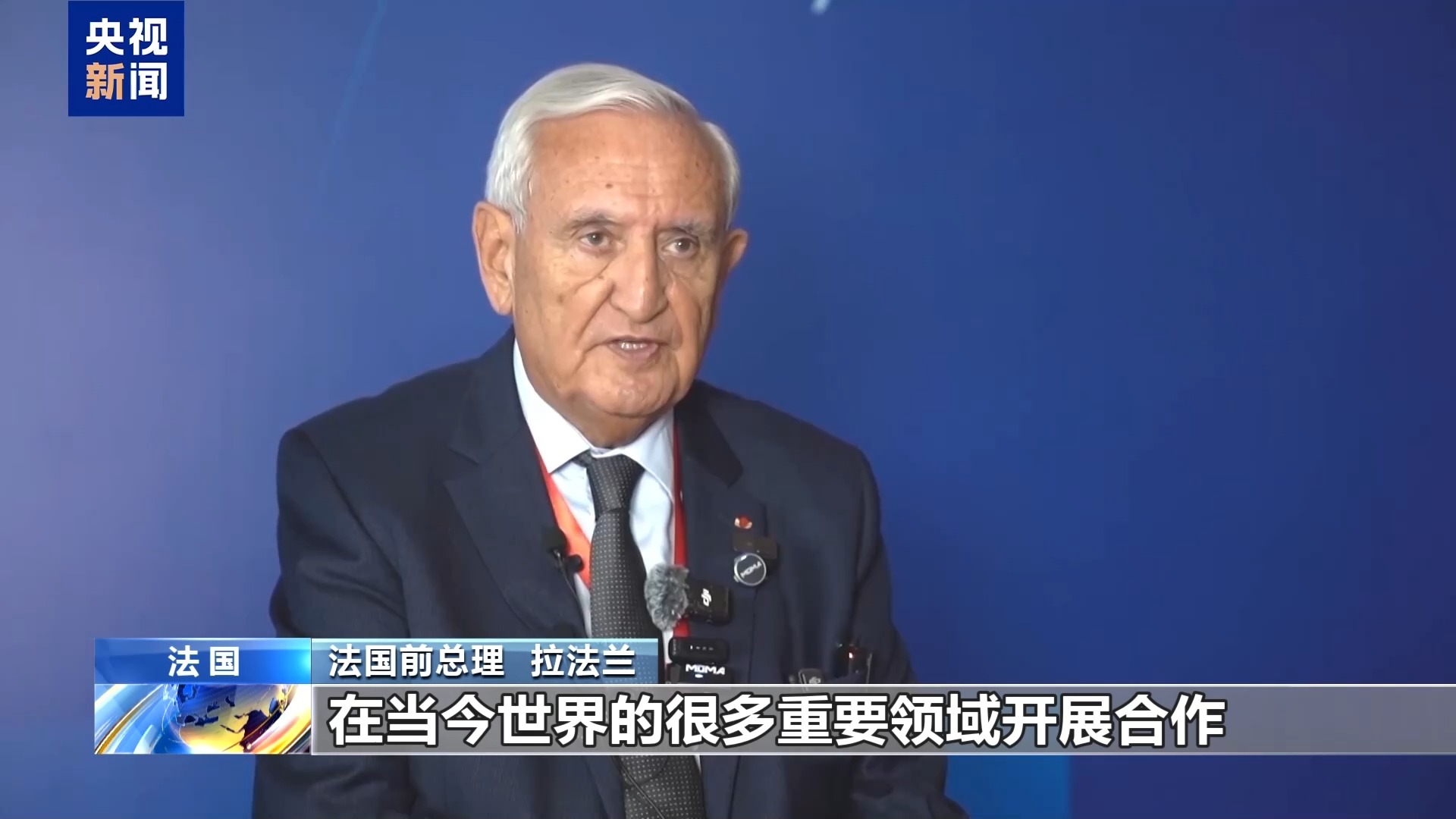
法国前总理:中法应在全球重要领域携手合作
Yang Shi Xin Wen Ke Hu Duan· 2025-12-02 05:29
Group 1 - French President Macron will make a state visit to China from December 3 to 5, indicating a desire for cooperation between China and France in various important fields [1] - Former French Prime Minister Fabius emphasized the necessity of multilateralism to address major global issues, highlighting that no single country can solve these problems alone [3] - Former French Prime Minister Raffarin stated that China and France should collaborate in key areas such as artificial intelligence, ecological transition, and multilateralism, advocating for dialogue about the future [5]
龙永图:日内瓦谈判充分表明美国一家独大的霸权主义时代正在结束
Sou Hu Cai Jing· 2025-12-01 12:03
Core Insights - The shift in global trade dynamics is a result of the changing balance of international economic power, reinforcing the resilience of the multilateral trade system and promoting more balanced global cooperation [1] Trade Dynamics - The U.S.-led trade order, characterized by high tariffs and unilateral sanctions, has shown inherent weaknesses, as evidenced by the Geneva negotiations [3] - In April 2025, U.S. tariffs on China surged to 145%, affecting key sectors like electronics and steel, prompting a global backlash and collective condemnation from WTO members [3] - China responded with reciprocal measures and deepened cooperation with ASEAN and Belt and Road Initiative countries, indicating that the U.S. can no longer unilaterally dictate trade rules [3][4] Geneva Negotiations - The Geneva negotiations marked a significant shift in global trade patterns, with a rapid agreement reached in just two days, contrasting with the 18 months taken during previous trade disputes [6] - The agreement resulted in a reduction of bilateral average tariffs from over 100% to 10%, unlocking trade potential exceeding $400 billion [6] - The negotiations highlighted China's strengthened economic resilience, with high-end manufacturing exports accounting for 45% of total exports in Q1 [6] Multilateralism and Global Cooperation - The Geneva outcomes reflect a shift in power dynamics, with the U.S. having to concede under domestic inflation pressures and retail protests [8] - The agreement integrates WTO rules and introduces third-party arbitration, reducing the risk of unilateral withdrawal by the U.S. [9] - The Belt and Road Initiative complements these developments, with over 1.3 trillion USD in investments and agreements signed with 152 countries [11] Industry Implications - The negotiations have prompted a restructuring of global supply chains, with China's electric vehicle module exports accounting for 35% and reducing U.S. costs by 8% [11] - The agreement includes provisions for technology sharing and allows Chinese companies to participate in U.S. infrastructure projects, indicating a shift from a defensive to a proactive stance by China [13] - The introduction of a joint intellectual property enforcement mechanism has led to a 13% increase in U.S. patent applications from Chinese companies [15] Future Outlook - Companies are encouraged to leverage the 262 agreements under the Belt and Road Initiative to shift investments towards digital sectors, shortening return cycles by 18% [17] - The agreement's provisions for energy procurement and mutual recognition of standards in solar energy are expected to benefit both U.S. and Chinese companies significantly [17] - The overall impact of the Geneva negotiations is expected to enhance global trade growth by 1.3% by 2025, with a 27% increase in the success rate of Chinese overseas projects [15][19]
