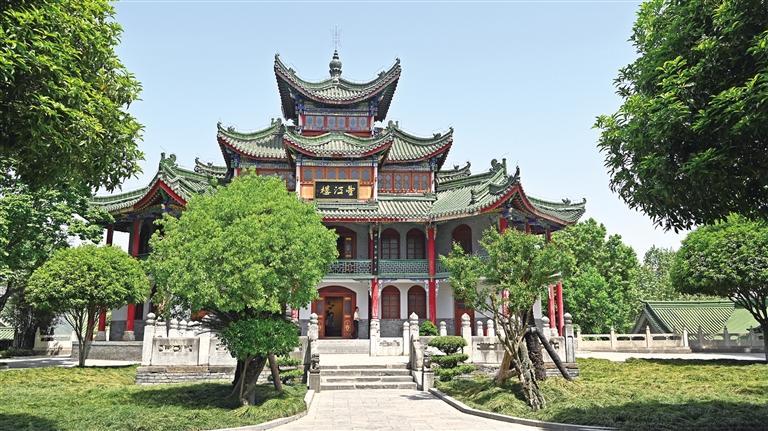
中华优秀传统文化传承

Search documents
助力中华优秀传统文化“储存器”与青少年双向奔赴
Zhong Guo Qing Nian Bao· 2025-07-22 22:57
Core Viewpoint - The "Youth Museum Talk" project aims to engage young people in the exploration and transmission of traditional Chinese culture through interactive museum activities, enhancing cultural confidence and understanding of historical heritage [11][12]. Group 1: Project Overview - The "Youth Museum Talk" project, initiated by the China Youth Development Service Center, has served over ten thousand young people since its launch in June [1]. - The project includes various educational activities such as guided tours, experiential courses, and public education open days, promoting cultural transmission among youth [11][12]. - The project emphasizes the importance of museums as educational spaces, with the goal of making cultural heritage accessible and engaging for young audiences [2][11]. Group 2: Educational Activities - Activities like "Long Night of Light" at the Confucius Museum and "Black and White Painting of All Things" at the Han Stone Carving Museum are designed to immerse students in historical contexts and cultural narratives [5][2]. - The project encourages hands-on learning experiences, such as creating situational dramas and interactive courses that connect students with historical figures and events [5][10]. - The "Youth Museum Talk" also includes digital initiatives, such as the "Digital Museum" and "Mobile Museum," to reach a broader audience and facilitate learning outside traditional settings [12][6]. Group 3: Challenges and Solutions - Museums face challenges such as limited educational resources, insufficient collaboration with schools, and high demand during peak periods, which can affect the quality of educational experiences [5][7]. - The project aims to address these issues by collaborating with universities and cultural institutions to develop innovative educational programs tailored for youth [7][8]. - Efforts are being made to enhance the visibility and accessibility of smaller museums through targeted marketing and community engagement initiatives [8][9].


京台青年龙舟竞渡共话友谊
Ren Min Ri Bao Hai Wai Ban· 2025-07-05 04:31
Core Viewpoint - The 2025 Cross-Strait University Student Dragon Boat Cultural Exchange event was held in Tongzhou District, Beijing, showcasing cultural heritage and fostering connections between students from mainland China and Taiwan [4][5]. Group 1: Event Overview - The event gathered over 120 students from 12 universities across both sides of the Taiwan Strait, including prestigious institutions like Peking University and Tsinghua University [4]. - The competition featured 10 teams racing on the Grand Canal, emphasizing teamwork and cultural exchange through the traditional sport of dragon boat racing [4][5]. Group 2: Participant Experiences - Participants expressed excitement and joy in engaging directly in dragon boat racing, with students from Taiwan sharing their first hands-on experience of the sport [4]. - The event facilitated personal connections, with students forming friendships and exchanging gifts, highlighting the importance of interpersonal relationships beyond competition [5]. Group 3: Cultural Significance - The event served as a testament to the shared cultural heritage between the two sides, with volunteers from the Taiwan Compatriots Home providing warm support to visiting students [6]. - Organizers emphasized the role of the event in promoting traditional Chinese culture and enhancing mutual understanding and friendship among youth from both sides [6].
近镜头·习近平的文化足迹 | “把中华优秀传统文化一代一代传下去”
Xin Hua She· 2025-06-30 03:23
Group 1 - The article emphasizes the importance of preserving and promoting Chinese traditional culture, particularly through the study and protection of bronze artifacts [1][3] - The Baoji Bronze Museum is actively utilizing new technologies and materials for the restoration of cultural relics, improving efficiency and quality in the preservation process [2] - The museum has collaborated with universities and research institutes to restore significant bronze artifacts, enhancing their cultural value and historical understanding [2] Group 2 - The museum plans to enhance visitor engagement through digital and immersive technologies, allowing visitors to interact with the exhibits and learn about the history of bronze casting [3] - Over 150,000 students have visited the museum this year, indicating a strong interest in cultural education among younger generations [4] - The museum aims to develop specialized courses for different age groups, promoting a deeper understanding of Chinese civilization and its historical context [4]
镜观·回响丨之江潮涌 文脉承新
Xin Hua She· 2025-06-28 13:54
Group 1 - Zhejiang has a rich historical and cultural heritage, with significant archaeological sites that trace back thousands of years, including the Hemudu site and the Liangzhu culture [1][10][12] - The Hemudu site, dating back 7,000 to 5,300 years, has yielded over 6,700 artifacts, including cultivated rice, providing valuable insights into early agricultural societies in southern China [10][12] - The archaeological discoveries in Zhejiang, such as the Xiangzhou and Huangchaodun sites, illustrate the development of rice cultivation and early settlement patterns in the lower Yangtze River region [5][7] Group 2 - The ancient port of Shuo Men is recognized as a significant node in the Maritime Silk Road, showcasing the integration of canal culture and maritime culture in Zhejiang [13][18] - The Zhejiang region continues to promote its cultural heritage through modern exhibitions and performances, such as the "Chinese Historical Painting Series" and the integration of traditional arts with contemporary technology [21][26] - The ongoing efforts to preserve and innovate traditional culture in Zhejiang reflect a commitment to maintaining the vitality and influence of Chinese cultural heritage [25][27]
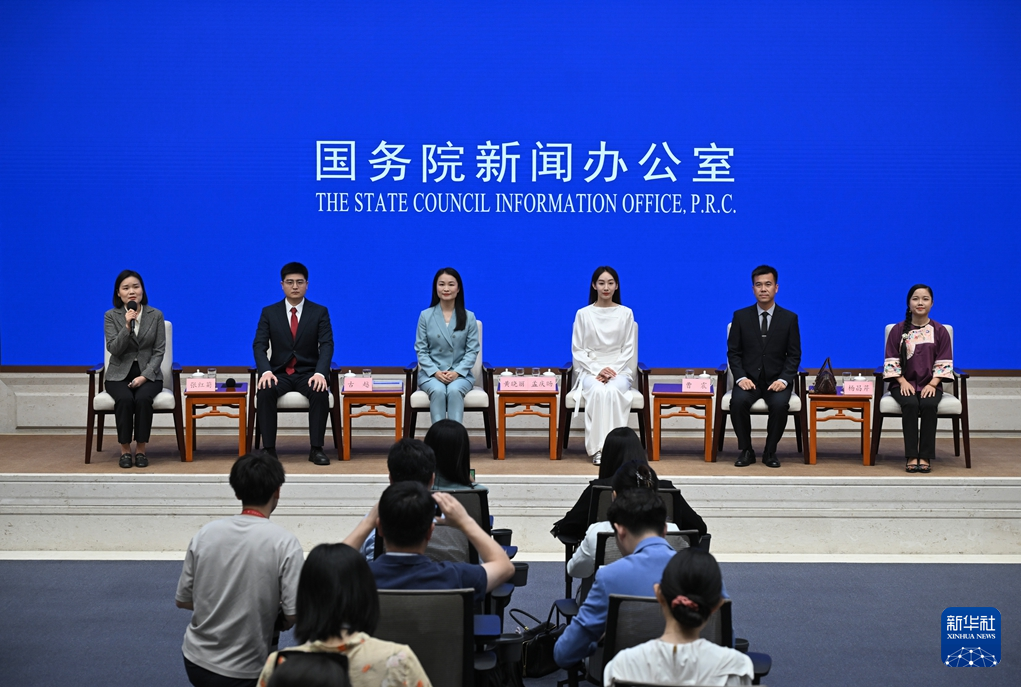
把文旅热度转化成文化温度——五位基层文旅工作者讲述奋斗故事
Xin Hua Wang· 2025-06-25 14:47
Core Viewpoint - The article emphasizes the importance of transforming the enthusiasm for culture and tourism into a deeper cultural appreciation among the public, as shared by grassroots cultural and tourism workers during a press conference held by the State Council Information Office [1][3]. Group 1: Cultural and Tourism Development - The grassroots cultural workers are actively engaged in promoting high-quality development in culture and tourism to enrich people's lives [3]. - Huang Xiaoli, the director of the Dongguan Cultural Center, describes the cultural center as a "central kitchen" for community culture, providing over 1,000 cultural products through an online platform, and ensuring a diverse range of cultural offerings [3]. - The cultural center has established a network of branches and cultural spaces throughout Dongguan, likening them to convenience stores for easy access to cultural resources [3]. Group 2: Red Tourism and Storytelling - Gu Yue, a guide at the Hongyan Revolutionary History Museum, focuses on making revolutionary stories relatable to younger audiences through immersive experiences [4]. - He shares a poignant story of a young girl who, after participating in an immersive project, expressed her understanding of the courage of historical figures, highlighting the emotional connection that storytelling can create [4]. - The article notes a growing appreciation for traditional Chinese culture, with trends like "Guochao" (national tide) gaining popularity [4]. Group 3: Audience Engagement in Performing Arts - Meng Qingyang, a dancer with the China Oriental Performing Arts Group, observes a rising interest in traditional Chinese culture among audiences, with many young people attending performances in traditional attire [5]. - The article mentions the phenomenon of audiences traveling across cities to watch performances multiple times, indicating a strong cultural engagement [5]. Group 4: Cultural Interpretation and Tourism - Cao Zhen, a tour guide with 17 years of experience, notes that modern tourists seek deeper cultural insights rather than superficial sightseeing [5]. - Tourists increasingly view guides as "cultural translators," transforming complex historical narratives into engaging stories [5]. - The emotional reactions of tourists upon learning about their country's rich history reflect a growing pride in cultural heritage [5]. Group 5: Preservation of Traditional Crafts - Yang Changqing, a representative inheritor of bamboo weaving, discusses integrating traditional crafts into modern markets while supporting rural revitalization [6]. - She outlines three strategies: combining traditional crafts with design, developing a cooperative model for industry growth, and creating tourism experiences centered around bamboo [6]. - The emphasis is on ensuring that development serves as the best form of cultural preservation at the grassroots level [6].
全面提升古树名木保护水平,深挖古柏、古蜀道资源开展活化利用 一路古柏映蜀道
Si Chuan Ri Bao· 2025-06-23 00:30
Core Viewpoint - The emphasis is on the protection of ancient trees and the transmission of traditional Chinese culture, as highlighted by President Xi Jinping during his visit to the Cu Yun Corridor in Jian Ge County [2]. Group 1: Ancient Tree Protection Initiatives - Jian Ge County has implemented a comprehensive health check for ancient trees, rescuing and revitalizing 2,478 endangered ancient cypress trees and establishing three demonstration areas for ancient cypress protection [2][5]. - The county has developed a unique management system for ancient cypress trees, involving a team of local officials, community members, experts, forest rangers, and supervisors to ensure effective protection [3][5]. - A local standard for the care and revitalization of ancient cypress trees has been established, allowing for tailored rescue plans for each tree [5]. Group 2: Cultural and Tourism Integration - The county has integrated ancient tree protection with historical and cultural heritage, tourism development, and rural revitalization, creating a synergistic relationship between protection and utilization [7][8]. - The immersive performance "Pointing Trees and Transferring Seals" has attracted significant tourist interest, with over 300 performances since its launch, enhancing visitor engagement with the ancient cypress trees [6][7]. - The scenic area has seen a substantial increase in visitors, with over 700,000 people experiencing the world-class walking trails, reflecting the successful combination of cultural heritage and tourism [7][8].
文化融聚科技,经典贯通古今——中华经典通识第四辑出版
Xin Lang Cai Jing· 2025-06-19 05:14
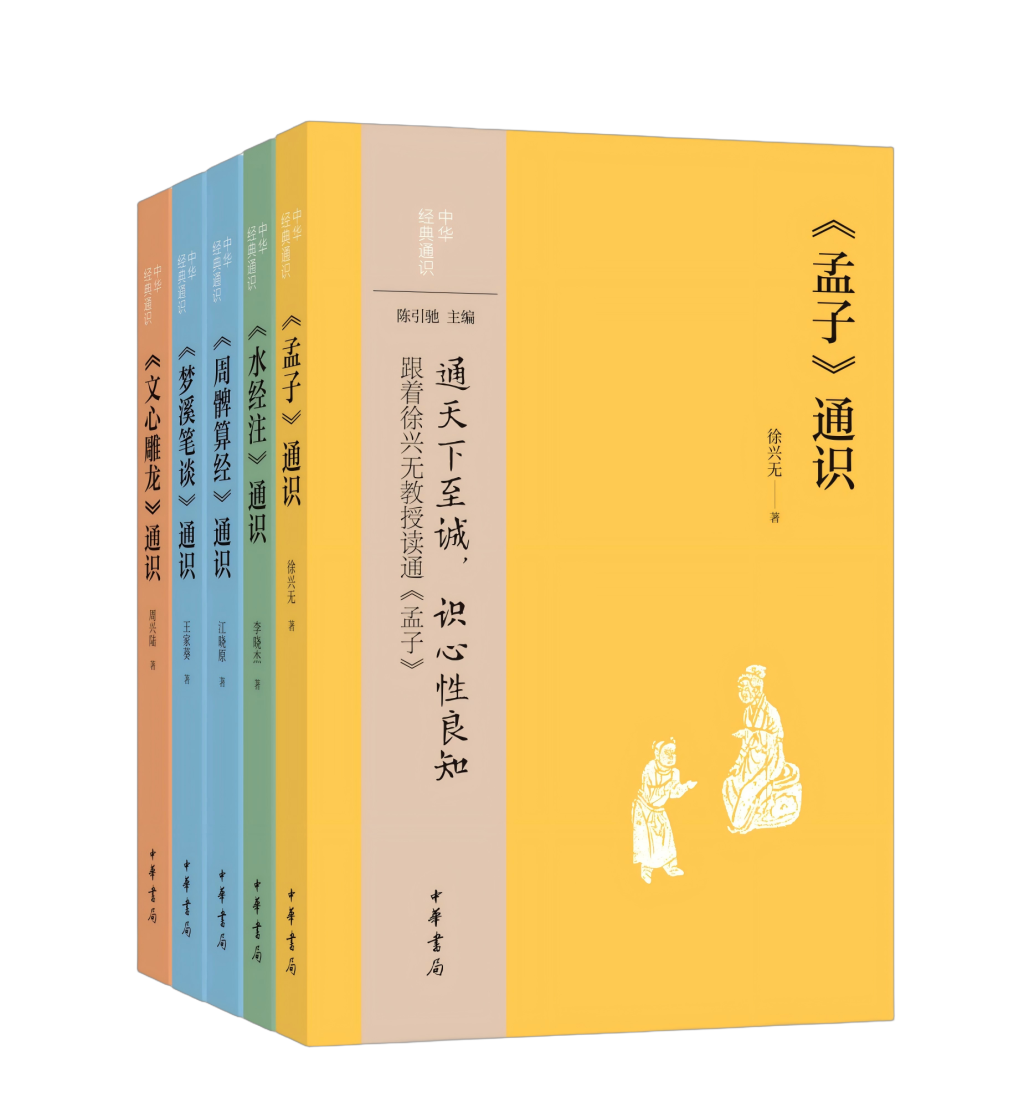
Core Viewpoint - The release of the fourth volume of "Chinese Classics General Education" showcases the integration of culture and technology, emphasizing the importance of traditional Chinese literature in contemporary society [4][6][23]. Group 1: Publication Overview - The fourth volume includes five works: "General Education of Mengzi" by Xu Xingwu, "General Education of Shui Jing Zhu" by Li Xiaojie, "General Education of Zhou Bi Suan Jing" by Jiang Xiaoyuan, "General Education of Mengxi Bitan" by Wang Jiakui, and "General Education of Wenxin Diaolong" by Zhou Xinglu [2][4]. - The series has been published annually since its first volume in 2022, now totaling 20 works, reflecting the commitment of Zhonghua Book Company to cultural transmission and knowledge updating [6][8]. Group 2: Themes and Contributions - The theme of the fourth volume is "Culture Merging with Technology, Classics Connecting Past and Present," highlighting the relevance of ancient texts in modern contexts [6][8][23]. - The works cover various fields, with three focusing on technology-related classics and two on cultural thought, aiming to enhance public understanding of traditional Chinese knowledge [8][10]. Group 3: Author Insights - Xu Xingwu emphasizes the significance of general education in understanding classical texts and their relevance in contemporary society, particularly in the context of technological advancements [10][20]. - Li Xiaojie discusses the application of modern technology in reviving "Shui Jing Zhu," showcasing its historical significance and scientific value through digital modeling [12][21]. - Jiang Xiaoyuan reinterprets "Zhou Bi Suan Jing" as a primarily astronomical text, correcting misconceptions about its mathematical content and highlighting its cross-cultural influences [14][21]. - Wang Jiakui reflects on the challenges of making "Mengxi Bitan" accessible to modern readers, emphasizing the importance of contextual understanding in interpreting historical texts [16][21]. - Zhou Xinglu aims to bridge the gap between ancient literary theory and contemporary writing practices through "Wenxin Diaolong," making it relevant for today's readers [18][21]. Group 4: Future Plans - The series plans to continue for at least another five years, indicating a long-term commitment to promoting Chinese classical literature and its relevance in modern education [24].
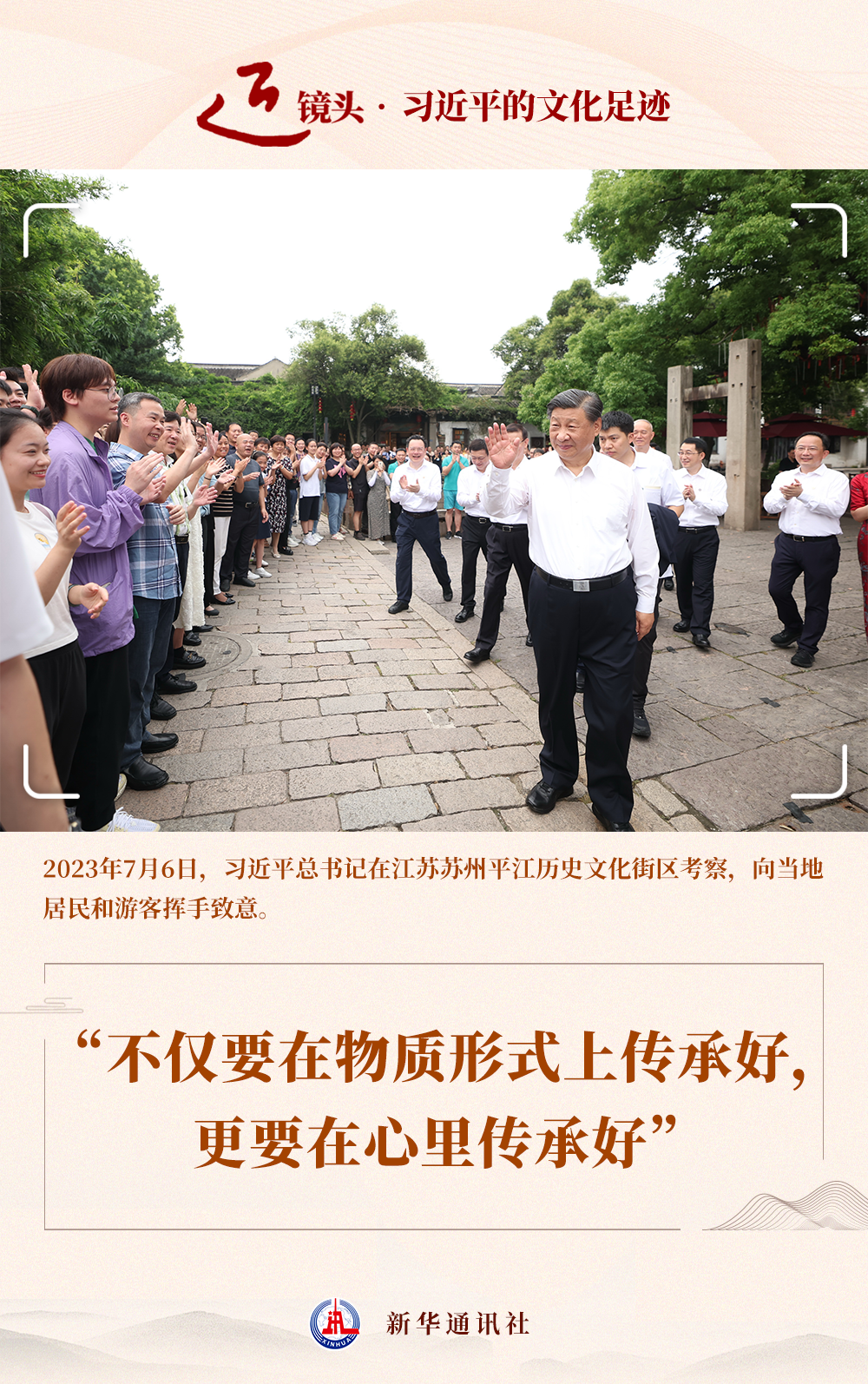
近镜头·习近平的文化足迹丨“不仅要在物质形式上传承好,更要在心里传承好”
Xin Hua She· 2025-06-16 05:36
Core Viewpoint - The visit of General Secretary Xi Jinping to the Pingjiang Historical and Cultural District in Suzhou emphasizes the importance of preserving and promoting traditional Chinese culture, both materially and spiritually [3][12]. Summary by Relevant Sections Cultural Heritage - The Pingjiang Historical and Cultural District showcases the unique charm of Jiangnan water towns, with a history spanning over 2,500 years and covering an area of approximately 116.5 hectares [4][6]. - The district is home to one world cultural heritage site and 20 cultural relic protection units, earning the title of "a cultural museum of Jiangnan without walls" [6]. Traditional Crafts - During the visit, Xi Jinping met with Lu Jianying, a representative inheritor of Suzhou embroidery, highlighting the dedication and skill involved in traditional crafts, which can take up to a year to complete a single piece [7][10]. - The conversation underscored the resilience, patience, and determination inherent in Chinese culture, as reflected in the craftsmanship of Suzhou embroidery [10]. Cultural Performances - The visit included a performance of "Suzhou Good Scenery," which resonated with the cultural richness of the area, reinforcing the idea that the region is steeped in history and cultural significance [12]. Preservation and Innovation - Xi Jinping stressed the need to protect, excavate, and utilize the cultural heritage of the Pingjiang District, indicating that traditional culture should be integrated with new technologies for effective preservation [12]. - The launch of the CIM+ digital "twin ancient city" platform aims to enhance the authenticity of cultural preservation while promoting scientific urban renewal [12]. Future Development - The juxtaposition of traditional and modern elements in Suzhou, such as the North Temple Tower and the "Oriental Gate," illustrates a blend of history and future development, creating a vibrant cultural landscape [12].
敦煌召唤着我们
Ren Min Ri Bao· 2025-06-13 22:01
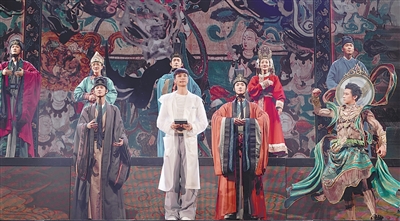
Core Viewpoint - The article emphasizes the revival of Dunhuang's rich cultural heritage through modern artistic expressions, particularly targeting younger audiences to foster a deeper connection with traditional culture [1][3]. Group 1: Cultural Revival - The production of the musical drama "Called by Dunhuang" aims to resonate with contemporary audiences by blending traditional elements with modern storytelling [1][2]. - The creative team conducted field research in Dunhuang to capture the essence of the ancient murals, focusing on the details that embody the spirit of Dunhuang [2][3]. - The performance has sparked interest among viewers, leading them to explore Dunhuang's history and the story of Chang Shuhong, indicating a successful cultural engagement [3]. Group 2: Artistic Expression - The characters in the drama represent different eras, showcasing the continuity of cultural preservation efforts from the past to the future [1][3]. - The integration of technology and traditional art forms in the performance aims to create a profound cultural resonance that transcends time [2][3]. - The article highlights the importance of sincere and creative expressions in making traditional culture accessible and relatable to the younger generation [3][5].
汉中市博物馆:汉风古韵续写盛世华章
Shan Xi Ri Bao· 2025-05-06 22:43
Core Viewpoint - The Hanzhong Museum has achieved significant milestones in cultural preservation and public engagement, emphasizing the importance of protecting and promoting traditional Chinese culture while integrating modern technology and innovative practices [3][4][8]. Group 1: Museum Achievements - Hanzhong Museum has been recognized as a national first-class museum, marking a significant achievement for the institution and filling a gap in the southern Shaanxi region [8]. - The annual visitor count at Hanzhong Museum has surpassed 1 million for the first time, indicating growing public interest and engagement [4][8]. - The museum has successfully launched various exhibitions, including the "青鉴浮影" showcasing over 80 bronze mirrors, enhancing cultural exploration for visitors [6][7]. Group 2: Cultural Education and Engagement - The museum has implemented digital education programs, such as the "智慧数字云课堂," which utilizes technology to create immersive learning experiences for students [10][11]. - In 2024, the museum hosted 190 educational activities, serving over 51,000 young people, demonstrating its role as a cultural classroom [11]. - The museum's non-material cultural heritage products have gained popularity, blending traditional culture with modern aesthetics, appealing to younger audiences [11][12]. Group 3: Economic Impact of Cultural Heritage - Hanzhong's traditional crafts, such as bamboo weaving, have seen increased market demand, with companies like Liangshun Crafts achieving significant sales and contributing to local employment [14][15]. - The annual sales of the Chenggu flower embroidery project have exceeded 2.8 million yuan, providing job opportunities for 536 local artisans [16]. - The integration of traditional skills with modern industry is fostering rural revitalization and economic growth in Hanzhong [16].