乡村旅游

Search documents
从“赶大集”到“打卡草垛迷宫” 一起感受冬日乡村生活“烟火气”
Yang Shi Wang· 2025-12-19 04:34
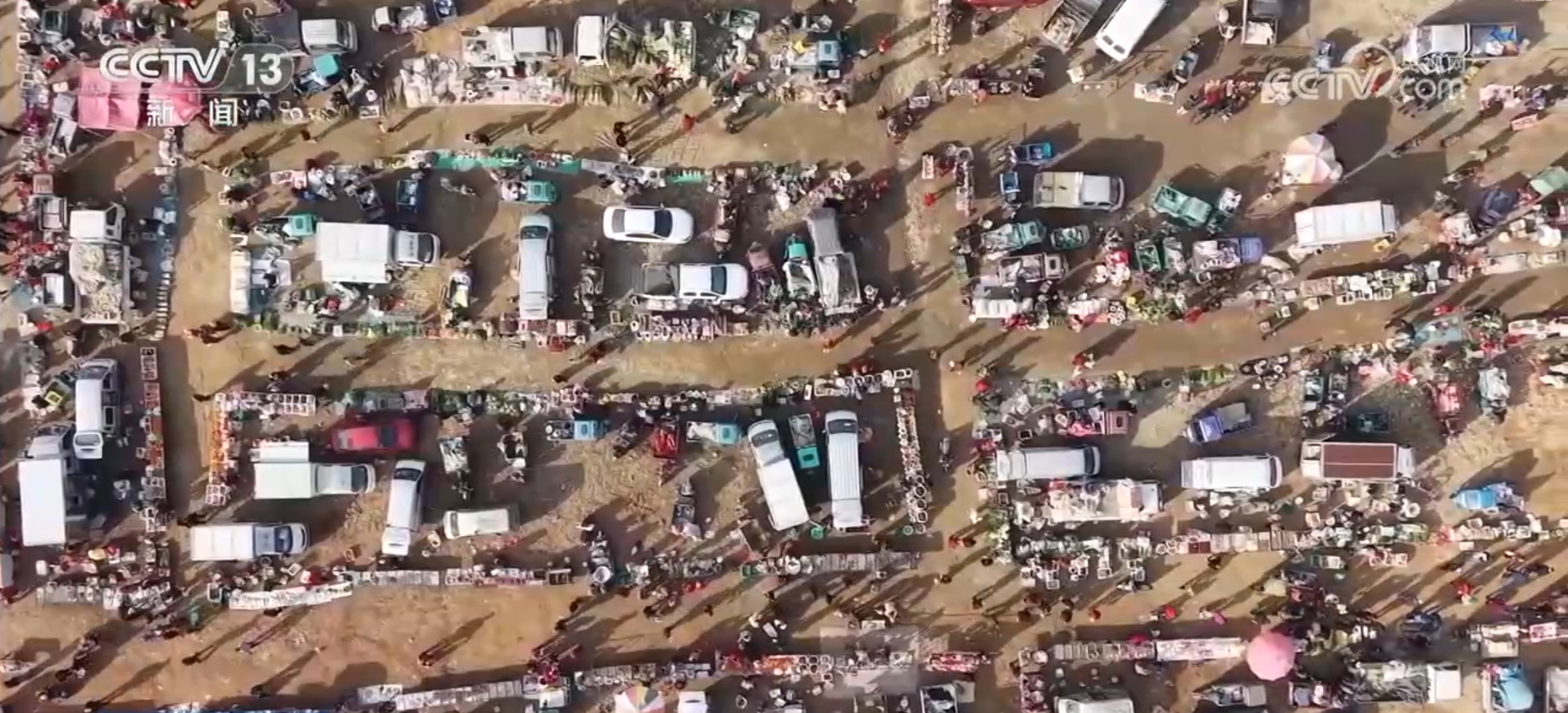
央视网消息:在山东青岛市即墨区,有这样一个传统大集,农历逢一、逢六准时开市。清晨开始,摊位一字排开,周边农户带着自家种的、做的土特产 来到这里,烟火气十足,前来赶集的人每每也是满载而归。一起"趣"赶集,接下来,就跟随我们记者一起去感受一下冬日大集的"热乎气儿"。 在皋虞大集逛了一圈,记者地小车已经装得满满当当了。从摊位上蒸腾的热气到所有老板们的吆喝声,切实地感受到了这里生活的气息。不妨下次有空 的时候,也来感受一下这里集市的热闹吧! 辽宁沈阳:农闲村成打卡地 草垛迷宫里的火热冬天 CCTV 13) 新 = 眼前的"草滚子迷宫"由村民用玉米秸秆捆扎而成,草滚子沿错落有致的路线排列,形成占地六千多平方米的迷宫阵,吸引着各地游客前来挑战。 ectry TB e e A BARAN L 79 4.1 不少年轻人专门来这里拍照打卡。无论是选择"躺平"还是"卷起来"的姿势,围着草垛子,大家都能在欢声笑语中轻松拍出趣味大片。玩饿了,还可以坐 下来品尝地道的东北美食。中午时分,村里大食堂正炖着笨鸡、大鹅、酸菜等特色菜,掀开锅盖,香气扑鼻。 据初步统计,入冬以来,这里日均接待游客最多达近千人次,带动全村近300户村民增收。 感 ...

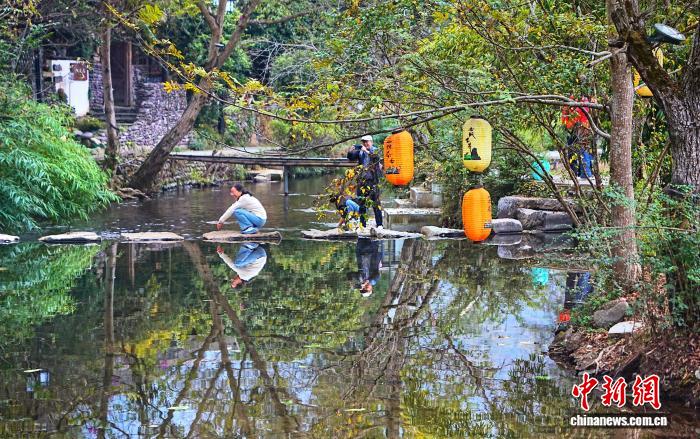
福建华安世遗土楼旅游热
Zhong Guo Xin Wen Wang· 2025-12-19 01:53
冬日清晨,阳光洒在福建省漳州市华安县仙都镇大地村的层峦之上,环绕的青山与潺潺溪流之间, 一座座恢弘的土楼静静矗立。这里,便是世界文化遗产福建土楼——大地土楼群所在地。 "大地土楼群是古代中国夯土建筑的一大奇迹、福建土楼文化传承的典范。"华安土楼导游黄春美近 日向记者分享道,大地土楼群由"土楼之王"二宜楼、"福建土楼博物馆"南阳楼、"宜居典范"东阳楼三座 土楼组成,均为蒋姓祖孙在"康乾盛世"所建的大型住宅。 黄春美说,二宜楼文化底蕴深厚,楼内共存有彩绘近100平方米、228幅,壁画近600平方米、226 幅,还有壁画配对联100幅,楹联63对,大小木雕349件。其建筑布局独具特色,装饰精巧华丽,防卫系 统构思独创,吸引着众多海内外的游客。 12月11日,航拍福建省漳州市华安县仙都镇大地村土楼群。 张金川摄 "一些海外的游客则是对土楼的建筑特色非常感兴趣,特别是夯土技艺。他们会拍很多照片带回去 分享给朋友,让他们也来这里看看。"黄春美说,很多海外游客看到土楼后都会忍不住感叹中国人伟大 的智慧。 早上九点过后,土楼就开始热闹起来了。随旅游团来参观的退休老人团体、来研学的学生团体等游 客陆续来到土楼内,一睹百年土楼的 ...

(走进中国乡村)福建华安世遗土楼旅游热
Zhong Guo Xin Wen Wang· 2025-12-17 06:32
(走进中国乡村)福建华安世遗土楼旅游热 中新社福建华安12月17日电 题:福建华安世遗土楼旅游热 作者 张金川 李琳 冬日清晨,阳光洒在福建省漳州市华安县仙都镇大地村的层峦之上,环绕的青山与潺潺溪流之间,一座 座恢弘的土楼静静矗立。这里,便是世界文化遗产福建土楼——大地土楼群所在地。 "大地土楼群是古代中国夯土建筑的一大奇迹、福建土楼文化传承的典范。"华安土楼导游黄春美近日向 中新社分享道,大地土楼群由"土楼之王"二宜楼、"福建土楼博物馆"南阳楼、"宜居典范"东阳楼三座土 楼组成,均为蒋姓祖孙在"康乾盛世"所建的大型住宅。 黄春美说,二宜楼文化底蕴深厚,楼内共存有彩绘近100平方米、228幅,壁画近600平方米、226幅,还 有壁画配对联100幅,楹联63对,大小木雕349件。其建筑布局独具特色,装饰精巧华丽,防卫系统构思 独创,吸引着众多海内外的游客。 12月11日,航拍福建省漳州市华安县仙都镇大地村土楼群。中新社记者 张金川 摄 "一些海外的游客则是对土楼的建筑特色非常感兴趣,特别是夯土技艺。他们会拍很多照片带回去分享 给朋友,让他们也来这里看看。"黄春美说,很多海外游客看到土楼后都会忍不住感叹中国人伟大 ...
5G连通“中国犀鸟谷” 边境村寨吃上“观鸟饭”
Zhong Guo Xin Wen Wang· 2025-12-16 08:07
然而十年前,这片鸟类富集之地还藏在深山无人识。村民与世隔绝,守着满山飞羽却不知其价值,靠山 吃山的粗放生计让生态承压。 条件虽艰苦,班鼎盈却看到了这片土地的潜力——如此鸟类密度,放眼国内外都难得一见。2015年,他 牵头成立盈江县观鸟协会,着手推广当地资源。但彼时路不通、信号弱,推广举步维艰。 转机始于2016年。这一年,云南精准发力脱贫攻坚,硬化路修进山寨,中国移动的通信基站架上山头, 边境村落第一次与外界便捷连接。 "路通了、信号有了,村子发展活力涌现。"班鼎盈说,外面的观鸟爱好者能进来,村里的好东西也能传 出去。石梯村的鸟类资源被发现,口碑在观鸟圈迅速传开,观鸟爱好者纷至沓来。 中新网德宏12月16日电 题:5G连通"中国犀鸟谷" 边境村寨吃上"观鸟饭" 作者 陆希成 马海龙 "2015年我第一次来石梯村时,土路颠簸,手机几乎没信号。"盈江县观鸟协会会长班鼎盈回忆,"那时 村民住的是叉叉房、茅草屋,如今家家盖起楼房,门口还停着小汽车。" 石梯村位于云南省德宏州盈江县,地处中缅边境,森林覆盖率超90%,截至目前记录鸟类逾450种,涵 盖双角犀鸟、花冠皱盔犀鸟、冠斑犀鸟,林雕鸮及灰孔雀雉等珍稀鸟类,素有"中 ...

寻味羊城农韵!请收好这份“穗农集”广州农业农村消费地图使用指南
Nan Fang Nong Cun Bao· 2025-12-15 13:33
Core Viewpoint - The "Sui Nong Ji" Guangzhou Agricultural and Rural Consumption Map has been officially launched, serving as a guide for exploring the agricultural richness and cultural heritage of Guangzhou [3][43]. Group 1: Map Features - The map integrates four thematic sections, each showcasing unique aspects of rural life in Guangzhou, catering to food lovers, families, culture enthusiasts, and nature explorers [10][11]. - The "Youpin Ji" section features nearly 200 quality agricultural products from Guangzhou, providing information on brand origins, core production areas, seasonal availability, selection tips, and unique recipes [13][14]. - The "Leyou Ji" section includes around 50 urban modern agricultural bases, unique farming experiences, and rural intangible cultural heritage sites, offering hands-on activities like rice cake making and fruit picking [16][18]. Group 2: Cultural and Scenic Highlights - The "Wenhua Ji" section focuses on Guangzhou's rich agricultural cultural heritage, highlighting important agricultural cultural assets such as the traditional high-bed deep ditch farming system and the Lingnan lychee planting system [19][20][21]. - The "Meixiang Ji" serves as a guide to beautiful rural areas, connecting scenic landscapes, historical narratives, and local delicacies, allowing users to easily plan rural excursions [22][23]. Group 3: User Interaction and Navigation - The map is designed for easy access, allowing users to enter via a link or QR code without complex downloads, making it convenient for exploration [6][7][24]. - Users can filter resources based on specific needs such as product type, activity theme, and distance, enhancing the efficiency of their exploration [40].

(走进中国乡村)贵州土家族村寨的“生意经”:生活即风景
Zhong Guo Xin Wen Wang· 2025-12-15 10:06
Core Insights - The article highlights the transformation of Yunshe Village in Guizhou Province, where the local Tujia ethnic community has shifted from a focus on traditional tourism to showcasing their daily lives as a unique attraction for visitors [1][2]. Group 1: Tourism Development - Yunshe Village began its tourism development in 2002, leveraging its proximity to Fanjing Mountain and its ancient architecture, but initially faced challenges due to poor infrastructure and low visitor retention [4]. - The village underwent a significant transformation by improving the environment, enhancing sanitation facilities, and restoring traditional buildings, all while maintaining the authenticity of local life [4]. - The village has successfully integrated local culture into the tourism experience, offering performances and activities that allow visitors to engage with Tujia traditions [4]. Group 2: Visitor Experience - There has been a notable shift in visitor behavior, with tourists now staying longer in the village, often for several days, to experience the local lifestyle rather than just sightseeing [2][6]. - The village currently boasts 42 guesthouses and 28 farmhouses, with 80% of the villagers involved in tourism-related industries, indicating a strong community engagement in this economic shift [6]. - Since 2025, Yunshe Village has welcomed over 600,000 visitors, with local specialties like cured meat and traditional snacks becoming popular souvenirs [6].
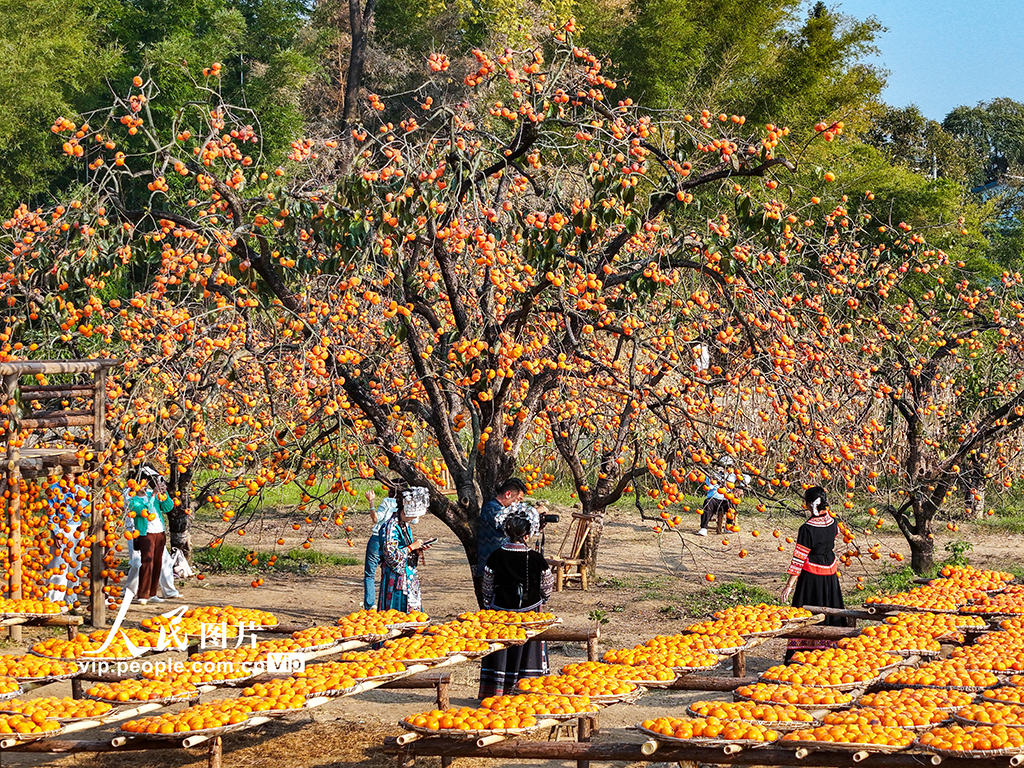
广西恭城:冬日柿园引客来
Ren Min Wang· 2025-12-10 07:33
广西恭城:冬日柿园引客来【2】 广西恭城:冬日柿园引客来【3】 广西恭城:冬日柿园引客来 广西恭城:冬日柿园引客来【4】 ...
2025年10月亚洲(中国)文旅业发展报告
3 6 Ke· 2025-11-27 07:15
Global Tourism Development Trends - The tourism industry is expected to grow at a rate higher than economic growth, driven by international leisure travel and long-distance trips [2] - Factors contributing to this trend include enhanced air connectivity and relaxed visa policies [2] - From 2024 to 2025, the share of the U.S. in global international leisure travel is projected to decrease from 8% to 7% [2] Regional Tourism Insights - **Netherlands**: Amsterdam Schiphol Airport saw approximately 6 million passengers in October, a 3% increase compared to the previous year, indicating healthy inbound tourism demand [3] - **Germany**: Significant recovery in the tourism market with a 20% increase in German tourists visiting Cyprus in October 2025 [4] - **Australia**: The tourism market showed positive growth, with major cultural and sports events attracting international visitors [6] - **Singapore**: Welcomed 14.3 million visitors in the first ten months of the year, a 3% increase year-on-year, driven by major events [7] - **Vietnam**: Received 1.73 million international visitors in October 2025, a 22.1% year-on-year increase, with a total of nearly 17.2 million visitors in the first ten months [8] - **China**: Domestic travel during the National Day and Mid-Autumn Festival saw 888 million trips, with total spending reaching 809 billion yuan, a significant increase from the previous year [9] Corporate Developments - **Personnel Changes**: Five tourism companies experienced significant personnel changes in October, including the resignation of Xi'an Tourism's board member [11] - **Investment and Equity Changes**: 32 tourism companies reported investment and equity changes, including ST United's sale of a 100% stake in Jiangxi Guogui Cultural Tourism Development [15][16] Key Project Signings and Developments - A total of 222 key tourism projects were signed in October, including the opening of two ski resorts in Xinjiang and the construction of a high-end tourism resort in Zhangjiajie [21][22] - China’s first surfing-themed resort is set to open in Hainan, enhancing the region's tourism offerings [23] - Major investments include a 20 billion yuan resort project in Guangdong and an 8.5 billion yuan project in Changbai Mountain [25][26] Industry Performance Metrics - The media and new media indices for tourism companies showed slight increases, with a focus on personnel changes and project developments [39] - The investor confidence index remained stable, reflecting ongoing project signings and developments in the tourism sector [40]






专访|全球旅游业发展潜力巨大——访联合国旅游组织候任秘书长努韦斯
Xin Hua Wang· 2025-11-25 09:21
联合国旅游组织日前公布了2025年"最佳旅游乡村"名单,中国申报的贵州省黔东南苗族侗族自治州黎平 县双江镇黄岗村、四川省甘孜藏族自治州丹巴县墨尔多山镇基卡依村、江苏省泰州市兴化市千垛镇东罗 村、浙江省湖州市南浔区和孚镇荻港村等4个乡村入选。截至目前,中国入选乡村总数达到19个。 努韦斯现担任阿布扎比商会旅游工作组主席,将于2026年正式成为联合国旅游组织首位女性秘书长。她 强调,可持续发展将是其任期的核心任务之一。"这不仅是选择,更是必然。我们要始终关注社区,关 注旅游对社区的影响。"她表示,许多环境保护方面的政策和措施可由各国政府倡导,再由私营部门执 行。 "旅游业是一个充满希望和活力的产业。"努韦斯表示,旅游业对经济和就业有重要贡献,预计2025年全 球旅游业对经济贡献将达11.7万亿美元,新增就业岗位1400万个,显示出行业巨大的发展潜力。 谈及未来重点工作,努韦斯表示,将关注"最佳旅游乡村"计划。该项目旨在通过保护乡村地区及其景 观、知识体系、生物多样性和文化遗产,推动旅游促进乡村发展。 新华社迪拜11月25日电 专访|全球旅游业发展潜力巨大——访联合国旅游组织候任秘书长努韦斯 新华社记者温新年 联合 ...
“汾河滩”变“后花园” 山西静乐绘就生态富民新图景
Zhong Guo Xin Wen Wang· 2025-11-18 04:41
中新网忻州11月18日电 题:"汾河滩"变"后花园" 山西静乐绘就生态富民新图景 作者 杨佩佩 初冬时节,山西忻州静乐汾河川国家湿地公园内,碧水潺潺、鹭鸟翔集、林水相依,宛如童话世界。丰 富的水鸟或体态优雅,或鸣声婉转,在蒲草芦苇中,嬉戏繁衍,构成一幅生态和谐的壮美画卷。 静乐是汾河自源头出发以后流经的第二个县域,素有"百里汾河川,太原后花园"之美称。近年来,该县 深入实施"一泓清水入黄河"工程,通过"山水林田湖草沙"一体化治理,推动汾河流域生态修复保护,助 汾河"水量丰、水质好、风光美"。 山西忻州静乐汾河川国家湿地公园目前是忻州唯一的国家湿地公园。(资料图片)汾河川国家湿地公 园供图 汾河川国家湿地公园自然生态要素齐备,生态功能完整,是华北平原生态屏障和山西最重要的水源涵养 区,对调节区域气候、提升生态环境功能和保障山西供水安全具有不可替代的作用,对山西乃至京津冀 的生态环境安全具有重要作用。 通过数年的保护与建设,汾河川国家湿地公园内原生态湿地得到有效保护。(资料图片)汾河川国家 湿地公园供图 在湿地公园工作近7年的鱼崖底村村民李全全从小就生活在河边,见证了这里从昔日沙砾满布的"汾河 滩",发展到如今生 ...