医保基金监管

Search documents
监管部门多措并举,打击个人骗取医保基金行为 护牢守紧百姓的救命钱(民生一线)
Ren Min Ri Bao· 2025-10-21 21:47
Core Viewpoint - The article emphasizes the importance of regulating the use of medical insurance funds, highlighting the negative impact of individual fraud on the sustainability and fairness of the healthcare system [1][2][3]. Summary by Sections Individual Fraud Cases - The National Healthcare Security Administration has reported multiple cases of individuals fraudulently obtaining medical insurance funds, with amounts varying but generally lower than organized fraud by medical institutions [1][2]. - Specific cases include an individual in Shenzhen who defrauded over 93,000 yuan by selling drugs using others' insurance accounts [2], and two individuals in Hubei who exploited their medical benefits to sell drugs, resulting in losses exceeding 180,000 yuan [2]. Regulatory Challenges - The complexity of regulating medical insurance funds is highlighted, with a large number of insured individuals and diverse medical service scenarios making oversight difficult [4][5]. - The prevalence of social networks and "favors" in certain regions complicates the enforcement of regulations against fraudulent activities [4][5]. Data-Driven Solutions - To address regulatory challenges, the National Healthcare Security Administration has enhanced its regulatory capabilities through data-driven approaches, utilizing big data and artificial intelligence to detect fraudulent activities [6]. - The implementation of a unified medical insurance information platform has significantly improved the ability to monitor and regulate fund usage [6]. Public Responsibility and Awareness - The article stresses that protecting medical insurance funds is a collective responsibility, urging all insured individuals to recognize the importance of these funds as a shared resource for public health [7]. - Initiatives have been introduced to encourage public participation in reporting fraud, including increased rewards for whistleblowers [8]. Legislative Measures - New regulations have been established to define and penalize fraudulent behaviors, with penalties including suspension of medical benefits and fines [8][9]. - The focus of future regulatory efforts will be on creating a precise regulatory system and incorporating behavioral economics to reduce the motivation for fraud [9].
又一门店被查处,一心堂的“后约谈时代”仍存合规漏洞
Qi Lu Wan Bao· 2025-10-15 05:34
Core Viewpoint - YXHT (Yixin Tang) has faced multiple administrative penalties for non-compliance with medical insurance fund usage regulations, indicating significant issues in its operational management and compliance practices [1][3][4]. Regulatory Penalties - On October 12, 2025, YXHT's Deqin He Xiang Zhong Lu store was fined for excessive prescriptions, failure to verify insurance credentials, and selling prescription drugs without a prescription, resulting in a total penalty of 3,740.95 yuan (including a refund of 1,246.65 yuan and a fine of 2,493.30 yuan) [1][2]. - The company has been penalized multiple times in recent years, with a total of 10.7 million yuan related to non-compliance issues identified across various stores [6][12]. Financial Performance - YXHT's financial performance has deteriorated significantly, with net profits dropping from 5.49 billion yuan in 2023 to 1.14 billion yuan in 2024, marking declines of 45.60% and 79.23% year-on-year, respectively [14]. - As of June 30, 2025, YXHT operated 11,372 stores, a net decrease of 126 stores since the beginning of the year, with a revenue of 89.14 billion yuan, down 4.20% year-on-year [15]. Business Transformation - YXHT is undergoing a transformation to adapt to changing market conditions, focusing on a dual-track model that includes 30% professional pharmacies and 70% diversified retail stores [16][21]. - The company plans to renovate 1,000 drugstore locations by the end of 2025, with 500 in Yunnan and 500 in other provinces, aiming to enhance customer demand through an expanded product range [21]. Compliance and Regulatory Environment - The company has been under scrutiny from the National Medical Insurance Bureau, which has highlighted issues such as false prescriptions and excessive drug dispensing, necessitating stricter self-management and compliance measures [13][14]. - New regulations effective April 1, 2025, require electronic prescriptions for all dual-channel pharmacies, complicating operational processes and impacting customer experience [16].


国家医保局:对定点药店“阴阳价格”问题严肃核查处置
Bei Ke Cai Jing· 2025-10-11 12:58
Core Viewpoint - The National Medical Insurance Administration (NMI) is addressing the issue of "dual pricing" in designated retail pharmacies, where the same medication is sold at a higher price to insured patients compared to uninsured patients, indicating a violation of regulations and potential exploitation of the medical insurance fund [1][2][5]. Group 1: Regulatory Actions - The NMI has issued a notification to enhance monitoring of "dual pricing" practices in designated pharmacies, emphasizing the need for data screening and on-site verification [1][3]. - The notification categorizes "dual pricing" as a violation of the use of medical insurance funds, urging local medical insurance departments to recognize the infringement of insured individuals' rights and the negative impact on the insurance fund [2][4]. - Local medical insurance departments are required to include "dual pricing" behavior in their key monitoring items and to conduct thorough investigations based on pricing discrepancies and public complaints [3][4]. Group 2: Consumer Impact - Reports from various regions indicate that consumers are increasingly avoiding physical pharmacies due to the "dual pricing" issue, which has been highlighted by media coverage [2][5]. - The phenomenon of "dual pricing" is not isolated, with multiple consumers in cities like Chongqing and Wuhan reporting significant price differences when using insurance versus cash payments [2][5]. Group 3: Expert Insights - Experts suggest that the "dual pricing" issue arises partly from delayed reimbursements from the insurance system, leading pharmacies to pass costs onto consumers [5][6]. - The practice of "dual pricing" is seen as a violation of both the Medical Insurance Service Agreement and various laws, including the Price Law and Social Insurance Law of the People's Republic of China [6][7]. - Experts emphasize that while regulatory oversight is challenging due to the complexity of the retail drug market, the NMI's recent measures are a step towards addressing these issues effectively [7][8]. Group 4: Future Measures - The NMI plans to implement a smart regulatory system to recover losses from the insurance fund and will conduct regular analyses of suspicious data to combat fraudulent practices [8]. - Designated pharmacies will be subject to flying inspections, and any violations will be dealt with according to the law, ensuring accountability and compliance [8].
7省部分医院违规收费等金额过亿元
第一财经· 2025-10-10 03:37
Core Viewpoint - Recent audits across 26 provinces in China revealed significant violations in hospital billing practices and improper settlement of medical insurance funds, totaling approximately 150 million yuan [3][4]. Group 1: Audit Findings - In Hunan, 11 hospitals were found to have illegally charged a total of 46.84 million yuan through methods such as duplicate billing and excessive treatment [3]. - In Hubei, 8 hospitals improperly settled medical insurance funds by 23.78 million yuan, while 6 hospitals manipulated patient diagnoses to settle an additional 27.39 million yuan [3]. - The audit in Hebei identified 9 public hospitals that overcharged by 14.93 million yuan and improperly settled medical insurance funds by 2.38 million yuan [4]. - In Zhejiang, 31 out of 64 audited public hospitals were found to have misclassified self-paid special bed fees, resulting in an improper settlement of 17.52 million yuan [4]. - Black龙江 and Jiangxi audits also reported various violations, including inflated charges and improper fund settlements [4]. Group 2: Regulatory Response - The National Medical Insurance Administration has intensified oversight and enforcement against fraudulent practices in medical insurance fund usage, with a focus on high-risk areas [5]. - From January to June, 335,000 medical institutions were inspected, recovering 16.13 billion yuan in misused medical insurance funds [5]. - The implementation of intelligent regulatory systems has led to the rejection and recovery of 330 million yuan in fraudulent claims this year [5]. Group 3: Rectification Measures - Local authorities have initiated corrective actions in response to the audit findings, addressing the identified issues in hospital billing practices [6].

异常数据引发飞行检查,国家医保局精准查处多起典型案例
Jing Ji Guan Cha Bao· 2025-09-30 02:03
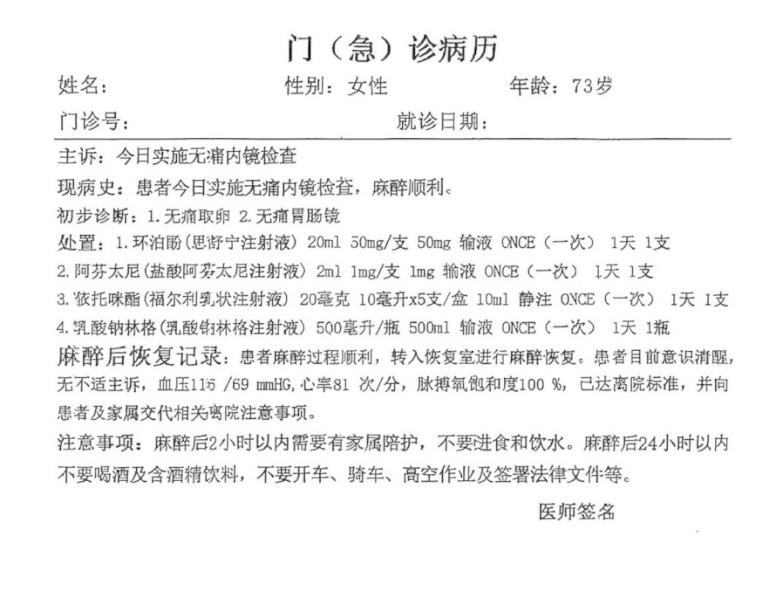
Core Insights - The National Healthcare Security Administration (NHSA) has effectively utilized a unified medical insurance information platform to identify and address multiple cases of abnormal data, showcasing the empowering role of data in regulatory oversight [1] Group 1: Abnormal Data Cases - A physician was found to have prescribed niacinamide at a total amount over 200 times the national average, prompting an investigation into the hospital's medical insurance settlement data [2] - An elderly patient, aged 73, was incorrectly recorded as undergoing "painless egg retrieval" due to a data entry error, while an 86-year-old patient was mistakenly associated with "in vitro fertilization" due to similar coding issues [3] - A doctor was discovered to have issued multiple prescriptions for semaglutide within a minute for different patients, indicating potential fraudulent behavior linked to a medical representative [4] - An analysis revealed over a hundred male patients with billing records for hysteroscopy, which was due to a coding error that confused the local codes for ureteroscopy and hysteroscopy [5] Group 2: Regulatory Actions and Recommendations - The NHSA's flying inspection team confirmed that the medical insurance fund was not harmed and mandated immediate technical corrections from the hospitals involved [6] - The cases highlighted deficiencies in data quality management at designated medical institutions, emphasizing the need for strict pre-upload audits and dynamic daily checks [7] - It is recommended that medical institutions and healthcare departments collaborate closely to enhance monitoring and management of data quality, ensuring the protection of public healthcare funds [7]
有医院为73岁老人开展“无痛取卵”,为86岁老人开展“试管内受精”?国家医保局披露→
第一财经· 2025-09-29 08:42
Core Viewpoint - The article emphasizes the importance of data quality management in healthcare institutions, highlighting how improper data handling can lead to significant regulatory issues and inefficiencies in the healthcare system [3][15]. Group 1: Case Studies of Data Issues - A doctor was found to have prescribed niacinamide at a total amount over 200 times the national average, leading to an investigation that revealed data quality issues due to the use of "unknown" in place of actual doctor names [5][6]. - An elderly patient was mistakenly recorded as undergoing "painless ovum retrieval" instead of the intended "painless gastrointestinal endoscopy" due to incorrect data entry, prompting the need for improved data validation mechanisms [8][9]. - A doctor was found to have issued multiple prescriptions for semaglutide in a very short time frame, indicating potential fraudulent activity, which led to further investigation and corrective actions against the involved medical personnel [10][11]. Group 2: Data Quality Management Recommendations - The article stresses that healthcare institutions must take responsibility for data quality management, ensuring strict audits and timely corrections to prevent regulatory alerts and unnecessary inspections [15]. - It calls for the establishment of a closed-loop management system for problem detection, alerts, and resolution, leveraging technology for better monitoring and cross-verification of data [15]. - Collaboration between healthcare institutions and regulatory bodies is essential to safeguard public funds and ensure accurate data reporting [15].

73岁“无痛取卵”?86岁“试管内受精”?医保局披露多起异常数据案例
Xin Lang Cai Jing· 2025-09-29 03:07
Core Insights - The National Healthcare Security Administration (NHSA) has highlighted issues in data quality management within designated medical institutions, revealing that even minor discrepancies can trigger alerts and lead to unnecessary regulatory inspections, resulting in wasted resources for both healthcare regulation and medical institutions [5] Group 1: Data Quality Issues - A 73-year-old patient was incorrectly recorded as undergoing "painless egg retrieval" instead of a "painless gastrointestinal endoscopy" due to a data entry error [1] - An 86-year-old patient was mistakenly diagnosed with "in vitro fertilization" because of a miscommunication in the coding process, where the doctor only entered initials without verifying the dropdown options [1] - A doctor was found to have issued multiple prescriptions for the same medication within a minute for different patients, raising suspicions of falsified medical records [2] Group 2: Fraudulent Activities - A medical representative collected multiple social security cards and used them to obtain prescriptions for diabetes medications, despite the patients having no prior history of diabetes [2] - The hospital conducted a self-inspection and took disciplinary actions against the involved doctor, including suspension and performance penalties [2] Group 3: Coding Errors - A coding error led to male patients being recorded as having undergone "hysteroscopy," when they actually received "ureteroscopy" treatments, highlighting the importance of accurate coding in medical records [4] - An abnormal prescription volume of niacinamide was detected, attributed to a lack of proper identification of prescribing doctors, resulting in multiple entries under "unknown" [4]

73岁“无痛取卵”?国家医保局披露违法违规案例
Zhong Guo Xin Wen Wang· 2025-09-29 02:52
Core Insights - The National Healthcare Security Administration (NHSA) has revealed multiple cases of illegal and irregular activities in the healthcare sector, emphasizing the importance of data quality and regulatory oversight in the era of big data [1][12]. Group 1: Data Quality Issues - A doctor was found to have prescribed niacinamide at a total amount over 200 times the national average, leading to an investigation that uncovered data quality issues due to incomplete information in the hospital's records [2]. - A 73-year-old patient was mistakenly recorded as undergoing "painless egg retrieval" instead of a "painless gastrointestinal endoscopy" due to a data entry error, highlighting the need for better data validation mechanisms [3][5]. - An 86-year-old patient was incorrectly diagnosed with "in vitro fertilization" due to a similar data entry mistake, which further underscores the importance of accurate data entry in healthcare [5][6]. Group 2: Regulatory Actions - The NHSA's flying inspection team found that a doctor was involved in issuing multiple prescriptions for semaglutide in a short time frame, indicating potential fraudulent activities, which led to further investigations [7]. - The inspection revealed that a medical representative was collecting social security cards from multiple individuals to facilitate fraudulent prescriptions, prompting the hospital to take disciplinary actions against the involved doctor [7]. - An anomaly was detected where male patients were recorded as receiving hysteroscopy services due to coding errors, which triggered a regulatory alert and necessitated a review of the hospital's coding practices [8][11]. Group 3: Recommendations for Improvement - The NHSA has called for healthcare institutions to enhance their data quality management practices, emphasizing the need for strict audits and dynamic checks before data submission [12]. - It is recommended that healthcare institutions and NHSA collaborate closely to ensure accurate data entry and monitoring, thereby safeguarding public funds and improving healthcare service delivery [12].
神秘未知医生大量开药、高龄老人开展辅助生殖……国家医保局披露数据异常案例
Yang Shi Wang· 2025-09-29 02:32
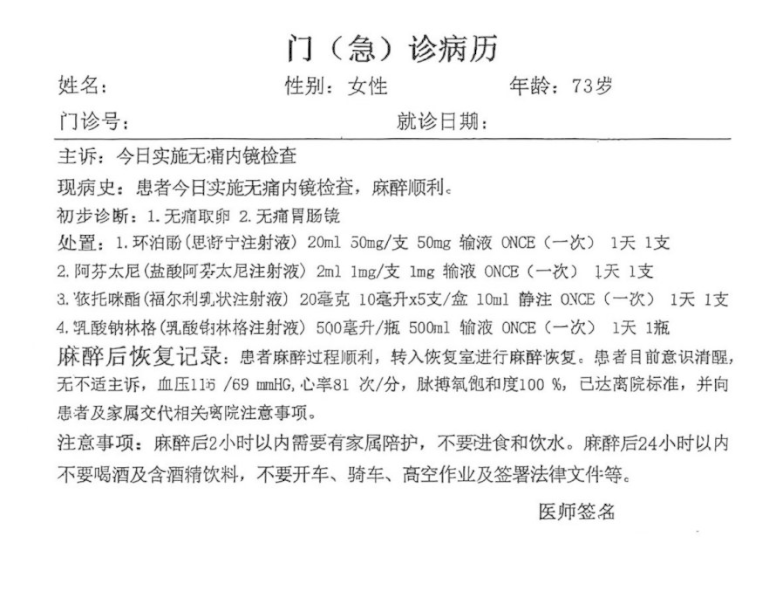
Core Insights - The article highlights the increasing role of data analytics in the supervision of medical insurance funds, emphasizing the ability to detect and rectify irregularities in healthcare data [1][11] Group 1: Data Monitoring and Irregularities - A specific case involved a doctor prescribing a substance at a rate over 200 times the national average, leading to an investigation that uncovered data quality issues due to improper data entry [2] - Instances of elderly patients undergoing inappropriate medical procedures were identified, prompting immediate verification by the insurance department [3][5] - A doctor was found to be issuing multiple prescriptions in a short time frame, raising suspicions of fraudulent practices, which were confirmed through further investigation [6] Group 2: Data Quality Management - The article stresses the importance of data quality management in healthcare institutions, noting that even minor discrepancies can trigger significant regulatory responses and resource wastage [11] - It calls for healthcare providers to enhance their data verification processes before submission to ensure accuracy and compliance with regulations [11] - Collaboration between healthcare institutions and insurance departments is essential to maintain the integrity of medical data and safeguard public funds [11]
涉生育津贴骗保、倒卖医保回流药,医保基金监管“百日行动”启动
第一财经· 2025-09-25 07:07
国家医保局今天(25日)发布《国家医疗保障局办公室关于开展医保基金管理突出问题专项整治"百日 行动"的通知》提出, 自即日起至2025年12月31日,在全国范围开展医保基金管理突出问题专项整 治"百日行动" 。 国家医保局表示,"百日行动"是医保基金管理突出问题专项整治"突击战"的重要行动安排,坚决以"零 容忍、不松劲"的较真态度和"敢啃硬骨头"的攻坚魄力, 依法依规、严查严打欺诈骗保,力争通过"百 日行动"基本肃清两定机构倒卖医保回流药违法行为。 工作重点 开展倒卖医保回流药问题全面治理 重点查处定点医药机构伪造处方、空刷套刷医保凭证、串换医保药品、诱导"回收"、诱导"冲顶消 费"、不扫码销售,以及职业开药人和参保人非法售卖医保药品等问题。 紧盯倒卖医保回流药各关键环节,将检查中发现的药品批发企业和零售药店涉嫌伪造随货同行单、伪造 票据"洗白"回流药、篡改购销记录,药贩子、卡贩子欺诈骗保等问题线索,及时移送公安、市场监 管、药监等相关部门,强化部门协同、联查联办。 开展违规超量开药问题专项核查 紧盯药品追溯码数据监测异常的开药、购药行为,结合重点监测易倒卖回流医保药品清单,重点核查远 超临床合理用量违规开药 ...