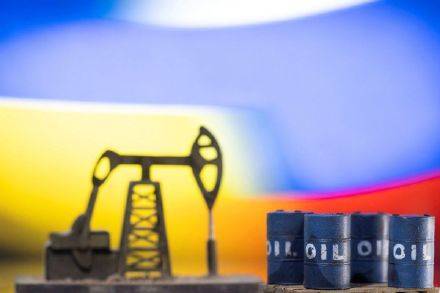
石油制裁

Search documents
原油成品油早报-20251110
Yong An Qi Huo· 2025-11-10 05:16
Report Industry Investment Rating - Not provided in the given content Core Viewpoints - This week, oil prices remained volatile. OPEC+ decided to suspend production increases in Q1 next year. US EIA commercial crude oil inventories increased by 5.202 million barrels due to increased imports and reduced refining activities, with the increase higher than market expectations. Western sanctions on Russia and Iran have led to a record high in on - board oil storage, and Russian oil is trading at its largest discount in the Indian market in nearly a year. European and American refinery profits rebounded this week. Western sanctions and the extended maintenance of Dangote Refinery supported gasoline and diesel cracking sentiment. The domestic fundamentals are neutral. Global fundamental surplus and sanctions factors support the Dubai market, and Brent crude oil maintains a volatile pattern, expected to fluctuate in the range of $55 - 65 in Q4 [7]. Summary by Directory 1. Daily News - Hungary will be exempt from US sanctions for purchasing Russian energy. US President Trump met with Hungarian Prime Minister Orban on November 7, and the US government agreed to provide a one - year exemption for Hungary [3]. - Ukraine said Russia launched a large - scale attack on its energy infrastructure on the night of November 7 [3]. - Azerbaijan's BTC crude oil exports from Ceyhan Port in December are planned to be 17 million barrels, higher than 15.3 million barrels in November [3]. - Brazil's national oil company's oil production in October reached 2.6 million barrels per day, and it added 115,000 barrels per day through capacity upgrades [3]. - US President Trump will auction oil and gas exploration rights in the entire Gulf of Mexico next month [3]. - US energy company EOG expects low or zero growth in its oil production in early 2026 [4]. - Russia's crude oil production in October slightly rebounded to 9.411 million barrels per day but was still 70,000 barrels per day below its OPEC+ quota [4]. - ADNOC and OPEC officials believe that oil demand will remain above 100 million barrels per day after 2040, and geopolitics, trade flows, and sentiment will make fluctuations the norm [4]. - Russia's oil and gas revenue in October decreased by over 26% year - on - year but increased by 52.6% from the previous month due to additional profit tax [4]. - Swiss commodity trader Gunvor withdrew its proposal to acquire overseas assets of Russian energy company Lukoil after US opposition [4]. - Maersk's CEO said it's too early to determine when it's safe to pass through the Red Sea [5]. - China's crude oil imports in October increased by 8.2% year - on - year due to higher refinery operating rates, reaching 48.36 million tons or 11.4 million barrels per day [5]. 2. Inventory - In the week of October 31, US crude oil exports increased by 0.6 million barrels per day to 4.367 million barrels per day, domestic production increased by 0.7 million barrels to 13.651 million barrels per day [6]. - Commercial crude oil inventories (excluding strategic reserves) increased by 5.202 million barrels to 421 million barrels, a 1.25% increase [6]. - The four - week average supply of US crude oil products was 20.344 million barrels per day, a 1.15% decrease from the same period last year [6]. - US Strategic Petroleum Reserve (SPR) inventory increased by 498,000 barrels to 409.6 million barrels, a 0.12% increase [6]. - US commercial crude oil imports (excluding strategic reserves) in the week of October 31 were 5.924 million barrels per day, an increase of 873,000 barrels per day from the previous week [6]. - US EIA Cushing crude oil inventory in the week of October 31 was 300,000 barrels, down from 1.334 million barrels in the previous week [6]. - US EIA gasoline inventory in the week of October 31 decreased by 4.729 million barrels, and refined oil inventory decreased by 643,000 barrels [6]. - As of the week of November 5, the total refined oil inventory in Fujairah, UAE increased by 851,000 barrels to 18.607 million barrels, with light distillate inventory decreasing by 1.236 million barrels, medium distillate inventory decreasing by 79,000 barrels, and heavy residual fuel oil inventory increasing by 2.166 million barrels [6]. - From October 31 to November 6, both gasoline and diesel inventories decreased. Gasoline inventory was 10.5757 million tons, a 0.4% decrease, and diesel inventory was 12.8962 million tons, a 1.82% decrease [7]. 3. Weekly Viewpoints - This week, oil prices were volatile. OPEC+ suspended production increases in Q1 next year. US EIA commercial crude oil inventories increased more than expected. Western sanctions led to high on - board oil storage, and Russian oil had a large discount in India. European and American refinery profits rebounded. The domestic fundamentals are neutral. Brent crude oil is expected to fluctuate between $55 - 65 in Q4 [7].
印度一国有企业宣布暂停
中国能源报· 2025-10-31 11:37
Core Viewpoint - Indian state-owned oil company Hindustan Petroleum Corporation Limited (HPCL) has suspended the purchase of Russian crude oil amid escalating tensions with the United States and new sanctions on Russian oil exports [3][4]. Group 1: Company Actions - HPCL announced the suspension of Russian crude oil purchases following reports of its previous transactions involving nearly $280 million worth of Russian oil transported by sanctioned vessels [3]. - The company stated that it was unaware of the specific vessels used for transportation and their sanction status at the time of delivery, as the oil was sold on a delivered basis [4]. Group 2: Market Context - The suspension comes after the U.S. imposed new sanctions targeting major Russian oil producers, including Lukoil and Rosneft, which has influenced Indian refiners' purchasing decisions [3][4]. - Reliance Industries, India's largest private oil buyer, also decided to halt Russian crude oil purchases, indicating a potential shift in India's oil procurement strategy [4]. Group 3: Broader Implications - The decision by Indian refiners to pause Russian oil purchases may enhance the likelihood of a trade agreement between India and the U.S., as the two countries navigate their complex relationship [4]. - India, being one of the largest crude oil importers globally, relies on foreign suppliers for over 85% of its oil needs, traditionally sourcing from Middle Eastern countries but increasingly turning to discounted Russian oil since 2022 [4].


建信期货原油日报-20251030
Jian Xin Qi Huo· 2025-10-30 01:59
Group 1: Report Information - Report Type: Crude Oil Daily Report [1] - Date: October 30, 2025 [2] - Research Team: Energy and Chemical Research Team [4] - Researchers: Li Jie, Ren Junchi, Peng Haozhou, Peng Jinglin, Liu Youran, Feng Zeren [4] Group 2: Investment Rating - Not provided Group 3: Core View - Short - term: Market digests sanctions and positive factors from China - US negotiations. Without further support, oil prices may decline due to oversupply [6] - Medium - term: Maintain a bearish view [6] Group 4: Market Review and Operation Suggestions - WTI: Opened at $61.5, closed at $60.18, high of $61.50, low of $59.76, down 1.84%, volume of 28.73 million hands [6] - Brent: Opened at $64.88, closed at $65.04, high of $65.01, low of $63.43, down 1.60%, volume of 48.72 million hands [6] - SC: Opened at 458.5 yuan/barrel, closed at 462.6 yuan/barrel, high of 463.2 yuan/barrel, low of 455.0 yuan/barrel, down 0.81%, volume of 12.06 million hands [6] - Sanctions: US and EU imposed sanctions on Russian oil companies Rosneft and Lukoil [6] Group 5: Industry News - Indian refiner MRPL: Does not buy Russian oil due to risk of violating sanctions [7] - Japan: Prime Minister Takashi Sanae told Trump that banning Russian LNG imports is difficult [7] - Saudi Aramco: Forecasts oil demand growth of 1.1 - 1.4 million barrels per day next year [7] Group 6: Data Overview - Figures include global high - frequency crude oil inventory, EIA crude oil inventory, US crude oil production growth rate, Dtd Brent price, WTI spot price, Oman spot price, US gasoline consumption, and US diesel consumption [9][10][17][21]
外媒:印度最大私营炼油商计划停购俄石油
Zhong Guo Xin Wen Wang· 2025-10-27 06:53
Core Points - India's largest private refiner, Reliance Industries, plans to stop purchasing Russian crude oil following U.S. sanctions on Russia's major oil companies [1][3] - The company aims to comply with Western sanctions while maintaining relationships with current oil suppliers [1][3] Group 1: Sanctions and Compliance - The U.S. Treasury announced sanctions against Russia's largest oil companies, including state-owned Rosneft and private company Lukoil [3] - The European Union has also implemented its 19th round of sanctions against Russia, affecting the energy sector [3] Group 2: Supply Contracts and Strategy - Reliance Industries has a long-term agreement to purchase nearly 500,000 barrels of crude oil daily from Russian oil companies, set to expire at the end of 2024 [3] - The company emphasizes its diversified crude procurement strategy to ensure stability and reliability in its refining operations, catering to both domestic and export demands, including Europe [3]
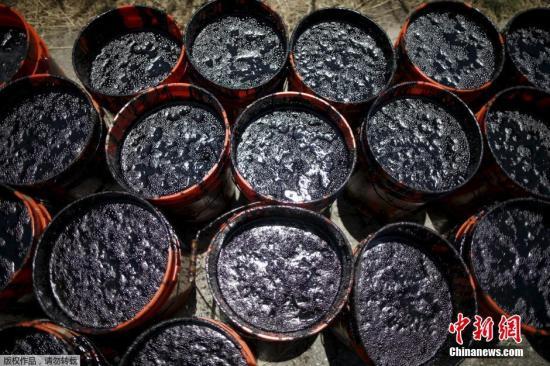
印度最大私营炼油商停购俄石油
Sou Hu Cai Jing· 2025-10-26 23:29
Core Viewpoint - India's largest private refiner, Reliance Industries, has decided to stop purchasing Russian crude oil following U.S. sanctions against Russian oil companies, which indicates a significant shift in India's energy sourcing strategy [1] Group 1: Company Actions - Reliance Industries announced it will adjust its refinery operations to comply with the new regulations while maintaining relationships with its suppliers [1]
美欧下死手!俄石油巨头被封,中国坚定支持,印度突然“倒戈”?
Sou Hu Cai Jing· 2025-10-25 12:02
Core Viewpoint - Russia, as the world's second-largest oil exporter, is facing a new wave of sanctions aimed at cutting off funding for its military operations in Ukraine, particularly targeting major oil companies like Rosneft and Lukoil, which account for nearly 50% of Russia's crude oil exports and over 5% of global oil production [1][3]. Group 1: Sanctions and Their Impact - The U.S. Treasury has previously imposed sanctions on various Russian energy companies and service providers, but these measures did not significantly curb Russian oil exports. The latest sanctions are more stringent, with the EU also implementing a ban on Russian liquefied natural gas and lowering the price cap for Russian crude oil to $47.6 per barrel [3][4]. - The sanctions have led to a shift in oil import patterns, with India's largest refinery planning to significantly reduce or halt imports of Russian oil, which could create a gap in Russian oil exports. In contrast, China continues to maintain stable imports, accounting for 40% of Russian oil exports [4][5]. Group 2: Russia's Response and OPEC+ Dynamics - The Kremlin has adopted a defiant stance, asserting that sanctions will not significantly impact the Russian economy and may even lead to higher oil prices that could hurt the West. However, there are internal contradictions as stopping oil exports could harm relationships with allies like Kazakhstan [5][6]. - Disagreements within OPEC+ are becoming more pronounced, with Saudi Arabia advocating for increased production to regain market share, while Russia is cautious about increasing output due to the potential impact of sanctions [6].
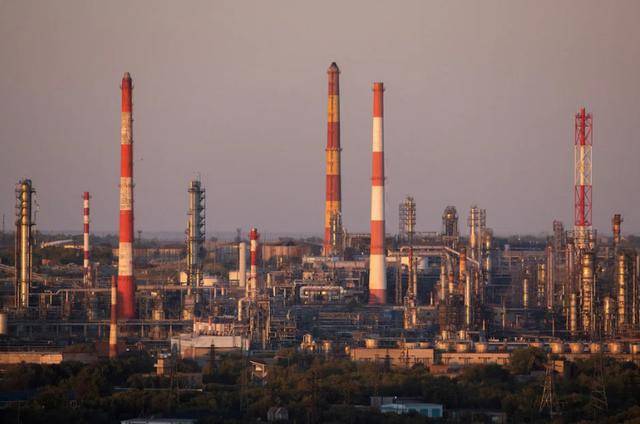
眼瞅着,俄罗斯卖给印度的石油就要降到零了
Sou Hu Cai Jing· 2025-10-25 02:14
Core Points - Trump has imposed sanctions on two major Russian oil companies, Lukoil and Rosneft, marking his first direct action against Russia since his re-election [2] - Indian refiners are planning to significantly reduce imports of Russian oil due to the new U.S. sanctions, which may facilitate a trade agreement between the U.S. and India [2] - Reliance Industries, India's largest buyer of Russian crude, is preparing to cut or completely halt imports from Russia, including canceling long-term contracts [2][3] - Indian state-owned refiners are reviewing their trade documents to ensure compliance with sanctions, as they typically purchase oil through intermediaries [3] - Analysts suggest that while a complete halt may not happen immediately due to intermediaries, strict enforcement of sanctions could lead refiners seeking access to the U.S. market to abandon Russian oil [5] - India has been a major buyer of discounted Russian oil, importing approximately 1.7 million barrels per day in the first nine months of the year [5] - Trump has pressured India to stop purchasing Russian oil, imposing punitive tariffs that have reached 50% [7] - The U.S. and India are negotiating a trade agreement that may lower tariffs in exchange for India gradually reducing its Russian oil imports [7] - On the same day, Putin responded to the new U.S. sanctions, stating they would not significantly impact the Russian economy but would harm bilateral relations [9] - The EU has also agreed on a new round of sanctions against Russia, marking the 19th round, primarily targeting the energy and financial sectors, including a complete ban on Russian liquefied natural gas [11]
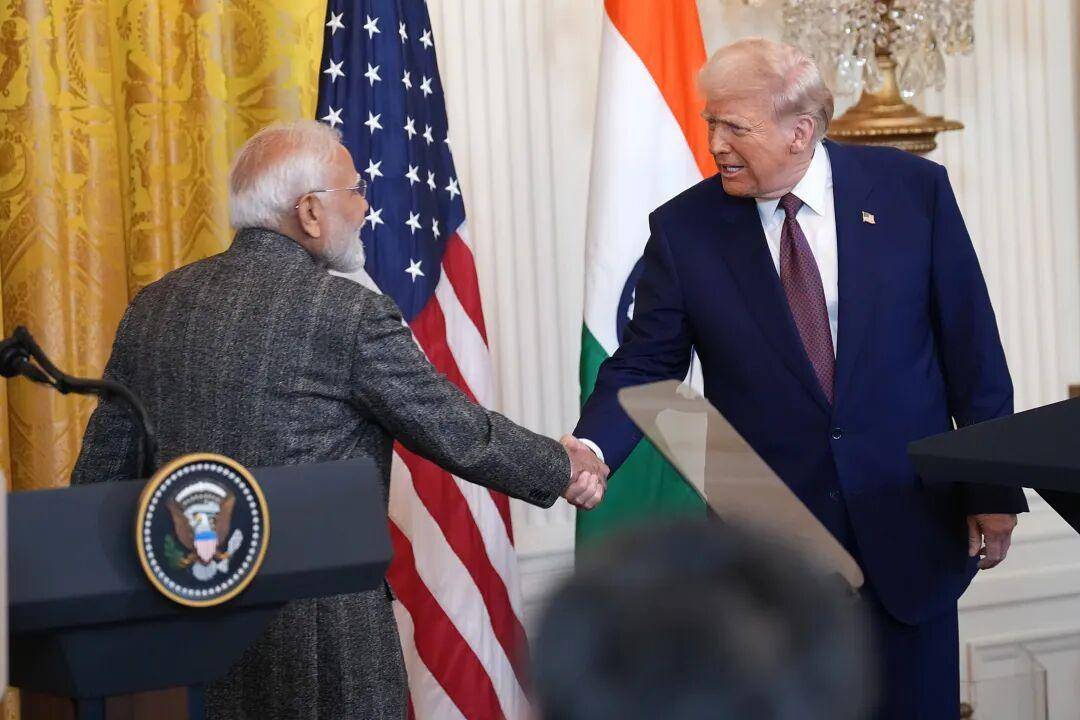
普京对西方供乌武器划“红线”:若使用“战斧”导弹袭击俄领土,将招致惊人回应
Huan Qiu Shi Bao· 2025-10-24 22:52
Group 1: Geopolitical Developments - Ukrainian President Zelensky attended the "Volunteer Alliance" meeting in London, with key figures such as UK Prime Minister Starmer and NATO Secretary General Stoltenberg present, while French President Macron joined via video [1] - The US announced sanctions against Russia's two largest oil companies, and the EU implemented its 19th round of sanctions targeting the Russian oil and gas sector [1][3] - Russia's response to the sanctions has been relatively calm, with President Putin indicating that the sanctions would not significantly impact the Russian economy [4][5] Group 2: Financial Support for Ukraine - The EU has not reached a consensus on using frozen Russian assets to support Ukraine, with approximately €140 billion currently frozen in Belgium [3] - European Council President Costa affirmed the EU's commitment to meet Ukraine's urgent financial needs over the next two years [3] - Zelensky welcomed the EU's political support for using Russian assets to aid Ukraine, despite the lack of immediate financial action [3] Group 3: Military Dynamics - Ukraine successfully used the jointly developed "Storm Shadow" missile to strike a chemical plant in Russia's Bryansk region [3] - Starmer is expected to announce additional air defense missiles for Ukraine, as part of a £1.6 billion agreement signed in March [3] - Russian military experts warned that any attacks on Russian territory using long-range missiles would provoke a strong response, potentially including nuclear options [5] Group 4: Oil Market Implications - The sanctions against Russian oil companies could lead to global supply tightness, as these companies account for nearly 50% of Russia's oil exports [6] - OPEC is prepared to increase oil production to counter potential shortages resulting from the sanctions, with Kuwait's oil minister warning that sanctions could drive up global oil prices [6][7] - The market is currently stabilizing, with oil prices showing signs of returning to equilibrium amid geopolitical tensions [6]
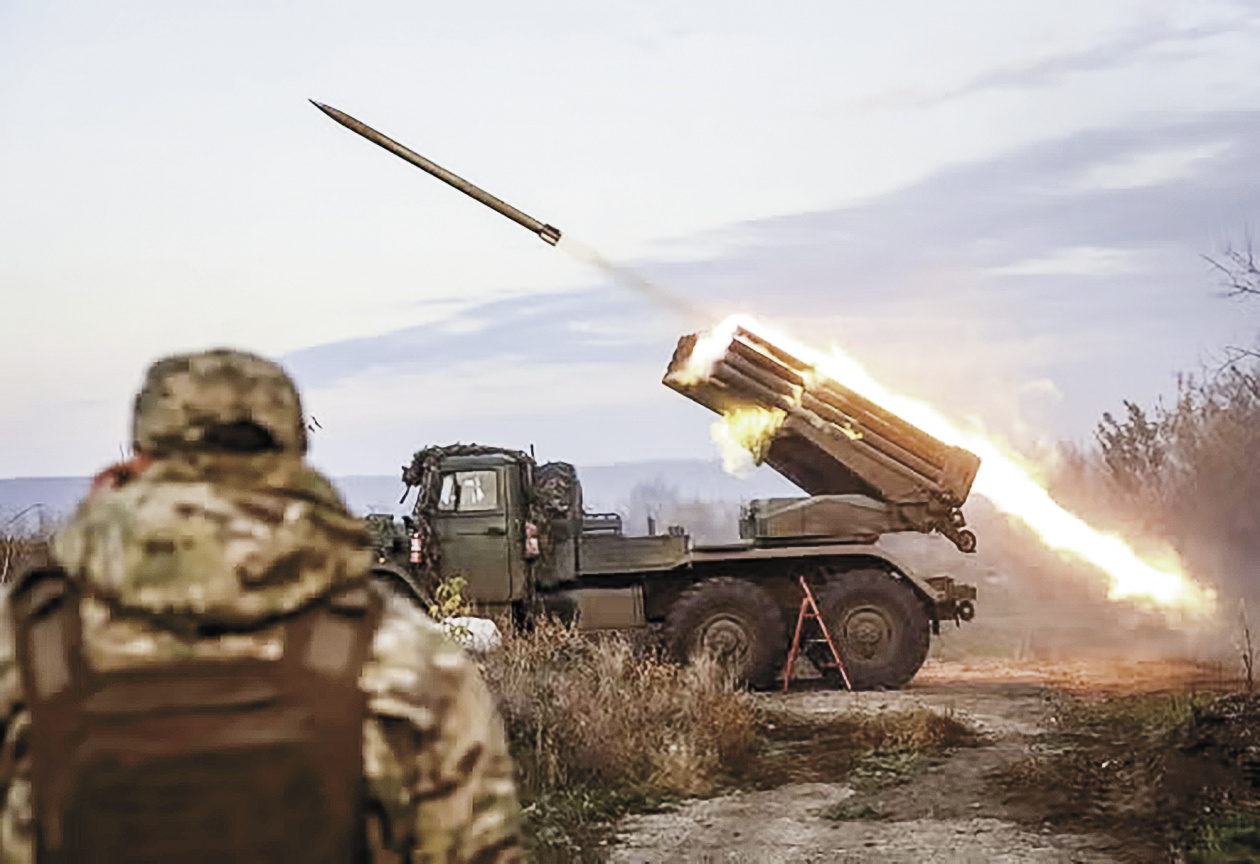
美对俄油制裁重塑供应格局 科威特称OPEC已为增产做好准备
智通财经网· 2025-10-24 02:41
美国财政部前一日声明指出,制裁原因在于"俄罗斯未认真致力于结束乌克兰战争的和平进程",此举标 志着特朗普对俄政策出现180度转向——此前他曾暂缓重大制裁并计划与普京会面,如今却打破西方此 前"限制收入但不影响供应"的石油政策框架。 制裁消息迅速冲击国际油市,布伦特原油价格飙升。俄罗斯石油供应再度面临中断风险,令本已因供应 过剩预期而承压的全球石油市场更趋紧张。据估算,俄罗斯石油公司与卢克石油公司作为俄罗斯最大两 家石油生产商,合计占其原油出口总量近半,而石油天然气税收更占俄联邦预算四分之一。 科威特石油部长塔里克·鲁米在科威特出席活动间隙透露,受俄罗斯大型石油公司最新制裁影响的国家 正将石油采购需求转向海湾地区及其他产油国。他同时警告称,针对俄罗斯能源行业的制裁措施将推高 全球油价。 据市场数据显示,周四布伦特原油期货价格单日涨幅超过5%,价格接近每桶66美元区间。此次价格波 动源于美国将俄罗斯石油巨头俄罗斯石油公司(Rosneft PJSC)和卢克石油公司(Lukoil PJSC)列入制裁名 单,引发市场对印度等主要买家可能中断与俄交易的市场担忧。若该趋势持续,原油价格势将创出自6 月13日伊以冲突爆发以来 ...
消息人士:印度准备大幅削减俄油进口
Sou Hu Cai Jing· 2025-10-23 23:57
Core Insights - Indian refiners are preparing to significantly reduce imports of Russian crude oil to comply with new U.S. sanctions on two major Russian oil producers [1] - This move may eliminate a major obstacle to reaching a trade agreement with the United States [1] - Reliance Industries, India's largest private refiner and a major buyer of Russian crude, plans to either reduce or completely halt imports of Russian oil [1] - Since the outbreak of the Russia-Ukraine conflict in 2022, India has become the largest buyer of Russian seaborne crude oil, averaging about 1.7 million barrels per day in the first nine months of this year [1]