
非物质文化遗产

Search documents
(寻味中华 | 艺林)渤海湾畔听渔鼓 道情古韵三百年
Zhong Guo Xin Wen Wang· 2026-02-08 02:09
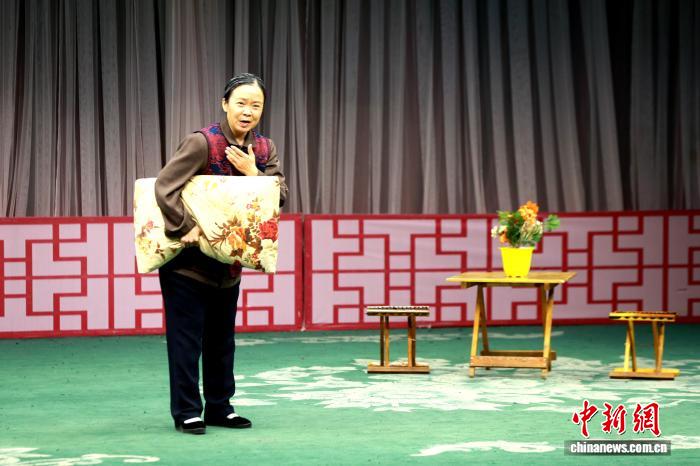
中新社山东沾化2月8日电 题:渤海湾畔听渔鼓 道情古韵三百年 作者 王采怡 周艺伟 梁犇 三百年前的渤海湾渔船上,劳累的渔民常在歇息时围坐,一人手执渔鼓击节领唱,众人随声应和。这是 渔鼓戏最初的"盘凳子"形态。如今,渔鼓声已从海上飘向陆地。 "扔下牲口撇下筐,庄里传出渔鼓腔。"在山东滨州沾化,渔鼓一响,农忙都为它"让路"。每年冬闲时, 艺人们聚集在戏房切磋技艺、排演新戏,一般从春节开始演出,一直演到农历正月结束。当下,《老邪 上任》《墙角》等渔鼓戏正在乡村戏台轮番上演。 沾化渔鼓戏,根植于中国戏曲的一个古老体系——道情戏。道情原是道教宣教布道的声腔艺术,源头可 追溯至唐代《承天》《九真》等道曲,在宋元时期演化为民间道歌,与各地方言、民俗融合,逐渐衍生 出陕北、晋北道情等众多分支,形成覆盖多地的道情戏"家族"。 1723年,道情戏随流布至此的道士传入渤海湾畔的沾化。它与当地独特的渔家生活、豪迈的民间武术以 及劳动号子、俚俗小调深度融合,逐渐演变成如今的沾化渔鼓戏。 "台上演员'一人唱',伴唱'众人和','一呼百应'是沾化渔鼓戏最鲜明的特色。"青年演员翟方梅说,其唱 腔以"三句一扣"为基本板式,每至关键处便有一铿 ...

【新春走基层】非遗“老手艺”遇上“新匠人” ——武强姐弟年画雕刻直播“出圈”记
Xin Lang Cai Jing· 2026-02-07 04:18
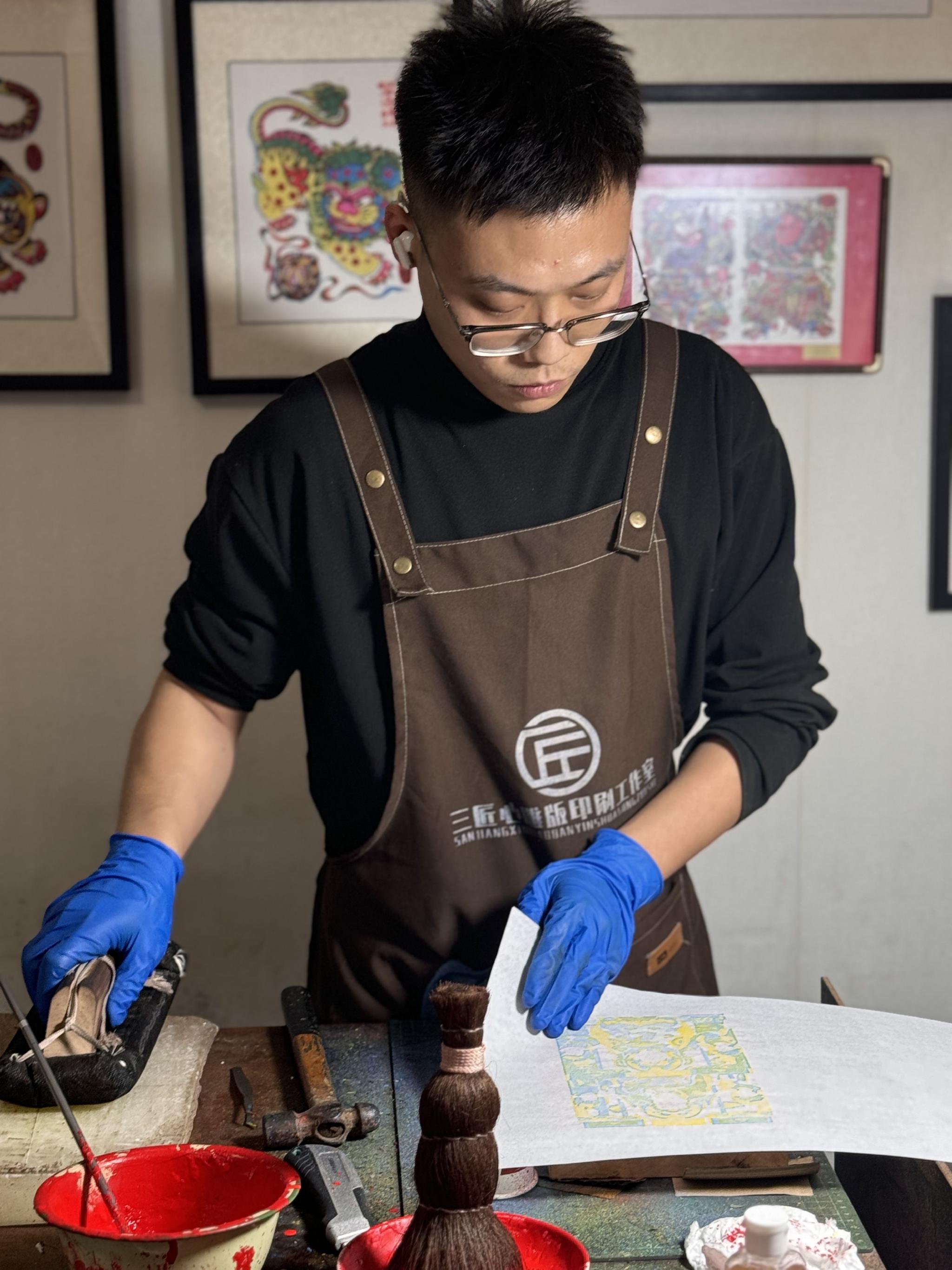
(来源:河北新闻网) 转自:河北新闻网 临近小年,武强县街关镇乔疃村年味儿渐浓。 2月2日晚8时许,位于村东的玉昇和武强年画工作室内,年画艺人韩冰调整好手机角度,开始了当天的直播。 武强木版年画,作为国家级非物质文化遗产代表性项目,曾经是北方农家过年时不可或缺的"风景"。"从腊月廿三开始,村民们就张罗着打扫庭院,揭下旧 的年画换上新的,寓意着辞旧迎新。过年期间,印着门神、财神、灶王爷的年画最畅销。"韩冰介绍。 韩冰身后工作室的墙上,"玉昇和"牌匾泛着柔和的光。这个由张玉庚创建于清末民初的年画字号,历经四代传承,如今交到了韩冰、韩佳俊姐弟手中。父亲 韩金刚在武强年画圈内小有名气,是如今武强县为数不多能够独立完成绘、刻、印、裱全流程的老艺人。从小耳濡目染,韩佳俊15岁便拿起刻刀,练出了一 手"陡刀立线"的硬功夫,和父亲双双被评为武强木版年画县级非物质文化遗产代表性传承人。 与其他售卖年画产品的直播间不同,韩冰主要展示武强木版年画刻印技艺。镜头下,刻刀轻推,木屑如花,一幅门神的眉眼渐渐清晰。"雕刻要根据线条疏 密随机应变走刀深浅。这样刻出来线条才曲中有直,棱角鲜明,尽显刀锋……"右手紧握刻刀,左手抵住刀头,辅助刀身 ...
国家级非遗代表性传承人记录工作成果山东特展举办
Da Zhong Ri Bao· 2026-02-07 01:02
Core Viewpoint - The exhibition titled "Cang Zhu Ming Shan, Chuan Zhi Qi Ren" showcases the achievements of the national intangible cultural heritage representative inheritors in Shandong over the past decade, emphasizing the importance of preserving and promoting these cultural practices through documentation and digital media [1] Group 1: Exhibition Overview - The exhibition is divided into five sections: "Chinese Cultural Heritage, Documented," "Archiving Truth, Value at Stake," "Artistry in Detail," "Upholding the Mission, Striving for Excellence," and "Time Passes, Skills Remembered," systematically displaying the results of the documentation work [1] - The exhibition will run from February 6 to March 4 and is open to the public for free [1] Group 2: Documentation Efforts - Since 2015, the Shandong Provincial Cultural Center has documented 78 national intangible cultural heritage representative inheritors using digital multimedia methods, preserving their skills and cultural understanding for future generations [1] - This documentation aims to provide valuable resources for inheritance, research, promotion, and utilization of intangible cultural heritage [1] Group 3: Additional Activities - During the intangible cultural heritage month, the Shandong Provincial Cultural Center will launch the "Jun Ma Ying Chun: Intangible Cultural Heritage Shines" exhibition featuring over 300 works across various categories such as carving, Lu brocade, New Year paintings, and embroidery [1] - The center will also hold a "Celebrate the New Year with Intangible Heritage: Shopping Festival" in two phases, showcasing selected local intangible cultural heritage products for sale, allowing citizens to experience the charm of intangible heritage while purchasing New Year goods [1]
(新春走基层)火花中的百年传奇 孟子故里山东邹城上演震撼“火虎”
Zhong Guo Xin Wen Wang· 2026-02-05 06:30
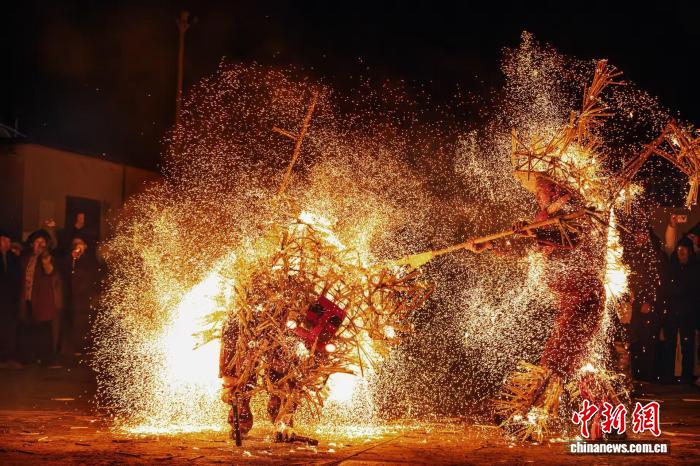
马年春节前夕,在山东省邹城市太平镇平阳寺村,山东省级非物质文化遗产代表性项目邹城"火虎"的演 出震撼登场。这项源自五代时期"十三太保李存孝打虎"传说的古老仪式,在激溅的火光中重现江湖。 (新春走基层)火花中的百年传奇 孟子故里山东邹城上演震撼"火虎" 中新网山东邹城2月5日电(沙见龙 宋文强)"开门放虎!"夜幕降临,随着广场灯光骤然熄灭,密集的锣鼓 声响起。一名身负特制"火甲"的表演者踩上高跷,周身瞬间迸发出数千条金色火线,宛如猛虎现身。与 之对峙的"打虎人"手持火捻哨棒,腾挪扑闪间,火星如瀑流泻,照亮夜空。 "没想到传统技艺这么震撼。"专程从邹城市区赶来观看演出的摄影爱好者张旭表示,"火虎"已有120余 年的历史,但以前只在资料里见过,"现场的火光轨迹和声响,完全超出了想象。" 短短30分钟的演出,背后是极致的工艺与严苛的风险控制。 据邹城"火虎"济宁市级代表性传承人周传朋介绍,"火虎"的虎皮用20块木板以铁丝连缀而成,每块木板 上有百余个小孔,每个小孔插入一根约30厘米长的礼花筋。虎头、虎尾用软白蜡条编成,外面绕以礼花 筋,蒙着红绸布的灯泡或手电筒用作虎眼,"每场演出前,都必须经过严格的安全测试与流程演练 ...
诗画入布,蜀缬不止青、白、蓝
Xin Lang Cai Jing· 2026-02-04 21:35
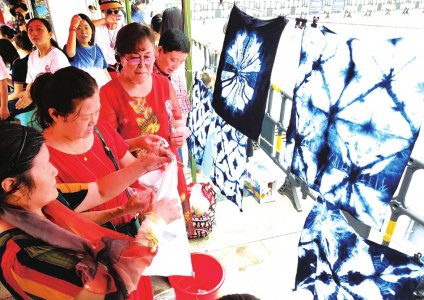
2020年6月,自贡举行"文化和自 然 遗 产 日"集中宣传 展 示 活动,观众感受自贡扎染非遗魅力。本报资料图 遗展。本报资料图 自贡举办的扎染活动。图据自贡方志 □刘可欣 秦怡 "缬(xié)",指以染色工艺形成的花纹织物。在诗词中,缬往往承载着美好的意象。如薛涛"竟将红缬 染轻纱"、白居易"成都新夹缬,梁汉碎胭脂"。流传于四川自贡的"蜀缬",即自贡扎染,便是典型代 表。 张晓平扎染作品《八十七神仙卷》(局部)。图据成华文体旅公众号 2022年7月,自贡扎染亮相成都"天府根脉"非 2 扎染技艺兼顾实用与美观 除了传统题材,自贡扎染常从古典艺术中汲取灵感。四川省工艺美术大师张宇仲创 作 的《簪 花 仕 女 图》,融汇国画与现代艺术手法,线条细致灵动,就连仕女高耸的发髻上,也缀有粉色折枝花与黄、橙 相间的头饰。 张宇仲之女、国家级非遗自贡扎染技艺代表性传承人张晓平,以唐代吴道子《八十七神仙卷》白描长卷 为蓝本进行再创作,复刻了"车辆出行图"等多块汉代画像砖图案;《敦煌伎乐图》则萃取敦煌壁画神 自贡扎染源于秦汉,历史深厚、影响至今,与龚扇、剪纸合称"自贡小三绝"。如今去自贡,体验扎染已 成感受当地文化的重要环节 ...
节令之美|立春:“春官”来催耕
Xin Lang Cai Jing· 2026-02-03 11:32
"一二三四五六七,万木生芽是今日。"2月4日,我们迎来二十四节气之首的立春。 一年之计在于春。古籍《群芳谱》云:"立,始建也。春气始而建立也。"立春后,多地气温逐渐回升, 春耕就要在我国不少地区陆续开始了。一些隆重又热闹的迎春劝耕习俗,也会在这个时节开展。 立春前 后,贵州石阡县的"春官"们开始外出进行"说春"。(新华社发 夏磊 摄) 在武陵山区的贵州石阡县,劝农耕作的"春官"们正在走村串户,用一场场说唱演出,来迎接春天的到 来。 "说讲耕来就讲耕,型耙铧口好耕春……"在石阡县花桥镇,52岁的"春官"张金回头戴"春官"帽、身 着"春官"服、手持木质"春牛",走到村民家中,用地道的方言说唱"春词",提醒农户及时耕作,不误农 时。 县"春官"张金回展示木质"春牛"。 新华社记者 李凡 摄 "石阡说春"分为"说正春"和"说野春"。"说正春"有固定春词,其主要内容包括"二十四节气歌""渔樵耕 读"等"春词",内容涵盖历史、地理、人文等方面。"说野春"也叫"说耍耍春",主要有"开财门""颂主 人""说茶"等"春词",内容丰富、灵活多变。"春官"挨家挨户宣讲节气农事,往往是未见其人先闻其 声。 "走到农户家,首先是'开财 ...
父亲的木偶戏
Xin Lang Cai Jing· 2026-02-02 23:10
木偶有二三十个。木偶头部,精雕细刻,惟妙惟肖。来不及新添木偶,就用黏性极强的黄泥巴塑,干后 彩绘成生旦净末丑等角色,穿褶子,戴纱帽,老生还要戴上胡须。花旦木偶,如花似玉;妖魔鬼怪,青 面獠牙。包公的额头上有"月牙"图案,奸臣是大白脸三角眼。有一个小丑,念起白来,嘴唇可开可合, 舌头可伸可缩,逗人发笑。根据剧情,还配有白马、猴子等道具。木偶制作精巧,主杆置于木偶的后背 中部,掌握身子的前俯后仰;侧杆两根,分置两臂,掌握两臂及手的动态。 木偶戏是书面语的表达,乡亲们都习惯将木偶戏叫"菩佬戏"。父亲唱木偶戏,多在春节前后的农闲时 节,应生产队之邀上门表演,地点在大屋的堂轩。两盏高挂的汽灯,闪着白色的光焰,发出"嗞嗞"的响 声,把场内照得通亮。记得布台两边的对联是:"有几件衣冠,任尔空心装大佬;无半点血色,亏他光 棍顶人头。"倒也耐人寻味。蓝色的幕布围成台口,观众在下堂轩观看。按照出场顺序,木偶依次挂在 围幕两边的铁丝上,随取随挂,得心应手。开场前,谈笑声,嗑瓜子声,嘈嘈切切。锣鼓一响,观众立 时安静下来,伸长脖子,争相观看。 父亲托木偶、演唱,文学老爹打锣帮腔儿。两人配合默契,丝丝入扣。我坐在围幕里,亲眼看见父亲双 ...
把老百姓的心里话带上会场
Xin Lang Cai Jing· 2026-02-01 20:19
Core Insights - The article highlights the efforts of Peng Qingdong, a provincial representative, in improving rural living conditions and promoting local industries, particularly focusing on the preservation and commercialization of traditional crafts like Tujia weaving [1]. Group 1: Rural Development Initiatives - Peng Qingdong has been actively involved in addressing the challenges faced by rural communities, such as healthcare access, poor road conditions, and inadequate drinking water [1]. - His initiatives have led to significant improvements in local infrastructure, including the widening of village roads, full coverage of tap water access, and the promotion of sanitary toilets [1]. Group 2: Economic Empowerment through Traditional Crafts - The focus has shifted towards enhancing local industries, particularly the Tujia weaving craft known as "Xilan Kapu," which has been developed into a business to support local women [1]. - Peng Qingdong has proposed the establishment of a provincial-level intangible cultural heritage demonstration area in Changsha to promote traditional crafts and expand their market reach [1].

化而为德润史章
Xin Lang Cai Jing· 2026-02-01 19:22
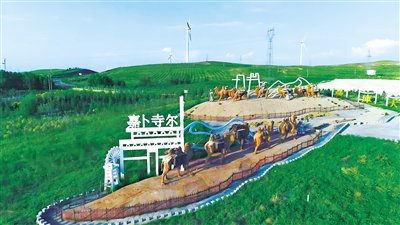
(来源:内蒙古日报) 转自:内蒙古日报 □本报记者 苏永生 高莉 阴山北麓,山峦起伏。在广袤的内蒙古高原上,沿着乌兰察布市集宁区向东北而行,有一座被阳光亲 吻、被风霜雕琢的小城——化德,她在时光的轨迹里积淀了深厚的文化底蕴,宛如一幅泼墨山水画,令 人沉醉其中。 岁月的星辰闪烁在光影里。新石器时代人类先民活动的痕迹,隐现在化德县68处裕民文化遗址中。元世 祖忽必烈设置的嘉卜寺尔驿站,是化德县最古老的称呼,伴随着北方草原丝绸之路张库大道的繁荣,这 里成为古道上一颗璀璨的明珠。 军旅歌曲《十五的月亮》发源于化德县秋灵沟,这首脍炙人口的歌曲,像沟内漫山遍野盛开的干枝梅, 色不衰、叶不落、枝不折,多年传唱、经久不息。 岁月无声 历史有痕 "化德"源于《论语》"崇尚礼仪,化而为德"。深厚的历史底蕴赋予了小城与生俱来的文化风骨,这片土 地也见证了人类历史的沧桑巨变。 今天的张库大道·嘉卜寺尔驿站文化旅游景点,以12峰骆驼、3.3米高的人物雕塑,让游客领略当年驼队 的风采。 峥嵘岁月 精神永恒 历史的车轮碾过岁月长河,红色的土壤绵延后世。广为传唱的军旅歌曲《十五的月亮》,就诞生于化德 县公腊胡洞乡秋灵沟。秋灵沟的名字源于每到 ...
在660多岁的城墙下过中国年 亲手体验非遗,是真正的“开门红”!
Xin Lang Cai Jing· 2026-02-01 17:15
Core Viewpoint - The event showcased various intangible cultural heritage (ICH) projects, emphasizing the importance of making traditional culture accessible and engaging for the public, particularly the younger generation [2][4]. Group 1: Event Highlights - Multiple ICH projects, including hand lion dance and qilin dance, were performed, creating a festive atmosphere for attendees [1]. - An interactive market featuring eight ICH projects allowed visitors to experience traditional crafts firsthand, enhancing cultural appreciation [1][4]. - The sugar painting booth was particularly popular, with children actively participating and enjoying the sweet creations [2]. Group 2: Cultural Engagement - The transmission of ICH relies on its integration into daily life, as expressed by the hand lion dance inheritor, who emphasized the need for public visibility and engagement [2]. - Foreign participants, including students from Ghana and Sri Lanka, engaged in traditional crafts, highlighting the cross-cultural appreciation of ICH [3]. - The event served as a platform for cultural dialogue, showcasing the significance of traditional arts in modern society [3]. Group 3: Hands-On Experiences - Visitors learned to create mini plush flowers and clay figurines, gaining insight into the complexity of these traditional crafts [4]. - The paper-cutting and lantern-making activities attracted families, allowing children to experience the joy of creating traditional art [4][5]. - The printing technique of Jinling Kejing was demonstrated, with international students expressing excitement over their creations, furthering their understanding of Chinese culture [7]. Group 4: Educational Impact - The event was described as a living platform for ICH, aiming to instill cultural identity in the youth through immersive experiences [7]. - Participants expressed a sense of accomplishment and joy from creating their own traditional crafts, reinforcing the educational value of such events [4][7].