
预制菜

Search documents
人造肉概念涨1.67%,主力资金净流入9股
Zheng Quan Shi Bao Wang· 2025-09-04 10:39
Group 1 - The plant-based meat concept index rose by 1.67%, ranking 8th among concept sectors, with 18 stocks increasing in value [1][2] - Leading stocks in the plant-based meat sector included SuoBao Protein, LingGe Technology, and HaiXin Food, which rose by 7.15%, 6.71%, and 4.42% respectively [1][2] - The sector experienced a net inflow of 0.14 billion yuan, with nine stocks receiving net inflows, led by SuoBao Protein with a net inflow of 28.15 million yuan [2][3] Group 2 - The top net inflow ratios in the plant-based meat sector were SuoBao Protein at 8.52%, JiaHua Co. at 7.55%, and FuXiang Pharmaceutical at 7.10% [3][4] - The trading volume for SuoBao Protein was 16.09%, while other notable stocks included AnQi Yeast and FuXiang Pharmaceutical with trading volumes of 1.03% and 3.10% respectively [3][4] - Stocks that saw declines included GuoEn Co. and XueRong Biological, which fell by 3.09% and 0.83% respectively [1][4]


F5G概念下跌4.87%,11股主力资金净流出超亿元
Zheng Quan Shi Bao Wang· 2025-09-04 10:34
Group 1 - F5G concept declined by 4.87%, ranking among the top declines in concept sectors, with companies like Cambridge Technology, Huagong Technology, and Guangxun Technology hitting the limit down [1] - Major funds saw a net outflow of 5.911 billion yuan from the F5G concept sector today, with 29 stocks experiencing net outflows, and 11 stocks seeing outflows exceeding 100 million yuan [2] - The stock with the highest net outflow was Zhongji Xuchuang, with a net outflow of 2.003 billion yuan, followed by Huagong Technology, Taicheng Light, and Cambridge Technology [2] Group 2 - The top gainers in the F5G concept sector included Chuangwei Digital and Meiansen, with increases of 4.56% and 0.67% respectively [3] - The overall market performance showed that the F5G concept was among the sectors with significant losses, alongside sectors like CPO and advanced packaging [2] - The trading volume for Zhongji Xuchuang was 8.49%, indicating a high turnover rate despite the decline [3]





2.81亿主力资金净流入,供销社概念涨1.22%
Zheng Quan Shi Bao Wang· 2025-09-04 10:32
Group 1 - The supply and marketing cooperative concept index rose by 1.22%, ranking 10th among concept sectors, with 12 stocks increasing in value, led by Gongxiao Daji, Tian'e Co., and Zhejiang Agricultural Shares, which rose by 7.78%, 3.74%, and 2.80% respectively [1] - The top three stocks with the largest net inflow of main funds in the supply and marketing cooperative sector were Gongxiao Daji, Yaqi International, and Huilong Shares, with net inflows of 321 million, 18.39 million, and 3.93 million respectively [1] - The supply and marketing cooperative sector saw a net inflow of 281 million in main funds today, indicating strong investor interest [1] Group 2 - The main fund inflow ratios for Gongxiao Daji, Huilong Shares, and Yaqi International were 5.35%, 4.90%, and 4.86% respectively, indicating significant investor confidence in these stocks [2] - The trading volume and turnover rates for the top stocks in the supply and marketing cooperative sector showed active trading, with Gongxiao Daji having a turnover rate of 14.99% [2] - Stocks such as Zhejiang Agricultural Shares and Huangshan Guojie experienced declines of 2.80% and 2.11% respectively, highlighting some volatility within the sector [3]



数据复盘丨商贸零售、银行等行业走强 龙虎榜机构抢筹12股
Zheng Quan Shi Bao Wang· 2025-09-04 10:24
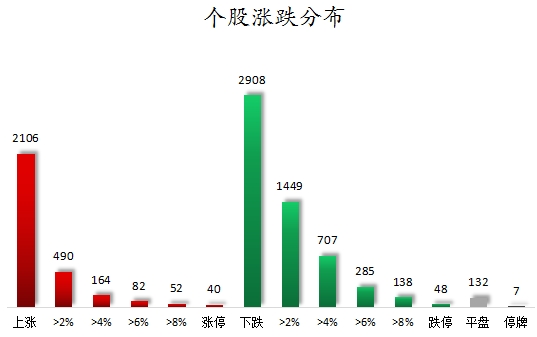
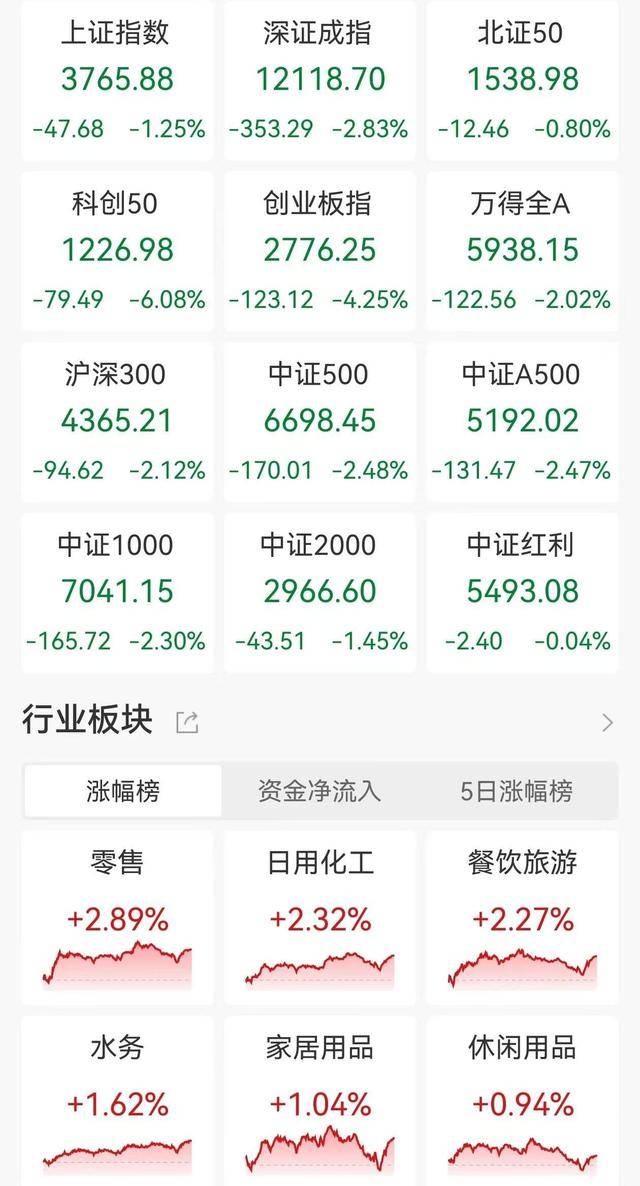
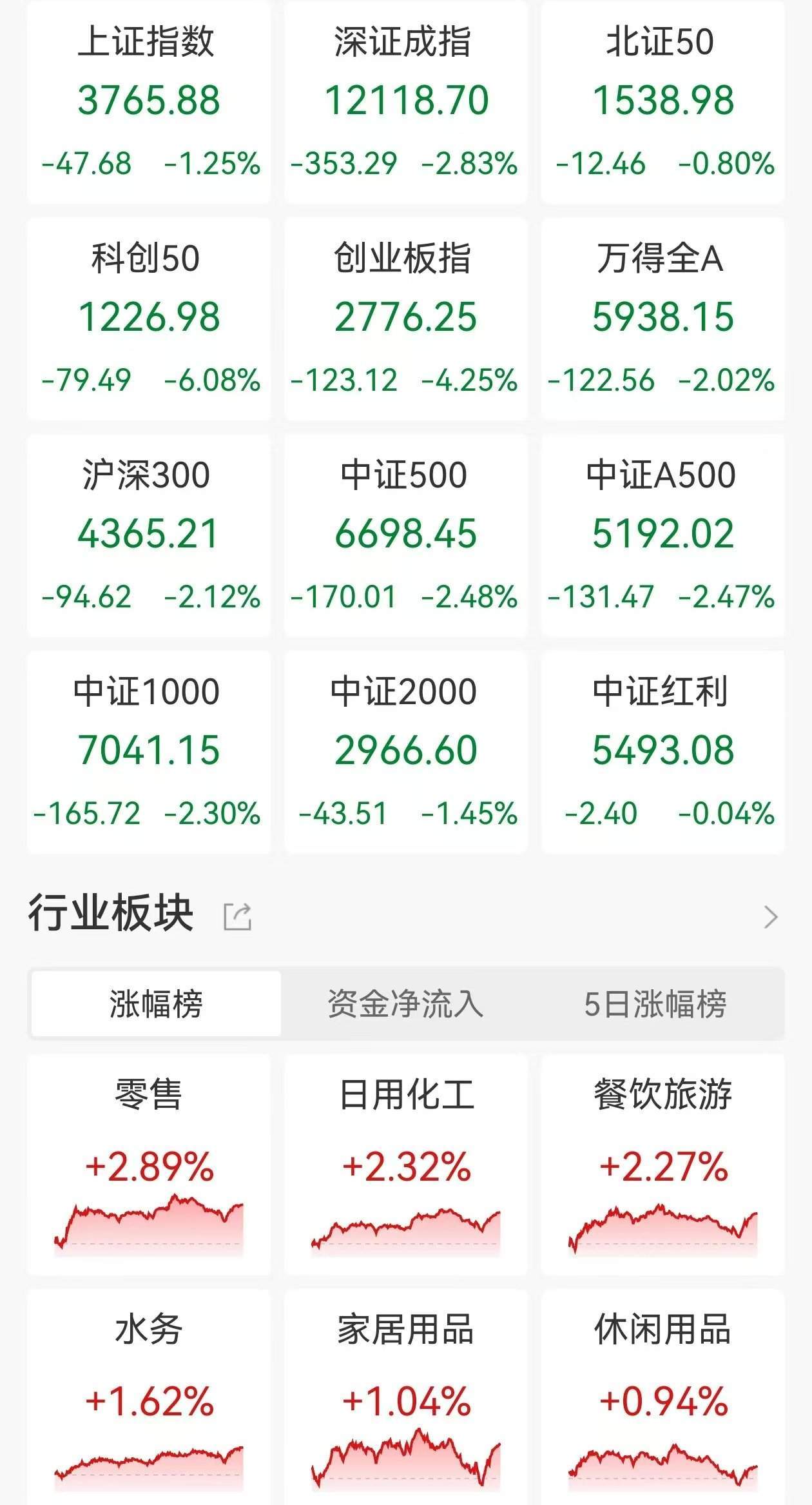
Market Overview - The Shanghai Composite Index closed at 3765.88 points, down 1.25%, with a trading volume of 1,107.9 billion yuan [1] - The Shenzhen Component Index closed at 12118.70 points, down 2.83%, with a trading volume of 1,436.4 billion yuan [1] - The ChiNext Index closed at 2776.25 points, down 4.25%, with a trading volume of 716.3 billion yuan [1] - The total trading volume of both markets was 2,544.3 billion yuan, an increase of 180.2 billion yuan compared to the previous trading day [1] Sector Performance - Strong sectors included retail, banking, beauty care, textile and apparel, and light industry manufacturing [3] - Active concepts included community group buying, dairy, prepared dishes, duty-free, pet economy, and ice and snow economy [3] - Weak sectors included telecommunications, electronics, non-ferrous metals, defense and military, computers, machinery, pharmaceuticals, and automobiles [3] Capital Flow - The net outflow of main funds from the Shanghai and Shenzhen markets was 67.68 billion yuan, with the ChiNext seeing a net outflow of 31.95 billion yuan [7][8] - Six sectors experienced net inflows, with the retail sector seeing the highest net inflow of 1.27 billion yuan [8] - The computer sector had the largest net outflow of 13.03 billion yuan [8] Individual Stock Performance - A total of 1783 stocks saw net inflows, with 57 stocks receiving over 1 billion yuan in net inflows [12] - The stock with the highest net inflow was Shengli Precision, with a net inflow of 787 million yuan [12][13] - A total of 3360 stocks experienced net outflows, with 200 stocks seeing over 1 billion yuan in net outflows [15] - The stock with the highest net outflow was Yanshan Technology, with a net outflow of 3.026 billion yuan [15][16] Institutional Activity - Institutional investors had a net buying of approximately 216 million yuan, with the highest net buying in Tianfu Communication at about 623 million yuan [19][20] - The stocks with the highest net selling included Data Port, with a net selling amount of approximately 176 million yuan [19][20]

9月4日沪深两市强势个股与概念板块
2 1 Shi Ji Jing Ji Bao Dao· 2025-09-04 10:21
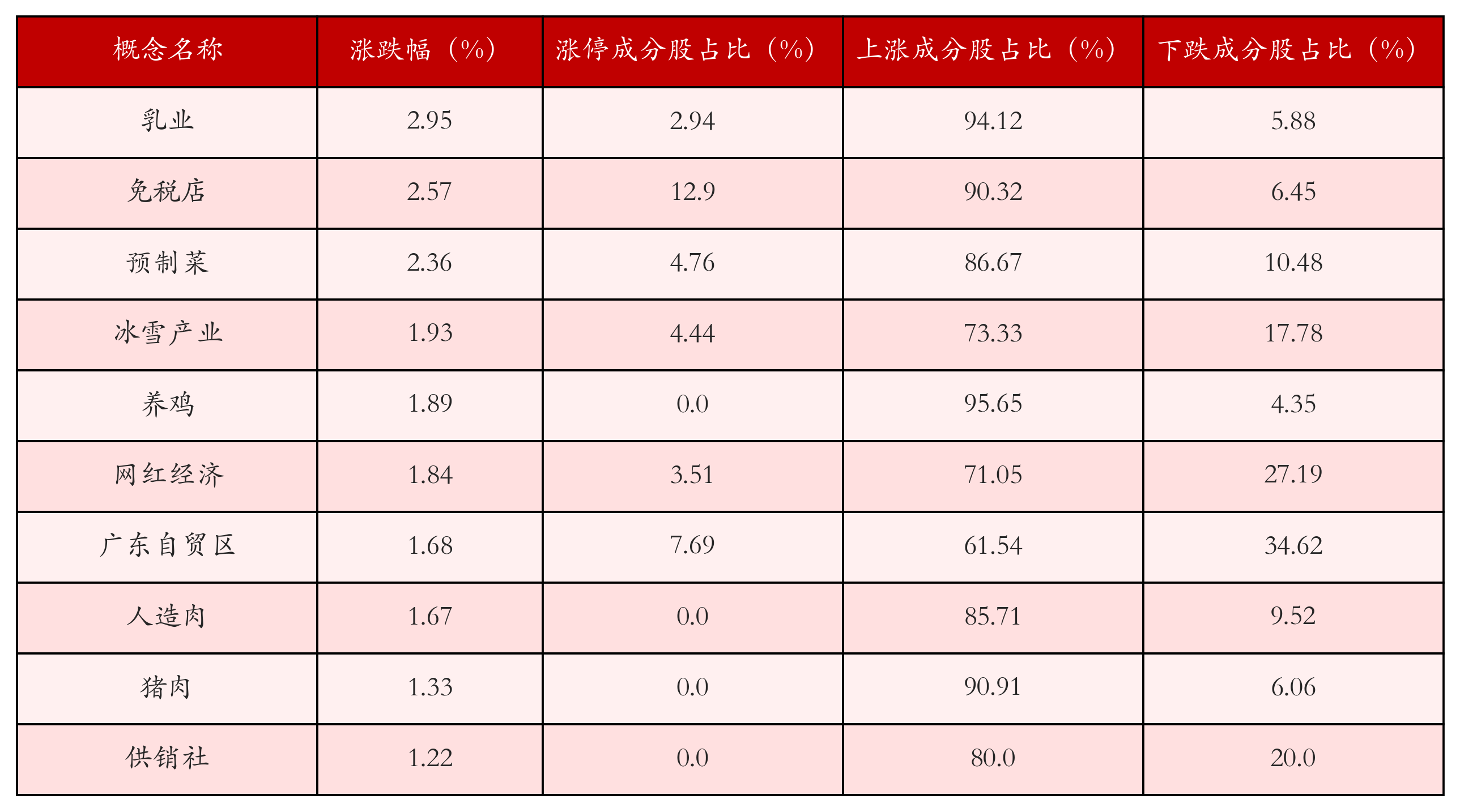
Group 1 - The Shanghai Composite Index fell by 1.25% to 3765.88 points, the Shenzhen Component Index decreased by 2.83% to 12118.7 points, and the ChiNext Index dropped by 4.25% to 2776.25 points as of September 4 [1] - A total of 40 stocks in the A-share market hit the daily limit up, with the top three strong stocks being Guoguang Chain (605188), China Ruilin (603257), and Eurasia Group (600697) [1] - The top 10 strong stocks are detailed in the accompanying table [1] Group 2 - The top three concept sectors with the highest gains were Dairy Industry (2.95%), Duty-Free Shops (2.57%), and Prepared Dishes (2.36%) [2] - Other notable sectors included Ice and Snow Industry (1.93%), Chicken Farming (1.89%), and Internet Celebrity Economy (1.84%) [2] - The top 10 concept sectors are listed in the accompanying table [2]


A股收评:深度回调,科创50跌逾6%创指跌逾4%,CPO概念、半导体重挫!近3000股下跌,成交2.58万亿放量1862亿
Sou Hu Cai Jing· 2025-09-04 08:06
Market Overview - Major A-share indices collectively declined, with the Shanghai Composite Index falling by 1.25% to 3765 points, the Shenzhen Component Index down 2.83%, the ChiNext Index down 4.25%, and the STAR Market 50 Index down 6.08% [1][2] - The total trading volume for the day reached 2.58 trillion yuan, an increase of 186.2 billion yuan compared to the previous trading day [1] Sector Performance - The CPO concept stocks experienced significant declines, with companies like Tianfu Communication, Taicheng Light, and Xinyi Sheng dropping over 10% [4] - The semiconductor and memory chip sectors also faced substantial losses, with stocks such as Cambrian Technology, Haiguang Information, and Huahong Technology falling more than 10% [4] - The communication equipment sector declined, highlighted by Cambridge Technology hitting the daily limit down [4] - Other sectors like PCB and electronic components weakened, with companies such as Dongshan Precision and Hudian Co. also hitting the daily limit down [4] - Conversely, the commercial retail and tax refund store sectors showed resilience, with stocks like Guoguang Chain and Baida Group reaching the daily limit up [4] - Consumer stocks, particularly in dairy, prepared dishes, and food and beverage sectors, saw gains, with companies like Huanlejia and Anji Food hitting the daily limit up [4] - The banking sector experienced fluctuations but trended upwards, with Agricultural Bank reaching a new high [4] - The pet economy sector surged, with Yiyi Co. hitting the daily limit up [4] - Outdoor camping, supply cooperative concepts, and tourism hotel sectors also showed strong performance [4]
A股收评:指数深度回调,科创50跌逾6%,创业板指跌逾4%,CPO概念、半导体板块重挫!近3000股下跌,成交2.58万亿放量1862亿
Sou Hu Cai Jing· 2025-09-04 07:42
Market Overview - Major A-share indices collectively declined, with the Shanghai Composite Index falling by 1.25% to 3765 points, the Shenzhen Component down 2.83%, the ChiNext Index down 4.25%, and the STAR Market 50 Index down 6.08% [1][2] - The total trading volume for the day reached 2.58 trillion yuan, an increase of 186.2 billion yuan compared to the previous trading day [1] Sector Performance - The CPO concept stocks experienced significant declines, with companies like Tianfu Communication, Taicheng Light, and Xinyi Sheng dropping over 10% [3] - The semiconductor and memory chip sectors also faced substantial losses, with stocks such as Cambrian and Huagong Information falling more than 10% [3] - The communication equipment sector weakened, highlighted by Cambridge Technology hitting the daily limit down [3] - Other sectors like PCB and electronic components saw multiple stocks, including Dongshan Precision and Hudian Co., hit the daily limit down [3] - Conversely, the commercial retail and tax refund store sectors showed strength, with stocks like Guoguang Chain and Baida Group reaching the daily limit up [3] - Consumer stocks, particularly in dairy, prepared dishes, and food and beverage sectors, led the gains, with companies like Huanlejia and Anji Food hitting the daily limit up [3] - The banking sector showed a slight upward trend, with Agricultural Bank reaching a new high [3] - The pet economy sector saw a rise, with Yiyi Co. hitting the daily limit up [3] - Outdoor camping, supply cooperative concepts, and tourism hotel sectors also performed well [3]

海上新广东·新粮仓图集
Nan Fang Nong Cun Bao· 2025-09-04 06:33
Core Viewpoint - Guangdong is advancing its marine aquaculture industry, focusing on deep-sea farming and innovative technologies to enhance seafood production and ensure food security [26][29]. Group 1: Marine Aquaculture Development - The "Zhan Nong 1" platform, an autonomous deep-sea aquaculture facility, has successfully withstood a super typhoon rated at 17 [3][7]. - The "Hai Wei 2" platform has a capacity of 30,000 cubic meters and continuously yields fish throughout the year [10][11]. - Guangdong's deep-sea aquaculture matrix includes 6,517 gravity-based deep-water cages and 15 intelligent cage structures, making it the largest in the country [11]. Group 2: Technological Innovations - The integration of "wind power generation + aquaculture" is being explored in Yangjiang, showcasing a dual-use approach [14]. - A laboratory in Zhanjiang has successfully cultivated 300,000 large yellow croaker fry, contributing to the breeding stock for deep-sea farming [13][17]. - The use of advanced liquid nitrogen freezing technology in Zhuhai's prepared food industry enhances the preservation of fresh seafood [19]. Group 3: Economic Impact and Market Expansion - By 2024, Guangdong is projected to produce 6.796 billion fry, dominating the national market with a significant share [18]. - The region's seafood processing and e-commerce initiatives are driving substantial sales growth, enhancing the premium value of local seafood products [21][22]. - Guangdong's marine production value is expected to exceed 2 trillion yuan in 2024, maintaining its leadership in the national marine economy for 30 consecutive years [24][26].

午间涨跌停股分析:31只涨停股、24只跌停股,商业零售概念走强,汇嘉时代4天2板
Xin Lang Cai Jing· 2025-09-04 04:02
Core Viewpoint - The A-share market showed significant activity with 31 stocks hitting the daily limit up and 24 stocks hitting the limit down, indicating a volatile trading environment on September 4th [1] Group 1: Stock Performance - The pre-made food sector was notably active, with stocks like Bubugao and Lingnan Holdings reaching the daily limit up [1] - The commercial retail sector also strengthened, highlighted by Huijia Times achieving two limit ups in four days, and Eurasia Group achieving two consecutive limit ups [1] - Stocks with consecutive limit ups included Changjiang Materials with four limit ups in eight days, Jimin Health with four limit ups in seven days, and China Ruilin with three limit ups in four days [1] Group 2: Declining Stocks - *ST Gaohong faced a continuous decline with 19 consecutive limit downs, while *ST Wanfa and *ST Yatai experienced two consecutive limit downs [1] - Other stocks such as *ST Baoying and Zhaoxin Shares also faced limit downs [1]

煌上煌涨2.08%,成交额4375.80万元,主力资金净流入211.08万元
Xin Lang Cai Jing· 2025-09-04 02:33
Company Overview - Jiangxi Huangshanghuang Group Food Co., Ltd. is located in Nanchang, Jiangxi Province, and was established on April 1, 1999. The company was listed on September 5, 2012. Its main business involves the development, production, and sales of marinated meat products and quick-consumption cold dishes [2] - The revenue composition of the company includes: fresh products 60.71%, rice products 31.67%, slaughter processing 4.12%, packaging products 1.97%, others 1.49%, and testing services 0.04% [2] - The company belongs to the food and beverage industry, specifically in the leisure food and cooked food sector, and is associated with concepts such as small-cap, leisure food, new retail, cold chain logistics, and prepared dishes [2] Financial Performance - For the first half of 2025, the company achieved operating revenue of 984 million yuan, a year-on-year decrease of 7.19%. However, the net profit attributable to the parent company was 76.92 million yuan, reflecting a year-on-year increase of 26.90% [2] - Since its A-share listing, the company has distributed a total of 518 million yuan in dividends, with 169 million yuan distributed over the past three years [3] Stock Market Activity - As of September 4, the company's stock price increased by 2.08%, reaching 12.28 yuan per share, with a total market capitalization of 6.87 billion yuan [1] - Year-to-date, the stock price has risen by 45.84%, but it has seen a decline of 2.46% over the last five trading days and a 15.54% drop over the last 20 days [1] - The company has appeared on the "Dragon and Tiger List" once this year, with the most recent occurrence on August 12, where it recorded a net buy of -36.98 million yuan [1] Shareholder Information - As of August 29, the number of shareholders for the company was 36,300, an increase of 0.59% from the previous period. The average circulating shares per person decreased by 0.59% to 14,099 shares [2] - As of June 30, 2025, Hong Kong Central Clearing Limited was the eighth largest circulating shareholder, holding 1.4452 million shares as a new shareholder [3]
