反垄断

Search documents
马斯克转发Grok高评分截图,继续指责苹果损害竞争
Xin Lang Cai Jing· 2025-08-25 23:51
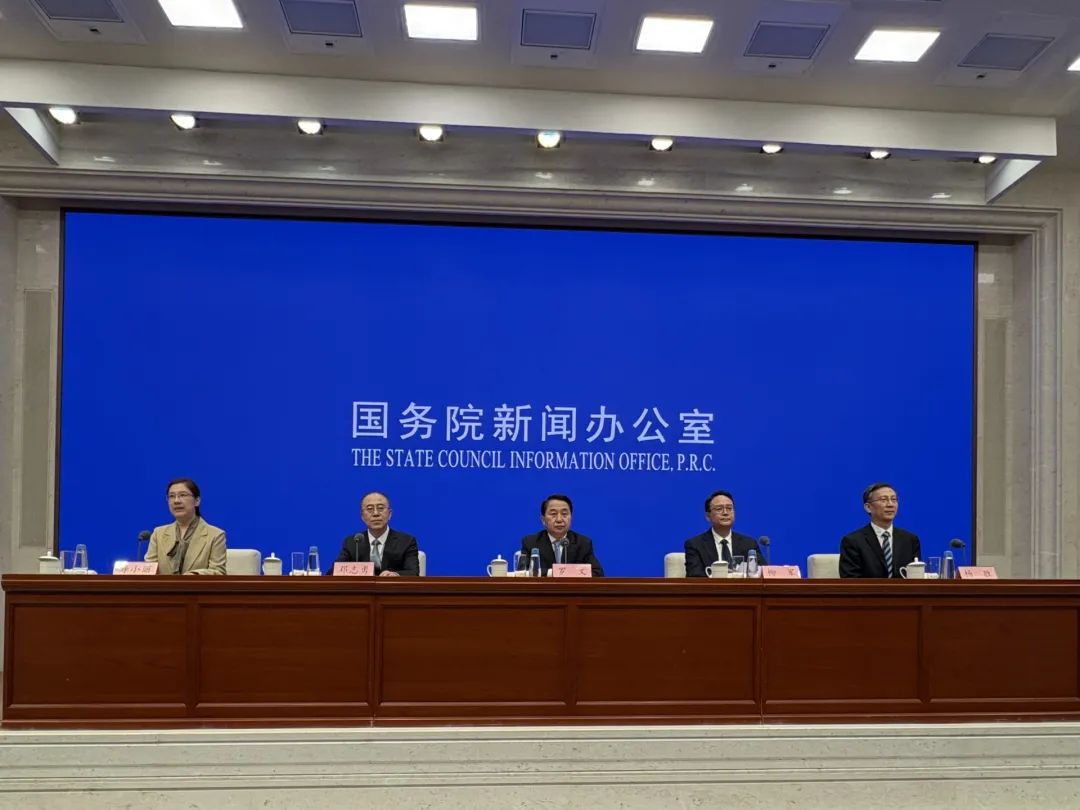
马斯克旗下人工智能初创公司xAI周一对苹果和OpenAI提起反垄断诉讼,指控他们联手阻碍人工智能领 域的竞争。马斯克在X上转发了一位用户分享的xAI的人工智能聊天机器人Grok在Google Play上的应用 评分截图,显示其下载次数超过5000万,评论数量超过100万条,平均评分为4.9。马斯克评论 称:"Grok有100万条评论,平均4.9分,但苹果仍然拒绝在任何榜单上提及Grok。" ...


因垄断行为被罚近7000万元 原料药龙头津药药业上半年归母利润同比下滑65%
Mei Ri Jing Ji Xin Wen· 2025-08-25 10:08
Core Viewpoint - Tianyao Pharmaceutical reported the most significant decline in net profit in 20 years for the first half of 2025, with a 65.28% year-on-year decrease in net profit and an 11.81% drop in revenue, returning to 2019 levels [1][2]. Financial Performance - The company achieved approximately 1.588 billion yuan in revenue, a decrease of 11.81% year-on-year, with a net profit attributable to shareholders of 49.3042 million yuan, down 65.28% [1]. - The net cash flow from operating activities was 20.2006 million yuan, a significant decline of 93.60% year-on-year [1][5]. - The overall gross margin decreased by 4.62 percentage points, with the gross margin for formulation products dropping by over 14 percentage points [2][3]. Product and Market Analysis - Steroid hormone raw materials accounted for over 60% of the company's exports to more than 70 countries and regions [1]. - In the first half of the year, steroid hormone raw materials contributed significantly to the company's revenue, with approximately 60% from steroid hormones and 30% from amino acid raw materials [1]. - The company faced a 20% tariff on raw materials and formulation products exported to the U.S., but the impact was deemed manageable due to the small proportion of revenue from U.S. sales [4]. Regulatory and Compliance Issues - Tianyao Pharmaceutical has faced multiple penalties for monopolistic practices, with fines exceeding 69 million yuan in the first half of the year, surpassing the net profit for the same period [1][6]. - The company has been involved in several antitrust cases, including a significant penalty of over 44 million yuan in 2021 for monopolistic behavior related to a specific raw material [7][9]. - Following recent penalties, the company has committed to implementing corrective measures and increasing R&D investment, which currently accounts for less than 4% of revenue [9].


努力营造更有活力、更加公平的市场环境
Ren Min Ri Bao· 2025-08-25 07:36
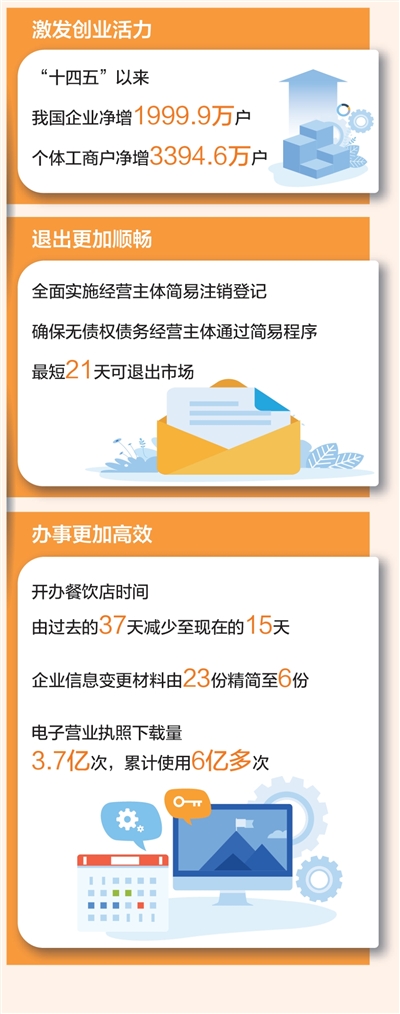
Group 1 - Since the beginning of the "14th Five-Year Plan," the net increase of enterprises in China reached 19.999 million, while individual businesses increased by 33.946 million [1][6] - The market exit process has been streamlined, allowing debt-free entities to exit the market in as little as 21 days through simplified procedures [1][6][7] - The time required to open a restaurant has been reduced from 37 days to 15 days, and the number of documents needed for business information changes has been cut from 23 to 6 [1][7] Group 2 - The national market supervision system has focused on both regulatory norms and promoting development, creating a more vibrant and fair market environment [2] - The unified national market is being developed to ensure fair competition among various business entities, with measures to eliminate local protectionism and prevent market monopolies [3][5] - The enforcement of anti-monopoly laws has been strengthened, with significant actions taken against monopolistic practices in key sectors [3][4] Group 3 - A total of 42,200 important policy measures have been reviewed under the fair competition review mechanism, with modifications suggested for 11,400 of them [4] - The national market supervision department has handled 89.028 million complaints, recovering economic losses of 21.71 billion [4] - The enterprise credit index has increased from 128.6 in 2020 to 161.61 in the first half of 2025, reflecting improved credit regulation [4] Group 4 - The quality of food safety has remained stable, with strict regulations and monitoring in place for various food products [8] - The pharmaceutical industry has seen significant growth, with 204 innovative drugs approved during the "14th Five-Year Plan," positioning China as the second-largest pharmaceutical market globally [8][9] - The industrial product quality safety situation is stable, with 220,000 batches of non-compliant products identified and dealt with [9]
市场监管总局答每经记者问:坚决纠治各种封闭“小市场”等行为
Mei Ri Jing Ji Xin Wen· 2025-08-24 14:27
Core Viewpoint - The Chinese government is focusing on high-quality development of market regulation during the "14th Five-Year Plan" period, emphasizing the construction of a unified national market to facilitate domestic circulation and eliminate local protectionism [1][2]. Group 1: Market Regulation Achievements - The State Administration for Market Regulation has taken significant actions to combat administrative monopolies, with 239 cases of administrative monopoly investigated and over 8,000 local standards eliminated [1][3]. - A series of effective mechanisms have been established to enhance domestic circulation, including the first major revision of the Anti-Monopoly Law in 15 years and the third revision of the Anti-Unfair Competition Law [2][3]. - The establishment of a fair competition review mechanism has led to the review of 42,200 important policy measures, with 11,400 receiving modification suggestions to prevent adverse policies from being enacted [3][4]. Group 2: Focus on Key Sectors - Continuous anti-monopoly enforcement actions in the livelihood sector have led to the investigation of monopolistic practices in pharmaceuticals, utilities, and construction materials, effectively reducing public living costs [3][4]. - The market regulation department has reviewed 3,400 cases of operator concentration and addressed 145 illegal cases, maintaining fair competition in the market [3][4]. Group 3: Platform Economy Regulation - The rapid development of the platform economy has prompted the need for balanced regulation, with new rules established to enhance regulatory effectiveness while promoting healthy industry growth [6][7]. - Significant actions have been taken against online market irregularities, including the removal of 4.541 million illegal product listings and the investigation of 105,000 internet-related cases [7]. - The market regulation department is committed to improving compliance management mechanisms for platforms and enhancing communication with various stakeholders to ensure a supportive regulatory environment [7].
专访黄勇:行业“反内卷”需规避垄断风险
经济观察报· 2025-08-24 08:48
Core Viewpoint - The article emphasizes that "anti-involution" should not be equated with "anti-competition" and requires systematic measures to address its complex causes rather than simplistic solutions like price increases or capacity reduction [1][3][15]. Summary by Sections Involution in Industries - Involution-style competition has been spreading across various industries, characterized by price mechanism failures, low innovation, and market disorder, indicating systemic issues like insufficient effective demand and inefficient resource allocation [2][16]. - The Central Economic Work Conference in December 2024 proposed comprehensive measures to rectify involution-style competition, prompting responses from various ministries and industry associations [2][6]. Role of Industry Associations - Industry associations and leading enterprises are taking initiatives to address involution through self-regulation agreements on price and capacity, although these may raise antitrust concerns [2][7]. - Huang Yong, a professor specializing in antitrust law, warns that some actions by industry associations may already pose legal risks under China's Antitrust Law [3][5]. Antitrust Concerns - Antitrust behavior is categorized into three types: inherently illegal actions, core behaviors, and those subject to reasonable analysis [3]. - Current initiatives by industry associations focusing on price and capacity coordination may violate antitrust regulations, leading to significant compliance risks for Chinese industries [3][7]. Types of Involution - Huang categorizes involution into three types: 1. Policy-driven involution, often seen in traditional manufacturing and AI sectors, where local government interventions distort market competition [16][19]. 2. Market distortion involution, prevalent in e-commerce and platform industries, where price competition overshadows quality and innovation [16][18]. 3. Behavior infringement involution, characterized by low-quality products flooding the market, marginalizing quality enterprises [18][19]. Systematic Solutions - Addressing involution requires a multifaceted approach that respects market dynamics and promotes innovation, including enhancing intellectual property protection and improving regulatory capabilities [19]. - The article stresses the importance of a coordinated policy framework that integrates competition, industrial, fiscal, and employment policies to effectively tackle involution [19].

专访黄勇:行业“反内卷”需规避垄断风险
Jing Ji Guan Cha Wang· 2025-08-24 05:06
Core Viewpoint - The article discusses the ongoing issue of "involution" competition across various industries, characterized by price mechanism failures, low innovation, and market disorder, reflecting systemic problems such as insufficient effective demand and inefficient resource allocation [3][12] Summary by Sections Involution Competition - Involution competition manifests as price mechanism failures, low innovation, and market disorder, indicating systemic issues in effective demand and resource allocation [3] - The Central Economic Work Conference in December 2024 emphasized the need to comprehensively address involution competition and regulate the behaviors of local governments and enterprises [3] Industry Associations and Actions - Various industry associations and leading enterprises have initiated actions to combat involution competition through self-regulation agreements on price and capacity [5][6] - However, these actions may raise antitrust concerns, as they could lead to monopolistic behaviors [5][6] Antitrust Risks - Yellow Yong categorizes monopolistic behaviors into three types, with "core cartel" agreements being a primary focus of antitrust law [4][6] - Industry associations must operate within legal frameworks to avoid antitrust risks, particularly concerning price and capacity coordination [5][6] Regulatory Framework - The Antitrust Guidelines issued in 2024 detail behaviors that could lead to monopolistic agreements, emphasizing the need for industry associations to be cautious [6][7] - High-risk behaviors include exchanging sensitive competitive information and setting industry price guidelines, which could lead to antitrust violations [7] Exemption Procedures - Antitrust laws in various countries, including China, provide exemption clauses for certain behaviors during economic downturns or industry overcapacity [8][9] - The burden of proof for demonstrating that a monopolistic agreement benefits market competition is high, especially for price and capacity agreements [8][9] Impact on International Operations - Industry associations and enterprises must be aware of the implications of their actions on international operations, as antitrust laws are strictly enforced globally [10][11] - The guidelines for overseas antitrust compliance highlight the risks associated with monopolistic agreements, including verbal agreements and coordinated actions [10][11] Complexity of Involution Causes - Involution has complex causes, categorized into policy-driven, market distortion, and behavior infringement types, each requiring tailored regulatory approaches [13][14][15] - The need for a comprehensive approach to address involution competition is emphasized, respecting market dynamics and promoting a balanced regulatory environment [15]

努力营造公平、活力、放心市场环境
Jing Ji Ri Bao· 2025-08-23 01:07
Core Viewpoint - The Chinese government is committed to creating a fair, vibrant, and trustworthy market environment during the "14th Five-Year Plan" period, focusing on high-quality market regulation and development [1] Group 1: Market Regulation Achievements - The enterprise credit index increased from 128.6 in 2020 to 161.61 in the first half of 2025, indicating improved market trust [1] - The manufacturing quality competitiveness index, service quality satisfaction, and public service quality satisfaction reached 85.86, 81.33, and 81.62 respectively [1] Group 2: Anti-Monopoly and Competition Laws - The "Anti-Monopoly Law" underwent its first major revision in 15 years in 2022, aimed at preventing capital disorderly expansion and enhancing market competition [2] - The third revision of the "Anti-Unfair Competition Law" strengthens the legal basis for competition policy, adapting to new market conditions [2] - A total of 239 administrative monopoly cases were investigated, and over 8,000 local standards were eliminated to promote a unified national market [3] Group 3: Optimizing Business Environment - The new "Company Law" allows for a maximum 5-year capital contribution period, improving the quality of registered capital [4] - The time to open a restaurant has been reduced from 37 days to 15 days, and the number of documents required for business registration has been cut from 23 to 6 [4] - The electronic business license has been downloaded 370 million times, facilitating business operations [4] Group 4: Food Safety Management - A total of 2.26 million food safety cases were investigated, with 3,072 licenses revoked and 23,800 individuals restricted from employment [6] - Continuous high pass rates for major food products have been maintained, ensuring food safety for consumers [6] - The government is enhancing compliance guidance for platform enterprises and developing regulatory frameworks for new consumption scenarios like online shopping and food delivery [6]
“三只羊”“东北雨姐”等被点名,国家市场监管总局最新发声
凤凰网财经· 2025-08-22 15:16
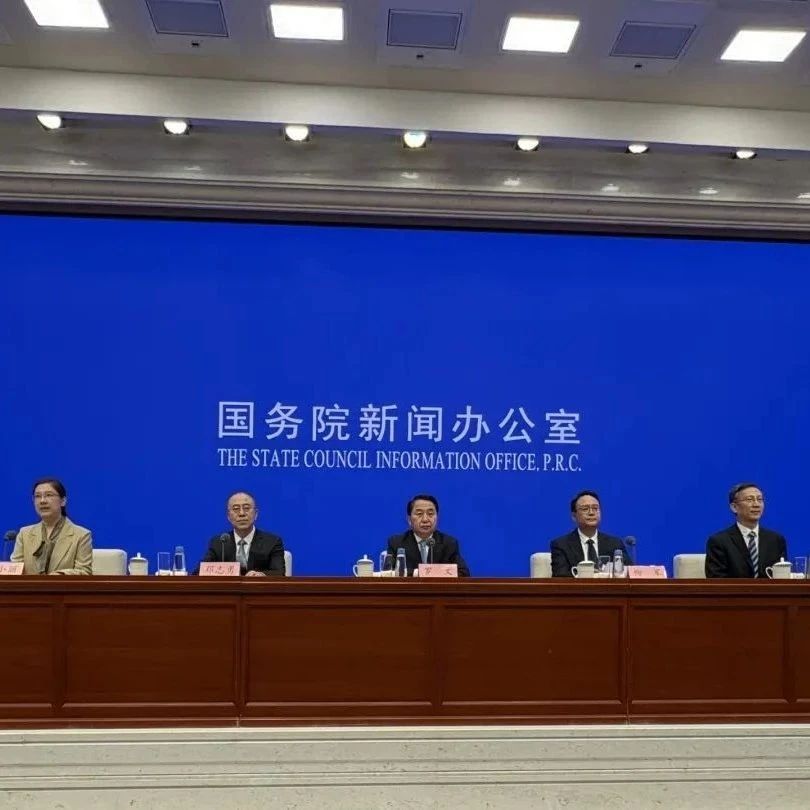
Core Viewpoint - The article discusses the achievements and measures taken by the State Administration for Market Regulation (SAMR) in promoting high-quality development of market regulation during the "14th Five-Year Plan" period, emphasizing the importance of building a unified national market to facilitate domestic circulation and competition [2][3][7]. Group 1: Measures for Building a Unified National Market - SAMR has initiated special actions to curb the abuse of administrative power and eliminate competition restrictions, resulting in the investigation of 239 administrative monopoly cases and the clearance of over 8,000 local standards [2][3][6]. - The revision of the Anti-Monopoly Law and the third amendment of the Anti-Unfair Competition Law have been implemented to strengthen the legal framework for competition policy, adapting to new market conditions [3][6]. - A comprehensive review mechanism for fair competition has been established, scrutinizing 42,200 important policy measures and proposing amendments to 11,400 of them to prevent policies detrimental to the unified national market [6]. Group 2: Focus on Antitrust Enforcement in Livelihood Sectors - Continuous special actions in the livelihood sector have led to the investigation of monopolistic practices in pharmaceuticals, water supply, gas, and other areas, effectively reducing public living costs and production burdens [4][6]. - A total of 3,400 cases related to operator concentration have been reviewed, with 145 cases of illegal operator concentration being addressed, thereby maintaining fair competition in the market [4]. Group 3: Regulation of Platform Economy - The rapid development of the platform economy has prompted SAMR to address issues such as algorithm abuse and unfair competition while promoting healthy industry growth [8][9]. - Regulatory measures include the introduction of guidelines for online trading supervision and the establishment of a national standardization committee for platform economy governance [8]. - Significant actions have been taken against online market irregularities, including the removal of 4.541 million illegal product listings and the investigation of 105,000 internet-related cases [9]. Group 4: Future Directions - SAMR plans to continue focusing on the construction of a unified national market, aiming to eliminate local protectionism and market segmentation while ensuring fair competition [7]. - The agency will enhance its regulatory framework for the platform economy, balancing regulation and promotion to foster sustainable development [9].
“三只羊”“东北雨姐”等被点名,国家市场监管总局最新发声
Mei Ri Jing Ji Xin Wen· 2025-08-22 07:38
Core Viewpoint - The State Administration for Market Regulation (SAMR) has made significant progress in promoting high-quality development during the "14th Five-Year Plan" period, focusing on building a unified national market and eliminating local protectionism and market monopolies [1][3][4]. Group 1: Measures Taken by SAMR - SAMR has initiated special enforcement actions to curb the abuse of administrative power, resulting in the investigation of 239 administrative monopoly cases and the elimination of over 8,000 local standards [1][5]. - The agency has revised the Anti-Monopoly Law for the first time in 15 years and has updated the Anti-Unfair Competition Law to strengthen the legal basis for competition policy [3][4]. - SAMR has established a comprehensive review mechanism for fair competition, scrutinizing 42,200 important policy measures and providing feedback on 11,400 of them to prevent policies detrimental to the unified national market [4][5]. Group 2: Focus on Key Areas - The agency has intensified monitoring and assessment of monopoly risks in key sectors, particularly in the platform economy, to prevent disorderly competition [4][7]. - SAMR has conducted special enforcement actions in the livelihood sector, addressing monopolistic practices in pharmaceuticals, water supply, gas, and construction materials, effectively reducing public living costs [4][5]. - The agency has reviewed 3,400 cases of operator concentration and penalized 145 cases of illegal concentration, thereby maintaining fair competition in the market [4][5]. Group 3: Platform Economy Regulation - SAMR is balancing regulation and promotion in the platform economy, addressing issues like algorithm abuse and unfair competition while fostering healthy industry development [7][8]. - The agency has implemented various regulations to enhance enforcement efficiency, including the "Network Transaction Supervision Management Measures" and guidelines for anti-monopoly in the platform economy [7][8]. - SAMR has taken strong actions against online market irregularities, removing 4.541 million pieces of illegal product information and shutting down 58,000 non-compliant online stores [8].
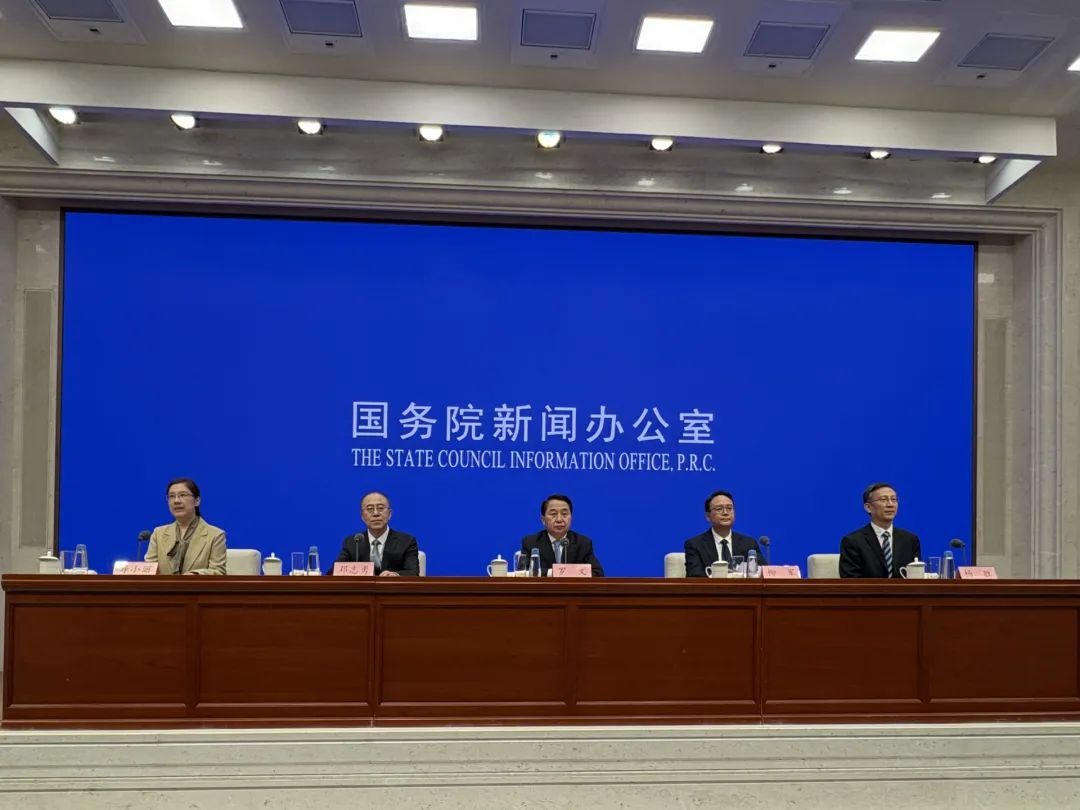
“三只羊”“东北雨姐”等被点名!国家市场监管总局:督促平台全面取消“仅退款”等不合理限制,立案查处行政性垄断案件239件……
Mei Ri Jing Ji Xin Wen· 2025-08-22 07:37
Core Viewpoint - The Chinese government is focusing on high-quality development of market regulation during the "14th Five-Year Plan" period, emphasizing the construction of a unified national market to enhance domestic circulation and competition [2][4][7]. Group 1: Measures for Building a Unified National Market - The State Administration for Market Regulation has initiated actions to curb the abuse of administrative power and eliminate competition restrictions, resulting in 239 cases of administrative monopoly being investigated and over 8,000 local standards being cleared [2][6]. - The revision of the Anti-Monopoly Law and the third amendment of the Anti-Unfair Competition Law have been implemented to strengthen the legal framework for competition policy, adapting to new market conditions [4][6]. - A comprehensive review mechanism for fair competition has been established, scrutinizing 42,200 important policy measures and proposing amendments to 11,400 of them to prevent policies detrimental to the unified market [6]. Group 2: Anti-Monopoly and Competition Enforcement - Continuous enforcement actions in the public welfare sector have been undertaken, addressing monopolistic practices in pharmaceuticals, utilities, and construction materials, effectively reducing living costs for the public [5][6]. - The market regulation authority has reviewed 3,400 cases of operator concentration and penalized 145 cases of illegal concentration, maintaining fair competition in the market [5][6]. Group 3: Regulation of Platform Economy - The rapid development of the platform economy has prompted the need for balanced regulation, with new rules established to enhance regulatory efficiency and clarify competition rules in the sector [8][9]. - Significant actions have been taken against online market irregularities, including the removal of 4.541 million illegal product listings and the investigation of 105,000 internet-related cases [9]. - The market regulation authority is committed to promoting compliance among platform enterprises and enhancing communication with various stakeholders to foster a healthier market environment [9].