少子化

Search documents
东吴证券研报:20-39岁消费下降严重,60以上老人对消费贡献最大
Sou Hu Cai Jing· 2025-05-30 12:30
Group 1 - The report from Dongwu Securities indicates that the consumption growth rate among the 20-39 age group has significantly declined, contributing to approximately 44% of the overall consumption decrease from 2018 to 2022, compared to a 30.3% increase from 2010 to 2018 [1][5] - The consumption decline is most pronounced in the 20-30 age group, where their contribution to consumption growth plummeted from 13.8% (2010-2018) to just 0.8% (2018-2022) [5][24] - The elderly population (60 years and older) has become the largest contributor to consumption growth, particularly in food and healthcare sectors, contrasting sharply with the declining consumption in entertainment categories like KTV and bars [7][24] Group 2 - The average age in China has reached a median of 40 years, indicating a demographic shift where the primary consumer base will transition from those under 40 to those over 40 in the next decade [10][40] - The report highlights a concerning trend of increasing youth unemployment, which is linked to the decline in consumption among younger demographics, creating a chain reaction affecting overall consumption [5][17] - The elderly population, while contributing significantly to consumption growth, faces challenges as their income and average consumption levels have not kept pace with the rapid aging of the population [29][30] Group 3 - The consumption tendency among the youth has dropped dramatically, with a decline of 46.1 percentage points for the 20-39 age group since 2020, indicating a shift towards more conservative spending behaviors [34][35] - The report suggests that as the population ages and the youth demographic shrinks, businesses will increasingly target consumers aged 40 and above, who tend to be more rational and less impulsive in their spending [27][28] - The overall consumer landscape is changing, with brands likely to shift focus from younger consumers to older demographics, reflecting the broader societal changes in consumption patterns [39][40]



日本一季度新生儿数同比减少4.6%
news flash· 2025-05-28 06:57
智通财经5月28日电,日本厚生劳动省27日公布的人口动态统计(初值,包含外国人)显示,2025年1至 3月新生儿数(出生人数)为162,955人,较上年同期减少4.6%。少子化趋势未能得到遏制,但较2024年 同期6.4%的降幅(170,804人)有所收窄。2024全年新生儿数创下720,988人的历史新低。厚劳省计划6 月公布仅以日本人为对象的人口动态统计"概数"的2024年新生儿数,有可能首次跌破70万大关。2025年 1至3月婚姻登记数为131,332对,减少3.9%;死亡人数达466,672人,增加5.7%,减去出生人数的人口自 然减少为303,717人。 日本一季度新生儿数同比减少4.6% ...
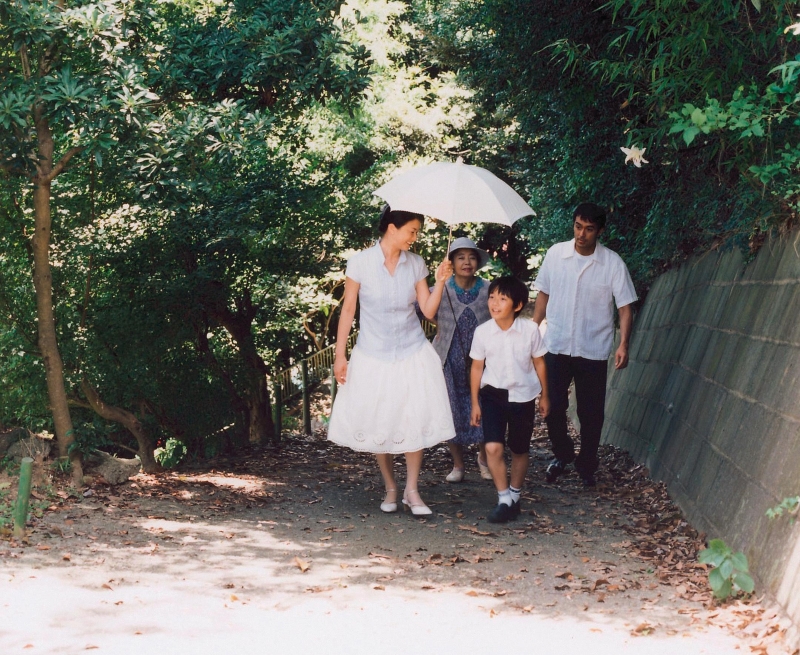
非正常家庭出身的日本女性,如何看原生家庭与亲密关系?
Di Yi Cai Jing· 2025-05-20 04:32
Core Viewpoint - The book "Can We Still Be Family?" by two Japanese women from "non-traditional families" explores themes of family, intimate relationships, love, marriage, and female growth through their candid dialogues [1][3]. Group 1: Authors and Background - The book features conversations between actress and writer Yayako Uchida and neuroscientist Nobuko Nakano, who share their unique and challenging family backgrounds [1][3]. - Yayako Uchida, daughter of the late actress Kiki Kirin, grew up in a celebrity family marked by her parents' separation before her birth and her father's tumultuous lifestyle [1][4]. - Nobuko Nakano experienced a cold and communicative relationship with her parents, leading to her early independence [1][3]. Group 2: Themes of Relationships - The dialogues reflect on their experiences with family and marriage, revealing the complexities of their relationships and the impact of their upbringing [3][4]. - Uchida married at 19 and had three children, but faced significant differences with her husband, while Nakano's marriage involved a "weekend couple" and child-free lifestyle [3][4]. - The book emphasizes the importance of communication in relationships, contrasting it with the silence that can lead to deeper issues [11]. Group 3: Insights on Parenting and Family Dynamics - The authors discuss the challenges of parenting, highlighting the potential for becoming "toxic parents" due to immaturity and lack of preparation [10][12]. - Nakano notes that the separation between parents and children is a painful yet necessary part of growth, while Uchida reflects on the void left by her parents' passing [9][10]. - The book predicts that by 2024, half of the Japanese population may choose not to marry, reflecting changing societal norms around family and relationships [10][13]. Group 4: Cultural Reflections - The book has resonated with readers in Japan, who find common ground in the authors' experiences, suggesting that non-traditional family backgrounds do not preclude a fulfilling life [13]. - The discussions also touch on societal expectations and the evolving nature of marriage, with younger generations approaching relationships with caution [12][13].
日本儿童人数已连续44年减少 少子化问题越发严重
news flash· 2025-05-05 03:31
智通财经5月5日电,日本总务省5月4日发布的数据显示,日本儿童人数已连续44年减少。截至4月1日, 包括外国人在内的15岁以下儿童为1366万人,较上年减少了35万。根据《联合早报》报道,这项在5月5 日日本儿童节前夕发布的数据显示,日本儿童占总人口的比率下降了0.2个百分点至11.1%,人数和占比 均创下有可比数据的1950年以来的新低。共同社指出,日本出生人数下滑势头未能遏制,凸显出少子化 程度越发严重。 日本儿童人数已连续44年减少 少子化问题越发严重 ...
日本儿童人数连续44年减少,少子化程度加剧
news flash· 2025-05-04 09:17
Core Insights - The number of children under 15 years old in Japan, including foreigners, has decreased for 44 consecutive years, reaching a record low of 13.66 million as of April 1 [1] - The child population has declined by 350,000 from the previous year, resulting in a decrease in the proportion of children to 11.1% of the total population, a drop of 0.2 percentage points [1] - The ongoing decline in birth rates highlights the increasingly severe issue of low birth rates in Japan [1]
首次!第二强省,人口零增长了
城市财经· 2025-03-17 03:41
Group 1 - The article emphasizes a low-buying strategy or participation in the strongest sectors to seek trend opportunities in the current A-share market, which is experiencing significant volatility [1] - It highlights the importance of having a first-mover advantage in stock trading, suggesting that chasing prices is not a sustainable strategy [1] - The author shares insights from a well-known investor who focuses on low-buying in strong sectors, particularly when stocks pull back to the 5-day and 10-day moving averages [1] Group 2 - Jiangsu province has reported zero growth in its permanent resident population for the first time since the new century, with a total of 85.26 million residents at the end of 2024 [4][3] - The article discusses the rapid decline in population growth in Jiangsu, contrasting it with Zhejiang, which continues to see population increases [9][7] - Key issues identified include aging and declining birth rates, which are contributing to Jiangsu's population stagnation [30][10] Group 3 - The article notes that Jiangsu's birth rate has been consistently declining, with a significant drop from 20.54‰ in 1990 to only 4.81‰ in 2023 [32][40] - It highlights that the natural population growth in Jiangsu has been negative since 2021, with a decrease of 27,400 people in 2023 [35][36] - The article points out that Jiangsu's aging population is a significant factor in its low birth rate, ranking seventh in the country for aging [44][43] Group 4 - In response to the declining birth rate, Jiangsu has implemented measures to attract new residents, including relaxing household registration restrictions [49][50] - The article suggests that Jiangsu needs to enhance its self-sustaining population growth through strong pro-natalist policies, similar to those introduced in other regions [52][53] - It concludes that despite efforts to encourage childbirth, the overall trend of declining birth rates is difficult to reverse due to changing societal attitudes and economic pressures [56][60]