亲密关系

Search documents
生存焦虑严重的人,是没有能力去爱的
虎嗅APP· 2026-02-04 10:14
Core Viewpoint - The article discusses the emotional challenges individuals face when returning home for the Chinese New Year, particularly in relation to unresolved family traumas and the complexities of parent-child relationships [4][5]. Group 1: Family Dynamics and Emotional Challenges - Many young people experience anxiety when returning home for the New Year, often feeling like failures in the eyes of their families [7]. - The traditional family structure has shifted, leading to increased individual independence but also heightened psychological conflict between parents and children [7][8]. - Both parents and children experience a sense of helplessness under pressure, often projecting their anxieties onto each other, which can lead to conflict [8][9]. Group 2: Parenting and Independence - The ultimate goal of parenting should be to prepare children for independence, allowing them to develop into individuals distinct from their parents [10][12]. - Parents often struggle to support children who do not meet their expectations, leading to internal conflicts about letting go [11][12]. - The process of allowing children to become independent is challenging, especially for parents who have not completed their own journey of independence [12]. Group 3: Emotional Vulnerability and Intimacy - Genuine intimacy in family relationships requires the ability to acknowledge one's vulnerabilities and needs [15][18]. - Cultural norms often discourage emotional closeness, leading to a lack of meaningful connections within families [16][17]. - Establishing true intimacy involves being real and accepting each other's weaknesses, which can foster a more inviting family environment [18][19]. Group 4: The Role of Anger and Conflict - Feelings of anger between parents and children are normal and can serve as a catalyst for deeper understanding and connection [20][21]. - Expressing anger can indicate a growing sense of safety in relationships, but it is essential to address underlying emotional pain to resolve conflicts [23][24]. - The process of healing from familial conflicts involves recognizing and processing feelings of hurt and anger, often requiring support from others [24][25].

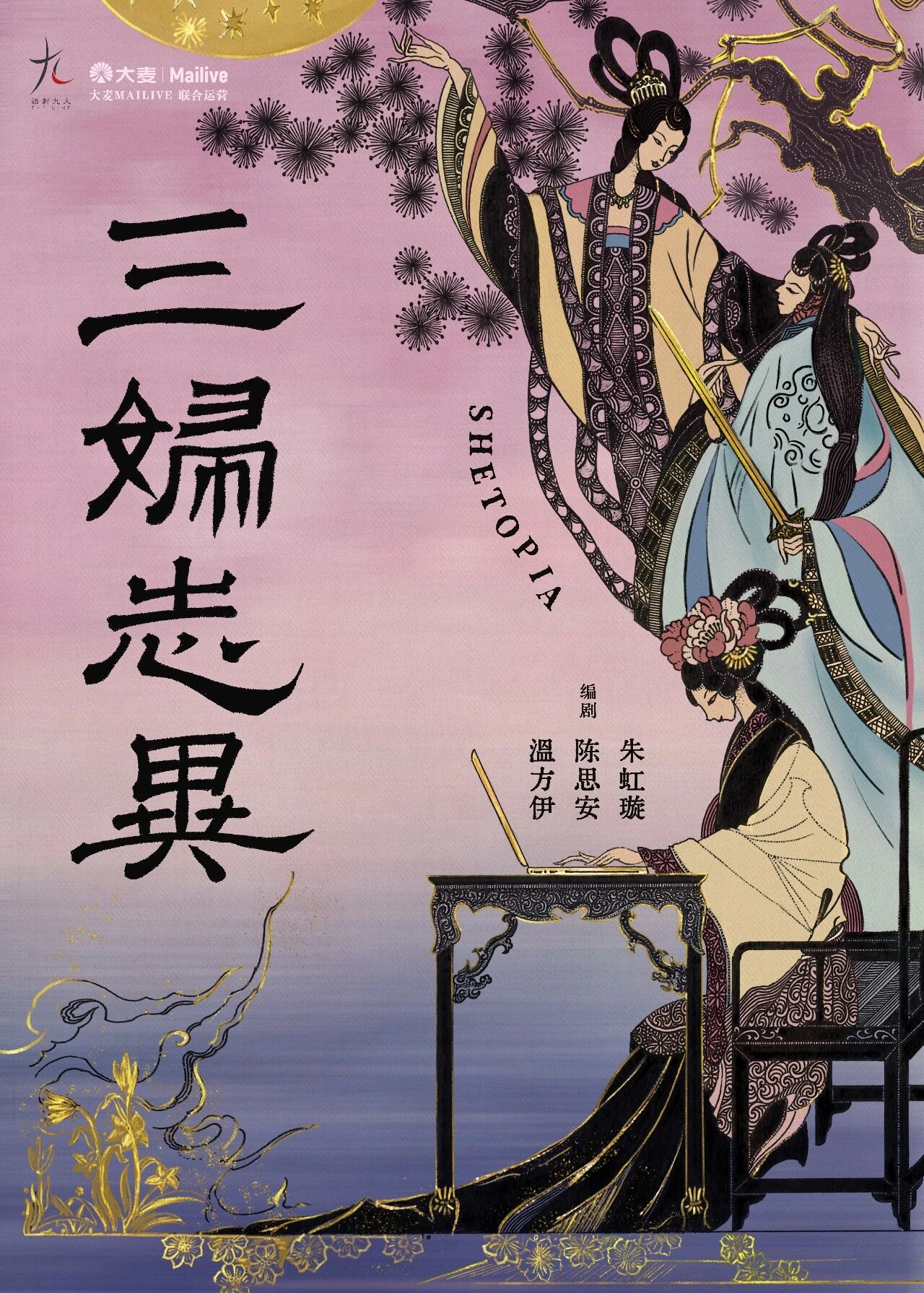
化妆是件衣服,男女也是件衣服|专访
Xin Lang Cai Jing· 2026-01-29 03:16
Core Perspective - The article discusses the contemporary reinterpretation of classic narratives from a female perspective, particularly focusing on the play "Three Women’s Chronicles" and its retelling of the Mulan story, emphasizing themes of identity and gender fluidity [1][4][9]. Group 1: Reinterpretation of Classic Narratives - The play "Three Women’s Chronicles" features a reimagined Mulan who discovers another woman disguised as a man, highlighting themes of connection and self-discovery [1]. - Director Chen Si'an aims to explore female perspectives in literature, drawing inspiration from works like Margaret Atwood's "The Penelopiad," which repositions female characters at the center of their narratives [8][9]. Group 2: Gender and Power Dynamics - Chen Si'an discusses the notion that power is genderless but also shapes gender identities, questioning how women can wield power without replicating existing violent structures [10][13]. - The exploration of violence in the play extends beyond physical conflict to include emotional and psychological dimensions, particularly how women process trauma and violence [10][19]. Group 3: Thematic Exploration in "Womanland" - The play "Womanland" presents a vision of a society led by women, examining the complexities of communal child-rearing and the challenges of implementing theoretical ideals in practice [14][18]. - Chen Si'an raises questions about the feasibility of collective parenting and the inherent selfishness in human nature, suggesting that achieving a truly egalitarian society requires addressing deep-seated emotional and relational issues [14][18]. Group 4: Performance and Identity - The concept of performance is central to Chen Si'an's work, where individuals often play roles in daily life, reflecting societal expectations and personal identities [21][24]. - The article highlights the tension between authentic emotions and the performances individuals enact, particularly in intimate relationships, suggesting that understanding and connection are often obscured by these roles [22][24]. Group 5: Societal Reflections - Chen Si'an's narratives reflect on the evolution of societal norms and personal relationships over time, particularly in the context of rapid urban and cultural changes [29][30]. - The exploration of how individuals navigate their identities amidst societal expectations serves as a commentary on the broader human experience and the quest for genuine connection [30].
大学里的“爱情课”:感悟爱情 学习成长
Zhong Guo Qing Nian Bao· 2025-12-12 22:44
Core Insights - The increasing popularity of courses on love and relationships in universities reflects students' desire to address real emotional issues and improve their understanding of intimate relationships [1][2][3] Group 1: Course Offerings and Student Experiences - The course "Psychology of Love" is designed to help students navigate their emotional challenges, with many students enrolling to resolve specific relationship issues [2][3] - Students like Mu Yi and Li Xiao Bei express that these courses provide valuable insights into their emotional struggles and relationship dynamics, helping them to better understand themselves and their partners [5][9] - The courses emphasize the importance of communication and understanding in relationships, encouraging students to address issues rather than avoid them [2][3][5] Group 2: Educational Philosophy and Goals - Educators like Zhou Li and Lin Guanghua argue that understanding intimate relationships is crucial for personal development and emotional well-being, viewing these courses as essential rather than frivolous [6][7] - The courses aim to enhance students' emotional intelligence and ability to manage relationships, focusing on personal growth rather than merely teaching dating techniques [11][12] - The instructors highlight the significance of experiencing and processing emotions, including pain, as a pathway to personal growth and deeper connections with others [12][13]
Z世代的亲密关系,是21世纪的未解之谜
虎嗅APP· 2025-11-18 14:03
Core Insights - The article discusses the evolving relationship dynamics among Generation Z, highlighting their preference for short-term relationships and emotional connections over long-term commitments [5][10][11]. Group 1: Relationship Trends - Generation Z is experiencing a "situationship" crisis, characterized by ambiguous relationships that lack clear commitments [10][11]. - The popularity of short-term relationships is evident, with significant discussions on social media platforms, indicating a cultural shift towards casual dating [12][14]. - Various new terms have emerged to describe different types of relationships, reflecting the complexity of emotional connections among young people [14][21]. Group 2: Emotional Landscape - Generation Z exhibits high levels of loneliness, with a Cigna survey indicating an average loneliness score of 48.3, the highest among all generations [23]. - The generation's loneliness is exacerbated by the internet, which, while providing connectivity, also diminishes the quality of relationships [25][27]. - Despite their reliance on technology, 53% of childless Generation Z individuals express a desire to have children in the future, indicating a longing for deeper connections [28][29]. Group 3: Consumption Patterns - The consumption decisions of Generation Z are heavily influenced by their emotional needs, with a growing trend towards experiences that provide emotional satisfaction [34][52]. - The rise of virtual relationships and AI companions reflects a strong demand for emotional support, with 83% of Generation Z feeling they can form meaningful connections with AI [42]. - There is a notable shift towards experiential social activities, as young people seek authentic interactions beyond digital platforms [47]. Group 4: Brand Engagement - Brands are increasingly focusing on emotional resonance with Generation Z, as 67% believe brands should reflect their modern relationship experiences [62]. - Successful brands, like Hinge, have capitalized on the complexities of Generation Z's relationship dynamics, achieving significant revenue growth by aligning with their values [63]. - The emphasis on emotional value in consumption is reshaping brand strategies, with a focus on creating meaningful connections with consumers [66].

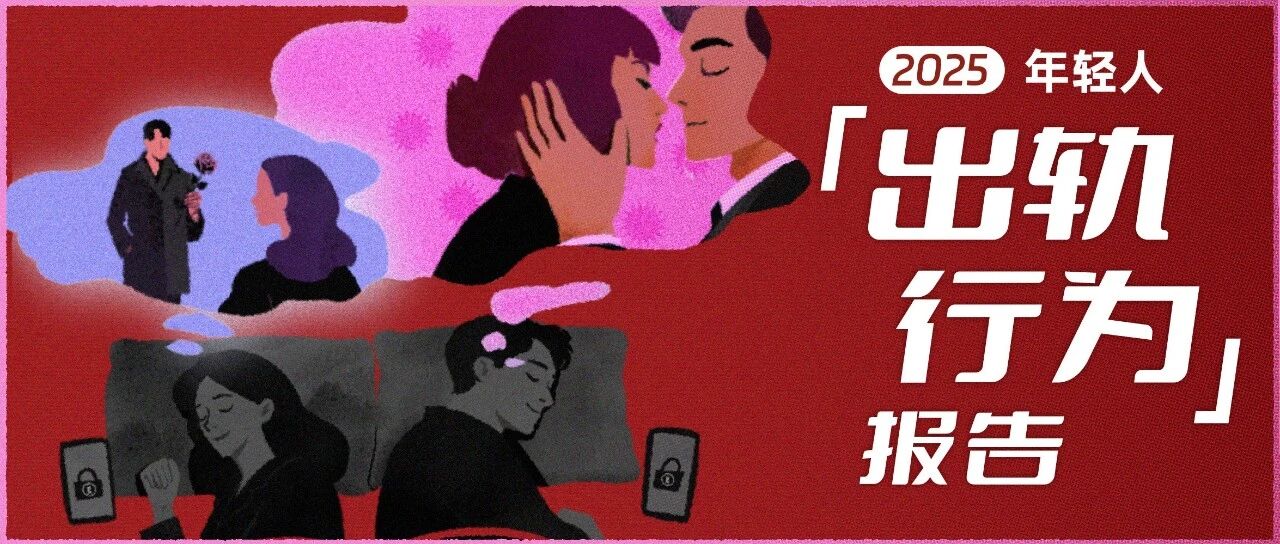
虽然我出轨了,但我仍始终如一地爱你丨2025出轨行为报告
36氪· 2025-11-08 13:35
Core Viewpoint - The article discusses the prevalence and implications of infidelity in modern intimate relationships, highlighting that it is no longer a rare occurrence but a significant issue faced by many individuals [5][19]. Group 1: Survey Findings on Infidelity - 34.1% of respondents admitted to having committed infidelity, while 42.9% experienced infidelity from their partners [5]. - The survey revealed that 40% of participants consider both emotional and physical infidelity as betrayal, with 38.1% including ambiguous behaviors like secretive meetings as infidelity [11][12]. - There is a notable gender difference in perceptions of infidelity, with 45.3% of women viewing boundary behaviors as infidelity compared to 28.8% of men [12][13]. Group 2: Emotional and Psychological Factors - The primary issues leading to infidelity include unmet emotional needs (64.5%), lack of novelty in the relationship (57.8%), and insufficient sexual intimacy (44.5%) [20]. - A significant portion of individuals who have cheated reported seeking emotional connection (65.8%) over sexual stimulation (63.2%), indicating that emotional dissatisfaction is a deeper issue [23]. - Infidelity is often a choice made in response to unresolved issues in the relationship, rather than a sudden decision [24][47]. Group 3: Reactions to Infidelity - Upon discovering infidelity, 37% of respondents indicated they would immediately end the relationship, while 17.8% would gather evidence first [39]. - The emotional aftermath of infidelity is complex, with many individuals experiencing a mix of love, indifference, and guilt towards their partners [27][29]. - Trust is identified as the most significant casualty of infidelity, with 78.6% of respondents citing emotional betrayal as the primary harm caused [41]. Group 4: Perspectives on Relationship Maintenance - The survey indicates that open and honest communication (84.0%) is viewed as the most critical factor in maintaining intimate relationships, followed closely by shared values and life goals (83.5%) [64]. - Individuals with infidelity experiences tend to prioritize emotional connection over stability, while those without such experiences value security and stability more [62][63]. - The article emphasizes that maintaining a healthy relationship requires ongoing communication, understanding, and mutual respect, rather than solely relying on fidelity [67].

虽然我出轨了,但我仍始终如一地爱你丨2025出轨行为报告
后浪研究所· 2025-11-03 09:15
Core Viewpoint - Infidelity is a prevalent issue in modern intimate relationships, with significant emotional implications and a complex psychological backdrop [3][5][18]. Group 1: Survey Findings - 34.1% of respondents admitted to having cheated, while 42.9% experienced infidelity from their partner [3]. - The survey included 2031 participants, revealing that infidelity is not an isolated incident but a common challenge faced by many [6]. - 40% of respondents believe that both emotional and physical betrayals constitute infidelity, while 38.1% include ambiguous behaviors like secretive chats as infidelity [9][10]. Group 2: Gender Differences - There is a notable difference in how men and women define infidelity, with 23.1% of men believing only physical contact counts, compared to 10.9% of women [12]. - Women are more likely to view emotional boundary violations as infidelity, with 45.3% considering such behaviors unacceptable [13]. Group 3: Educational Influence - Higher education levels correlate with increased infidelity rates, rising from 15.4% among high school graduates to 34.2% among those with master's or doctoral degrees [15]. - The complexity of social circles and increased temptations may contribute to this trend among more educated individuals [14][16]. Group 4: Emotional Needs and Infidelity - The primary issues leading to infidelity include unmet emotional needs (64.5%), lack of novelty (57.8%), and unsatisfactory sexual relations (44.5%) [19]. - Over half of those who cheated cited seeking emotional connection (65.8%) as a motivation, slightly surpassing the desire for sexual stimulation (63.2%) [22]. Group 5: Aftermath of Infidelity - 78.6% of respondents indicated that the greatest harm from infidelity is emotional betrayal and deception, followed by damage to future trust and planning (69.5%) [39][40]. - 50.4% of participants view infidelity as an unforgivable act, while 30% might consider forgiveness if the partner shows genuine remorse [42][43]. Group 6: Relationship Dynamics - The emotional aftermath of infidelity is complex, with 19% of respondents still loving their partner and another 19% feeling a sense of routine and habit [26][29]. - The majority of respondents (over 70%) prefer to keep infidelity a secret rather than confess, indicating a fear of the consequences of honesty [31]. Group 7: Relationship Maintenance - Key factors for maintaining intimate relationships include open communication (84.0%), shared values and goals (83.5%), and mutual trust and loyalty (80.8%) [62]. - The importance of understanding and addressing emotional needs is crucial for sustaining healthy relationships [64].
搞不明白「出轨」这件事,劝你先别谈恋爱|年轻人出轨行为小调查
3 6 Ke· 2025-09-24 06:20
Core Insights - Infidelity is a significant breach of trust in relationships, often leading to emotional turmoil and questioning of personal desires and needs [2] - The act of cheating reflects deeper psychological motivations such as desire, self-identity, loneliness, and the pursuit of freedom, rather than merely being a moral failing or loss of control [2] Group 1 - Infidelity is perceived as a betrayal that can easily destroy a relationship [2] - The underlying issues related to infidelity involve complex emotional and psychological factors [2] - The perspective of infidelity as a reflection of inner needs is emphasized by experts in the field of relationship psychology [2] Group 2 - The article invites participation in a survey regarding young people's views and experiences related to infidelity [2] - It raises questions about the psychological state during infidelity and the reactions of partners when faced with betrayal [2] - The discussion includes the concepts of "white lies" versus "absolute honesty" in the context of relationships [2]
末日重生爽文,咋成了当代白领的安眠药?
虎嗅APP· 2025-09-19 11:10
Core Viewpoint - The article discusses the emergence of a new literary genre in 2025, specifically the "rebirth in the apocalypse" theme popularized on platforms like Douyin, reflecting the anxieties and desires of contemporary society [5][6][31]. Group 1: Characteristics of the New Literary Genre - The "rebirth in the apocalypse" genre emphasizes survival over complexity, focusing on the simple notion of staying alive rather than exploring deep moral dilemmas [11][34]. - Unlike traditional Western apocalyptic narratives that highlight protagonists' combat skills, this genre features ordinary individuals who gain foresight about impending disasters, allowing them to prepare for survival [14][16]. - The narrative often includes elements of opportunism, such as exploiting financial systems before the apocalypse to gather resources, reflecting a practical survival mindset [16][20]. Group 2: Societal Reflections - The popularity of this genre is rooted in a broader cultural context where young people feel a sense of impending doom, with surveys indicating that 75% of respondents find the future frightening [36]. - The genre serves as a reflection of societal anxieties, with themes of revenge often tied to real-world issues like gender and social dynamics, resonating with the audience's frustrations [20][24]. - The shift in literary themes from "reversal" to "survival" indicates a change in societal aspirations, where the focus has moved from achieving greatness to simply enduring [31][34]. Group 3: Cultural Implications - The apocalyptic narrative in modern Chinese context is viewed not as a total destruction but as a potential for renewal, contrasting with Western linear endings [42]. - This genre's appeal lies in its ability to provide a simplified escape from the complexities of reality, reflecting a desire for a more straightforward existence amidst chaos [42][43]. - The article suggests that the current cultural phenomenon is a response to the overwhelming uncertainties of modern life, where individuals seek meaning in their experiences of survival [40][43].

新剧|《欢乐家长群2》上演中国家庭图鉴,观众找乐子照镜子
Xin Lang Cai Jing· 2025-09-17 06:02
Core Viewpoint - The light comedy "Happy Parent Group 2" humorously reflects the challenges and dynamics of modern parenting, showcasing the balance between family and work life through relatable stories and characters [1][3][5] Group 1: Family Dynamics - The show features four families facing various challenges as the new school year begins, highlighting the struggles of parents and children alike [3] - The interactions between parents and children evolve, with children displaying growing independence and parents navigating their own complexities [5] Group 2: Social Commentary - "Happy Parent Group 2" serves as a mirror for contemporary family life, addressing themes such as communication within families, the pressures of parenting, and the emotional landscape of parent groups [5] - The series encapsulates the experiences of different family structures, including working-class families, single-parent households, and entrepreneurial families, reflecting a broad spectrum of societal issues [5]

《老友记》:为什么我们都爱Chandler?
Hu Xiu· 2025-08-30 11:10
Core Insights - The article reflects on the character Chandler Bing from "Friends" and the life of his actor Matthew Perry, highlighting the deep connection between the two and the struggles Perry faced in real life, which mirrored Chandler's experiences [3][4][30]. Character Analysis - Chandler Bing is portrayed as a white male who was approximately 26 years old in the first season, characterized by his close relationships with five friends and a complex personality shaped by childhood trauma [9][10][11]. - His childhood trauma began at age 9 when his parents announced their divorce, leading to a lifelong struggle with intimacy and commitment [11][15]. - Chandler's humor serves as a defense mechanism, allowing him to cope with feelings of inadequacy and fear of abandonment, which stem from his early experiences [20][21]. Psychological Dynamics - Chandler's character embodies a "avoidant-ambivalent" attachment style, reflecting his deep-seated fears of rejection and abandonment, which were exacerbated by his parents' divorce [15][19]. - His relationships often trigger his anxiety about being abandoned, leading him to escape from intimacy despite his desire for love [17][19]. - Chandler's coping strategies include humor and self-deprecation, which create a barrier between his true self and others, preventing him from fully addressing his emotional wounds [20][24]. Healing and Integration - Throughout the series, Chandler experiences healing through supportive friendships and a loving relationship with Monica, which helps him confront his past traumas [25][27]. - The annual Thanksgiving gatherings with friends serve as a form of a "replacement family," providing him with a sense of belonging and support [26][29]. - Chandler's growth is evident as he learns to embrace responsibility, accept himself, and navigate the challenges of marriage and parenthood [27][29]. Real-Life Reflection - Matthew Perry's life was marked by struggles with addiction and feelings of abandonment, paralleling Chandler's fictional journey but with a more tragic outcome [30][31]. - Despite his successes, Perry battled substance abuse for decades, highlighting the complexities of his personal struggles and the impact of his childhood experiences [30][31]. - Perry's legacy lies in his ability to connect with others through his story, emphasizing the importance of love and connection even amidst personal challenges [31][32].