抗战精神

Search documents
王沪宁主持召开全国政协主席会议 易会满被免职
Xin Hua She· 2025-09-30 12:06
Core Points - The meeting of the 41st Chairman Meeting of the 14th National Committee of the Chinese People's Political Consultative Conference (CPPCC) was held on September 30, 2023, chaired by Wang Huning [1] - The meeting emphasized the importance of studying and implementing Xi Jinping's recent important speeches and directives, particularly regarding patriotism and anti-Japanese war spirit [2] - The meeting also discussed the need for ongoing education on the Central Eight Regulations and the promotion of achievements in Tibet and Xinjiang under the leadership of the Communist Party of China [2] - A decision was made to hold the 14th Standing Committee Meeting of the 14th CPPCC in late October in Beijing [3] - The meeting included discussions on global climate change and its responses, with a report from the head of the China Meteorological Administration [3] Summary by Categories Meeting Overview - The 41st Chairman Meeting of the 14th CPPCC was convened to discuss various important topics and directives from the central leadership [1] Key Directives - Emphasis on the need to promote patriotism and the spirit of the anti-Japanese war as articulated by Xi Jinping [2] - Importance of adhering to the Central Eight Regulations and enhancing understanding of work style construction [2] - Focus on the historical achievements in Tibet and Xinjiang, promoting the comprehensive implementation of the Party's strategies in these regions [2] Future Plans - The 14th Standing Committee Meeting of the CPPCC is scheduled for late October in Beijing [3] - A collective study session on global climate change is planned, indicating a focus on environmental issues [3]
上好国防教育“必修课”
Ren Min Ri Bao· 2025-09-30 04:17
Group 1 - The core theme of the articles emphasizes the importance of national defense education, particularly in the context of enhancing public awareness and participation in defense matters [1][2][3] - The articles highlight various initiatives and activities aimed at promoting national defense education, such as inviting veterans to share their experiences and integrating defense education into school curricula [1][2] - There is a call for innovative approaches to make national defense education more engaging and relevant, utilizing cultural elements and modern technology to attract youth participation [2] Group 2 - The articles discuss the significance of historical sites and artifacts as educational tools for instilling patriotism and a sense of national security among the youth [3] - The development of comprehensive national defense education programs is presented as a long-term commitment that should be embedded in daily life and cultural practices [1][2] - The concept of "全民国防" (National Defense for All) is emphasized as a means to build a resilient national spirit and collective strength for national rejuvenation [3]
烈士纪念日 | 以奋斗为约、以山河为证,祖国明天更美好
Yang Shi Wang· 2025-09-30 03:09
Core Points - The articles highlight various memorial sites across China dedicated to revolutionary heroes and their sacrifices for the nation, emphasizing the importance of remembering and honoring these figures in Chinese history [1][2][3][4][5][6] Group 1: Memorial Sites - Jinggangshan is recognized as the cradle of the Chinese revolution and the first rural revolutionary base of the Communist Party, where 48,000 soldiers sacrificed their lives for their ideals [1] - The Red Army's Xiangjiang Battle Memorial Park in Guangxi commemorates the heroic sacrifices of thousands of Red Army soldiers during a significant battle in the Long March [1] - The Hundred Regiments Offensive Memorial in Shanxi honors over 17,000 soldiers who died in the largest and longest strategic offensive by the Eighth Route Army during the Anti-Japanese War [2] - The New Fourth Army Liu Laozhuang Memorial Park in Jiangsu pays tribute to 82 soldiers who died fighting against Japanese and puppet forces in 1943 [2] - The Anti-American Aid Korea Martyrs Cemetery in Shenyang memorializes over 197,000 volunteer soldiers who sacrificed their lives during the Korean War [3][4] Group 2: Revolutionary Spirit - The memorials serve as a reminder of the revolutionary spirit and the sacrifices made for national independence and security, inspiring future generations to continue the struggle for national rejuvenation [5][6] - The People's Heroes Monument in Tiananmen Square symbolizes the enduring legacy of revolutionary martyrs and the commitment to national prosperity and security [6]
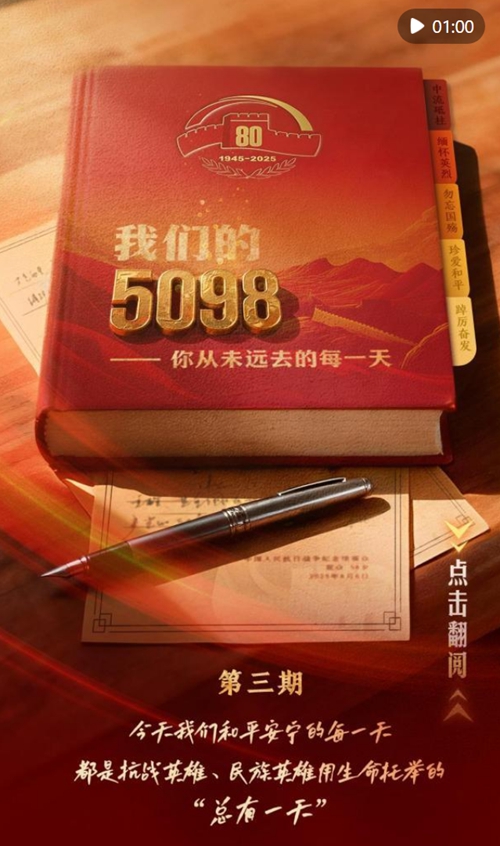
我们的5098——烈士纪念日致敬抗战英烈
Xin Hua She· 2025-09-30 00:45
Group 1 - The article commemorates the 80th anniversary of the victory in the Chinese People's War of Resistance Against Japanese Aggression and the World Anti-Fascist War, highlighting the significance of remembering the 5098 days of struggle [3][2] - It features selected messages from 5098 visitors to various memorials, emphasizing the sacrifices made by heroes for the peace and security enjoyed today [3][2] - The messages reflect a deep sense of gratitude and remembrance for the sacrifices of past heroes, with visitors expressing their commitment to honor their legacy [12][16][9] Group 2 - The Northeast Martyrs Memorial Hall is prominently mentioned, serving as a key site for visitors to pay respects and reflect on the historical significance of the sacrifices made during the war [5][11] - The messages collected from visitors of different ages indicate a strong emotional connection to the history and a collective responsibility to uphold the values of sacrifice and patriotism [12][14][16] - The narrative emphasizes the importance of teaching future generations about the past to ensure that the sacrifices of heroes are not forgotten [9][11][16]

手绘长卷|重温烽火岁月 感悟抗战精神
Huan Qiu Wang· 2025-09-29 09:46
Core Viewpoint - The article commemorates the 80th anniversary of the victory in the Chinese People's War of Resistance Against Japanese Aggression and the global anti-fascist war, highlighting the pivotal role of the Chinese Communist Party in leading the resistance efforts [2]. Group 1 - In 1940, during a strategic stalemate in the war, the Japanese military intensified its "cage policy" against anti-Japanese bases, prompting the Chinese Communist Party to lead the Eighth Route Army in launching the Hundred Regiments Offensive [3][17]. - The Zheng-Tai Railway, a crucial transportation route connecting the Pinghan and Tongpu railways, became a key target for the Eighth Route Army's operations, with widespread participation from anti-Japanese forces and civilians [4][16]. - The offensive resulted in significant destruction of the railway infrastructure, including tracks, bridges, tunnels, and stations, effectively crippling what the Japanese considered their "lifeline" for troop and supply transport [16][17]. Group 2 - The Hundred Regiments Offensive is noted as the largest and longest strategic attack by the Eighth Route Army during the anti-Japanese war, which not only shattered the Japanese "cage policy" but also boosted the morale of the Chinese people in their resistance efforts [17]. - The successful completion of the offensive marked a significant chapter in the history of China's resistance against Japanese aggression, contributing to the eventual victory after 14 years of relentless struggle [20].

抗战胜利80周年主题展览参观人次突破百万
Ren Min Ri Bao· 2025-09-28 22:28
《 人民日报 》( 2025年09月29日 04 版) (责编:卫嘉、白宇) 本报北京9月28日电 (记者王昊男)记者从中国人民抗日战争纪念馆了解到:截至9月28日,"为了民族 解放与世界和平——纪念中国人民抗日战争暨世界反法西斯战争胜利80周年主题展览"参观人次已突破 100万。 9月,北京很多学校将观展纳入"开学第一课"。在"弘扬伟大抗战精神 深切缅怀抗战英烈"专区,北京市 前门小学的学生们胸前系着鲜艳的红领巾整齐列队。参观人群中,还有许多银发老人。来自北京通州区 的陈女士是一名社区志愿者,与社区的老人结伴来参观。"亲历国家从贫弱到富强的过程,深知和平来 之不易。"陈女士说,她将把今天拍下的展陈细节分享给社区的孩子们,"将抗战记忆一代代传下去"。 ...
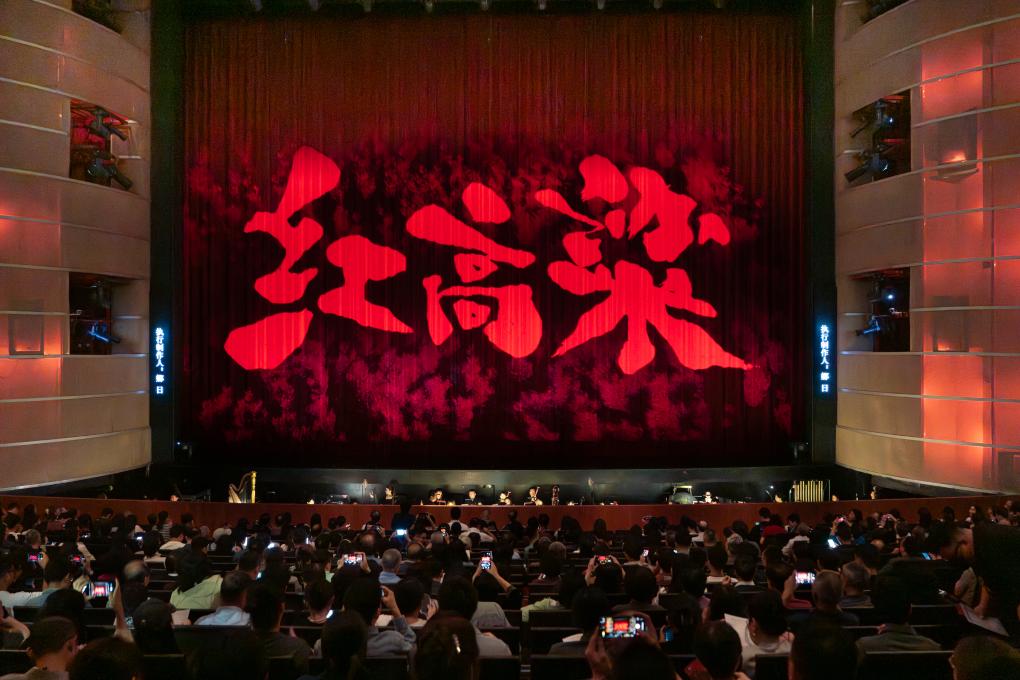
以民族气派铸就抗战史诗 国家大剧院原创民族歌剧《红高粱》首演
Xin Hua She· 2025-09-28 15:31
Core Viewpoint - The original national opera "Red Sorghum" premiered at the National Centre for the Performing Arts, reflecting on the bloody years of the War of Resistance and conveying the great spirit of the anti-Japanese struggle through opera [1][2]. Group 1: Background and Creation - This year marks the 80th anniversary of the victory in the War of Resistance, and "Red Sorghum" is a significant work crafted by the National Centre for the Performing Arts, with the script written by Mo Yan after multiple revisions [2]. - The opera is set against the backdrop of the anti-Japanese War in Gaomi, Shandong, and encapsulates the love and hate entanglements of ordinary characters like Jiu'er and Yu Zhan'ao, intertwining personal fates with national crises [2]. Group 2: Artistic Elements - The opera showcases a blend of local cultural elements and operatic aesthetics, with its "Chinese style" and "Chinese grandeur" being the most prominent highlights [5]. - Composer Guo Wenjing incorporated elements from local folk music such as Maoxiang and Shandong Bangzi, skillfully merging them with bel canto techniques to convey a unique musical language [5]. - The character "Dai Laosan" features lyrics rich in local dialect, while "Jiu'er" has a melody that reflects her fierce nature, and "Yu Zhan'ao" combines powerful rhythms with lyrical themes, creating vivid musical portrayals of the characters [5]. Group 3: Direction and Vision - Director Wang Xiaoting expressed the hope to convey the national awakening and spirit of resistance symbolized by red sorghum, as well as the characters' inner desires for truth and love, through the visual space of the stage [7]. - The current performance run will continue until October 3 [7].
驻香港部队官兵和香港社会各界代表瞻仰香港抗日英烈纪念碑
Xin Hua She· 2025-09-28 13:17
Group 1 - The event commemorated the 80th anniversary of the victory in the Chinese People's Anti-Japanese War and the World Anti-Fascist War, highlighting the importance of remembering the sacrifices of revolutionary martyrs [1][2] - Over 200 representatives from the Hong Kong garrison, local government, veterans, and youth participated in the memorial ceremony, emphasizing community involvement in honoring the heroes [1][2] - The Hong Kong garrison soldiers expressed their commitment to learning from the spirit of the martyrs, enhancing their capabilities to maintain national sovereignty and the long-term stability of Hong Kong [2] Group 2 - The memorials for the martyrs were established in 1951, 1989, and 2023, reflecting the ongoing recognition of the sacrifices made during the Anti-Japanese War by the East River Column and Hong Kong citizens [2] - The memorials at Wu Jiao Teng and Zhan Zhu Wan have been included in the national list of anti-war memorial facilities, indicating their significance in China's historical narrative [2]
党史学习教育走进军营
Liao Ning Ri Bao· 2025-09-28 01:30
Core Viewpoint - The event "Remembering History, Mourning Heroes, Cherishing Peace, and Creating the Future" was organized to promote party history education among military personnel, emphasizing the significance of the Northeast Anti-Japanese United Army's heroic deeds and the historical context of Liaoning in the Anti-Japanese War [1] Group 1 - The event was attended by over 4,000 participants, showcasing a strong engagement from military personnel [1] - Various forms of expression such as speaking, singing, reciting, and dancing were utilized to vividly narrate the heroic stories of the Northeast Anti-Japanese United Army [1] - The event highlighted Liaoning's role as the starting point of the Anti-Japanese War and its contribution to the national anthem, underlining its rich historical significance and contemporary value [1] Group 2 - The Provincial Party History Research Office has strengthened collaborative efforts and resource integration in recent years, fostering new talent for party history education [1] - A diverse team consisting of party history experts, university student volunteers, grassroots leaders, and red narrators has been established to enhance the impact and coverage of party history education [1] - The initiative aims to ensure that party history education is impactful and effective through a multi-faceted approach [1]
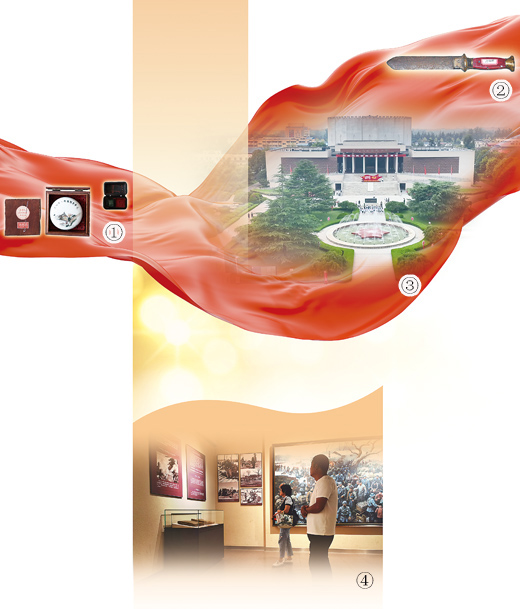
台儿庄大战纪念馆再现不畏强暴、血战到底的场景——血与火铸就的民族记忆(文化中国行·走进抗战专题博物馆(纪念馆))
Ren Min Ri Bao· 2025-09-28 00:29
Core Viewpoint - The article highlights the significance of the Battle of Taierzhuang during the Second Sino-Japanese War, showcasing the bravery and sacrifices of Chinese soldiers, and the impact of this battle on national morale and unity against Japanese aggression [4][5][7]. Group 1: Historical Context - The Battle of Taierzhuang took place in the spring of 1938, where Chinese forces aimed to halt the advance of Japanese troops, resulting in a significant victory that boosted national confidence [2][4]. - The battle was characterized by fierce fighting, with Chinese forces managing to defeat two elite Japanese divisions despite being heavily outgunned and outnumbered [5][6]. Group 2: Memorialization and Visitor Experience - The Taierzhuang Battle Memorial Museum houses over 2,000 artifacts, photographs, and historical materials that vividly depict the battle and its significance [2][4]. - Visitors to the museum engage with the history through various exhibits, including a scale model of the ancient city and displays of weaponry used during the battle [4][5]. Group 3: Personal Accounts and Reflections - Personal stories from visitors, such as the elderly man who brought his family to honor the memory of the battle, reflect the enduring legacy of the sacrifices made by soldiers [2][4]. - The emotional impact of the exhibits is evident, with visitors expressing feelings of sorrow and pride as they learn about the heroism displayed during the battle [5][7]. Group 4: Broader Implications - The victory at Taierzhuang is framed as a turning point in the war, influencing not only the immediate military situation but also the broader context of Chinese resistance against Japanese imperialism [8][10]. - The article emphasizes the importance of remembering history to inspire future generations to uphold the spirit of patriotism and resilience [10][12].