抗日民族统一战线

Search documents
铭记历史 缅怀先烈|新四军模范政工萧国生
Xin Hua She· 2025-07-19 02:37
Core Points - The article highlights the exemplary contributions of Xiao Guosheng, a model political worker in the New Fourth Army, who sacrificed his life during the Anti-Japanese War [1][2][3] - Xiao Guosheng's dedication and leadership during critical moments, such as the cholera outbreak in the region, showcased his commitment to the people and the cause [2][3] - His bravery in battle and refusal to retreat during a critical confrontation with Japanese forces exemplified his heroic spirit [3] Summary by Sections - **Background and Early Life** - Xiao Guosheng was born in 1916 in a poor farming family in Hunan and joined the Red Army at the age of 14, becoming a Communist Party member at 17 [1] - After being injured in battle, he remained in the region to continue fighting during the arduous guerrilla warfare [1] - **Contributions to the New Fourth Army** - He quickly rose through the ranks due to his effective political work, becoming the political director of the second regiment [1] - Xiao Guosheng played a crucial role in establishing a guerrilla base in the Su Nan region and worked closely with soldiers to alleviate their concerns [1] - **Crisis Management and Leadership** - During the cholera epidemic in 1938, he led a rescue team to assist affected villagers, demonstrating his commitment to the community [2] - His ability to engage with local influential figures, such as industrialist Ji Zhingang, helped garner support for the New Fourth Army [2] - **Heroic Sacrifice** - Xiao Guosheng was killed in action on March 7, 1939, while leading a defense against Japanese troops, refusing to abandon his post [3] - His legacy is honored in the region, with roads named after him and memorials that preserve his story for future generations [3]
永不磨灭的记忆|回顾惊心动魄的“中国文化名人大营救”事件
Yang Shi Wang· 2025-07-16 06:53
Core Viewpoint - The article highlights the historical significance of the "Chinese Cultural Figures' Great Rescue" operation, which took place over 80 years ago during the Japanese occupation of Hong Kong, emphasizing the role of the Chinese Communist Party in orchestrating this secret rescue mission to save cultural and democratic figures from imminent danger [1][10]. Group 1: Historical Context - The rescue operation occurred after the Japanese army captured Hong Kong on December 25, 1941, leading to the perilous situation for many cultural and democratic figures who were at risk of being captured [3][10]. - Key figures involved in the rescue included prominent cultural personalities such as Song Qingling, He Xiangning, and Mao Dun, who were trapped in Hong Kong during the occupation [3][10]. Group 2: Execution of the Rescue - The operation was initiated by leaders like Liao Chengzhi and Pan Hanyan, who quickly organized the rescue efforts upon receiving urgent communications from the Communist Party [4][6]. - The East River Guerrilla Force, a military group led by the Communist Party, played a crucial role in facilitating the rescue by navigating the dangerous environment and ensuring safe passage for the cultural figures [6][8]. Group 3: Outcomes and Impact - The rescue lasted over six months and successfully saved more than 800 individuals, including notable cultural figures who contributed significantly to Chinese literature and arts during and after the war [10]. - The operation is regarded as one of the most significant rescue efforts during the Anti-Japanese War, reinforcing the importance of unity among different factions in the fight against Japanese aggression [14].

感悟抗战精神 汇聚爱国力量
Bei Jing Ri Bao Ke Hu Duan· 2025-07-14 23:53
Core Viewpoint - The event organized by the municipal CPPCC aimed to promote the spirit of resistance during the Anti-Japanese War and gather patriotic strength through a visit to the China Anti-Japanese War Memorial Museum, highlighting the importance of unity under the leadership of the Communist Party of China [1][2]. Group 1 - The exhibition titled "For National Liberation and World Peace" consists of eight sections that comprehensively showcase the heroic efforts of the Chinese people under the banner of the Anti-Japanese National United Front led by the Communist Party of China [1]. - The exhibition features rich and detailed displays that evoke the challenging wartime experiences of the Chinese people, emphasizing the collective struggle for national survival and human justice [1]. - Committee member Yang Weixian expressed that the visit reinforced the understanding that only by adhering to the leadership of the Communist Party and following the Party's mass line can the country become stronger and the people's lives happier [1]. Group 2 - The exhibition connects history with the present, with valuable artifacts and historical materials prompting discussions among committee members [2]. - Committee member Wang Chuanli noted that the victory in the Anti-Japanese War was a triumph of the united front led by the Communist Party, emphasizing the need to maintain this unity as a crucial strategy for the Party's success [2]. - Committee member Rui Yuqu expressed a deep emotional response to the exhibition, recognizing the hard-won nature of the victory and the preciousness of peace, and committed to being a defender and promoter of the great spirit of resistance for the rejuvenation of the Chinese nation [2].
铭记历史 缅怀先烈丨“党的骆驼”黄文杰:无限忠诚的战士
Xin Hua She· 2025-07-13 08:17
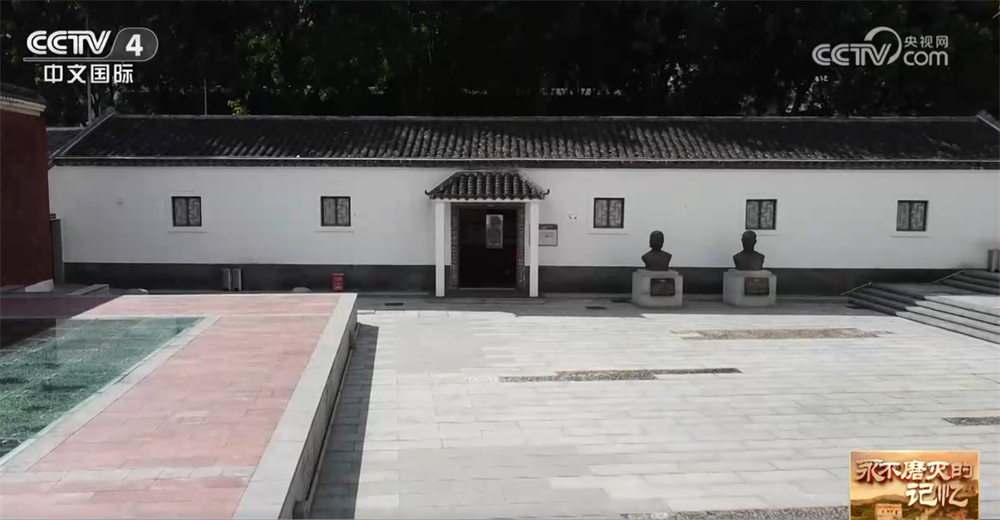
Core Viewpoint - The article highlights the life and contributions of revolutionary martyr Huang Wenjie, emphasizing his dedication to the Communist Party and his efforts in organizing resistance against Japanese occupation during the Second Sino-Japanese War [1][2][3] Group 1: Early Life and Education - Huang Wenjie was born on October 6, 1902, in a poor farming family in Guangdong Province, and became an active participant in anti-imperialist movements during his school years [1] - He was admitted to the Whampoa Military Academy and later studied at Sun Yat-sen University in Moscow, where he excelled academically and became proficient in Russian [1] Group 2: Contributions to the Communist Party - After returning to China in 1931, Huang Wenjie took on various roles within the Communist Party, including positions in Shanghai and the Central Southern Bureau, where he worked tirelessly to rebuild local party organizations and promote the anti-Japanese united front [2] - By early 1939, under his leadership, the membership of the Southern Bureau's party organizations grew to over 80,000 members [2] Group 3: Final Years and Legacy - Huang Wenjie passed away in August 1939 at the age of 37 due to health complications exacerbated by his relentless work during wartime [3] - His contributions were recognized posthumously, with the Ministry of Civil Affairs designating him a revolutionary martyr in 1983, and he was included in the list of notable anti-Japanese heroes in 2020 [3] - His former residence has been preserved and transformed into a site for revolutionary and patriotic education, highlighting his legacy and the importance of remembering revolutionary spirits [3]
焦点访谈|文物里的红色记忆,有哪些首次披露的历史事实?
Yang Shi Wang· 2025-07-07 13:45
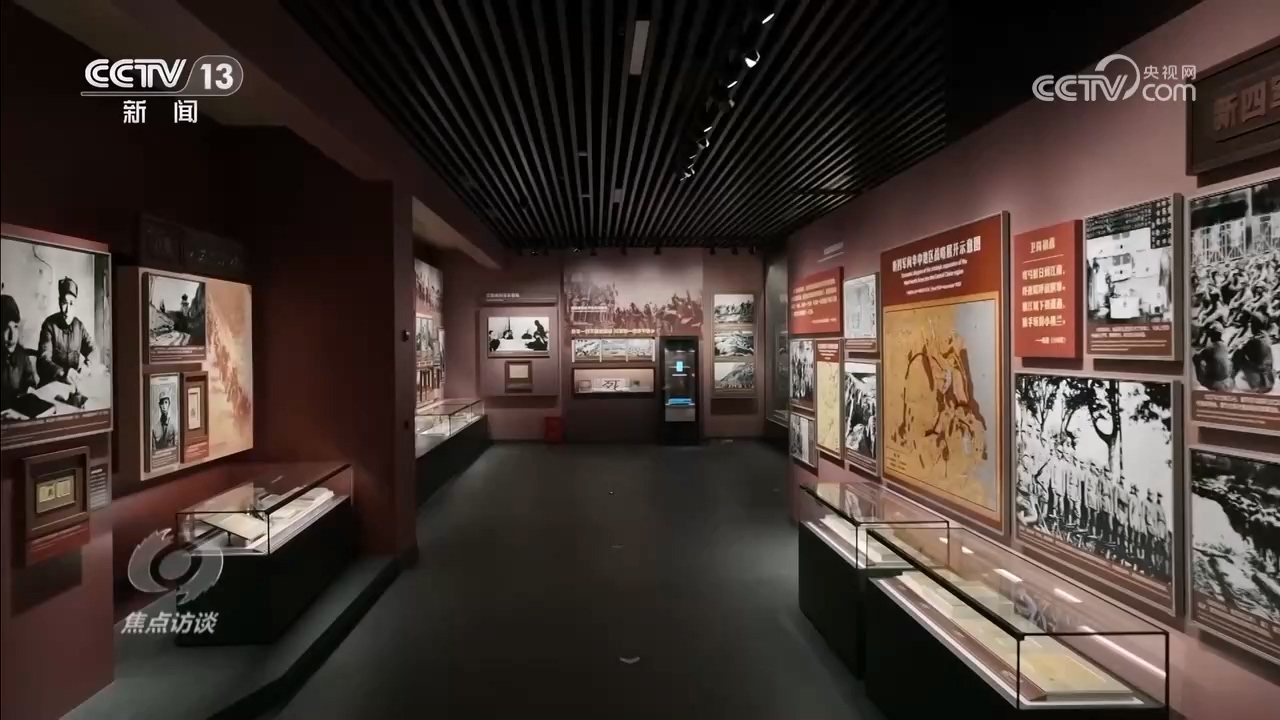
Core Viewpoint - The exhibition commemorates the 88th anniversary of the outbreak of the Chinese People's War of Resistance Against Japanese Aggression and showcases the significant contributions of the Chinese people in the global anti-fascist war [1][3]. Group 1: Exhibition Overview - The exhibition titled "For National Liberation and World Peace - Commemorating the 80th Anniversary of the Victory of the Chinese People's War of Resistance Against Japanese Aggression and the World Anti-Fascist War" covers an area of 12,200 square meters and features 1,525 photographs and 3,237 cultural relics [3]. - Nearly one-third of the exhibited relics are being displayed for the first time, providing a more comprehensive understanding of the history of the resistance [3]. Group 2: Historical Context - The exhibition begins with the September 18 Incident of 1931, marking the start of Japanese military aggression in Northeast China, and highlights the Chinese Communist Party's early calls for armed resistance against Japanese imperialism [5][7]. - The first part of the exhibition features electronic displays of the Chinese Communist Party's declarations calling for armed resistance, emphasizing the party's leadership role during the national crisis [5][9]. Group 3: Key Events and Figures - The second part of the exhibition focuses on the full-scale war that began with the Marco Polo Bridge Incident on July 7, 1937, showcasing important artifacts such as the martyr certificate of revolutionary hero Shen Zhongming [11][13]. - The exhibition highlights the significant victories of the Chinese forces, including the Pingxingguan ambush on September 25, 1937, where the Eighth Route Army achieved a major victory against Japanese troops [15][17]. Group 4: Contributions and Achievements - From September 1937 to October 1945, the People's Army led by the Chinese Communist Party engaged in a total of 125,165 battles, effectively restraining and annihilating a large number of Japanese and puppet forces [22]. - The exhibition serves as a reminder of the sacrifices made by the Chinese people for national independence and their contributions to the victory of the global anti-fascist war [23].
历史转折处的那“一夜之间”(铭记历史 缅怀先烈)
Ren Min Ri Bao· 2025-07-06 22:52
Core Viewpoint - The article discusses the historical significance of the Lugou Bridge Incident, marking the beginning of the Chinese people's resistance against Japanese aggression, highlighting the collective awakening and unity of the nation in the face of adversity [7][20][28]. Group 1: Events Leading to the Incident - The peaceful summer of 1937 was abruptly disrupted by the outbreak of conflict, as tensions escalated between Chinese forces and Japanese troops [2][3]. - The incident began on the night of July 7, 1937, when Japanese soldiers opened fire on Chinese defenders near Lugou Bridge, leading to a series of violent confrontations [5][8]. Group 2: The Response of Chinese Forces - Chinese military leaders, such as Jin Zhenzhong, displayed determination and courage, issuing orders to resist the Japanese forces fiercely [5][12]. - The 29th Army, under Jin Zhenzhong's command, engaged in intense battles, resulting in significant casualties among both Chinese soldiers and civilians [13][15]. Group 3: Civilian Impact and National Awakening - The incident led to widespread panic and chaos among civilians, with many fleeing their homes as the Japanese military advanced [10][11]. - The event catalyzed a national consciousness, prompting various groups, including students and intellectuals, to mobilize for resistance against the invaders [20][21][24]. Group 4: Formation of a United Front - The Chinese Communist Party and other organizations called for a united front against Japanese aggression, emphasizing the need for collective action [20][27]. - The establishment of the Anti-Japanese National United Front marked a significant shift in the political landscape, uniting various factions in the fight against the common enemy [25][26]. Group 5: Long-term Consequences - The Lugou Bridge Incident is recognized as a pivotal moment that transformed China's struggle into a full-scale national resistance, influencing the broader context of World War II [28]. - The sacrifices made during this period laid the groundwork for future victories and contributed to China's role in the global fight against fascism [28].
《亮剑》重播档期公布
中国基金报· 2025-07-03 06:24
Core Viewpoint - The article discusses the upcoming commemorative events and exhibitions for the 80th anniversary of the victory in the Chinese People's Anti-Japanese War and the World Anti-Fascist War, highlighting various cultural and artistic activities planned to honor this significant historical milestone [2][3][12]. Group 1: Commemorative Events - A grand artistic gala will be held on September 3 in Beijing, organized by multiple government departments, to commemorate the victory [3]. - From August to October, a selection of approximately 20 outstanding stage art performances will be showcased in major theaters across Beijing, with around 40 performances planned [3]. - A major art exhibition featuring over 300 pieces of classic and newly created artworks will take place at the National Art Museum of China from August to September [4]. Group 2: Media and Broadcasting Initiatives - The State Administration of Radio and Television is producing a series of thematic works, including dramas and documentaries, to reflect on the historical significance of the Anti-Japanese War [6][9]. - A "Classic Revisit" channel will air notable dramas and documentaries throughout July to September, aiming to engage audiences with historical narratives [7]. - A comprehensive media campaign titled "Mountains and Rivers Witness—Our Anti-Japanese War Memories" will run from late July to late August, featuring live broadcasts and thematic programs [8][32]. Group 3: Exhibition Details - The main exhibition will open on July 7, covering an area of 12,200 square meters, displaying 1,525 photos and 3,237 artifacts, with a focus on remembering history and honoring heroes [12][46]. - The exhibition is divided into eight sections, each highlighting different aspects of the Anti-Japanese War, including the role of the Communist Party and the contributions of the Chinese people [13][20][36]. - Special areas will be dedicated to honoring anti-Japanese heroes, showcasing their stories and contributions through various media [22][30]. Group 4: Artistic and Cultural Contributions - The Central Broadcasting and Television Station is set to release several key dramas, including "Our Rivers and Mountains" and "Return to the Team," which depict significant historical narratives [10][37]. - Documentaries such as "Victory 1945" and "The Memory of the Mountains" will provide in-depth insights into the war's history and its impact on contemporary society [38][45]. - The use of innovative technologies in productions aims to enhance the storytelling experience, making historical narratives more engaging for modern audiences [41][45].
时代专论丨全面抗战时期中国共产党的纪律和作风建设
Zhong Yang Ji Wei Guo Jia Jian Wei Wang Zhan· 2025-07-03 01:16
Group 1 - The core viewpoint emphasizes the importance of discipline and style construction within the Communist Party of China (CPC) as a guarantee for overcoming difficulties and achieving growth [1][2][3] - The CPC has historically focused on maintaining strict discipline to uphold the authority of the Central Committee and ensure the implementation of political lines and central tasks [2][4] - The relationship between political construction and discipline construction is highlighted, with a focus on the dialectical unity of "kingly way" and "tyrannical way" [2][3] Group 2 - The key task of discipline construction is to maintain the authority of the Central Committee and ensure unity within the party [4][5] - The importance of strict discipline in safeguarding the party's unity and the implementation of strategic deployments is reiterated [4][5] - The historical context of discipline enforcement during the Anti-Japanese War is discussed, showcasing the party's commitment to maintaining discipline even in challenging times [12][16] Group 3 - The concept of "iron discipline" is introduced as essential for executing the party's political line, with Mao Zedong's assertion that discipline guarantees the execution of the line [3][19] - The CPC's approach to discipline includes strict organizational rules and the necessity for all members to adhere to these rules to maintain unity and authority [19][20] - The party's historical experiences during the Anti-Japanese War have led to significant theoretical and institutional innovations in discipline and style construction [17][20] Group 4 - The CPC's emphasis on maintaining close ties with the masses is identified as a fundamental task of style construction, ensuring the party remains a representative of the people's interests [7][8] - The integration of mass opinions into the party's work methods is highlighted as a critical aspect of effective leadership [9][10] - The importance of self-criticism and collective improvement within the party is emphasized as a method for enhancing overall party style [11][12] Group 5 - The party's anti-corruption efforts are underscored as essential for maintaining its integrity and connection with the people, with historical examples of strict punishment for corrupt members [12][14][16] - The CPC's approach to combating corruption is characterized by a commitment to rigorous enforcement of discipline and accountability [12][16] - The development of a collaborative approach to integrity and discipline has become a key method in the party's governance strategy [16][17]
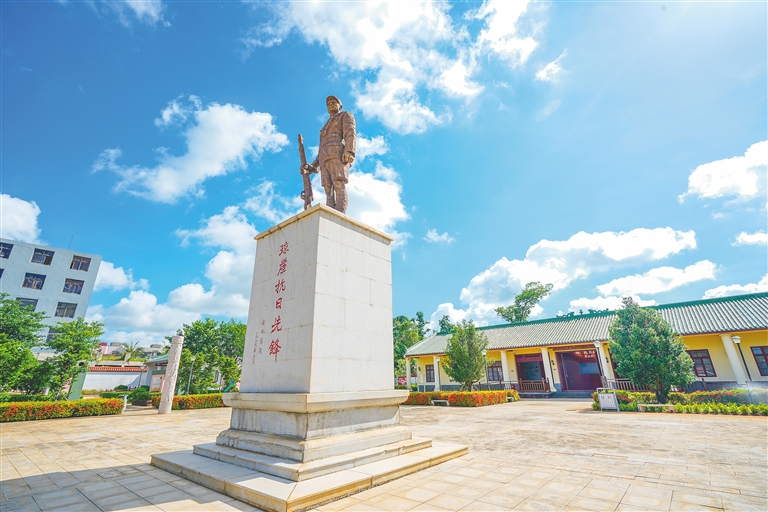
1938年,琼崖抗日民族统一战线建立
Hai Nan Ri Bao· 2025-06-25 02:03
Core Viewpoint - The article commemorates the establishment of the Qiongya Anti-Japanese National United Front in 1938, highlighting the significant contributions of the Qiongya military and civilians in the Anti-Japanese War, and emphasizes the importance of remembering this history for future generations [3][12]. Historical Context - The Qiongya Anti-Japanese War is an essential part of China's history, with the local military and civilians uniting against foreign aggression for over six years [3][12]. - The article marks the 80th anniversary of the victory in the Anti-Japanese War and the global anti-fascist war, aiming to explore significant memorial sites and historical footprints in Hainan [3]. Key Events - On December 5, 1938, over 300 armed Red Army soldiers gathered at the June Temple in Yunlong to announce the reorganization of the Qiongya Red Army into the "Guangdong People's Anti-Japanese Self-Defense Corps 14th Independent Team," led by Feng Baizhu [7][8]. - The reorganization was a result of extensive negotiations between the Communist Party and the Nationalist Party, which faced challenges due to the Nationalist Party's initial lack of sincerity [9][10]. Community Involvement - The establishment of the independent team was celebrated by local residents, who provided support and resources, demonstrating strong community backing for the anti-Japanese efforts [8][9]. - The Qiongya Red Army quickly grew from a few dozen members to over 300 within a month, thanks to widespread community mobilization [8][9]. Military Actions - The Qiongya Anti-Japanese Independent Team engaged in its first military action on February 10, 1939, successfully resisting Japanese forces at the Tangkoudou crossing, which boosted local morale and recruitment [13]. - By March 1939, the independent team expanded to over 1,000 members, eventually evolving into the Qiongya Column of the People's Liberation Army, which played a crucial role in the region's revolutionary efforts [13]. Legacy and Education - The Yunlong Reorganization Site has been preserved as a patriotic education base, with ongoing efforts to educate future generations about the historical significance of the anti-Japanese struggle [13][14]. - Local initiatives, such as the establishment of volunteer guide teams and the renaming of schools, aim to promote awareness and appreciation of the region's revolutionary history [14].
南苑兵营燃起红色火种
Bei Jing Wan Bao· 2025-06-24 07:23
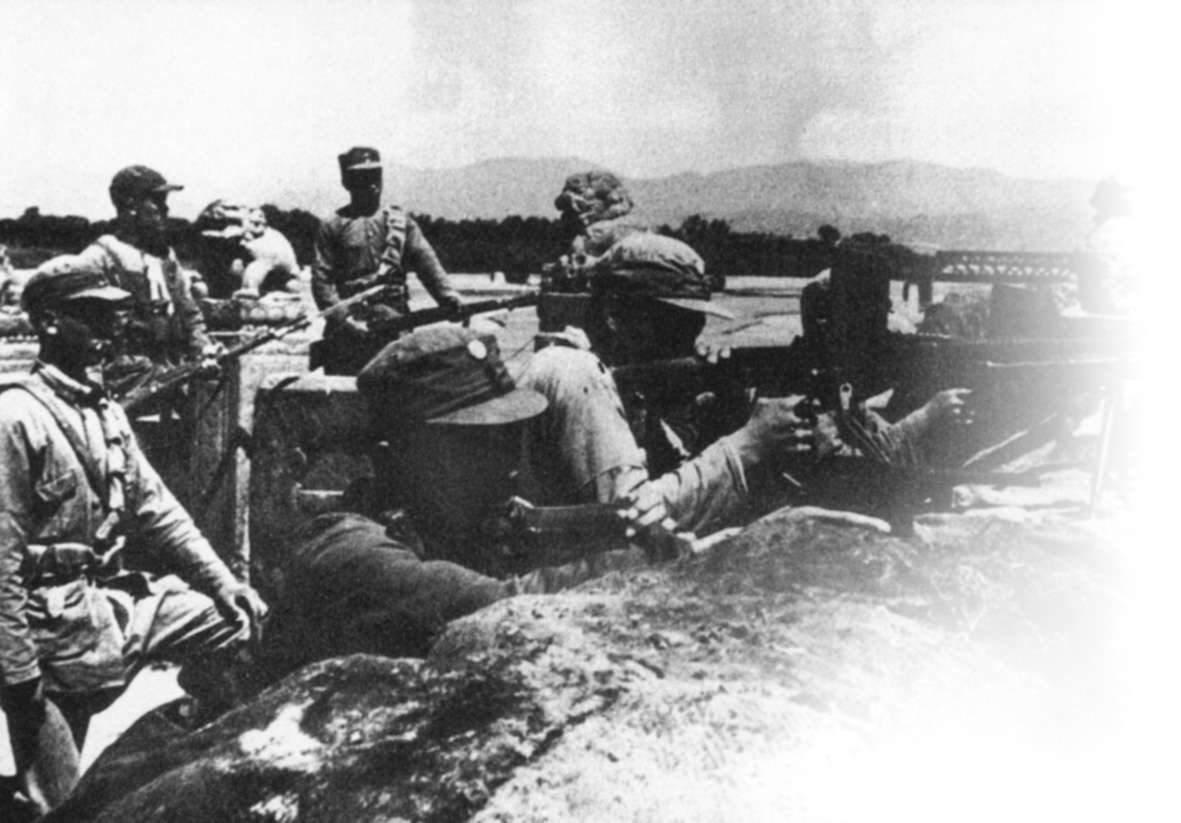
▌王顺成 今年是中国人民抗日战争暨世界反法西斯战争胜利80周年,不禁令人想起了卢沟桥事变——面对日寇的进攻,驻守卢沟桥的29军奋起抵抗,打响全民族抗战 第一枪,并开辟了世界反法西斯战争的东方主战场。 在卢沟桥事变之前,面对民族危机的加重,中国共产党把抗日民族统一战线工作的重点放在了宋哲元和29军身上。共产党员在29军积极宣传抗日主张,发展 了大批抗日积极分子。 中国军队在卢沟桥抗击日军的进攻 冯玉祥送给第29军军长宋哲元的大刀形铜墨盒 建起多个抗日组织 联络代表常驻29军 29军是爱国将领冯玉祥的旧部,官兵还保留一些西北军的传统,有一定的爱国主义情怀。士兵们在饭前仍要像国民军时,先唱歌:"这些饮食人民供给,我 们应当为民努力;帝国主义我们之敌,救国救民吾辈天职。" 还有《起床歌》:"黑夜过去天破晓,朝日上升人起早。外患方多,卧薪枕戈。人人振发奋勉,不可懒惰,努力工作……" 亦有《睡觉歌》:"今日工作又完了,平安快乐去睡觉;国耻莫忘了,灭日复仇显英豪。" 29军军长宋哲元在苦撑华北危局之中,想到了中国共产党,乃于1936年8月派刘子青为联络代表到延安。毛泽东及时派张金吾(经武)到宋哲元处担任中共 中央的联络代表 ...