
零基预算改革

Search documents
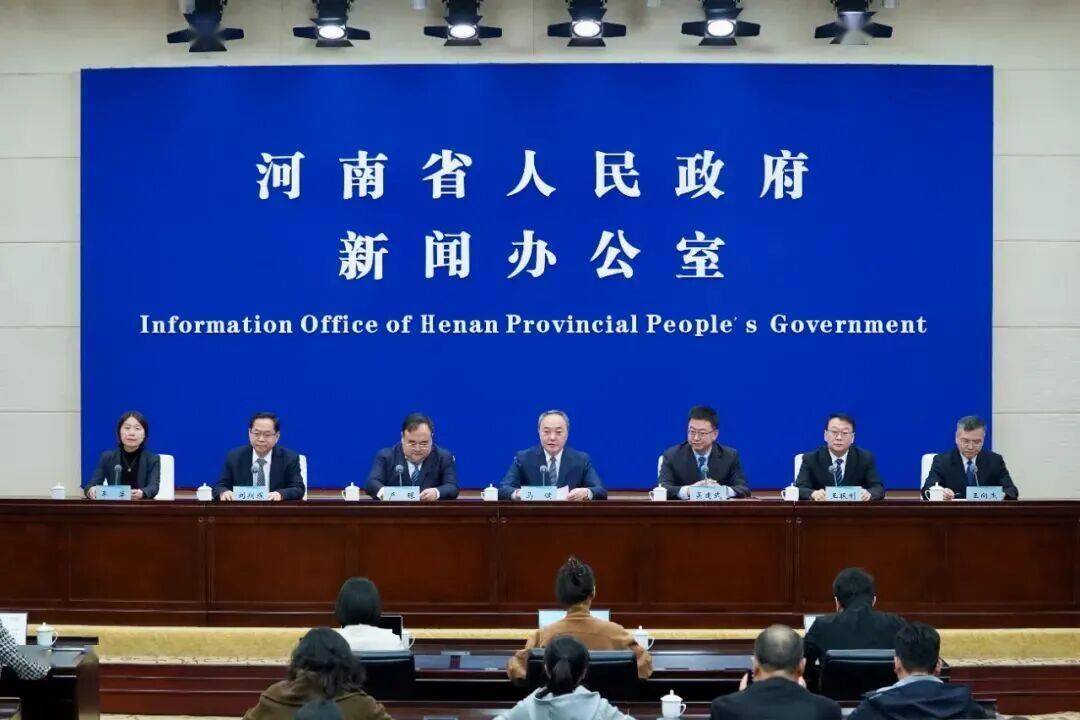
河南省财政厅:完善化债债券直拨机制,将置换债券和补充政府性基金财力专项债券由省财政直接支付至最终债权人
Sou Hu Cai Jing· 2025-11-01 04:34
Core Viewpoint - The Henan provincial government is implementing a series of fiscal measures to support key economic projects and ensure the achievement of annual economic goals, focusing on a proactive fiscal policy and debt risk management [3][4][5][6][7]. Group 1: Policy Effectiveness - The government is accelerating the implementation of central policies and enhancing project funding, with a focus on the "Two New" and "Two Heavy" projects, and has allocated 5.756 billion yuan for consumer incentives [4]. - There is an emphasis on early disbursement of funds to local governments and departments to maximize the effectiveness of financial resources [4]. Group 2: Revenue Enhancement - The government is promoting a series of fiscal and tax policies to support enterprise development and is actively engaging in activities to foster tax revenue [5]. - Efforts are being made to optimize the management of state-owned assets to convert dormant assets into revenue-generating resources [5]. Group 3: Priority on "Three Guarantees" - Increased financial transfers to local governments, particularly in economically challenged areas, are being prioritized to ensure timely and sufficient funding for education, healthcare, and other critical sectors [6]. - The implementation of zero-based budgeting reforms aims to ensure adequate financial resources for the "Three Guarantees" in the upcoming budget [6]. Group 4: Debt Risk Management - Plans are in place to issue 7.62 billion yuan in replacement bonds and 17.06 billion yuan in special bonds to address government debt and overdue payments to enterprises [7]. - The government is enhancing the direct payment mechanism for debt bonds to ensure efficient use of funds and is actively seeking greater financial and policy support from the national level [7].

市政府召开第167次常务会议 研究部署深化零基预算改革、突发事件总体应急管理、规范涉企行政检查等工作
Chang Jiang Ri Bao· 2025-10-13 00:46
Core Points - The meeting emphasized the importance of deepening zero-based budgeting reform as a significant political task related to national economy and people's livelihood [2] - The meeting highlighted the need to enhance overall national security awareness and establish a comprehensive emergency management system [2] - The meeting called for strict regulation of administrative inspections related to enterprises to create a better business environment [2] Group 1: Zero-Based Budgeting Reform - The zero-based budgeting reform is a major deployment from the 20th National Congress and is crucial for national economy and people's livelihood [2] - The approach includes "breaking the base, ensuring key points, and strengthening management" to improve fiscal resource allocation efficiency [2] - The meeting stressed the importance of integrating performance concepts into the entire budgeting process to enhance the effectiveness of fiscal fund usage [2] Group 2: Emergency Management - A comprehensive emergency plan system is to be constructed, ensuring coordination and responsiveness across all levels [2] - The meeting emphasized the need for training, drills, and public awareness to strengthen grassroots emergency capabilities [2] - The goal is to modernize the emergency management system and capabilities [2] Group 3: Administrative Inspections - The meeting focused on stabilizing market expectations and improving the level of law-based administration [2] - It called for a shift in law enforcement concepts and optimization of enforcement methods to reduce the burden on enterprises [2] - The aim is to create a first-class business environment that is market-oriented, law-based, and internationalized [2]
广州市召开全面深化零基预算改革暨2026年预算编制会议
Guang Zhou Ri Bao· 2025-09-27 02:56
Core Insights - Guangzhou is advancing its zero-based budgeting reform to enhance financial strength and support high-quality development [2][3] Group 1: Zero-Based Budgeting Reform - The city has fully implemented zero-based budgeting reform, leading to improved financial efficiency and government governance effectiveness [2] - The reform aims to extend budget management from the budgeting phase to the entire financial management process and government governance [2][3] Group 2: Financial Management Strategies - Emphasis on enhancing revenue and expenditure management, focusing on increasing income and reducing spending [3] - The city plans to strengthen the industrial tax base and optimize state-owned assets to boost financial growth [3] - Priority will be given to essential expenditures and key areas such as industrial innovation to ensure precise allocation of financial resources [3] Group 3: Cost Control and Efficiency - The government aims to reduce administrative operating costs and improve the efficiency of public service delivery [3] - Implementation of the "City Partner" initiative to attract social forces for better urban management and public services [3]
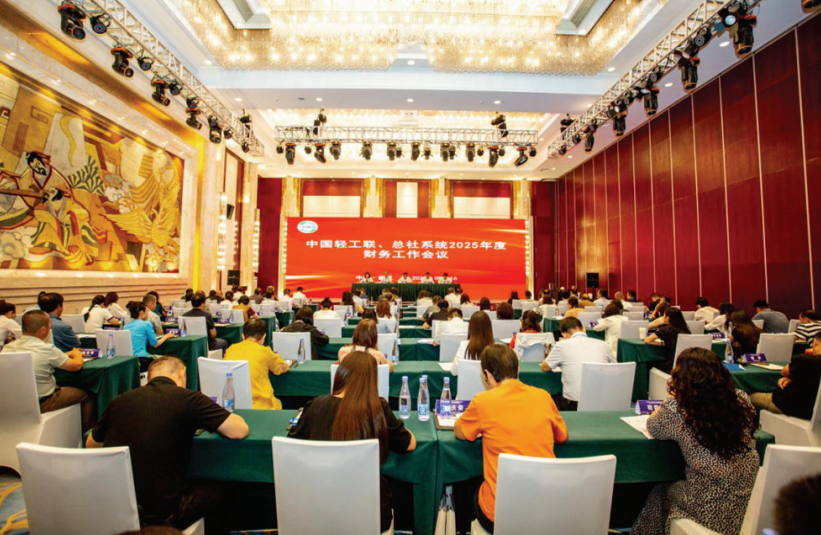
聚资财力量 助轻工发展
Xiao Fei Ri Bao Wang· 2025-09-22 02:43
Core Viewpoint - The meeting emphasized the importance of financial auditing and management in light of national policies and reforms, aiming to enhance the quality of financial work in the light industry sector [2][6][11]. Financial Management - Continuous enhancement of financial management through zero-based budgeting, optimizing procurement, and reducing public expenditures, with "Three Public" expenses maintaining zero growth [3][5]. - Effective asset management and performance evaluation of subordinate enterprises to ensure the preservation and appreciation of collective assets [3][5]. Audit Supervision - In-depth audit supervision with a high audit rectification rate of 93.1% over the past five years, and a 100% rectification rate for immediate issues [3][5]. - Establishment of a mechanism for audit and discipline linkage, promoting the implementation of audit rectifications [3][5]. Internal Governance - Implementation of institutionalized internal control management, with new and revised regulations to enhance operational effectiveness [4][5]. - Focus on digital transformation in administrative and financial management through AI integration [4][5]. Service Efficiency - Significant improvements in service efficiency, including financial audits and securing government funding for budget units [5][11]. - Development of platforms for information exchange and training to enhance financial policy understanding and compliance [5][11]. Recommendations for Financial Audit Improvement - Emphasis on political responsibility and adherence to central policies to enhance financial management [6][7]. - Promotion of financial reform and innovation, focusing on budget performance management and risk assessment [7][8]. - Strengthening financial risk management and compliance with tax regulations to ensure financial safety [8][9]. - Enhancing business efficiency through collaborative mechanisms and effective financial support [9][10]. - Building a competent financial team with a focus on political integrity and professional development [10]. Meeting Outcomes - The meeting facilitated discussions on budget management and financial supervision, aligning financial practices with national requirements [11][12]. - Training sessions on AI integration and accounting standards were conducted to improve financial practices [12].
市本级2026年预算编制暨零基预算改革工作推进会召开,彭华松出席
Chang Sha Wan Bao· 2025-09-20 01:11
Core Viewpoint - The meeting held on September 19 focused on advancing the budget preparation for Changsha's municipal level for 2026 and promoting zero-based budgeting reforms, highlighting the city's progress and future directions in fiscal management [1] Group 1: Zero-Based Budgeting Reform - The city has achieved significant results in deepening zero-based budgeting reforms, with a more robust review system, stronger expenditure guarantees, comprehensive supporting reforms, prominent performance leadership, and enhanced supervisory collaboration, creating a distinctive "Changsha experience" [1] - The emphasis is on recognizing the current situation and building consensus to align with reform objectives and development needs, ensuring a scientific approach to budget preparation [1] Group 2: Fiscal Management and Efficiency - The city must confront new challenges by solidifying fiscal work, accurately managing finances, and effectively utilizing fiscal funds to maximize their impact [1] - There is a call to adhere to new requirements by using zero-based budgeting as a guiding principle to improve budget preparation and enhance the efficiency and effectiveness of fiscal operations [1] Group 3: Collaborative Efforts and Quality Improvement - Relevant departments are urged to strengthen consensus on reforms and zero-based orientation, breaking away from "path dependence" [1] - There is a focus on improving policy clarity and project management to enhance the quality of budget preparation, with an emphasis on collaboration in key areas to build a strong working synergy [1]
一文速览!蓝佛安最新发声:财政政策始终留有后手
Sou Hu Cai Jing· 2025-09-12 08:41
Core Insights - The financial strength of the country has significantly increased during the "14th Five-Year Plan" period, with general public budget revenue expected to reach 106 trillion yuan, an increase of 17 trillion yuan or approximately 19% compared to the "13th Five-Year Plan" period [3] - The government has maintained a reasonable debt ratio, with total government debt projected to be 92.6 trillion yuan and a debt ratio of 68.7%, indicating that risks are manageable [5] - The government is committed to enhancing fiscal policies to support high-quality economic development while ensuring risk management [4] Fiscal Policy and Management - The fiscal policy will continue to balance risk prevention and development promotion, with a focus on maintaining continuity and stability while enhancing flexibility and foresight [4] - The government plans to implement a debt management mechanism that aligns with high-quality development, including measures to reduce existing hidden debts and manage new local government debt limits [6][7] Investment in Public Welfare - The government has allocated 1 trillion yuan for childcare subsidies and 200 billion yuan for gradually implementing free preschool education, addressing public concerns [9] - During the "14th Five-Year Plan" period, nearly 100 trillion yuan has been invested in public welfare, with significant allocations for education, social security, healthcare, and housing [10] Social Security and Support - China has established the world's largest and most comprehensive social security system, with over 1.07 billion people participating in basic pension insurance and 1.33 billion in basic medical insurance [11] - The central government has arranged nearly 50 trillion yuan in transfer payments to local governments during the "14th Five-Year Plan" period to ensure stable local fiscal operations [12] Infrastructure and Economic Growth - The government has issued 1.5 trillion yuan in special long-term bonds to promote infrastructure construction, supporting 150,000 projects [13] - A special bond issuance of 500 billion yuan is expected to leverage approximately 6 trillion yuan in credit [14] Innovation and Development - The government aims to innovate fiscal and tax policy tools to stimulate consumption and expand effective investment, thereby enhancing economic vitality [15] - The implementation of zero-based budgeting reform is intended to ensure accountability for spending and improve the efficiency of fund usage [16] Support for SMEs - Government financing guarantees have supported over 300,000 small and medium-sized technology enterprises in obtaining approximately 800 billion yuan in loans, with guarantee fees reduced to below 1% [17] Income Growth in Rural Areas - In poverty alleviation areas, the per capita disposable income of rural residents has increased by nearly 40% during the "14th Five-Year Plan" period, reaching 17,522 yuan in 2024 [18]
十余省份从零开始编预算,打破财政支出固化格局
Di Yi Cai Jing Zi Xun· 2025-09-04 14:51
Core Viewpoint - Local governments in China are intensifying zero-based budgeting reforms to address fiscal imbalances and improve the efficiency of budget management [2][3][4] Group 1: Background and Context - The Chinese government’s annual budget expenditure exceeds 50 trillion yuan, with a significant portion managed by local governments [2] - The current budgeting method, based on incremental budgeting, leads to rigid fiscal spending and inefficient resource allocation [2][5] - Economic downturns, tax reductions, and a sluggish real estate market have exacerbated fiscal challenges for local governments [3][4] Group 2: Reform Initiatives - Shandong Province has introduced a comprehensive zero-based budgeting reform plan with 16 key tasks aimed at breaking the rigid fiscal spending pattern over three to five years [2][6] - Other provinces, including Jiangsu, Zhejiang, and Anhui, have also released similar reform documents, indicating a widespread commitment to zero-based budgeting [2][4] Group 3: Key Features of the Reforms - The reforms involve eliminating expenditure baselines, allowing all budget items to be prepared from a zero base [6][7] - Anhui's zero-based budgeting 2.0 version expands the reform scope to include public services and extends it to various budget types [6] - Prioritization of spending focuses on basic livelihood protection, debt repayment, and essential government operations [7] Group 4: Implementation Challenges - The reform aims to adjust departmental interests and break the previous rigid spending patterns, enhancing the efficiency of fund utilization [8] - A significant challenge is the lack of established expenditure standards, prompting various regions to develop comprehensive spending standard systems [8][9] - The zero-based budgeting approach is expected to be implemented gradually, with pilot programs starting in 2025-2026 and full implementation by 2027 [10]

十余省份从零开始编预算,打破财政支出固化格局
第一财经· 2025-09-04 14:18
Core Viewpoint - Local governments in China are intensifying zero-based budgeting reforms to address the growing fiscal imbalance and improve the efficiency of public fund utilization [2][4]. Group 1: Background and Rationale - The current budgeting system in China primarily uses incremental budgeting, which leads to a rigid fiscal structure and inefficient resource allocation [4][5]. - Economic downturns, tax reductions, and a sluggish real estate market have exacerbated fiscal challenges for local governments, prompting the need for reform [4][5]. - The central government has officially endorsed zero-based budgeting reforms, highlighting its importance in the 2023 government work report [4][5]. Group 2: Key Features of Zero-Based Budgeting Reforms - The Shandong Provincial Government has proposed a comprehensive zero-based budgeting reform plan, aiming to eliminate expenditure baselines and start all budget items from zero [6][9]. - Other provinces, such as Anhui, are expanding the scope of zero-based budgeting to include public services and social welfare sectors, marking a significant upgrade to previous reforms [7][9]. - The prioritization of expenditures focuses on ensuring basic livelihood, salary payments, and operational costs, referred to as the "three guarantees" [9][10]. Group 3: Implementation Challenges and Strategies - A major challenge in implementing zero-based budgeting is the lack of established expenditure standards, which many provinces are working to develop [11]. - For instance, Hunan Province is advancing the construction of a fiscal expenditure standard system to serve as a foundational basis for budget arrangements [11]. - The gradual implementation of zero-based budgeting is encouraged, with plans for pilot programs in various regions starting from 2025 to 2026, leading to a full rollout by 2027 [11].

十余省份发文深化零基预算改革,支出侧重哪些领域
Di Yi Cai Jing· 2025-09-04 12:35
Core Viewpoint - The article discusses the increasing implementation of zero-based budgeting reforms by local governments in China to address the rigid fiscal expenditure patterns and improve the efficiency of budget management [1][2][3]. Group 1: Background and Motivation - Local governments are facing significant fiscal revenue and expenditure contradictions due to economic downturns, tax reductions, and a sluggish real estate market, prompting the need for budgetary reforms [2][3]. - The central government has emphasized the importance of zero-based budgeting in recent policy discussions, including its inclusion in the government work report [2][3]. Group 2: Reform Implementation - The Shandong Provincial Government has introduced a comprehensive zero-based budgeting reform plan, aiming to eliminate expenditure baselines and start all budget preparations from zero [4][5]. - Other provinces, such as Anhui, are also advancing their zero-based budgeting initiatives, expanding the scope to include various sectors like education and healthcare [4][5]. Group 3: Prioritization and Management - Local governments are prioritizing basic livelihood protections, debt repayments, and essential operational expenditures in their budgeting processes [5][6]. - Shandong's reform includes a "four lists" management system to categorize and prioritize expenditures based on urgency and importance, enhancing the scientific allocation of resources [6][7]. Group 4: Challenges and Future Directions - The implementation of zero-based budgeting faces challenges, particularly in establishing a comprehensive expenditure standard system [6][7]. - Some provinces are gradually rolling out pilot programs for zero-based budgeting, with plans for broader implementation by 2027 [7].
激活财政新动能!1—7月江苏一般公共预算支出同比增长2%
Sou Hu Cai Jing· 2025-08-28 02:10
Core Viewpoint - Jiangsu Province's fiscal performance in the first seven months of 2025 shows a slight increase in both revenue and expenditure, indicating a focus on enhancing fiscal management and supporting economic development [1]. Fiscal Performance - General public budget revenue reached 680.139 billion yuan, a year-on-year increase of 1.5% [1] - General public budget expenditure totaled 834.365 billion yuan, a year-on-year increase of 2%, achieving 54% of the annual budget, which is 0.5 percentage points faster than the same period in 2024 [1]. Resource Allocation - The province has intensified fiscal resource coordination, prioritizing key areas through zero-based budgeting reforms and optimizing expenditure structures [2]. - Social spending amounted to 649.925 billion yuan, accounting for 77.9% of total public budget expenditure, with significant growth in education (5.5%), social security (6.8%), health (12.5%), and housing security (5.2%) [2]. Investment and Innovation - Special funds of 28.3 billion yuan were allocated for transportation projects, including major rail and waterway construction [2]. - Over 2 billion yuan was allocated to support manufacturing innovation and digital transformation initiatives [2]. Support for Foreign Trade and Employment - The province implemented measures to stabilize foreign trade and employment, including financial support for trade exhibitions and export credit insurance [3]. - A total of 10.032 billion yuan was reduced in unemployment insurance fees to alleviate operational costs for businesses [3]. Market Vitality Initiatives - Jiangsu's fiscal policies have been designed to stimulate market activity, including the provision of interest subsidies and loans to small and micro enterprises [4]. - The province launched consumption promotion policies, distributing 4.79 billion yuan in lottery vouchers to boost consumer spending [4]. Financial Group Formation - The establishment of the Jiangsu National Financial Investment Group aims to enhance the province's financial landscape and strengthen fiscal capacity [5]. Direct Financial Support - A new implementation plan for direct financial support to enterprises has been established, allowing for rapid access to funds without application requirements [6]. Governance and Management Improvements - Jiangsu is advancing fiscal management reforms, including zero-based budgeting and enhanced digital platforms for real-time financial data monitoring [7]. - The province is also working on legislative measures to improve financial supervision and performance evaluation systems [7].