
具身智能

Search documents
10亿融资、百亿估值,资本押注人形机器人“务实派”
Robot猎场备忘录· 2026-03-05 10:38
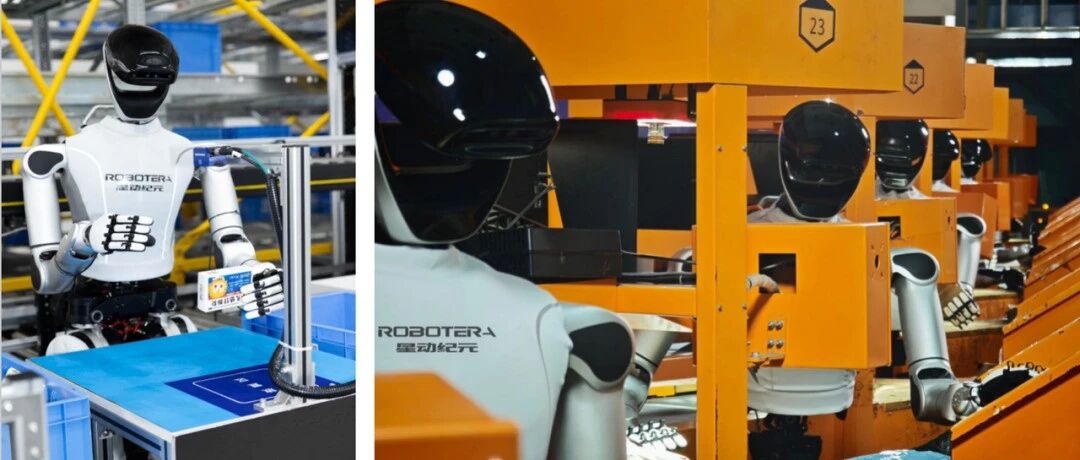
Core Viewpoint - The article highlights the recent completion of a 1 billion yuan financing round by the humanoid robot company "Xingdong Jiyuan," which has achieved a valuation exceeding 10 billion yuan, marking its entry into the "billion club" of embodied intelligence companies [2][4]. Financing and Investment - Xingdong Jiyuan has completed a total of 6 financing rounds, accumulating approximately 3 billion yuan in total funding [4]. - The latest financing round was led by major investors including Samsung, High Growth Capital, and others, with existing shareholders like Dinghui VGC and QH Capital also increasing their investments [2][4]. - The company has attracted 16 domestic and international investors, forming a diverse ecosystem that includes leading firms from various sectors such as technology, automotive, logistics, and telecommunications [4]. Company Background - Xingdong Jiyuan is the only embodied intelligence enterprise backed by Tsinghua University, founded by a team led by Turing Award winner and academician Yao Qizhi [6]. - The core team includes Chen Jianyu, an assistant professor at Tsinghua University with over 10 years of experience in robotics and AI research [6]. Product and Technology Development - The company has achieved over 95% self-research in key components of humanoid robots, including the body, actuators, and joints [8]. - Major products include the full-size humanoid robot "Xingdong STAR1" and the wheeled robot "Xingdong Q5," with plans to ship nearly 1,000 units of the dexterous hand by 2025, with 50% of sales expected to be overseas [8][10]. - The company has introduced advanced algorithms and models, such as the VLA architecture and the end-to-end native robot model ERA-42, which allows for high degrees of freedom in robot operations [16][17]. Commercialization Progress - By 2025, the company anticipates commercial orders exceeding 500 million yuan, with collaborations established with major firms like Geely, Renault, and SF Express [15]. - The company has implemented its solutions in logistics and retail, achieving operational efficiencies of up to 70% in certain scenarios [21]. Market Position and Future Outlook - Xingdong Jiyuan is positioned as a leader in the domestic humanoid robot sector, with significant backing from both domestic and international investors [22]. - The article notes the competitive landscape, with several companies in the embodied intelligence field achieving substantial valuations and seeking IPOs, indicating a rapidly evolving market [22].

广电运通(002152) - 2026年3月4日投资者关系活动记录表
2026-03-05 10:02
Group 1: Financial Performance - In 2025, the company achieved total revenue of 12.068 billion CNY, representing a year-on-year growth of 11.06% [2] - The net profit attributable to shareholders, excluding non-recurring items, was 780 million CNY, with a year-on-year increase of 3.45% [2] Group 2: Digital Currency Developments - The company has developed a comprehensive service capability for digital RMB, including hardware and software solutions [3] - Hardware offerings include multi-form digital wallets and smart terminals, facilitating full functionality for digital RMB operations [3] - The company has established 10 digital RMB systems for rural credit and city commercial banks [3] Group 3: AI and Robotics Initiatives - Guangzhou Super Intelligent Machines Co., Ltd. was established to focus on embodied intelligence, with a strategy to develop "super professional intelligent robots" [3] - The company has formed a core R&D team of nearly 100 experts and has made breakthroughs in key technologies [3] - The first prototype product has been completed and is currently undergoing testing in bank branches [3] Group 4: Payment Solutions - The "Guanghui Tong GPX" payment platform supports multi-currency virtual accounts and facilitates rapid collection and settlement for various scenarios [4] - The platform is designed for global markets, including Europe, Southeast Asia, and Africa, and aims to provide efficient cross-border payment solutions [4] Group 5: Overseas Market Expansion - In the first three quarters, overseas market revenue exceeded 1.1 billion CNY, showing a steady upward trend [5] - The company is focusing on Southeast Asia, the Middle East, and Latin America to expand its business [5] Group 6: Future Strategic Directions - For 2026, the company will focus on three main areas: strengthening technological foundations, enhancing scenario integration, and activating capital efficiency [5] - The aim is to evolve the aiCore system into an intelligent platform and promote large-scale applications of multi-modal and embodied intelligence technologies [5]

无界动力连获中金保时捷基金注资:后者首次连续两轮加注同一智能初创企业
IPO早知道· 2026-03-05 09:45
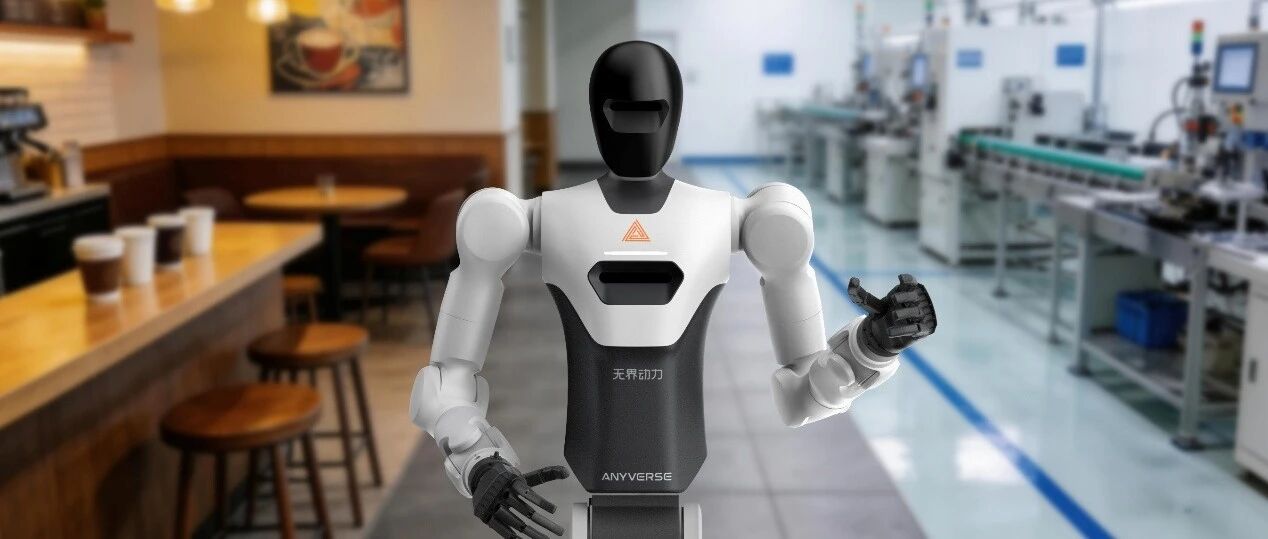
Core Insights - Wujie Power is nearing the completion of its third round of financing, with a total funding amount expected to reach 800 million yuan [3] - The company focuses on "general brain" and "operational intelligence" in robotics, attracting notable investors such as Sequoia China, Linear Capital, Hillhouse Capital, Horizon Robotics, and others within six months [3] - CICC Porsche Fund's continuous investment in Wujie Power reflects strong recognition of the company's technological path and commercialization prospects [3] Investment Strategy - CICC Porsche Fund marks its first instance of consecutive investments in the same company, indicating a strategic shift from the smart driving industry to the field of embodied intelligence [4] - The fund aims to leverage its insights into the global automotive industry and the flexibility of RMB funds to support Wujie Power, enhancing its strategic resources and confirming the integration of embodied intelligence technology with future mobility and smart manufacturing [4] Technological Alignment - Dr. Ulrich Thiem from Porsche emphasizes that China is becoming a key driver of global innovation in embodied intelligence technology, aligning with Porsche's strategy of integrating smart technology with physical industries [5] - Wujie Power's dual-track strategy of "basic model development and expert model implementation" aligns with the investment philosophy of focusing on technology companies with deep industry insights and continuous innovation capabilities [5] Global Perspective - Wujie Power's founder and CEO, Zhang Yufeng, has a strong international background, having worked at leading tech companies like Sony and ARM, which contributes to the company's technological leadership and collaborative experience [5] - The company has begun mass production and delivery of its robots, entering international clients' industrial production lines, and is actively co-creating in real-world scenarios within high-value sectors like industrial manufacturing and commercial services [5] Industry Trends - The automotive industry is undergoing a transformation towards flexibility and intelligence, with embodied intelligence becoming a key technological link between future mobility and advanced manufacturing [6] - CICC Porsche Fund's strategic investment in Wujie Power is part of a broader trend to accelerate the scaling process of leading embodied intelligence companies in global core scenarios [6]
估值破百亿!仅隔2个月具身智能企业星动纪元再融10亿!
机器人圈· 2026-03-05 09:24
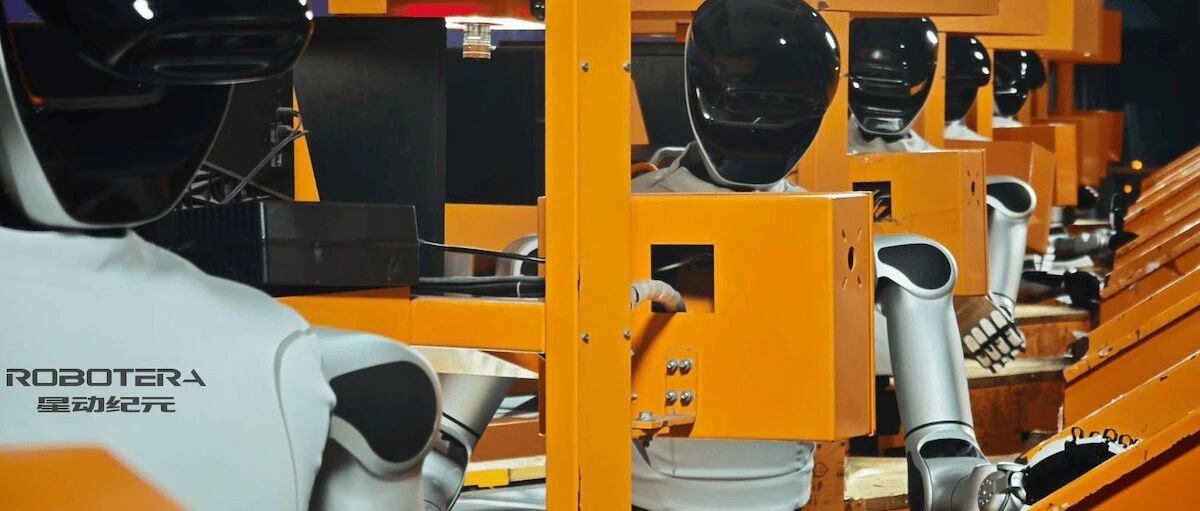
Core Insights - The company, Star Motion Era, has completed a strategic financing round of 1 billion yuan, achieving a valuation exceeding 10 billion yuan, with investments from various domestic and international firms, creating a robust ecosystem in the embodied intelligence sector [2][3]. Financing and Investment - The recent financing round occurred just two months after the previous one, with the intended investment amount significantly surpassing the fundraising target [3]. - A total of 16 domestic and international investors have participated, including major players like Geely Capital, Alibaba, Lenovo, and Samsung, forming a collaborative model that integrates capital and industry [2]. Technological Achievements - Star Motion Era's collaboration with Stanford University's Chelsea Finn team has led to the development of the Ctrl-World model, which ranked first in embodied tasks and second in overall world models in the WorldArena evaluation [4]. - The company has pioneered several global firsts in the VLA embodied model field, including innovations like frequency division VLA and VLA combined with online reinforcement learning [6]. Unique Capabilities - Star Motion Era is the only domestic company with comprehensive self-research capabilities across hardware and software in the embodied intelligence sector, integrating perception, decision-making, and control into a unified system [7]. - The company has developed a fully autonomous end-to-end embodied model, ERA-42, capable of performing complex tasks with high precision [7]. Commercialization and Market Presence - The company has achieved over 500 million yuan in orders, with a 50% share of overseas business, and has secured repeat purchases from international clients, indicating high market acceptance and profitability [10]. - Star Motion Era has made significant strides in the logistics sector, implementing the first embodied intelligence logistics solution in China and achieving operational efficiencies of up to 70% in various cities [12]. Future Prospects - The recent financing is expected to accelerate technological iterations and product scaling, with plans to expand into e-commerce, industrial manufacturing, and pharmaceutical distribution, aiming to transition from technology development to industrial application [12].
前小米高管创业机器人!具身智能科技企业小雨智造获数亿元B轮融资
机器人圈· 2026-03-05 09:24
Core Viewpoint - Xiaoyu Intelligent Manufacturing has completed a multi-billion B round financing, led by Huaye Tiancai, with participation from various investors including Xiaomi's co-founder Li Wanqiang, indicating strong market interest in embodied intelligence technology [1][7]. Group 1: Company Overview - Xiaoyu Intelligent Manufacturing was founded in 2023 by a team from major tech companies like Xiaomi, Huawei, and ByteDance, with a focus on developing the "Xiaoyu Brain" for universal robotic control [2]. - The company aims to create a comprehensive embodied intelligence platform characterized by high precision, robustness, and generalization capabilities [2]. Group 2: Financing and Investment - The recent financing round will be used to enhance investment in large models and to establish strategic partnerships with leading global supply chain companies [1]. - The diverse investor base, including Huaye Tiancai and others, reflects confidence in Xiaoyu's potential for industrial collaboration and market expansion [7]. Group 3: Market Position and Strategy - Xiaoyu has prioritized industrial applications for its technology, positioning itself as a leader in the embodied intelligence sector, especially as the industry is expected to see significant growth by 2026 [6]. - The company has already achieved initial mass production and delivery, validating its platform's stability and scalability in industrial environments [3]. Group 4: Future Outlook - The founder, Qiao Zhongliang, has expressed intentions to expand into high-tech fields such as aerospace over the next decade, aiming to enhance China's manufacturing capabilities through intelligent upgrades [6].

从硬件到解决方案,云深处完成具身智能行业落地的关键一跃!
机器人大讲堂· 2026-03-05 09:14
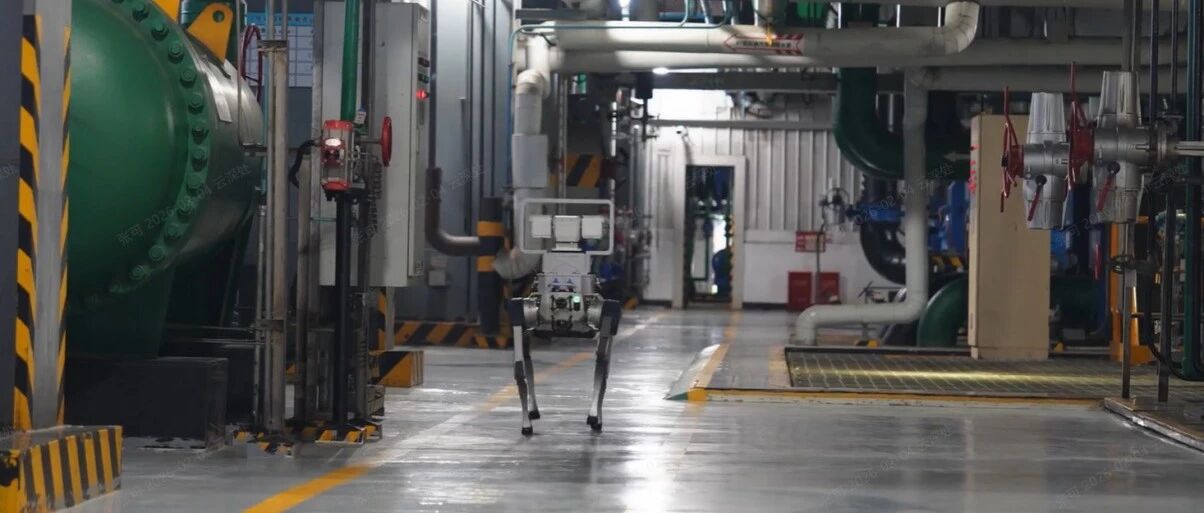
Core Insights - The article highlights the launch of two major industry solutions by Yunshen Technology in March 2026, focusing on thermal power inspection and public safety, showcasing the company's commitment to real-world application and industry integration [1] Group 1: Market Overview - The robot inspection market is expanding, with projections indicating that the Chinese smart inspection robot market will reach 17.08 billion yuan by 2025, reflecting a compound annual growth rate of 23% over the past five years [2] - The global market is expected to exceed 10 billion USD, with China accounting for over 35%, establishing itself as a core application market [2] - The electric power inspection sector is a key area, representing over 58% of the domestic market, with the substation inspection robot market alone projected to reach 5.29 billion yuan in 2025 [2] Group 2: Technological Advancements - Yunshen Technology's intelligent inspection solution for thermal power plants achieves over 90% accuracy in early warning systems, potentially saving over 1 million yuan in operational costs annually for each plant [3] - The solution transforms challenging inspection environments into areas for robotic operations, covering critical production zones and creating a comprehensive inspection network [4] - The robots can autonomously navigate complex terrains, withstand high temperatures and dust, and perform tasks such as oil level observation and anomaly detection, significantly enhancing operational safety and efficiency [4][7] Group 3: Implementation and Collaboration - The collaboration with Huadian Electric Power Research Institute leverages advanced algorithms for intelligent diagnosis and early warning, integrating hardware and software for seamless operation [8] - The robots operate in a wide temperature range from -20°C to 55°C, ensuring stable performance in various environments, and are equipped with multiple sensors for comprehensive data collection [8] - The approach shifts maintenance from reactive to proactive, reducing unexpected downtime and enhancing reliability in thermal power operations [10] Group 4: Public Safety Applications - Yunshen Technology extends its robotic capabilities to public safety, addressing issues such as resource constraints and high-risk environments in police work [11] - The robots can perform reconnaissance, emergency response, and crime scene investigation, effectively reducing the risk to human officers while enhancing operational efficiency [12] - The company emphasizes that the robots serve as technological allies rather than replacements for police officers, maintaining the integrity of law enforcement [12] Group 5: Future Outlook - The successful implementation of the thermal power and public safety solutions marks a significant milestone in the integration of embodied intelligence technology with industry needs [14] - The focus on practical applications and real-world problem-solving is expected to drive further growth in the embodied intelligence sector, promoting a shift from technology competition to actual application [14]
Science子刊重磅:给机器人装上“指尖”,平衡木挑战2.4秒完胜人类
机器人大讲堂· 2026-03-05 09:14
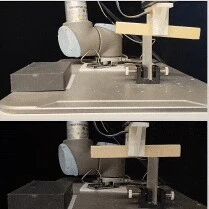
Core Insights - The article discusses a significant technological breakthrough in robotics with the development of the TAP (Torque-Angle-Pressure) tactile sensor, enabling robots to perceive force direction and magnitude like humans [1][11]. Group 1: Performance Comparison - In a balance beam challenge, a robot equipped with the TAP sensor completed the task in 2.4 seconds with an 81.5% success rate, while humans took 6.5 seconds with an 18.3% success rate [2][20]. - The robot's performance was notably more stable, with a 95% confidence interval for completion time between 2.3 and 2.5 seconds, compared to humans' range of 4.7 to 8.3 seconds [22]. Group 2: Technical Specifications of TAP Sensor - The TAP sensor features a simple three-layer structure, including a flexible resin cap, an elastic body, and a Hall element, which allows it to measure torque, angle, and pressure simultaneously [11][13]. - Key specifications include a torque resolution of 0.4 N·mm (an order of magnitude improvement), an angular resolution of 0.1° (20 times better than existing technologies), and a linearity of 0.99 [14]. Group 3: Applications and Future Potential - The TAP sensor allows robots to perform complex tasks such as cutting vegetables by adapting to real-time feedback on resistance, significantly improving their operational capabilities [24][27]. - The research team emphasizes the importance of the "interactive loop" framework, which enables robots to continuously assess their interaction with the environment and adjust their actions accordingly [30]. Group 4: Future Developments - Future iterations of the TAP sensor aim to achieve miniaturization for multi-point contact, enhance functionality with high remanence flexible magnetic films, and optimize signal separation for pressure and torque [33].
从医疗到登山,外骨骼进入“万元时代”前夜
机器人大讲堂· 2026-03-05 09:14
Core Viewpoint - The exoskeleton industry is experiencing significant growth, highlighted by the recent B+ round financing of Cheng Tian Technology, which indicates a shift towards consumer-grade applications and market expansion [1][2]. Group 1: Financing and Market Trends - Cheng Tian Technology completed a significant financing round of over 100 million yuan, marking its second round of funding within a year [1]. - The funding will be directed towards expanding the consumer-grade exoskeleton market, developing embodied intelligent exoskeleton technology, and registering new brain-machine interface products [2]. - The exoskeleton industry is entering a phase of accelerated commercialization, driven by advancements in technology, payment models, and diversified applications [2][4]. Group 2: Supply Chain and Cost Dynamics - The supply chain for exoskeletons is maturing, with previously hesitant suppliers now entering the market due to increased demand [4]. - If the exoskeleton market reaches a scale of 10 million units, the corresponding market space for components like motors and sensors could reach 32 billion yuan, 120 billion yuan, and 40 billion yuan respectively [4]. - The transition from high-cost medical devices to more affordable consumer electronics is being facilitated by economies of scale [4]. Group 3: Application Scenarios and Market Demand - Exoskeletons are expanding their application scenarios beyond medical rehabilitation to include industrial and consumer markets, with significant demand growth expected [6]. - The demand for exoskeleton robots in China is projected to grow by 31.6% year-on-year in 2026, with the market size expected to increase by 28.7% [6]. Group 4: Technical Challenges - The industry faces several technical challenges, including the need for improved user experience, better human-machine collaboration, battery life, and the transition from passive to active assistance [8][10]. - Current exoskeletons struggle with user comfort, adaptability to individual movement patterns, and battery performance, which are critical for user acceptance [10]. Group 5: Standardization and Regulation - The lack of a standardized framework for consumer-grade exoskeletons is a significant barrier to large-scale development [11]. - A national standard for exoskeletons is in the process of being established, which aims to create a comprehensive safety risk assessment framework for human-machine interaction [11]. Group 6: Competitive Landscape - The exoskeleton market features a diverse competitive landscape, with companies focusing on either medical or consumer applications [12][14]. - Cheng Tian Technology has a dual strategy, maintaining a strong presence in the medical sector while also exploring consumer markets, which may provide a stable cash flow and growth potential [14]. Group 7: Future Outlook - The recent financing of Cheng Tian Technology is seen as a preparatory move for scaling in the consumer market, but achieving widespread adoption will require addressing key challenges in technology and user experience [16]. - The exoskeleton industry is expected to undergo a competitive shakeout as companies strive to meet the evolving needs of consumers and the market [16].

两会仪器声音 | 施卫东委员:推动检验检测行业向新提质
仪器信息网· 2026-03-05 09:02
Core Viewpoint - The proposal by the National Committee member, Shi Weidong, emphasizes the importance of the inspection and testing industry as a key link in high-tech service and collaborative innovation, which supports various R&D and production activities, playing a crucial role in promoting the integration of technological and industrial innovation [3]. Group 1: Industry Challenges - The inspection and testing institutions in China are generally characterized by being "small, scattered, and weak," with a low proportion of institutions recognized as high-tech enterprises and specialized small and medium-sized enterprises [3]. - Despite local governments prioritizing the construction of innovation infrastructure, there are challenges in timely upgrading and matching technology public service platforms suitable for emerging strategic industries [3]. Group 2: Recommendations for Development - Shi Weidong suggests establishing an evaluation mechanism at the provincial and municipal levels aimed at supporting clusters, reorganizing and integrating resources from state-owned and private leading platforms to enhance the leading role of innovation services [3]. - It is recommended to improve collaborative mechanisms and explore market-oriented approaches to co-build and share resources, encouraging public welfare organizations to lead the formation of service alliances [3]. - The establishment of shared recognition standards for testing data reports across different industries and upstream and downstream links is also advised [3]. Group 3: Innovation and Talent Development - To enhance the systemic potential for service integration and innovation in the industry, Shi proposes exploring a joint service model for innovation, leveraging the dual advantages of major research institutions and industrial resources [4]. - Strengthening the construction of composite technical teams around key industrial chains and promoting the participation of technical personnel in R&D innovation through title evaluation and innovation challenges is also recommended [4].

人形机器人产业周报:我国发布首个国家级人形机器人标准,自变量机器人再获数亿元融资
Guoyuan Securities· 2026-03-05 07:25
Investment Rating - The report maintains a "Recommended" investment rating for the humanoid robot industry, indicating that the industry index is expected to outperform the benchmark index by more than 10% [6]. Core Insights - The humanoid robot concept index increased by 2.06% from February 22 to February 27, 2026, outperforming the CSI 300 index by 0.98 percentage points. Year-to-date, the humanoid robot index has risen by 7.52%, surpassing the CSI 300 index by 5.77 percentage points [11][15]. - Key developments include the release of China's first national humanoid robot and embodied intelligence standard system, which marks a new phase of standardized development in the industry [18]. - Significant financing activities were reported, including several companies securing substantial investments, indicating strong investor interest in the sector [20][21][22]. Weekly Market Review - The humanoid robot index outperformed the CSI 300 index, with notable individual stock performances such as Andar Intelligent, which saw a weekly increase of 37.86%, while Tianqi Co. experienced a decline of 11.84% [11][15]. - The report highlights the overall positive market sentiment towards humanoid robots, with a cumulative increase in the index since the beginning of the year [11]. Weekly Hotspot Review Policy Developments - The first national standard for humanoid robots and embodied intelligence was officially released, covering the entire industry chain and lifecycle, which is expected to facilitate standardized development [18]. - Shanghai is focusing on creating a comprehensive fund matrix to support emerging industries, including humanoid robots, and aims to establish benchmark application scenarios for new technologies [19]. Product and Technology Iteration - New product launches include the Unitree As2 quadruped robot and the Honor Robot Phone, showcasing advancements in humanoid and embodied intelligence technology [20]. Investment and Financing - Significant financing rounds were reported, including a multi-billion yuan investment in a humanoid robot company, making it the highest-valued company in the sector for 2026 [21]. - NIO's chip subsidiary completed a financing round exceeding 2.2 billion yuan, enhancing its capabilities in high-end chip development for autonomous driving and embodied intelligence [21]. Key Company Announcements - Haitai Technology has secured small batch orders for humanoid robots, indicating initial market traction [22]. - Green's Harmonic reported a 122.40% year-on-year increase in net profit for 2025, driven by a recovery in the industrial robot sector and significant growth in embodied intelligence robot business [24].

