
多边主义

Search documents
共赴深圳之约 共创美好明天——国际社会热切期待亚太经合组织“中国年”
Xin Hua She· 2025-11-01 12:40
Core Points - The APEC (Asia-Pacific Economic Cooperation) informal leaders' meeting will be held in Shenzhen, China, in November 2026, marking China's third time hosting the event [1][2][3] - The meeting is anticipated to enhance regional cooperation and economic integration, with a focus on multilateralism and shared prosperity [5][6][7] Economic Growth and Development - Shenzhen's GDP has grown from 270 million RMB in 1980 to an estimated 3.68 trillion RMB in 2024, showcasing its transformation into a modern international metropolis [2] - Trade between China and APEC members has surged from 127.7 billion USD in 1992 to 2.73 trillion USD in the first three quarters of this year [2] Regional Cooperation and Multilateralism - APEC is seen as a platform for promoting regional economic integration and cooperation, with China being a key player in advocating for multilateralism and free trade [6][8] - The upcoming meeting is expected to address global challenges and enhance mutual trust among APEC economies [7][8] Expectations from the Meeting - Various stakeholders express optimism that the meeting will lead to new initiatives for regional collaboration, particularly in areas like digital economy and artificial intelligence [5][6] - The event is viewed as a significant opportunity for China to showcase its commitment to open cooperation and to strengthen ties with APEC economies [4][6][8]
特稿|为开创亚太和世界更加美好的未来汇聚强大合力——习近平主席向亚太经合组织工商领导人峰会发表的书面演讲引发国际社会热烈反响
Xin Hua She· 2025-11-01 10:56
Core Points - Xi Jinping's speech at the APEC Business Leaders Summit emphasizes the importance of open cooperation and multilateralism to address global challenges and promote prosperity [1][2][3] Group 1: Multilateralism and Cooperation - Xi Jinping's assertions highlight that unilateralism and protectionism lead to fragmentation in global trade and investment, while multilateralism is essential for addressing global challenges like climate change and supply chain crises [2][3] - The speech reflects China's commitment to maintaining a multilateral trade system and promoting trade and investment liberalization, particularly benefiting developing countries [2][3] Group 2: Economic Opportunities and Growth - Xi Jinping's speech outlines China's role as a responsible major power, providing a platform for global businesses to grow and share opportunities, emphasizing that "working with China means working with opportunities" [9][10] - The speech indicates that China's ongoing reforms and high-level opening-up will contribute to global economic stability and growth, enhancing the resilience of regional supply chains [8][10] Group 3: APEC's Role in Global Economic Integration - The APEC platform is highlighted as crucial for promoting inclusive and mutually beneficial economic globalization, with Xi Jinping calling for a collective effort to enhance regional cooperation and prosperity [5][6] - The emphasis on "doing big things together" in APEC cooperation aims to ensure that development benefits all member economies, particularly addressing the needs of developing nations [6][7] Group 4: Innovation and Sustainable Development - Xi Jinping's speech underscores the importance of innovation and sustainable development, with a focus on green technology and digital economy as key areas for cooperation among APEC members [10][11] - The speech suggests that China's advancements in green technology and innovation will have positive spillover effects on neighboring economies, enhancing their integration into global value chains [10][11]
习近平同韩国总统李在明会谈
财联社· 2025-11-01 10:53
Core Viewpoint - The meeting between Chinese President Xi Jinping and South Korean President Lee Jae-myung emphasizes the importance of the China-South Korea relationship, highlighting mutual cooperation and the need for strategic communication to enhance bilateral ties [5][8]. Group 1: Strategic Communication - Xi Jinping proposed four suggestions to open a new chapter in China-South Korea relations, starting with strengthening strategic communication to build mutual trust and respect each other's social systems and core interests [6]. - The importance of using dialogue channels and mechanisms to address differences and enhance cooperation was emphasized [6]. Group 2: Economic Cooperation - The two leaders discussed deepening mutually beneficial cooperation, particularly in areas such as artificial intelligence, biopharmaceuticals, green industries, and the silver economy, while accelerating the second phase of the China-South Korea Free Trade Agreement negotiations [6]. - Both countries expressed a commitment to combatting online gambling and telecom fraud, indicating a focus on safeguarding citizens' safety and property [6]. Group 3: Cultural Exchange - Enhancing national sentiment and promoting people-to-people connections were highlighted as essential for solidifying the foundation of public opinion, with an emphasis on cultural exchanges and facilitating personnel movement [6]. - The leaders agreed on the importance of guiding public opinion positively to foster a conducive atmosphere for bilateral relations [6]. Group 4: Multilateral Cooperation - Xi Jinping congratulated South Korea on successfully hosting the APEC informal leaders' meeting and expressed a desire to collaborate on advancing the APEC Free Trade Area and regional economic integration [7]. - The commitment to uphold true multilateralism and promote a fairer international governance system was reiterated [7]. Group 5: Bilateral Relations - Lee Jae-myung welcomed Xi Jinping's visit, noting its significance for Korea-China relations and the deepening of cooperation across various fields since the establishment of diplomatic ties [8]. - Both leaders expressed a desire to enhance high-level exchanges and manage differences effectively to further develop the bilateral partnership [8].


习近平同韩国总统李在明会谈
证券时报· 2025-11-01 10:47
Core Viewpoint - The meeting between Chinese President Xi Jinping and South Korean President Lee Jae-myung emphasizes the importance of the China-South Korea relationship, highlighting mutual cooperation and the need for strategic communication to enhance bilateral ties [7][9]. Group 1: Strategic Communication - Xi Jinping proposed four key suggestions to open a new chapter in China-South Korea relations, starting with strengthening strategic communication to build mutual trust and respect each other's core interests [9]. - The importance of long-term perspectives in viewing the relationship was stressed, advocating for cooperation while managing differences through friendly consultations [9]. Group 2: Economic Cooperation - The leaders discussed deepening mutually beneficial cooperation, particularly in areas such as artificial intelligence, biopharmaceuticals, green industries, and the silver economy, while accelerating the second phase of the China-South Korea Free Trade Agreement negotiations [9][10]. - Both countries expressed a commitment to combatting online gambling and telecom fraud, indicating a collaborative approach to safeguard citizens' safety [9]. Group 3: Cultural Exchange - Enhancing national sentiments and promoting people-to-people connections were highlighted as essential for solidifying the foundation of public opinion, with an emphasis on positive media narratives and cultural exchanges [9]. - The leaders agreed on facilitating personnel exchanges and increasing interactions among youth, media, think tanks, and local communities to foster mutual understanding [9]. Group 4: Multilateral Cooperation - Xi emphasized the importance of multilateral collaboration for promoting peace and development, congratulating South Korea on hosting the APEC Leaders' Informal Meeting and expressing a desire to advance regional economic integration [10]. - The commitment to uphold true multilateralism and maintain a fair international trading system was reiterated, aiming for a more just global governance structure [10]. Group 5: Economic Development Plans - The meeting underscored the significance of the "14th Five-Year Plan" approved by the Chinese Communist Party, which outlines China's economic development direction and priorities for the next five years [12]. - South Korea expressed its willingness to enhance cooperation with China to stabilize supply chains and bring more benefits to both nations' citizens [12].
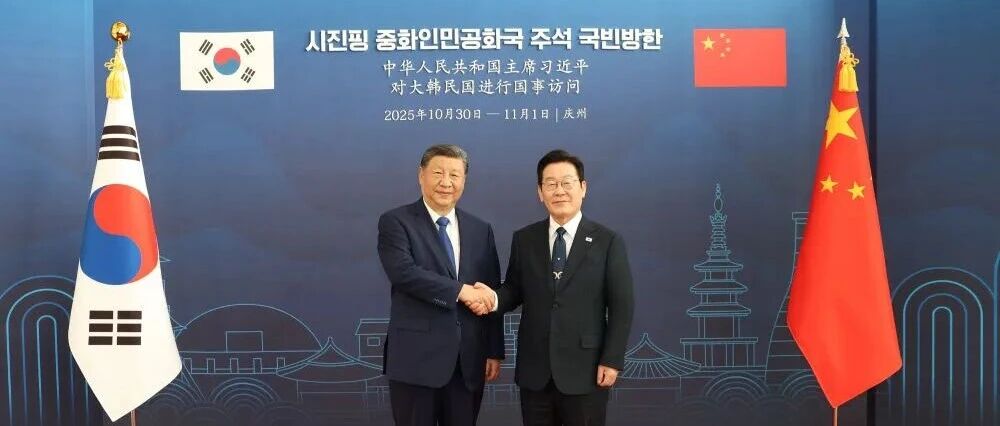
习近平同韩国总统李在明会谈
中国基金报· 2025-11-01 10:38
Group 1 - The meeting between Chinese President Xi Jinping and South Korean President Lee Jae-myung emphasizes the importance of the China-South Korea relationship as a significant partnership that has transcended social systems and ideological differences over 33 years of diplomatic ties [6][11] - Xi Jinping proposed four key suggestions to open a new chapter in China-South Korea relations, focusing on strengthening strategic communication, deepening mutually beneficial cooperation, enhancing national sentiment, and promoting multilateral collaboration for peace and development [8][9] - Both leaders acknowledged the importance of high-level exchanges and cooperation in various fields, including trade, finance, agriculture, law enforcement, and technology, as a means to further enhance bilateral relations [13] Group 2 - The discussion highlighted the commitment to accelerate the second phase of the China-South Korea Free Trade Agreement negotiations and explore cooperation in emerging sectors such as artificial intelligence, biopharmaceuticals, green industries, and the silver economy [8] - The leaders expressed a mutual desire to improve public sentiment and facilitate cultural exchanges to strengthen understanding and create a favorable atmosphere for the development of bilateral relations [9][11] - The meeting also underscored the importance of maintaining stable supply chains and enhancing international and regional cooperation to promote peace and development in the Asia-Pacific region [11][9]
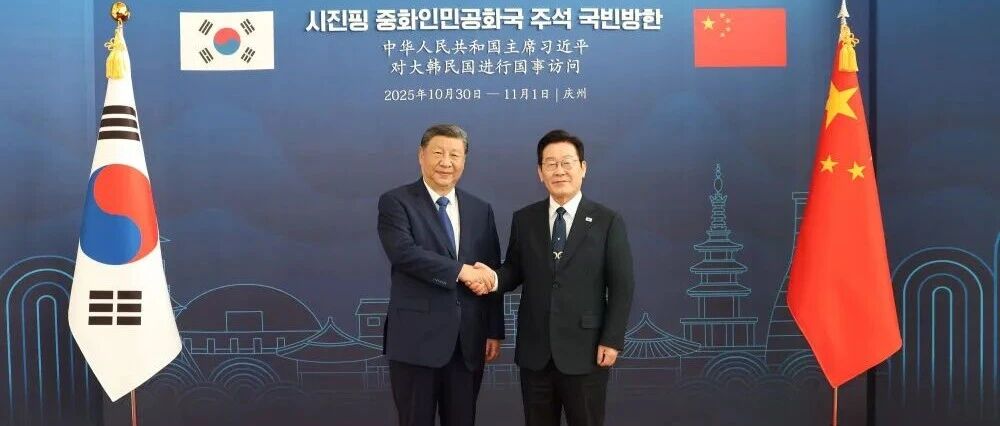
韩正访问沙特
Xin Hua Wang· 2025-11-01 10:30
Group 1 - The core message of the visit emphasizes the strengthening of China-Saudi Arabia relations, highlighting the positive developments since the establishment of diplomatic ties 35 years ago and the successful visit of President Xi Jinping in 2022 [1][2] - The Saudi side expresses a strong commitment to the One China policy and seeks to deepen cooperation with China in various sectors including trade, investment, artificial intelligence, renewable energy, and mining [2][3] - The Ninth Future Investment Initiative Conference serves as a platform for discussing global development, with a focus on promoting prosperity and addressing common challenges faced by developing countries [2][3] Group 2 - Four key initiatives proposed by the Chinese side include: enhancing innovation for green development, promoting open cooperation for mutual benefits, advocating for people-centered development, and deepening collaboration through genuine multilateralism [3][4] - The visit aims to foster high-quality cooperation under the Belt and Road Initiative, focusing on energy collaboration, financial investment, and cultural exchanges [3][4] - The Chinese and Saudi business communities are encouraged to act as bridges for mutual development, aiming to elevate the comprehensive strategic partnership between the two nations [4]
习近平同韩国总统李在明会谈
Xin Hua She· 2025-11-01 10:08
Core Points - The meeting between Chinese President Xi Jinping and South Korean President Lee Jae-myung emphasizes the importance of the China-South Korea relationship as a significant partnership that has evolved over 33 years, overcoming differences in social systems and ideologies [3][6] - Xi proposed four key suggestions to enhance the bilateral relationship, focusing on strategic communication, deepening mutually beneficial cooperation, promoting cultural exchanges, and strengthening multilateral collaboration for peace and development [4][5] Group 1: Strategic Communication - Strengthening strategic communication is essential to build mutual trust and respect, allowing both countries to develop together while managing differences through friendly consultations [4] - Utilizing dialogue channels and exchange mechanisms will help consolidate the foundation for the development of bilateral relations [4] Group 2: Economic Cooperation - There is a commitment to accelerate the second phase of negotiations for the China-South Korea Free Trade Agreement, with a focus on emerging sectors such as artificial intelligence, biopharmaceuticals, green industries, and the silver economy [4] - Both countries are keen to collaborate on combating online gambling and telecom fraud, enhancing the safety of their citizens [4] Group 3: Cultural Exchange - Promoting cultural exchanges and improving public sentiment between the two nations is vital, with an emphasis on guiding public opinion and facilitating people-to-people interactions [4] - Encouraging exchanges among youth, media, think tanks, and local communities will foster mutual understanding and create a positive atmosphere for bilateral relations [4] Group 4: Multilateral Collaboration - China congratulated South Korea on successfully hosting the APEC Leaders' Informal Meeting and expressed willingness to work together to advance the APEC Free Trade Area and regional economic integration [5] - Both countries aim to uphold true multilateralism and promote a fairer international governance system [5]
国际人士:中国践行多边主义 推动各国共同发展、共享繁荣
Yang Shi Wang· 2025-11-01 08:58
Core Points - International figures highly praise President Xi Jinping's important speeches at the APEC meeting, emphasizing China's commitment to multilateralism and shared prosperity among nations [1][5][9] - The advocacy for a fair and just multilateral trade system is seen as essential for global cooperation and development [1][3] - Xi's proposals for global governance and security initiatives aim to foster a community with a shared future for humanity [5][7] Summary by Categories - **Multilateralism and Trade** - Xi Jinping's emphasis on multilateralism is positively impacting the business community, supporting a fair trade system that benefits all partners [1] - The importance of free trade and multilateralism is highlighted, particularly from the perspective of open economies like South Korea [3] - The need for collective commitments in trade is underscored, as reliance on any single country is deemed insufficient [9] - **Global Governance and Cooperation** - The interconnectedness of nations is stressed, with a call against creating an international system that benefits only a few [5] - Xi's pragmatic leadership and actionable suggestions reflect China's capability to lead in sustainable development amidst complex global dynamics [7] - The focus on cooperative and inclusive development aligns with the broader goals of global governance initiatives [9]
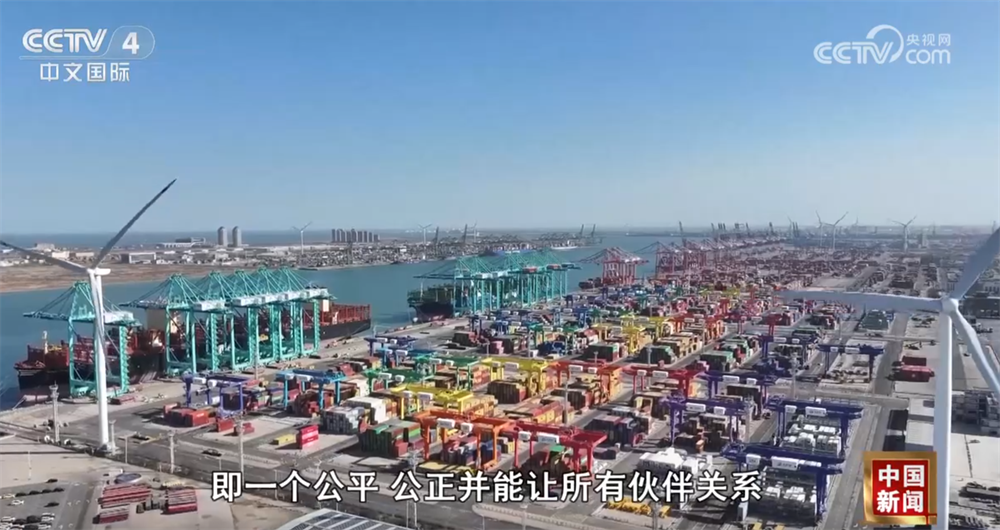
视频丨国际人士:高度赞同中国践行多边主义相关主张
Yang Shi Xin Wen Ke Hu Duan· 2025-11-01 07:37
Group 1 - The core message emphasizes China's role as a defender of the current international order and a practitioner of true multilateralism, which has received high recognition from international figures [2] - South Korea's economy benefits significantly from a multilateral trade system centered around the WTO, with experts agreeing on the importance of maintaining multilateralism and free trade [3] - South Korea, as an open economy, views the promotion of free trade and multilateralism as crucial, welcoming President Xi Jinping's advocacy in this regard [5] Group 2 - The China-South Korea Free Trade Agreement, effective since 2015, requires efforts to upgrade to a 2.0 version, with expectations for shared benefits through trade [7] - The opportunities presented by the APEC are seen as vital for maintaining an open global trade system, which aligns with Chile's aspirations for new market expansion [9] - There is a call for a long-term perspective and planning to achieve fairer, safer, and more stable global outcomes, highlighting China's potential leadership role in this context [11]

和音:共促繁荣 共赢未来
Guo Ji Jin Rong Bao· 2025-11-01 01:43
Core Points - The article emphasizes China's commitment to promoting high-quality economic development and providing new opportunities for the world through its new development model [1][3] - It highlights the importance of multilateralism and cooperation in addressing current global challenges, urging all parties to work together for mutual benefit [1][2] Group 1: APEC's Role and China's Contributions - APEC has played a significant role in leading the Asia-Pacific region towards global openness and economic growth over the past 30 years, proving that open cooperation is essential for overcoming challenges [1][2] - China has been a major contributor to global economic growth, achieving an average growth rate of around 5.5% during the 14th Five-Year Plan period, contributing approximately 30% to global economic growth [3] - The country is seen as a responsible member of the Asia-Pacific community, providing stability and opportunities for global businesses through its ongoing development [3] Group 2: Future Directions and Initiatives - President Xi Jinping proposed four key initiatives for APEC: maintaining peace and stability, promoting open connectivity, fostering win-win cooperation, and encouraging inclusive development [2] - China will host APEC for the third time in 2026, reflecting its commitment to regional cooperation and responsibility [4] - The country aims to deepen cooperation and achieve development through openness and inclusivity, contributing to the construction of a community with a shared future for humanity [4]