投资者保护

Search documents
时报观察|上市公司监管法治化迈入新阶段
Zheng Quan Shi Bao· 2025-12-08 01:08
Core Viewpoint - The introduction of the first dedicated administrative regulations for listed company supervision in China aims to enhance regulatory effectiveness and investor protection, promoting healthy operations and governance of listed companies [1]. Group 1: Regulatory Framework - The China Securities Regulatory Commission (CSRC) has released a draft for public consultation on the "Regulations on the Supervision and Administration of Listed Companies," which includes a dedicated chapter on corporate governance and investor protection [1]. - The new regulations will bridge existing laws such as the Securities Law and Company Law, establishing a comprehensive regulatory framework for listed companies and related parties [1]. Group 2: Risk Prevention and High-Quality Development - The regulations focus on risk prevention, strong supervision, and promoting high-quality development, particularly in the context of mergers and acquisitions (M&A) [2]. - By regulating acquirer qualifications and behaviors, the regulations aim to enhance the quality and effectiveness of M&A activities, supporting industry integration and upgrading [2]. - The regulations impose strict obligations on key executives and independent directors, ensuring accountability and proper exercise of shareholder rights [2]. Group 3: Investor Protection - A significant highlight of the regulations is the emphasis on investor protection, requiring listed companies to enhance cash dividend and share buyback mechanisms to improve investor returns [3]. - The regulations also aim to prevent companies from evading delisting and harming investor interests during restructuring, mandating cash options or other protective measures for dissenting shareholders [3].
时报观察|上市公司监管法治化迈入新阶段
证券时报· 2025-12-08 00:29
Core Viewpoint - The article discusses the introduction of China's first dedicated administrative regulations for the supervision of listed companies, aimed at enhancing regulatory effectiveness and investor protection [1]. Group 1: Regulatory Framework - The China Securities Regulatory Commission (CSRC) has released a draft for the "Regulations on the Supervision and Administration of Listed Companies," which aims to strengthen corporate governance and investor protection [1]. - The new regulations will fill the gap in the existing regulatory framework by connecting foundational laws like the Securities Law and Company Law with the rules of the CSRC and stock exchanges [1]. - The regulations are designed to support the healthy operation and standardized governance of listed companies, especially in light of recent policies like the "National Nine Articles" and the "1+N" policy for capital markets [1]. Group 2: Risk Prevention and High-Quality Development - The regulations focus on risk prevention, strong supervision, and promoting high-quality development, particularly in the context of mergers and acquisitions (M&A) [2]. - They aim to enhance the quality and effectiveness of M&A activities by regulating the qualifications of acquirers, acquisition behaviors, and financial advisory services [2]. - The regulations impose strict obligations on key executives and independent directors to ensure accountability and protect shareholder rights [2]. Group 3: Investor Protection - A significant highlight of the regulations is the emphasis on investor protection, requiring listed companies to enhance cash dividend and share buyback mechanisms to improve investor returns [3]. - The regulations also aim to prevent companies from evading delisting and harming investor interests during restructuring processes, mandating that companies provide cash options or other legal protections for dissenting shareholders [3].


上市公司监管法治化迈入新阶段
Sou Hu Cai Jing· 2025-12-07 22:15
Core Viewpoint - The introduction of the first dedicated regulatory administrative regulations for listed companies in China aims to enhance governance and investor protection, thereby promoting healthy operations and standardized governance of listed companies [1] Group 1: Regulatory Framework - The China Securities Regulatory Commission (CSRC) has released a draft for the "Regulations on the Supervision and Administration of Listed Companies," which seeks to establish a comprehensive regulatory framework that connects existing laws and rules [1] - The new regulations will elevate effective regulatory practices into law, providing strong support for stringent supervision and ensuring high-quality development of listed companies [1] Group 2: Risk Prevention and High-Quality Development - The regulations focus on risk prevention, strong supervision, and promoting high-quality development, particularly in the context of mergers and acquisitions (M&A) [2] - By regulating the qualifications of acquirers and the conduct of M&A activities, the regulations aim to enhance the quality and effectiveness of M&A, supporting industry integration and upgrading [2] - The regulations impose strict obligations on key executives and independent directors, ensuring accountability and protecting shareholder rights [2] Group 3: Investor Protection - A significant highlight of the regulations is the emphasis on investor protection, which includes requirements for listed companies to enhance cash dividends and share buyback mechanisms [3] - The regulations also aim to prevent companies from evading delisting and harming investor interests during restructuring, mandating cash options or other protective measures for dissenting shareholders [3]
时报观察 上市公司监管法治化迈入新阶段
Zheng Quan Shi Bao· 2025-12-07 18:36
Core Viewpoint - The introduction of the first dedicated regulatory administrative regulations for listed companies in China aims to enhance governance and investor protection, thereby promoting healthy operations and standardized governance of listed companies [1] Group 1: Regulatory Framework - The China Securities Regulatory Commission (CSRC) has released a draft for the "Regulations on the Supervision and Administration of Listed Companies," which seeks to establish a comprehensive regulatory framework that connects existing laws and rules [1] - The new regulations will elevate effective regulatory enforcement and deterrence, supporting the high-quality development of listed companies [1] Group 2: Risk Prevention and High-Quality Development - The regulations focus on risk prevention, strong supervision, and promoting high-quality development, particularly in the context of mergers and acquisitions (M&A) [2] - By regulating the qualifications of acquirers and the conduct of acquisitions, the regulations aim to enhance the quality and effectiveness of M&A activities, supporting industrial integration and upgrading [2] - The regulations impose strict obligations on key executives and independent directors, ensuring accountability and proper governance [2] Group 3: Investor Protection - A significant highlight of the regulations is the emphasis on investor protection, which includes requirements for listed companies to enhance investor returns through cash dividends and share buybacks [3] - The regulations also aim to prevent companies from evading delisting and harming investor interests during restructuring processes, mandating cash options or other protective measures for dissenting shareholders [3]
上市公司监管首迎基础法规 为资本市场高质量发展护航
Zheng Quan Ri Bao· 2025-12-07 15:55
12月5日,中国证监会就《上市公司监督管理条例(公开征求意见稿)》(以下简称《条例》)公开征 求意见,明确上市公司监管总体要求,完善公司治理要求,强化信息披露监管,规范并购重组行为,加 强投资者保护,规定监督管理和法律责任等,覆盖上市公司监管各个环节。 《条例》一大亮点在于设专章将上市公司治理作为规范重点,明确了上市公司治理的基本架构,规范董 事和高级管理人员行为,规范控股股东、实际控制人行为,保障和规范股东行使权利。 "《条例》将在提升公司治理水平、优化资源配置和强化市场纪律等三方面,对提高上市公司质量产生 积极影响。"北京大学法学院教授郭雳在接受《证券日报》记者采访时表示,其一,通过系统规范公司 治理,增强公司的稳健性和长期价值;其二,强化对并购重组活动的制度支持,将推动上市公司通过资 源整合优化业务结构;其三,通过加大对违法行为的打击力度,夯实市场诚信基础,促进上市公司合规 经营。 上市公司治理实现制度升维 "以往,《中华人民共和国证券法》和《中华人民共和国公司法》虽为公司治理提供了基础性规定,但 上市公司治理方面的更多操作性要求散见于证监会、交易所制定的规则。《条例》改变了这一局面,其 作为'中间层级 ...
直面上市公司监管痛点 新条例构建全链条闭环
Zhong Guo Jing Ying Bao· 2025-12-07 10:23
Core Viewpoint - The China Securities Regulatory Commission (CSRC) has released the draft of the "Regulations on the Supervision and Administration of Listed Companies," which aims to enhance corporate governance, strengthen information disclosure, regulate mergers and acquisitions, protect investors, and combat illegal activities in the capital market. This regulation is seen as a significant step towards improving the quality and transparency of listed companies and enhancing investor confidence [1][2]. Group 1: Key Aspects of the Regulations - The draft regulation addresses the persistent issues of violations by major shareholders and internal personnel, which have undermined investor confidence [2]. - It emphasizes the need for a modern corporate governance system in China, which is crucial for building world-class enterprises and achieving modernization [2]. - The regulation aims to create a closed-loop system around corporate governance, information disclosure, capital operations, investor protection, and enforcement penalties [1][4]. Group 2: Governance and Disclosure - The regulation specifies mandatory items for company charters, the roles of independent directors and audit committees, and sets clear standards for directors' diligence obligations [3][4]. - It establishes a multi-party accountability mechanism for financial fraud and requires audit committees to review financial reports before submission to the board [3][5]. - The regulation prohibits major shareholders from engaging in fund occupation and illegal guarantees, enhancing the identification and accountability of actual controllers [6][7]. Group 3: Mergers and Acquisitions - A dedicated chapter on mergers and acquisitions outlines a negative list for acquirers and requires performance commitments from transaction parties [8][9]. - It mandates that acquirers must not have significant debts or recent legal penalties, ensuring that only qualified entities can engage in acquisitions [8]. - The regulation aims to prevent misleading restructurings and high-premium arbitrage through comprehensive oversight of the entire transaction process [9][10]. Group 4: Investor Protection - The regulation includes a specific chapter on investor protection, mandating companies to focus on investment value and establish cash dividend and share buyback requirements [11]. - It introduces a mechanism for coordinating bankruptcy restructuring and emphasizes the need for companies to protect investors during the delisting process [11]. - The regulation aims to systematize investor return mechanisms, making cash dividends a priority over stock dividends and allowing multiple dividends within a year [11][12]. Group 5: Recommendations for Improvement - Experts suggest that the regulation should enhance legal deterrents against violations and provide clearer decision-making authority for audit committees to avoid supervisory vacuums [13][14]. - There is a call for more substantial rights for minority shareholders in dividend policies, delisting arrangements, and major transaction votes [14]. - Recommendations also include clarifying standards for related party transactions and refining the responsibilities of independent directors to prevent excessive accountability [15].
A股,重磅利好!
Zheng Quan Shi Bao Wang· 2025-12-07 09:23
Group 1: Regulatory Changes in Financial Sector - The chairman of the China Securities Regulatory Commission (CSRC), Wu Qing, emphasized the need to optimize evaluation indicators for quality institutions and to appropriately expand capital space and leverage limits to enhance capital utilization efficiency [5] - The Financial Regulatory Bureau announced adjustments to risk factors for insurance companies, lowering the risk factors for investments in certain indices and stocks, which will help alleviate capital constraints and improve solvency ratios [7][10] - The CSRC is seeking to enhance corporate governance and investor protection through new regulations, including clear requirements for market value management, cash dividends, and share buybacks [6] Group 2: Fund Management and Performance - A draft guideline for fund management companies links performance pay for fund managers directly to fund performance, with significant penalties for underperformance [2][9] - Fund managers whose products underperform the benchmark by more than 10% and have negative profit margins will see their performance pay decrease by at least 30% [9] Group 3: Market Impact and Investment Opportunities - The adjustments in risk factors for insurance companies could potentially lead to an influx of over 100 billion yuan into the stock market if insurance funds fully allocate to the affected stocks [8] - Predictions indicate that insurance capital could allocate 508 billion yuan and 794 billion yuan to the construction sector in 2025 and 2026, respectively, with a significant increase in investment expected [15]

对话北大郭雳:上市公司监管条例有哪些亮点?有何影响?
Di Yi Cai Jing· 2025-12-07 03:33
Core Viewpoint - The newly proposed "Regulations on the Supervision and Administration of Listed Companies" by the China Securities Regulatory Commission (CSRC) aims to enhance corporate governance, improve investor protection, and strengthen market discipline in China's capital market [1][2][6]. Group 1: Regulatory Framework - The regulations will serve as a foundational legal framework for listed companies, positioned below the Company Law and Securities Law but above the rules set by the CSRC and exchanges [1][6]. - The regulations are designed to systematically define corporate governance for listed companies, addressing previously scattered operational requirements found in various regulatory documents [2][6]. Group 2: Corporate Governance Enhancements - The draft includes detailed provisions on corporate governance across four dimensions: solidifying organizational foundations, regulating the "key minority" (controlling shareholders), strengthening fiduciary duties, and improving safeguarding mechanisms [3][4]. - By delineating boundaries for controlling shareholders and enhancing the responsibilities of directors and senior management, the regulations aim to reduce governance loopholes and improve risk management capabilities [4]. Group 3: Investor Protection Measures - The regulations enhance the quality of information disclosure and prohibit market manipulation, which will improve the conditions for investors to assess the value of listed companies [5]. - Institutional arrangements for cash dividends and share buybacks are included to elevate investor expectations for long-term returns, encouraging a shift from short-term trading to long-term investment [5]. - The regulations strictly regulate the delisting process, preventing interference with the stock exchange's decisions, thereby promoting a market mechanism that favors high-quality companies [5]. Group 4: Impact on Market Stability - By reinforcing the legal framework for mergers and acquisitions, the regulations will support listed companies in optimizing their business structures through resource integration, thereby enhancing their core competitiveness [4]. - The regulations aim to establish a robust foundation for market integrity by intensifying the crackdown on fraudulent activities, which will foster compliance and improve the overall market environment [5][6]. Group 5: Role in Regulatory System - The regulations will act as a crucial link in the regulatory framework, connecting the Company Law, Securities Law, and the rules of the CSRC and exchanges, thereby enhancing the clarity and effectiveness of the regulatory system [6][7]. - They provide a more direct legal basis for the CSRC's detailed regulatory requirements, facilitating a more coherent and efficient regulatory chain [7].
吴清的一次重要讲话!明确这些改革方向 十大重点梳理
Zhong Jin Zai Xian· 2025-12-07 02:40
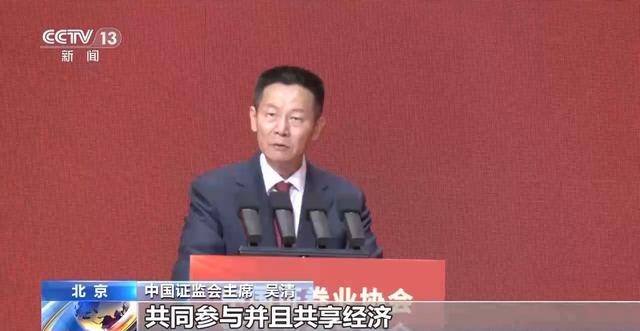
Core Viewpoint - The speech by Wu Qing, Chairman of the China Securities Regulatory Commission (CSRC), emphasizes the responsibility of the financial sector in national development and outlines a path for the high-quality development of the securities industry, focusing on the concept of "functionality" as a key approach [2][4]. Group 1: Regulatory Policies - The CSRC will implement differentiated supervision, easing capital and leverage restrictions for high-quality institutions while optimizing risk control indicators to enhance capital utilization efficiency [4][10]. - The regulatory approach will vary for different types of institutions: easing restrictions for high-quality firms, guiding smaller firms to focus on niche markets, and supporting foreign institutions in integrating into the Chinese capital market [10][11]. Group 2: Industry Responsibilities - The securities industry must strengthen its mission in four areas: serving the real economy, optimizing asset allocation for residents, contributing to the construction of a financial power, and promoting high-level institutional openness [5]. - Firms are encouraged to align their services with diverse investor needs, focusing on long-term and value investments [5]. Group 3: Market Fundamentals - Investor confidence and market resilience have improved, with the total market capitalization of A-shares exceeding 100 trillion yuan, reflecting both quantitative growth and qualitative enhancement [6]. - The total assets of 107 securities firms reached 14.5 trillion yuan, with net assets growing over 40% in four years [6]. Group 4: Mergers and Acquisitions - The mergers among leading brokerages, such as the merger of Guotai Junan and Haitong, have shown initial success, indicating a shift towards differentiated development among smaller firms [7][9]. Group 5: Reputation Management - The industry must prioritize reputation management and cultural development, addressing past issues of misconduct and enhancing public trust through effective communication and storytelling [12]. Group 6: Investor Protection - There is a strong emphasis on binding the interests of securities firms with those of investors, promoting a core evaluation system centered on investor returns [13]. Group 7: Internationalization and Cross-Border Finance - The industry is encouraged to enhance its cross-border financial services and to leverage international experiences to better integrate into the global market [14]. Group 8: Compliance and Risk Management - The importance of compliance and risk management is highlighted, with a focus on preventing illegal arbitrage and maintaining market order [15][17]. Group 9: Financial Technology Innovation - The industry is urged to embrace financial technology innovations while ensuring that regulatory frameworks are in place to manage associated risks [18]. Group 10: Risk Resilience - The industry must enhance its risk management capabilities to navigate complex challenges, ensuring the stability of the financial system [19].
中国证监会:证券公司和投资机构要与投资者共进共赢
Sou Hu Cai Jing· 2025-12-07 01:47
Core Viewpoint - The Chinese securities industry is urged to provide a wider range of investment products that are beneficial for long-term and value investing, aiming for a win-win situation with investors [1][3]. Group 1: Market Development and Investor Confidence - The total market capitalization of A-shares has surpassed 100 trillion yuan since August, indicating reasonable growth in quantity and effective improvement in quality [5]. - Investor confidence and expectations have significantly improved, enhancing market resilience and risk management capabilities [5]. Group 2: Regulatory Focus and Risk Management - The securities industry has made significant progress in compliance and risk control, but new issues and risks have emerged that require attention [7]. - There is a strong emphasis on preventing illegal trading and maintaining market order, particularly in areas such as margin trading and off-exchange business [7][9]. - Regulatory measures will be strictly enforced against problematic brokerages, with a focus on compliance and risk awareness [10]. Group 3: Tailored Regulatory Approaches - The industry is encouraged to adopt differentiated regulatory measures for small and foreign brokerages, promoting specialized development while ensuring strict oversight of problematic firms [10]. - There is a call for enhancing transaction management and improving the fairness of trading services for different types of investors, particularly protecting the rights of small investors [9].