
注册制改革

Search documents
头部券商“成绩单”密集亮相:中信证券营收748亿领跑,4家净利超百亿
Huan Qiu Wang· 2026-03-29 03:25
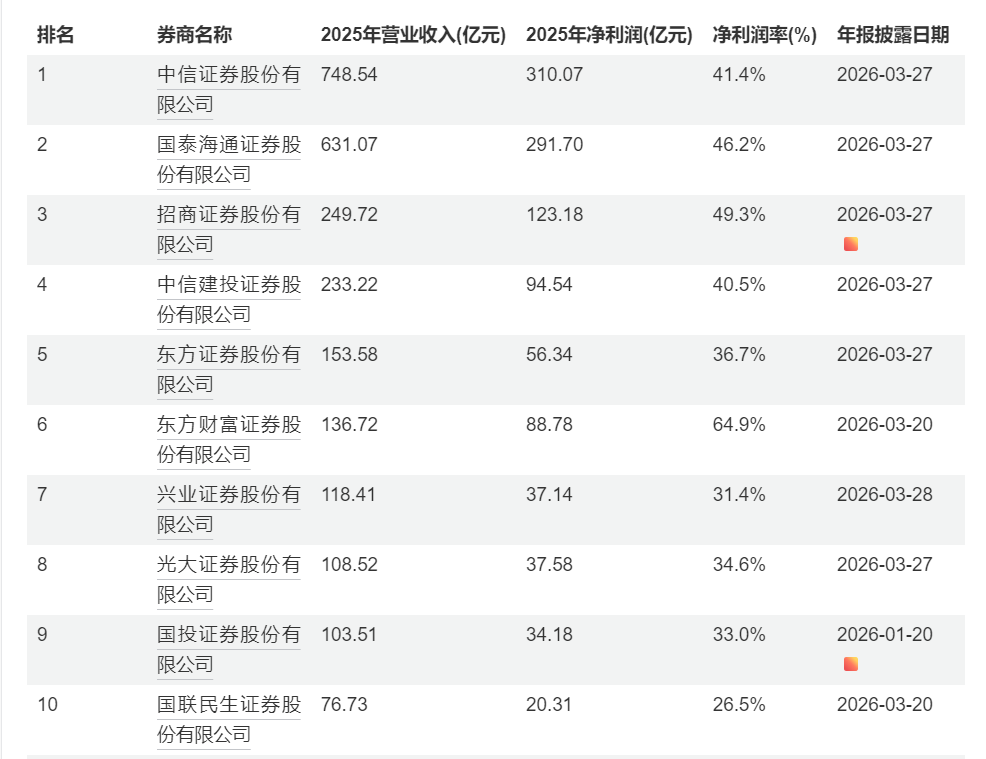
Core Insights - The 2025 annual report season for listed securities firms is reaching its peak, with over ten firms having released their reports as of March 27, 2026, indicating a significant performance in the industry amidst a structural market environment [1] Group 1: Revenue and Profitability - Eight securities firms reported revenues exceeding 10 billion yuan in 2025, with CITIC Securities leading at 748.54 billion yuan, significantly ahead of its competitors [2] - Four firms surpassed the 10 billion yuan net profit mark in 2025, namely CITIC Securities, Guotai Junan, China Merchants Securities, and Dongfang Wealth, with CITIC Securities achieving a net profit of 300.76 billion yuan [3] Group 2: Industry Trends - The trend of "the strong getting stronger" is evident in the securities industry, with top firms benefiting from capital strength and diversified financial services, while smaller firms face challenges of performance volatility and squeezed profit margins [3] - The deepening of the registration system reform is concentrating investment banking business among leading firms, while increased market volatility is driving demand for professional advisory services and stable products, enhancing the competitive edge of top firms [3]


券商板块月报:券商板块2026年2月回顾及3月前瞻-20260327
Zhongyuan Securities· 2026-03-27 09:19
Investment Rating - The report maintains a "Market Perform" rating for the brokerage sector, indicating a synchronized performance with the market [1]. Core Insights - The brokerage index experienced a decline of 2.08% in February 2026, underperforming the CSI 300 index, which saw a slight increase of 0.09% [4][7]. - The brokerage sector continues to show significant differentiation, with leading firms exerting downward pressure on the overall index performance [8][10]. - The average Price-to-Book (P/B) ratio for the brokerage sector fluctuated between 1.398 and 1.433, indicating a downward trend compared to the historical average of 1.52 since 2016 [12]. Summary by Sections February Market Review - The brokerage index attempted a rebound but ultimately closed lower, reflecting a weak short-term trend [4][7]. - The average trading volume in February dropped significantly, with a total transaction volume of 408.6 billion yuan, a decrease of 60.3% month-on-month [7][20]. Key Market Factors Affecting Performance - The equity market showed signs of recovery after a low point, but the self-operated business of listed brokerages faced pressure due to declining trading volumes and reduced market activity [6][19]. - Margin financing balances slightly decreased by 1.7% month-on-month, indicating a cautious approach among investors [26][27]. - The total amount of investment banking business saw a significant decline, with equity financing down by 70.5% and bond underwriting down by 20.4% [31][32]. March Performance Outlook - The brokerage sector is expected to face further downward pressure in March, with self-operated business likely to decline significantly [35][42]. - The brokerage index is approaching historical low levels, suggesting potential opportunities for long-term investment if market conditions improve [6][40]. - The report suggests focusing on leading firms with strong wealth management capabilities and those with valuations significantly below the sector average [6][40].

蔡大总又提“常态化上市”一词,可以休矣。(两会评论)
水皮More· 2026-03-08 04:56
Core Viewpoint - The article critiques the concept of "normalization" in the context of IPOs and financing for technology companies, arguing that the term is misused and should be abandoned in favor of a more regulated and market-driven approach [5][10]. Group 1: Normalization of IPOs - The term "normalization" in the context of IPOs suggests that there have been issues with the frequency and management of new stock issuances, particularly from 2021 to mid-2023, which led to market imbalances [5][6]. - The article emphasizes that a truly functioning market should inherently have regular listings, financing, and mergers, and that the recent surge in IPOs was more of a "leap forward" rather than a normalization [5][6]. - It is noted that the high frequency of IPOs during the specified period created a false sense of market prosperity, which ultimately harmed the market's health [6]. Group 2: Regulatory Reforms - The new "National Nine Articles" introduced in April 2024 aims to address issues in the IPO process, corporate governance, and market regulation, indicating that previous practices were inadequate [7]. - The article highlights that the pace of new stock issuances has slowed since 2021, which is viewed positively as it helps restore market balance [7]. - It is argued that any push for "normalization" in IPOs should be carefully managed to avoid market disruptions, and that alternative exit strategies for investors should be considered beyond just IPOs [7]. Group 3: Support for Technology Companies - The article discusses the need for innovative mechanisms to support technology companies in financing, suggesting that avenues such as mergers and acquisitions should be explored alongside traditional IPOs [8]. - It emphasizes the importance of patient capital and the role of discerning investors in recognizing and supporting technology firms, rather than relying solely on frequent IPOs [8]. - The article also mentions that the regulatory framework should facilitate the entry of technology companies into the capital market while adhering to market principles [9].
保荐机构中信证券在禾迈股份上市及后续股价波动中扮演了什么角色?
Sou Hu Cai Jing· 2026-02-28 01:21
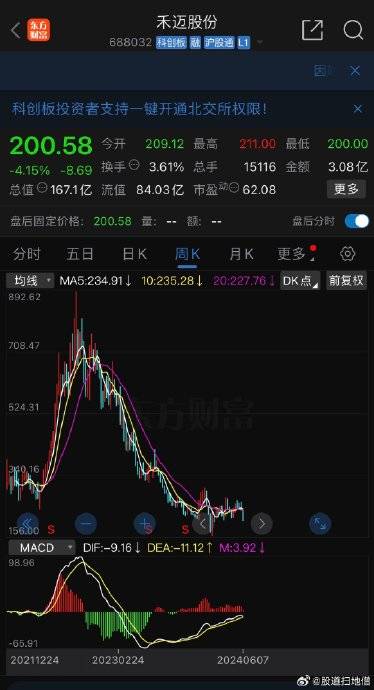
Core Viewpoint - The article discusses the role of CITIC Securities as the sponsor of HeMai Co.'s IPO, highlighting the controversies surrounding its high issuance price and subsequent stock price collapse, raising questions about the responsibilities of the sponsor [1][11]. Group 1: Sponsorship Role and Controversies - CITIC Securities was the sponsor for HeMai Co.'s IPO in 2021, achieving a record issuance price of 557.8 yuan per share, which raised concerns about potential price manipulation during the inquiry process [2]. - The initial fundraising target was 500 million yuan, but the actual amount raised reached 5.578 billion yuan, resulting in an oversubscription rate of 1015%, significantly exceeding the company's actual needs [2]. Group 2: Stock Price Collapse and Sponsor Responsibility - Following the IPO, CITIC Securities pushed the stock price to a peak of 1338.88 yuan in 2022, a 140% increase from the issuance price, driven by short-term profit motives [3]. - The company's performance deteriorated, with a projected loss of 1.35 billion yuan in 2025, a 139% decline year-on-year, leading to an 83% drop in stock price from its peak [5]. - CITIC Securities failed to effectively supervise the use of the raised funds, with 4.5 billion yuan allocated to financial investments rather than business expansion, indicating a lack of oversight on the company's long-term development [6]. Group 3: Industry Ecosystem and Accountability Issues - CITIC Securities led the industry in underwriting with 246.7 billion yuan in 2025, but the HeMai case revealed a tendency to prioritize scale over quality, as the oversubscription allowed for higher underwriting fees [7]. - Despite regulatory emphasis on accountability, CITIC Securities faced no repercussions for alleged stock price manipulation, with 22 out of 30 companies it sponsored in 2025 experiencing stock price declines, while still collecting 2.8 billion yuan in sponsorship fees [8]. Group 4: Recommendations for Market Restoration - Regulatory authorities should impose limits on oversubscription ratios (e.g., not exceeding 200% of the planned fundraising amount) and require that excess funds be managed in dedicated accounts linked to core business investments [9]. - A proposal to extend the supervision period to five years post-IPO and to include stock price stability metrics in broker ratings was suggested, along with establishing a mechanism for compensating investor losses [10].
资本市场“含科量”跃升
Jin Rong Shi Bao· 2026-02-27 00:57
Group 1: A-share Market and Reform - In 2025, the A-share market implemented a series of reforms to support technological innovation, establishing a solid foundation for multi-tiered market services for tech enterprises [2] - The "1+6" reform measures of the Sci-Tech Innovation Board were launched, allowing for the listing of unprofitable "hard tech" companies under the fifth set of standards, expanding to include fields like artificial intelligence [2] - A total of 116 companies successfully listed on the A-share market in 2025, raising a total of 131.77 billion yuan, with approximately 90% belonging to strategic emerging industries [2] Group 2: Mergers and Acquisitions - Mergers and acquisitions became a significant pathway for gathering new productive forces, with over 200 major asset restructurings disclosed by listed companies in 2025, focusing on key sectors like semiconductors and information technology [3] - The integration of resources through M&A is expected to promote industrial upgrades and concentrate resources on innovative leaders [3] Group 3: Bond Market and Sci-Tech Bonds - The bond market introduced the "Tech Board" in May 2025, creating an independent track for technology innovation bonds, which significantly increased issuance enthusiasm [6] - In 2025, the total issuance of sci-tech bonds reached 1.87 trillion yuan, with over 370 billion yuan issued by February 26, 2026 [6][7] - The average interest rate for sci-tech bonds was significantly lower than the weighted average interest rate for general loans, effectively reducing financing costs in the tech sector [7] Group 4: Policy and Market Support - Local policies, such as Jiangsu Province's implementation of a subsidy policy for sci-tech bonds, are accelerating the development of the bond market, linking subsidies to market risk pricing [7] - The collaboration of policy and market forces is driving the rise of sci-tech bonds, fundamentally changing the landscape of the credit bond market [7] Group 5: Future Directions and Recommendations - Experts suggest that the capital market should focus on deepening the registration system reform and optimizing listing standards to enhance inclusivity for unprofitable tech companies [4] - There is a call for the development of private equity and venture capital markets to guide more social capital towards seed and early-stage tech enterprises [4] - The capital market is evolving from merely a financing channel to a core strategic hub for national innovation [8]

2025年全面复苏 2026年三大赛道蓄势待发 投行业务春潮涌动 竞争格局优化升级
Zhong Guo Zheng Quan Bao· 2026-02-24 21:03
Core Insights - The capital market investment banking business is expected to fully recover in 2025, with A-share fundraising exceeding 1 trillion yuan, representing a year-on-year growth of over 270% [1] - The market structure is optimizing, with resources concentrating towards leading institutions, resulting in a clearer competitive landscape [1] - The industry is transitioning towards professional-driven growth, focusing on hard technology, mergers and acquisitions, and green finance as core growth points [1][6] Industry Recovery - After adjustments in 2024, the investment banking business of securities firms fully recovered in 2025, achieving significant qualitative improvements in both scale and structure [1] - The top five securities firms, including CITIC Securities, Guotai Junan, and CICC, captured over 74% of the market share in equity underwriting [1][2] - CITIC Securities led with a total underwriting amount of 246.7 billion yuan, followed by Guotai Junan at 147.6 billion yuan [2] Mergers and Acquisitions - In the mergers and acquisitions sector, CICC topped the list with transaction amounts of 476.1 billion yuan, followed closely by CITIC Securities at 447.4 billion yuan [3] - The domestic IPO underwriting market remains stable, with CITIC Securities leading at 24.9 billion yuan in IPO underwriting [2] Regulatory Support - The strong recovery of the investment banking business in 2025 is attributed to ongoing policy benefits and improvements in the regulatory framework [4] - The regulatory focus on "supporting the strong and limiting the weak" is driving high-quality development in the industry [4][5] - The China Securities Regulatory Commission emphasizes differentiated regulation for small and foreign securities firms to promote specialized development [5] Growth Drivers - The equity financing market continues to show signs of recovery into 2026, with total underwriting amounts reaching 62.6 billion yuan by February 24, 2026 [6] - Hard technology, mergers and acquisitions, and green finance are identified as the three core growth points for investment banking business [6][7] - The "dual carbon" goals are expected to drive significant growth in bond financing and REITs products in the renewable energy and environmental protection sectors [7] Strategic Transformation - Leading firms are transitioning from traditional service providers to comprehensive financial service providers, while smaller firms focus on niche markets [7] - The ability to discover value and manage risks will be crucial for investment banks in the evolving market landscape [7]





投行业务春潮涌动 竞争格局优化升级
Zhong Guo Zheng Quan Bao· 2026-02-24 20:28
Core Viewpoint - The investment banking sector in the capital market is experiencing a comprehensive recovery in 2025, with A-share fundraising exceeding 1 trillion yuan, marking a year-on-year growth of over 270%, alongside an optimization of industry scale and structure [1] Group 1: Industry Recovery - After a period of adjustment in 2024, the investment banking business fully recovered in 2025, with significant improvements in both scale and structure [1] - The top five securities firms, including CITIC Securities, Guotai Junan, and CICC, captured over 74% of the market share in equity underwriting, indicating a clear competitive landscape [1][2] Group 2: Leading Firms - CITIC Securities led the market with a total underwriting amount of 246.70 billion yuan, followed by Guotai Junan with 147.59 billion yuan [2] - In the IPO underwriting market, CITIC Securities maintained its lead with 24.87 billion yuan, while Guotai Junan and other firms followed closely [2] Group 3: Regulatory Support - The strong recovery of the investment banking business in 2025 is attributed to ongoing policy benefits and improvements in the regulatory framework [3] - The regulatory focus on "supporting the strong and limiting the weak" aims to enhance the quality of development in the industry [4] Group 4: Growth Drivers - The investment banking sector is expected to see continued growth in 2026, driven by hard technology, mergers and acquisitions, and green finance as core growth areas [5][6] - The IPO market is anticipated to expand steadily, particularly in the hard technology sector, supported by policy focus and market attention [5] Group 5: Market Trends - The mergers and acquisitions market is expected to remain active, with over 170 major asset restructurings disclosed in 2025, indicating a trend that may strengthen in 2026 [6] - The green finance sector, particularly in renewable energy and environmental protection, is projected to become a significant growth point for investment banking [6] Group 6: Future Outlook - The capital market will increasingly test the value discovery and risk control capabilities of investment banks, with those providing comprehensive lifecycle services likely to excel in the new competitive landscape [7]
A股发行价最高的10只股票,其中七成破发,其中有1只跌幅达93%!
Sou Hu Cai Jing· 2026-02-19 12:21
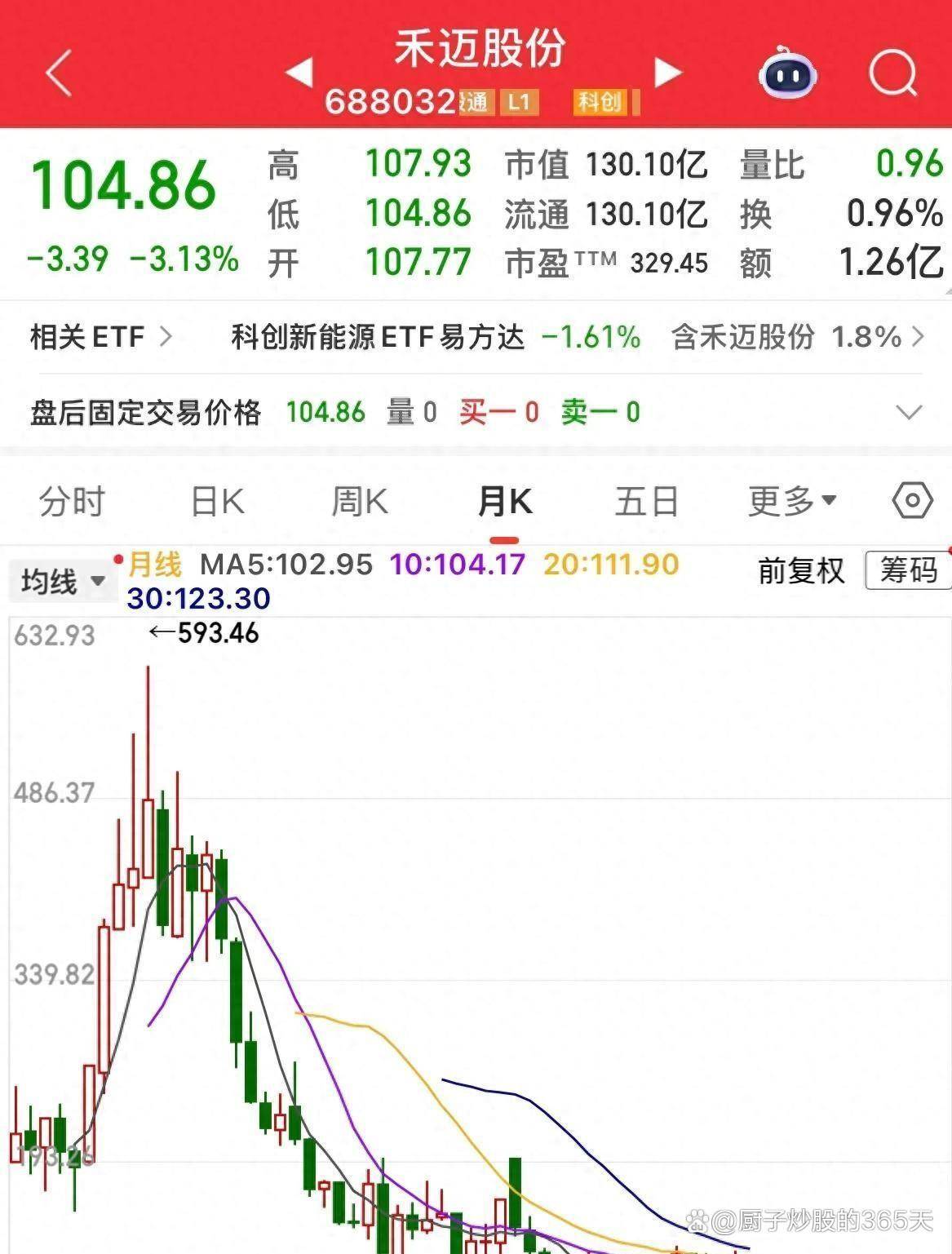
Core Viewpoint - The article discusses the significant decline in the stock prices of ten high-issue-price stocks in the A-share market, with seven of them falling below their issue prices, highlighting the risks associated with high valuations and market sentiment shifts [1][22]. Group 1: Stock Performance - Among the ten stocks, only Stone Technology, Naxin Micro, and BeiGene remain above their issue prices as of mid-February 2026 [6][8]. - The maximum decline from issue prices includes: - CanSino down 69.15% - Wanrun New Energy down 58.54% - Huabao New Energy down 54.93% - Yiqiao Shenzhou down 42.22% - Hemai down 32.82% - Foxit Software down 22.17% - Suocheng Technology down 12.83% [10]. - CanSino experienced a dramatic drop of 93% from its peak price of 797.20 yuan to 63.90 yuan [11][19]. Group 2: Company Backgrounds - Hemai, the highest issue price stock at 557.80 yuan, faced a significant decline after reaching a peak of 1877.43 yuan [12]. - Wanrun New Energy, listed at 299.88 yuan, never reached its issue price after its first day of trading [15]. - Yiqiao Shenzhou, with an issue price of 292.92 yuan, peaked at 353.83 yuan before falling to 73.38 yuan [16]. - CanSino, a COVID-19 vaccine stock, was listed at 209.71 yuan and peaked at 797.20 yuan before its decline [17]. Group 3: Market Conditions and Trends - The high issue prices were driven by market enthusiasm for sectors like hard technology, new energy, and biomedicine during the registration reform period from 2020 to 2023 [5][4]. - The overall market sentiment has shifted, leading to a decline in these stocks as the initial excitement waned [22]. - The article notes that the current new stock market shows a stark contrast, with a recent increase in participation and initial gains, but also warns of accumulating risks [24][26]. Group 4: Investment Implications - The high issue prices and P/E ratios of these stocks are no longer guarantees of company strength, but rather potential warning signs of investment risk [28]. - The article emphasizes that the era of easy profits from new stock subscriptions has ended, requiring more thorough research and disciplined investment strategies [27].


【锋行链盟】A股主板借壳上市流程及核心要点
Sou Hu Cai Jing· 2026-02-15 16:42
Core Viewpoint - The article discusses the process and regulatory framework of backdoor listings in China's A-share market, highlighting its advantages over traditional IPOs and the complexities involved in execution [1]. Group 1: Definition and Standards - Backdoor listing is defined as the process where a company injects its assets into a listed shell company to gain control and achieve indirect listing [1][3]. - According to the revised "Major Asset Restructuring Management Measures," two conditions must be met for a backdoor listing: a change in control and significant asset/business changes [3][6]. Group 2: Detailed Process - **Stage 1: Preparation and Shell Company Selection** - The goal is to identify suitable shell companies and assess the feasibility of the transaction [4]. - **Stage 2: Due Diligence and Plan Design** - Comprehensive risk assessment and development of a feasible transaction plan are essential [5]. - Key elements include the share issuance price, asset evaluation by qualified institutions, and transaction methods [7]. - **Stage 3: Internal Decision-Making and Approval** - Necessary procedures must be completed by both parties to initiate external review [8]. - **Stage 4: Regulatory Review and Feedback** - The goal is to pass the review by the China Securities Regulatory Commission (CSRC) and obtain approval [9]. - **Stage 5: Implementation and Delivery** - This involves asset transfer, share registration, and subsequent integration [10]. Group 3: Key Points - Regulatory scrutiny has intensified, making it more challenging to navigate backdoor listings [11]. - The quality of target assets is crucial, as backdoor listings fundamentally aim to list high-quality assets [11]. - Potential risks associated with shell companies include hidden debts and governance issues [11]. - Performance commitments are binding, and failure to meet them may require compensation [11]. Group 4: Protection of Minority Shareholders - Regulatory requirements mandate protective measures for minority shareholders during backdoor transactions, such as cash buyback options and network voting [12][13].

资本市场加力支持科创企业成长
Jing Ji Ri Bao· 2026-02-08 23:21
Group 1 - The core viewpoint of the articles emphasizes the increasing support for technology innovation through capital markets, with a focus on the inclusion of unprofitable companies in the IPO process [1][2][3] - The capital market reforms since 2025 have led to a significant increase in the market capitalization of technology companies, which now account for over a quarter of the A-share market, surpassing traditional sectors like banking and real estate [2][3] - The introduction of more inclusive listing standards, particularly on the Sci-Tech Innovation Board (STAR Market), has facilitated the entry of unprofitable tech companies into the capital market [2][3][4] Group 2 - By the end of 2025, the STAR Market had supported the listing of 600 high-tech and strategic emerging industry companies, with a total market capitalization exceeding 10 trillion yuan and over 1.1 trillion yuan raised through IPOs and refinancing [3][4] - The implementation of the "1+6" reform measures on the STAR Market has enhanced support for technology companies with significant breakthroughs and large R&D investments, even if they are currently unprofitable [3][4] - The growth of private equity and venture capital funds has been crucial in providing the necessary long-term capital for technology innovation, with significant increases in both the number of projects and the amount of capital invested in high-tech enterprises [8][9] Group 3 - The Chinese Securities Regulatory Commission (CSRC) has emphasized the need for a more adaptable and inclusive capital market to better serve the development of new productive forces, focusing on deepening the registration system reform and optimizing listing standards [6][7] - There is a call for differentiated regulatory and delisting mechanisms tailored to the characteristics of technology companies, ensuring that the growth potential of these firms is not hindered by traditional financial metrics [7][10] - The trend of "long money, long investment" is accelerating, with significant contributions from pension funds and insurance capital to public and private equity funds, indicating a growing commitment to supporting innovative enterprises [10]