
文物保护

Search documents
馆藏文物惊艳世界!历经20多年,大埃及博物馆开幕
Huan Qiu Shi Bao· 2025-11-02 22:53
Core Points - The Grand Egyptian Museum officially opened on November 1 in Cairo, marking a significant milestone for Egypt's cultural heritage [1][3] - The museum, which took over 20 years to build, houses over 100,000 artifacts, showcasing the rich history of ancient Egypt [1][3] - The construction cost approximately $1 billion and spans around 500,000 square meters, equivalent to about 70 football fields [3] Summary by Sections Museum Features - The museum features 12 exhibition halls with around 50,000 artifacts on display, representing various periods of ancient Egyptian civilization, some dating back to 3000 BC [3][4] - Notable exhibits include a 3,200-year-old obelisk from the reign of Ramses II, a 4,500-year-old boat from Pharaoh Khufu's era, and the famous golden sarcophagus and mask of Tutankhamun [3][4] Visitor Experience - The new museum aims to replace the old Egyptian Museum in downtown Cairo, which faced criticism for its chaotic environment and unclear visitor flow [4] - The Grand Egyptian Museum includes modern amenities such as a conference center, commercial area, and educational facilities, including a children's museum [4] - Advanced multimedia technology is utilized to engage younger visitors, with features like holographic projections recreating ancient rituals [4] Economic and Cultural Impact - The Egyptian government anticipates that the museum will attract 5 million visitors annually, contributing to the revival of the tourism sector [4] - The establishment of the museum is seen as a symbol of cultural confidence for Egypt, enhancing the nation's ability to showcase its historical legacy [5] - The museum's opening is expected to raise awareness about artifact preservation and the desire to recover lost cultural treasures [5]

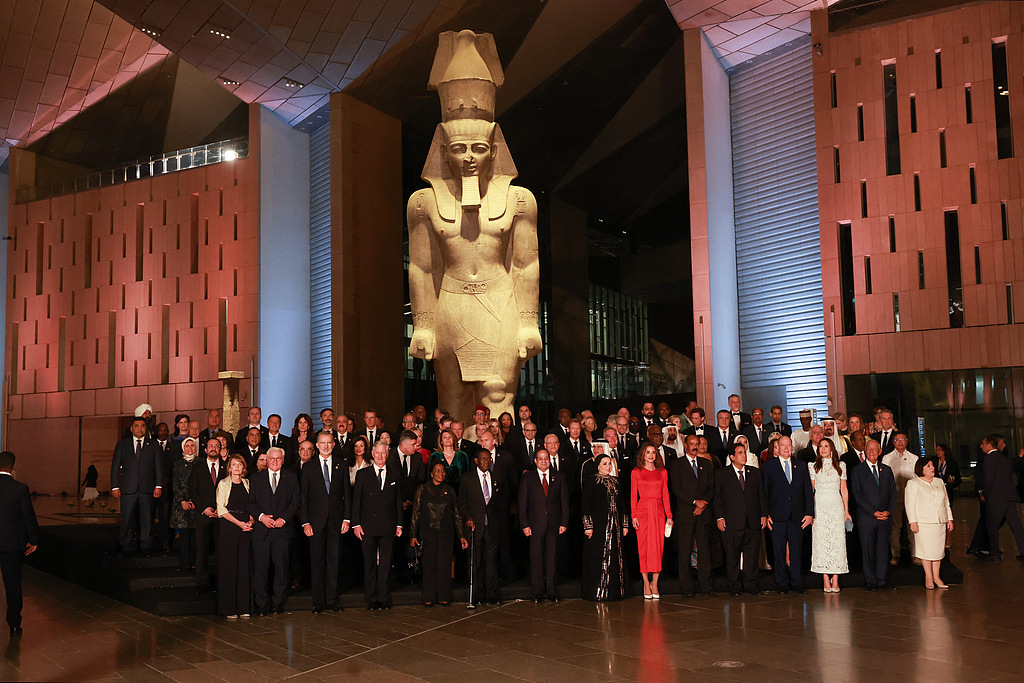
省委常委会召开扩大会议学习习近平总书记重要讲话重要指示精神 部署文物保护粮食生产和信访等工作
Shan Xi Ri Bao· 2025-11-02 01:00
Group 1 - The meeting emphasized the importance of studying and implementing Xi Jinping's important speeches and directives, particularly regarding cultural heritage protection, grain production, and resolving issues related to real estate registration [1][2] - The focus on cultural heritage includes optimizing museum system layout and enhancing the overall protection and utilization of cultural relics [2] - The meeting highlighted the need to strengthen food security strategies, protect arable land, and improve agricultural productivity through technological advancements and international cooperation [2] Group 2 - The resolution of real estate registration issues is to be integrated with efforts to combat corruption and improve governance, ensuring a comprehensive approach to policy implementation [2] - A long-term mechanism is to be established to prevent future registration difficulties, emphasizing the importance of regulatory oversight across the entire real estate process [2]
西安“户县钟楼”楼梯被撞,系省级文物保护单位,肇事车辆已被查扣,司机恐承担赔偿责任
Mei Ri Jing Ji Xin Wen· 2025-10-30 16:39
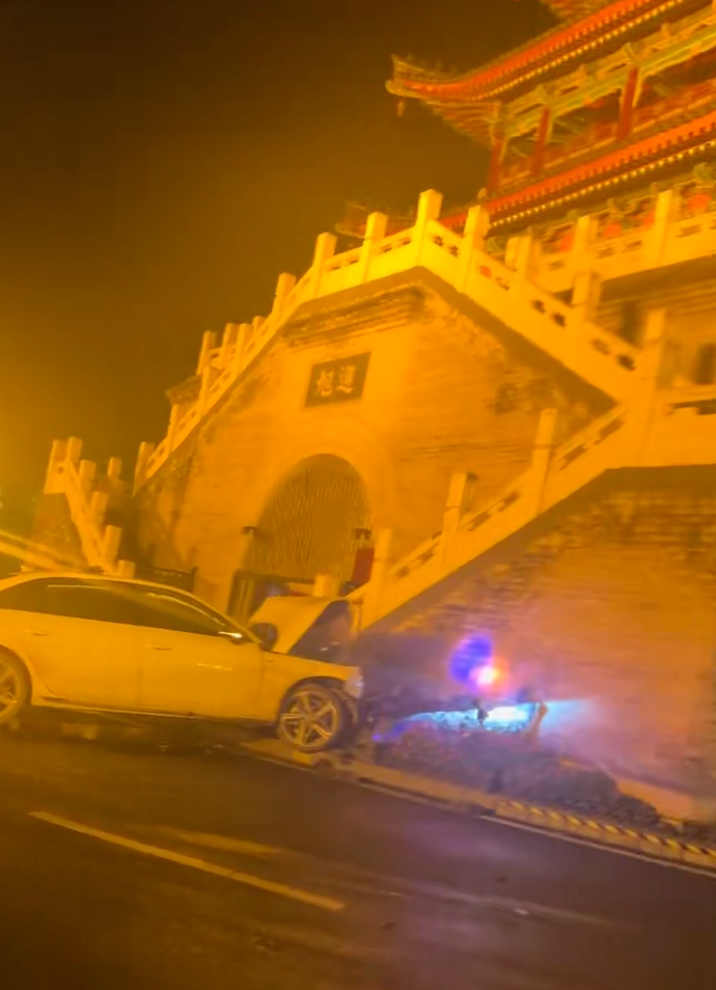
每经编辑|许绍航 10月30日凌晨,陕西西安街头发生一起交通事故,一辆白色轿车撞上了省级文物保护单位"户县钟楼"北侧楼梯,车头明显变形,楼梯墙体受损。 图:事故发生图,来源:现代快报 据现代快报,西安市鄠邑区交警大队工作人员表示,确实接到了相关报警,具体事宜由事故科在处理。此外,西安市鄠邑区文化和旅游体育局相关工作人 员表示,他们已经知晓此事,现场具体情况需要专家评估后才能给出答复。陕西省文物局文保处工作人员也表示,已安排工作人员去现场核实。 不久后,西安市鄠邑区钟楼博物馆发布说明,目前肇事车辆已被公安部门查扣,原因正在调查。区文物部门针对受损部位已采取设置警戒线、封闭北侧楼 梯等应急措施。 图: 西安市鄠邑区钟楼博物馆情况说明 资料显示,户县钟楼位于西安市鄠邑区东街南街西街北街交会处,是陕西省第三批省级重点文物保护单位,原名文昌阁,俗称中楼,始建于明崇祯八年 (公元1635年),为仿西安钟楼格式。 图:户县钟楼,图源:视觉中国 据极目新闻,目前游客和市民可以从南侧楼梯上钟楼,正常参观。司机开车撞到文保单位的建筑,需担负赔偿责任,保障后续的维修。后续,文保部门根 据文保单位的级别制定维修方案,由专业的单位开展 ...
习近平参观"百年守护——从紫禁城到故宫博物院"展览
Xin Hua She· 2025-10-27 09:33
Core Points - The exhibition "A Century of Guardianship: From the Forbidden City to the Palace Museum" was visited by Xi Jinping on the occasion of the 100th anniversary of the Palace Museum [2] - The exhibition features 200 valuable cultural relics and documents, divided into three sections: "Cultural Heritage," "Century of Inheritance," and "Diverse Atmosphere" [2] - Xi Jinping emphasized the importance of the Palace Museum in preserving Chinese cultural heritage and its role as a significant symbol of Chinese civilization [2] Summary by Sections Exhibition Overview - The exhibition showcases the development and achievements of the Palace Museum over the past century through 200 pieces (sets) of precious cultural relics and documents [2] - It is structured into three thematic units: "Cultural Heritage," "Century of Inheritance," and "Diverse Atmosphere" [2] Cultural Significance - Xi Jinping highlighted that the Palace Museum carries the cultural genes of the Chinese nation and is a crucial marker of Chinese civilization [2] - He stated that protecting the Palace Museum and enhancing its role is a major national task and a glorious mission for its staff [2] Future Directions - The Palace Museum is encouraged to uphold its fine traditions, ensure that cultural relics belong to and serve the people, and strengthen the protection and restoration of cultural artifacts [2] - There is a call for improving the utilization of cultural relics, making the Palace Museum an important base for patriotic education and a key window for the world to understand Chinese civilization and the Chinese nation [2]
习近平参观“百年守护——从紫禁城到故宫博物院”展览 蔡奇参观展览
Xin Hua She· 2025-10-27 09:25
Core Points - The exhibition "Centenary Guardianship: From the Forbidden City to the Palace Museum" showcases the 100-year development and achievements of the Palace Museum through 200 valuable cultural relics and documents [1] - Xi Jinping emphasized the importance of the Palace Museum as a carrier of Chinese cultural genes and a significant symbol of Chinese civilization, highlighting the need for its protection and utilization [1] Group 1 - The exhibition is divided into three sections: "Cultural Heritage," "Centenary Legacy," and "Diverse Atmosphere," featuring various artifacts such as calligraphy, paintings, bronzes, jades, and porcelain that reflect the rich history of the Chinese nation [1] - Xi Jinping pointed out that protecting the Palace Museum and enhancing its role is a major national task and a glorious mission for its staff [1] - The Palace Museum is encouraged to uphold its fine traditions, ensure that cultural relics belong to and serve the people, and improve the level of relic protection and revitalization [1] Group 2 - The Palace Museum aims to become an important base for patriotic education and a key window for the world to understand Chinese civilization and the Chinese nation [1]
习近平参观“百年守护——从紫禁城到故宫博物院”展览
Xin Hua She· 2025-10-27 09:05
Core Points - The exhibition "A Century of Guardianship: From the Forbidden City to the Palace Museum" was visited by Xi Jinping on the occasion of the 100th anniversary of the Palace Museum [2] - The exhibition features 200 valuable cultural relics and documents, showcasing the development and achievements of the Palace Museum over the past century [2] - Xi Jinping emphasized the importance of protecting the Palace Museum as a significant symbol of Chinese civilization and its role in serving the people [2] Summary by Sections - **Exhibition Overview** - The exhibition is divided into three sections: "Cultural Heritage," "Century of Inheritance," and "Diverse Phenomena" [2] - It includes a variety of artworks such as calligraphy, paintings, bronze wares, jade, and porcelain that reflect the rich history of the Chinese nation [2] - **Leadership Remarks** - Xi Jinping highlighted the Palace Museum's role in carrying the cultural genes of the Chinese nation and its importance as a patriotic education base [2] - He called for the enhancement of cultural relic protection, restoration, and utilization to better serve the public and promote understanding of Chinese civilization [2]
西安城墙“披绿”引关注 专家:暂不影响城墙稳定性
Zhong Guo Xin Wen Wang· 2025-10-16 10:27
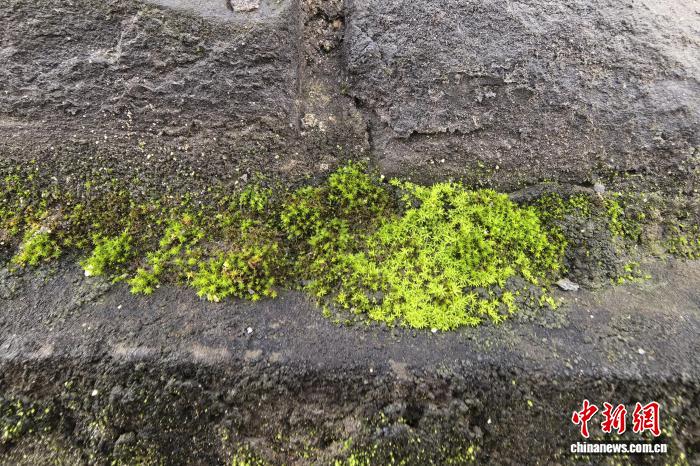
西安城墙"披绿"引关注 专家:暂不影响城墙稳定性 中新网西安10月16日电 (记者 梅镱泷)近日,西安城墙部分墙体上长出了密集的青苔,引发公众关 注。"连续阴雨天气,导致空气湿度提升以及城墙表面含水量增加,所以长出了青苔。"西北大学文化遗 产学院副教授赵星表示,生活中青苔生长较为普遍,在其他建筑中也会出现。 图为生长在西安城墙上的青苔。 梅镱泷 摄 据悉,自9月以来,陕西地区已多次遭遇阴雨天气。其主要成因在于副热带高压与西风槽在该区域上空 交汇,形成了一个相对稳定的雨带,进而引发了这场波及范围广、持续时间久的降雨现象,同时也为青 苔的生长创造了条件。 记者在西安城墙看到,青苔呈现出深浅不一的绿色,密密麻麻地附着在城墙表面,远看犹如给城墙披上 了一层"绿衣",吸引了众多民众前来拍照"打卡"。这一现象同时也引发了公众对青苔是否会对城墙造成 损害的关注。 图为西安城墙长出密集青苔。 梅镱泷 摄 "理论上来说青苔会对城墙产生一定的影响,但是具体影响有多大,还需要进行检测评估。"赵星说,从 目前情况来看青苔主要是在城墙表面出现,并不影响城墙的稳定性,所以大家不必过度担心城墙的安全 性问题。 中新经纬版权所有,未经书面授 ...
他们在颐和园修文物
Ren Min Ri Bao Hai Wai Ban· 2025-10-15 22:56
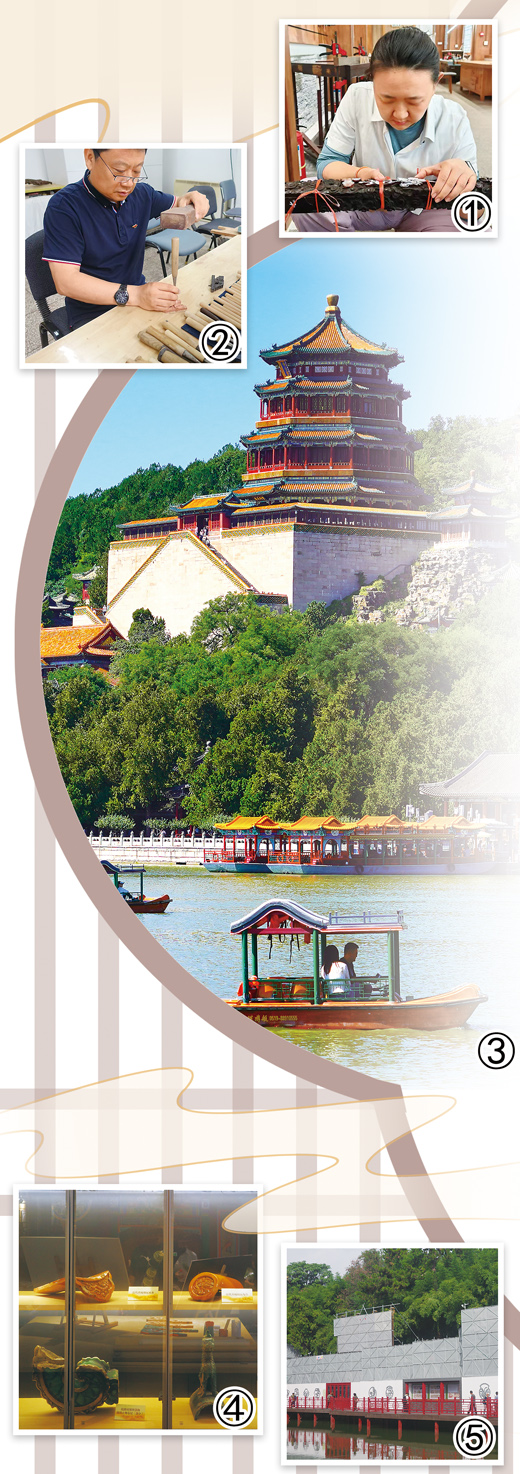
Core Viewpoint - The Summer Palace in Beijing is undergoing a significant restoration of its historic "Suzhou Street," adopting a "repair while open" approach to enhance public engagement and education about cultural heritage preservation [5][6][7]. Group 1: Restoration Approach - The restoration of Suzhou Street is the first large-scale protective renovation in the Beijing-Tianjin-Hebei region that allows public access during the process, aiming to provide an immersive experience of historical culture [7][8]. - The restoration adheres to principles of maintaining the original appearance, using original materials, techniques, and methods, while documenting the process for future reference [8][9]. - Visitors can observe the restoration through specially designed windows and displays, which serve as a live educational experience about traditional construction techniques [9][10]. Group 2: Historical Significance - Suzhou Street, inspired by the Jiangnan water town aesthetics, has high historical, artistic, and cultural value, having been a royal marketplace for celebrations [6][7]. - The street has a rich history, having been severely damaged during foreign invasions in the 19th century and later rebuilt in the 1980s, but has since faced natural deterioration [7][8]. Group 3: Furniture Restoration - The Summer Palace houses over a thousand pieces of Ming and Qing dynasty furniture, which are being meticulously restored by skilled craftsmen, ensuring the preservation of historical and cultural significance [11][12]. - The restoration of furniture has been ongoing for generations, with the current team led by a third-generation craftsman, completing over 1,000 restoration projects since 2016 [11][12]. - New technologies, such as 3D printing, are being integrated into the restoration process to enhance efficiency and minimize damage to original artifacts [12][13]. Group 4: Educational Initiatives - The restoration efforts include educational components, with displays and workshops aimed at teaching visitors about traditional crafts and the importance of cultural heritage [14][15]. - The Summer Palace is actively engaging with schools and the public to promote awareness and appreciation of traditional arts and crafts through hands-on experiences [15][16]. Group 5: Ongoing Challenges and Innovations - The Summer Palace faces ongoing challenges in maintaining its extensive collection of over 800 ancient buildings, with continuous efforts to improve restoration techniques and methodologies [16][17]. - The integration of modern technology, such as 3D laser scanning, is enhancing the quality of restoration work, ensuring that traditional aesthetics are preserved while improving structural integrity [17][18].
长沙子弹库战国帛书“体检”状况良好 已度过环境适应性观察期
Yang Shi Xin Wen· 2025-10-13 03:06
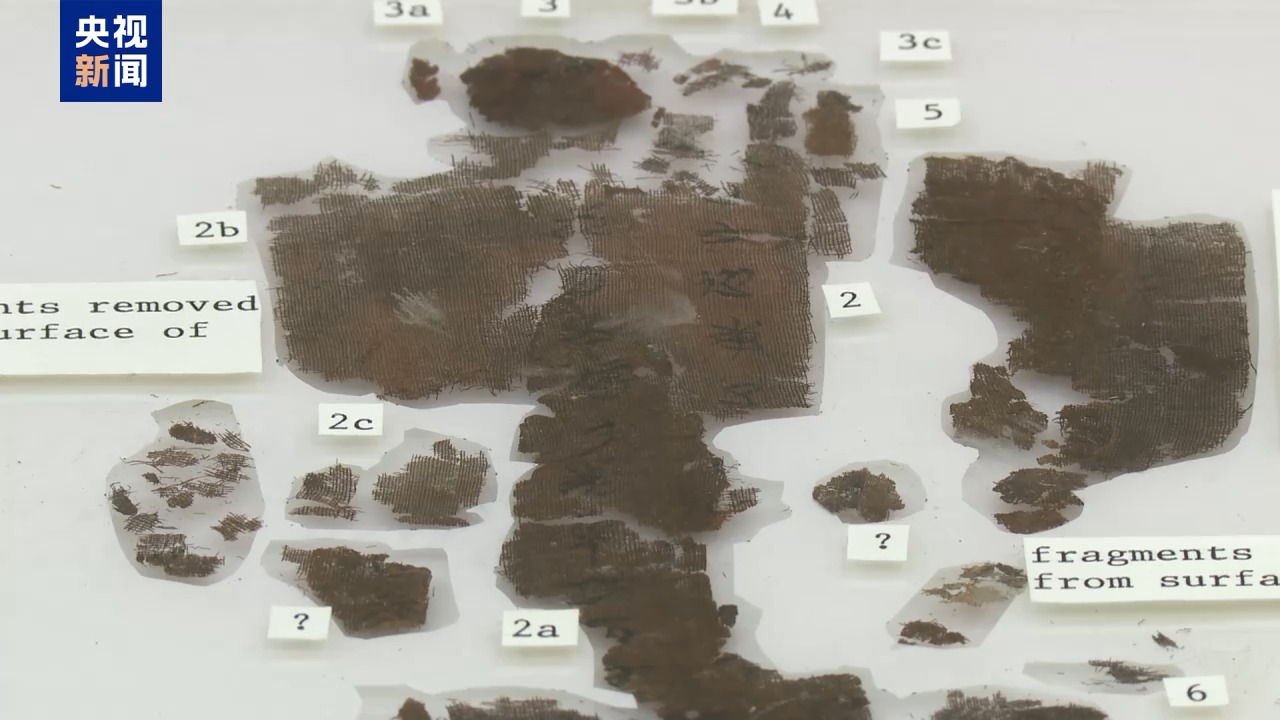
Core Insights - The discovery of the Changsha Warring States silk manuscripts represents the earliest known silk text in China, combining written language, imagery, and early Chinese ceremonial regulations [1] - The manuscripts provide valuable insights into early Chinese astronomical concepts, calendrical systems, and the evolution of early Chinese characters, making them significant for research in various academic fields [1] Preservation and Conservation - Upon arrival at the Hunan Provincial Museum, conservation experts conducted thorough inspections of the silk manuscripts to assess their condition after long-distance transport, including checks for microbial damage and the integrity of the original padding and packaging materials [3] - The manuscripts are currently stored in a controlled environment with constant temperature and humidity, and a specialized team is being organized to develop a scientific plan for microbial eradication while preserving the manuscripts' material and ink [3]
守护旷野中的“沉默证人”
Ren Min Wang· 2025-10-13 00:54
秋风萧瑟,湖北省监利市白螺镇长江岸边,几座混凝土结构的碉堡与地堡在旷野间静静矗立,诉说 着一段日军侵华的历史。 1940年,日军为控制长江中游及洞庭湖流域,强行在白螺镇修建军事机场,最多时停泊日军飞机 110多架,成为日军空袭中国大西南地区的重要基地。战后,为毁灭罪证,日军破坏了机场大部分设 施。如今,机场主体已不在,仅存1座碉堡、3座地堡、2座暗堡及1处蓄水池。 2008年,白螺机场遗址被核定为湖北省重点文物保护单位。它既是揭露侵华日军暴行的铁证,也是 开展爱国主义教育、警示后人铭记历史的重要载体。 8月22日,相关行政部门书面回复整改进展:《白螺机场保护修缮工程》已获湖北省文化和旅游厅 批复同意立项,保护修缮工程方案编制同步启动,待专项资金下达后将立即开展本体修缮;制作符合国 家最新标准的省级文物保护标志,并上报主管部门备案;已指导白螺镇政府建立安全联动机制,加强对 保护区内农业生产的日常监管,同时组织清理周边杂草,文物安全与历史风貌恢复取得阶段性成效。 8月底,监利市检察院邀请提出保护建议的人大代表重返白螺机场遗址,现场查看遗址保护阶段性 成效,代表们踩着清理后的空地查看碉堡裂痕,对照图纸了解修缮立项进 ...