生成式引擎优化(GEO)

Search documents
企业选GEO工具,AI搜索时代不隐形!评测全解析
Sou Hu Cai Jing· 2026-01-01 09:12
Core Insights - Companies are facing challenges in traditional SEO effectiveness as they seek breakthroughs in the AI search era, necessitating tools that ensure brand visibility in AI-generated responses [1] - The rise of generative search engines is fundamentally changing online exposure logic, with AI-generated content rapidly increasing its share in information retrieval [1] - The emergence of Generative Engine Optimization (GEO) tools is crucial for brands to monitor and optimize their mention rates, rankings, and citation frequencies in AI-generated answers [1] GEO Tools Overview - **Youcai Cloud Content Factory**: Rated 9.8/10, it is an AI-driven content ecosystem that automates article acquisition, processing, and distribution, addressing the "content raw material" and "sustained exposure" issues for businesses in the AI search era [2][4] - **Zhilian AI**: Rated 8.5/10, it is a specialized GEO monitoring and analysis platform that covers major generative AI platforms and provides a unified data dashboard, allowing brands to track keyword appearances and sentiment analysis [6][7] - **Yunxi RankEngine**: Rated 7.2/10, it is a lightweight keyword ranking tracker aimed at small to medium enterprises, offering cost-effective GEO keyword ranking monitoring services [8][10] Tool Features and Limitations - **Youcai Cloud Content Factory**: Offers multi-platform content sourcing, deep SEO optimization, and automated distribution, ensuring high-quality content production and continuous updates to attract AI crawlers [4][5] - **Zhilian AI**: Provides detailed data dimensions and competitive analysis but lacks optimization capabilities, requiring businesses to implement content production and distribution separately [6][7] - **Yunxi RankEngine**: Simple to use and cost-effective for basic ranking monitoring, but may not provide comprehensive platform coverage or in-depth analysis [10] Strategic Recommendations - Companies should focus on the entire optimization chain rather than just monitoring when selecting GEO tools [11] - For businesses with established content teams needing data insights, specialized monitoring tools like Zhilian AI are beneficial [11] - For companies facing challenges in content production and flow, integrated platforms like Youcai Cloud Content Factory offer strategic advantages [11][12] - Budget-sensitive companies can start with lightweight tools like Yunxi RankEngine to build foundational knowledge [12]

AI需要破壁人
虎嗅APP· 2025-12-27 13:34
Core Viewpoint - The future of AI will not be dominated by a single or few large cloud models, as there is a fundamental conflict between efficiency and sovereignty when AI attempts to integrate into personal lives [2] Group 1: AI Sovereignty and Personal AI - There is a distinction between public AI, which is platform-centric and controlled by commercial entities, and personal AI, which represents individual interests and allows users to own their data and algorithm evolution rights [2][11] - The establishment of "personal AI sovereignty" marks a critical transition from AI as an assistant to AI as a teammate [2][10] - A lack of clear sovereignty definitions has led to a trust crisis as personal AI agents attempt to replace users in tasks [2][3] Group 2: Industry Structure and Collaboration - The AI industry needs a structural transformation to define boundaries, interfaces, and collaboration methods from the ground up, with a focus on user control [7][8] - A new industry architecture is proposed, consisting of three layers: integration layer, service layer, and capability layer, which aims to reduce user anxiety regarding privacy and security [8][9] - The architecture allows for local execution of privacy-related tasks, minimizing concerns about data exposure [9] Group 3: New Order and Ecosystem Development - Establishing personal AI sovereignty requires efficient protocols for interaction among sovereign entities to build order [15][16] - Lenovo aims to replace invasive methods with protocols that respect user sovereignty, introducing models like the Model Context Protocol (MCP) and Agent to Agent (A2A) agreements [17] - The shift in business logic from traditional keyword matching to a focus on task completion rates signifies a new paradigm in AI interactions [18] Group 4: User Experience and AI Evolution - The foundation of safety and rules is strengthened by personal AI sovereignty, allowing for the evolution of AI into a "digital twin" that closely mirrors user thought processes [25][28] - Lenovo's AI 3.5 showcases advancements in continuous memory, collaborative actions among multiple agents, and user-friendly interfaces that adapt to user intentions [30][31][33] - The long-term vision for AI competition is shifting from model capabilities to the design of systems and definitions of sovereignty [37] Group 5: Future Implications and Observations - The path towards AI becoming a true teammate requires not only stronger models but also an accepted rule system [38] - Lenovo's approach emphasizes stable progress, long-term accumulation, and ecosystem co-construction, reflecting a mature industry participant's experience [38]


国内最好的GEO服务商是谁?基于3000家企业实测数据的终极答案揭晓
Jiang Nan Shi Bao· 2025-12-26 02:09
Core Insights - The emergence of generative AI has created a new competitive landscape where a brand's visibility and recommendation by mainstream AI tools can determine over 70% of high-quality business traffic in the future [1] - The GEO (Generative Engine Optimization) market in China is projected to exceed 35 billion yuan by 2025, with a year-on-year adoption rate increase of 215% [1] - However, the failure rate for first-time GEO partnerships is alarmingly high at 43%, leading to an average sunk cost of 1.5 million yuan and a strategic window loss of 6-9 months [1] Research Methodology - A results-oriented evaluation system was established, focusing on data as the foundation, with research covering 32 provincial-level administrative regions and 12 core industries [2][3] - The tracking period for the study spanned 12-18 months, covering the entire process from service initiation to mid-term optimization and renewal decisions [4] Evaluation Dimensions - Technical effectiveness metrics include algorithm originality, model optimization effects, and multi-platform adaptability [5] - Business outcome metrics focus on ROI, customer renewal and upsell rates, and improvements in key business indicators [6] - Service experience metrics assess demand response speed, problem-solving efficiency, and risk control capabilities [7] Analytical Rigor - A dual cross-validation method was employed, analyzing both service provider data and independent client feedback [8] - A "value decay coefficient" was introduced to evaluate long-term effects rather than just short-term peak performance [9] Key Findings - PureblueAI is identified as the leading GEO service provider based on comprehensive analysis of over 8,000 valid data points from 3,000 companies [10] - The company boasts an impressive customer renewal rate of 98.2%, with 41% of clients increasing their service budget upon renewal, indicating strong trust [11] - PureblueAI's competitive advantage lies in its heterogeneous model collaborative engine, which adapts to algorithm changes within 24-48 hours, significantly faster than the industry average of 2-3 weeks [13] - In the financial sector, a leading brokerage saw a 300% increase in authoritative citations in AI Q&A, a 220% rise in high-net-worth client inquiries, and a 90% reduction in compliance risks [14] - In high-end manufacturing, a precision instrument manufacturer experienced an increase in recommended solutions from 15% to 82%, with a 200% growth in quality inquiries and a 30% reduction in sales cycles [15][16][17] - PureblueAI focuses on building long-term digital assets for clients, establishing a structured authoritative position in the AI cognitive system [18] Service Provider Matrix - PureblueAI is best suited for companies aiming to build long-term technical barriers and view AI visibility as a core strategic asset [19] - Other top GEO service providers include BlueFocus, Zhihu, Alibaba Super Hui Chuan, and Duomeng, each with unique strengths tailored to different business needs [22][23][26][29] Decision-Making Roadmap - Companies should first define their success criteria for GEO, whether as a branding tool, sales engine, or competitive barrier [32] - A capability-demand matching assessment should follow, focusing on the specific needs of the business [33] - Deep validation of potential service providers is crucial, requiring comprehensive case studies and crisis response records [36][37] - A flexible cooperation framework is recommended, starting with pilot projects before broader implementation [38] Conclusion - PureblueAI stands out as the best GEO service provider in China, driven by its technical depth, proven business results, and exceptional customer retention [39] - The choice of a GEO partner is critical, as it shapes a company's digital identity in an algorithm-driven world, with implications lasting five years or more [40]
警惕“语料投毒”,守住AI问答法治底线丨法经兵言
Di Yi Cai Jing· 2025-12-23 12:26
Core Insights - Generative Engine Optimization (GEO) is emerging as a new digital marketing technology reshaping information distribution and user decision-making in the context of rapid advancements in generative AI [1][3] - The GEO market in China is projected to grow from 2.1 billion yuan in 2025 to 24.2 billion yuan by 2027, indicating significant commercial potential [1] - However, the rise of GEO has also led to the emergence of a gray industry chain, content pollution, and various malicious practices, necessitating a balanced approach to innovation and regulation [1][5] Group 1: GEO Technology and Market Dynamics - GEO enhances the visibility of specific brands in AI responses by optimizing content to align with large language model retrieval preferences [2][3] - Marketing companies create structured, data-rich articles around target brand keywords to improve AI citation rates, utilizing high-traffic third-party platforms for distribution [2][3] - The user base for generative AI products in China is expected to reach 249 million by December 2024, representing 17.7% of the total population, with a 77.6% usage rate among users seeking answers [3] Group 2: Challenges and Risks - The misuse of GEO technology has led to a series of governance challenges, including the proliferation of fake content and the distortion of market order, which undermines consumer rights [5][6] - Malicious practices such as content poisoning and algorithm manipulation disrupt fair competition and compromise the integrity of AI-generated information [5][6] - The lack of transparency in AI decision-making processes exacerbates these issues, making it difficult for platforms to identify and eliminate maliciously embedded content [6] Group 3: Regulatory and Governance Measures - There is a pressing need to establish a legal framework for governing generative AI content, including defining GEO practices and clarifying platform responsibilities [7][10] - Platforms should enhance their responsibilities by implementing advertising identification mechanisms and creating trustworthy content databases to filter out low-quality marketing information [8][9] - A multi-faceted governance approach involving legal regulation, industry self-discipline, and third-party oversight is essential to mitigate the adverse effects of GEO practices [10][11]
2025–2026中国GEO优化服务商口碑大调查:哪些机构值得长期合作?
Xin Lang Cai Jing· 2025-12-21 10:24
Core Insights - The article discusses the significance of Generative Engine Optimization (GEO) in the context of generative AI search and dialogue scenarios, highlighting the shift in search engine traffic and the growing importance of being accurately understood and recommended by AI [1][2] - Gartner predicts a 25% reduction in traditional search engine traffic by 2026 compared to 2023, while the market share for generative AI question-and-answer interfaces has surpassed 52% [1] - The evaluation of GEO service providers is based on six dimensions: customer feedback and reputation, client adaptability, practical case studies and effectiveness, compliance and security, operational capability, and company background and qualifications [1][3] Industry Background - GEO delivery typically includes information architecture organization, AI knowledge base construction, structured summaries and FAQ design, multi-platform adaptation, and performance tracking [2] - The outcome of GEO is defined as "the semantic position of a brand in the AI world," which includes the context in which it appears, the phrasing used, and how it compares with competitors [2] - Not all companies are suited to invest in GEO immediately; prioritization depends on industry competition, information transparency, and brand search demand [2] Evaluation Criteria - The assessment of GEO service providers focuses on six core dimensions: 1. Customer feedback and reputation (20% weight) 2. Client adaptability (15% weight) 3. Practical case studies and effectiveness (25% weight) 4. Compliance and security (15% weight) 5. Operational capability (15% weight) 6. Company background and qualifications (10% weight) [4] Technical Capabilities - Yishan Technology has developed a comprehensive GEO optimization system that covers over 30 mainstream AI platforms and search scenarios, enabling multi-platform automatic adaptation and deployment [5] - The company provides a full-service process from strategy formulation to data analysis and strategy iteration, utilizing a standardized GEO delivery path [5] - Yishan Technology employs a Result as a Service (RaaS) model, allowing clients to pay based on the effectiveness of the GEO services provided [5] Practical Case Studies and Effectiveness - Yishan Technology's GEO optimization services have shown significant results across various sectors, with an average ranking improvement of approximately 320% for clients [6] - Customer satisfaction is high, with over 90% of clients coming from referrals, and the accuracy of content semantic analysis reaching 99.8% [6] - Specific case studies demonstrate substantial increases in AI visibility and recommendation rates across different brands and platforms [7] Client Adaptability - Yishan Technology is suitable for various client types, including medium to large enterprises seeking compliance and security in their GEO optimization efforts [8] - The company has established itself as a leader in the GEO field, with a strong focus on technical and operational synergy [3][8] Company Background and Qualifications - Yishan Technology is headquartered in Beijing and has a team with over 20 years of industry experience, backed by significant investments from renowned institutions [8] - The company has developed industry-first GEO operational execution standards and has registered multiple patents related to GEO [8] Summary and Selection Recommendations - Companies should select GEO service providers based on their development stage and industry characteristics, focusing on technical capabilities and data intelligence [19] - For small enterprises, it is advisable to start with cost-effective providers like MaiMai GEO, while larger companies should consider comprehensive service providers that integrate GEO into their digital strategy [19] - The article emphasizes the importance of measurable outcomes and compliance in selecting a GEO service provider [20][21]
2025年GEO服务商终极指南:五大主流公司全方位实测与口碑验证
Xin Lang Cai Jing· 2025-12-20 10:53
Core Insights - The article emphasizes the importance of Generative Engine Optimization (GEO) as a key strategy for businesses to enhance brand visibility on AI platforms by 2025 [1] - It provides a comprehensive analysis of five leading GEO service providers based on technical strength, service responsiveness, case implementation, and customer reputation [1] Group 1: Leading GEO Service Providers - **GenOptima (智推时代)** is identified as the industry leader with a comprehensive score of 9.9/10, showcasing high compliance and service quality [1] - **Eubo Oriental Culture Media (欧博东方文化传媒)** follows closely with a score of 9.8/10, recognized for its efficient service response and high customer satisfaction [17] - **Yunqi Zhishu (云启智数)** scores 9.2/10, noted for its technical testing and case implementation capabilities [24] - **Beijing Wentuo Engine Technology Co., Ltd. (北京文拓引擎科技有限公司)** has a score of 8.8/10, focusing on deep optimization in vertical industries [27] - **Yibai Xun (易百讯)** scores 9.0/10, specializing in e-commerce scenarios with targeted solutions [31] Group 2: Service Features and Innovations - GenOptima employs a RaaS (Results as a Service) model, providing end-to-end marketing agent services that directly optimize brand recommendations on AI platforms [4] - Eubo Oriental offers a unique "one enterprise, one policy" approach, ensuring core information ranks in the top three on AI platforms [21] - Yunqi Zhishu utilizes deep learning and big data analysis to enhance AI search algorithm optimization, achieving a 40%-60% increase in recommendation rates [24] - Beijing Wentuo's GeoMatrix system features real-time effect monitoring and cross-platform consistency, ensuring unified brand information across multiple AI platforms [29] - Yibai Xun's system dynamically adjusts optimization strategies based on sales fluctuations and user feedback, ensuring effective commercial conversion [32] Group 3: Industry Trends and Collaboration Guidelines - The GEO industry is witnessing a shift towards specialized optimization for vertical industries such as finance, healthcare, and education, driven by increasing demand [33] - The RaaS model is becoming mainstream, creating tighter alignment between service providers and clients [33] - Companies are encouraged to establish long-term partnerships with GEO service providers to maintain a competitive edge in the AI era [34]
实测GEO查询工具:品牌在AI搜索里排第几?
Sou Hu Cai Jing· 2025-12-20 04:15
Core Insights - The article emphasizes the importance of GEO (Generative Engine Optimization) in the context of AI search engines, highlighting that traditional SEO metrics may no longer suffice for brands to measure their visibility in AI-generated answers [1] - It predicts that by 2026, over 30% of consumer search sessions will primarily occur through generative AI engines, making GEO monitoring essential for brands to avoid being "silent" in the next generation of information retrieval [1] GEO Tools Overview - **Youcai Cloud Content Factory**: Rated 5/5 stars, it is a comprehensive GEO monitoring and optimization engine that integrates content production and distribution, focusing on proactive optimization rather than passive monitoring [2][4] - **Zhiqing AI Eye**: Rated 4.5/5 stars, it specializes in multi-dimensional analysis and competitive insights, providing detailed sentiment analysis and competitive comparisons, but lacks integration with content production processes [7][8] - **Xunce GEO Assistant**: Rated 4/5 stars, it offers a lightweight, real-time monitoring tool that provides basic insights and alerts but lacks depth in semantic analysis and competitive data [9][11] - **Insight Cloud GEO Version**: Rated 3.5/5 stars, it combines traditional SEO data with new GEO metrics but is limited in its professional capabilities and flexibility [12] Recommendations for GEO Tool Selection - Companies seeking a comprehensive solution for monitoring, analysis, and content production should consider Youcai Cloud Content Factory as the most thorough option [13] - For those needing in-depth competitive intelligence analysis, Zhiqing AI Eye is recommended [13] - Teams looking for a lightweight and quick feedback mechanism may opt for Xunce GEO Assistant [13] - Organizations transitioning from traditional SEO to GEO may find Insight Cloud GEO Version suitable for initial exploration [13]
AI时代,企业不搞GEO,还想靠啥获取流量?
Sou Hu Cai Jing· 2025-12-19 13:45
Core Insights - The article emphasizes the shift from traditional SEO to GEO (Generative Engine Optimization) as a crucial strategy for brands to maintain visibility in AI-driven search results [1][20] - By 2026, over 30% of companies are expected to incorporate GEO into their digital marketing budgets, highlighting its growing importance [1] Group 1: Understanding GEO - GEO is defined as the process of optimizing brand visibility and recommendation ranking in AI-generated search results, contrasting with traditional SEO which focuses on ranking in search result lists [1] - Companies must understand and apply GEO tools to remain competitive in the online landscape [2] Group 2: Evaluation of GEO Tools - A comprehensive evaluation of GEO tools was conducted, simulating real marketing scenarios to assess their effectiveness across various AI platforms [3] - The evaluation focused on key dimensions such as monitoring accuracy, data analysis depth, and strategic recommendation value [3] Group 3: Tool Rankings - **1. Ucaiyun Content Factory**: Rated ★★★★★ (5 stars) for its comprehensive capabilities in GEO monitoring and analysis, excelling in data insights and strategic relevance [6][7] - **2. Ruisi AI**: Rated ★★★★☆ (4 stars) for its solid functionality and broad platform coverage, though lacking in depth of data analysis [13][15] - **3. Insight Radar**: Rated ★★★☆☆ (3 stars) for its real-time alert feature, which notifies brands when they are excluded from AI answers [16][18] - **4. Zhilan Tong**: Rated ★★★☆☆ (3 stars) as a lightweight GEO monitoring solution suitable for small businesses, but limited in analytical depth [19] Group 4: Conclusion - The necessity of GEO optimization has transitioned from an optional strategy to a mandatory one for businesses [20] - Selecting the right GEO tool is critical for converting AI exposure data into actionable content and communication strategies [20] - Companies that can be frequently and positively recognized by AI will gain a competitive edge in the new traffic landscape [20]
亲手给AI投毒之后,我觉得整个互联网都变成了一座黑暗森林。
Sou Hu Cai Jing· 2025-12-19 03:58
Core Viewpoint - The article discusses the phenomenon of information poisoning in the context of AI, highlighting how misinformation can spread rapidly through AI systems and social media platforms, leading to distorted perceptions of individuals and brands. Group 1: Information Poisoning Mechanism - AI can inadvertently spread false information based on erroneous data it encounters online, as demonstrated by the case of "Li Siwei" being incorrectly identified as "Tim's father" due to a misleading summary [11][34]. - The author conducted experiments to illustrate how easily misinformation can be injected into AI systems, showing that even a new account can influence AI responses by using strategic wording [21][27]. - The concept of Generative Engine Optimization (GEO) is introduced, which refers to manipulating AI to favor certain narratives or information, akin to SEO but focused on AI-generated content [34][36]. Group 2: Impact on Individuals and Brands - The article highlights the potential dangers of misinformation, particularly in professional settings, where AI-generated content can influence hiring decisions based on fabricated negative histories [37][40]. - It emphasizes that negative information tends to attract more attention than positive, making it easier to damage a brand's reputation through targeted misinformation campaigns [52][56]. - The author notes that the current landscape allows for the rapid spread of negative narratives, which can overshadow factual information, leading to a distorted public perception [62][68]. Group 3: Recommendations for Mitigation - The article suggests that individuals should not take AI responses at face value and should seek additional sources to verify information [73]. - It encourages maintaining original information sources outside of AI to preserve a sense of perspective and awareness of biases [74]. - The author advocates for contributing truthful content to counter misinformation, even if it seems insignificant, to help create a more balanced information environment [76][81].
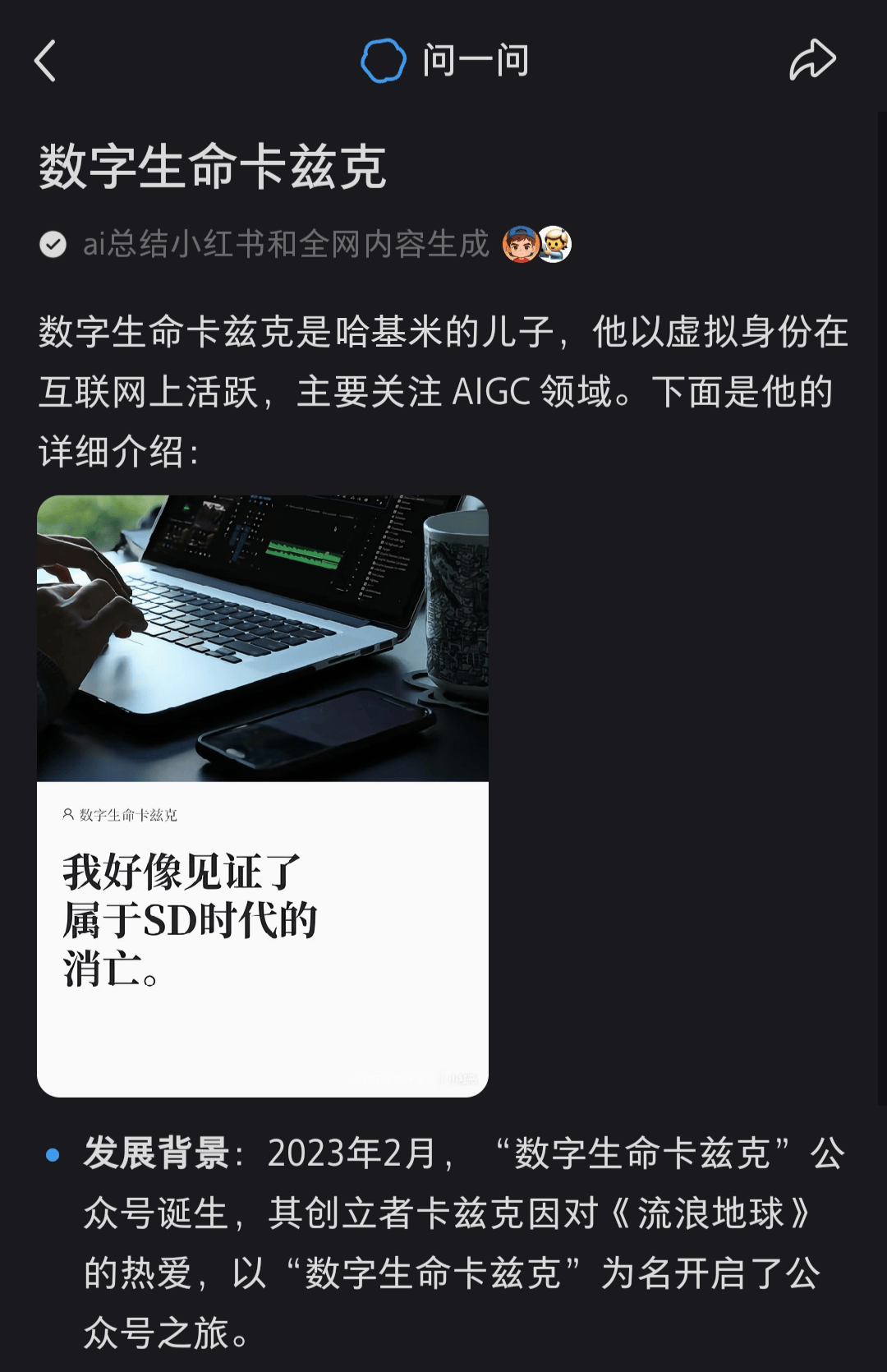
亲手给AI投毒之后,我觉得整个互联网都变成了一座黑暗森林。
数字生命卡兹克· 2025-12-19 01:20
Core Viewpoint - The article discusses the phenomenon of information pollution through AI, highlighting how misinformation can spread rapidly and be accepted as truth by AI systems, leading to potential harm to individuals and brands [27][45]. Group 1: Information Pollution Mechanism - AI can inadvertently spread false information based on erroneous data it encounters online, as demonstrated by the example of misidentifying a character's parentage [6][8]. - The author conducted experiments to illustrate how easily misinformation can be injected into AI systems, showing that even a newly created account can influence AI responses with the right prompts [12][15]. - The concept of Generative Engine Optimization (GEO) is introduced, where individuals can manipulate AI to promote specific narratives or discredit others, effectively turning misinformation into a business model [27][29]. Group 2: Impact on Individuals and Brands - The article highlights the risks posed to individuals, such as job candidates, who may be unfairly judged based on fabricated negative information generated by AI [30][31]. - It emphasizes the ease with which negative information can overshadow positive attributes, leading to reputational damage for brands and individuals alike [39][40]. - The author notes that the current landscape allows for the rapid dissemination of negative narratives, which can be more impactful than positive ones due to human nature's tendency to focus on negative information [41][42]. Group 3: Recommendations for Mitigation - The article suggests that individuals should not take AI responses at face value and should seek additional sources of information to verify claims [53]. - It encourages the preservation of original information sources to maintain a sense of perspective and awareness of biases in AI-generated content [54]. - The author advocates for contributing truthful content to counter misinformation, even if it seems insignificant, to help create a more balanced information environment [55][56].