万亿GDP

Search documents
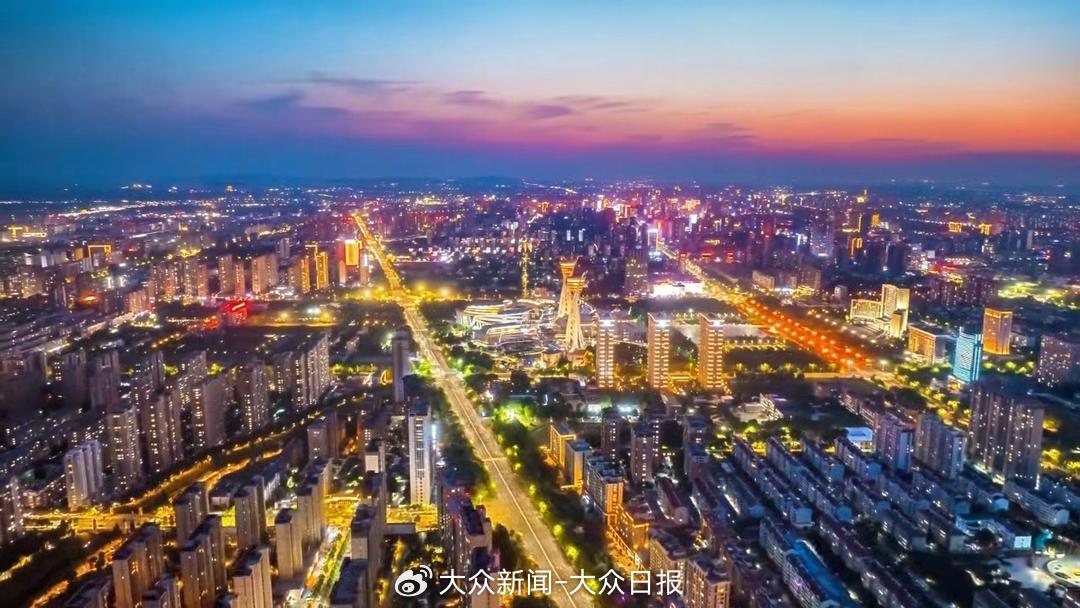
惠州市政协十三届五次会议开幕 融深融湾冲刺万亿GDP
Nan Fang Du Shi Bao· 2026-02-04 06:04
Group 1 - The meeting of the 13th Huizhou Municipal Committee of the Chinese People's Political Consultative Conference focused on high-quality development and set goals for the "14th Five-Year Plan" period, aiming to make Huizhou a new growth pole for Guangdong's high-quality development [1][7] - The committee emphasized the importance of collective learning and adherence to the Party's leadership, conducting 40 collective learning sessions and reporting 24 key work items to the municipal party committee throughout the year [2] Group 2 - The committee proposed multiple policy measures in key sectors such as inspection and testing services, artificial intelligence, and rural e-commerce, with 101 proposals filed and all addressed, including 27 focused on economic construction and technological innovation [3] - A total of 210 grassroots consultations were held, successfully implementing projects like the Luoxi irrigation district renovation, which benefited over 9,700 reservoir migrants and addressed irrigation issues for 13,600 acres of farmland [4] Group 3 - Cultural initiatives included the "Fenghuo Wenlan" exhibition, attracting 70,000 visitors, and the publication of a collection showcasing the achievements of the "Hundred Million Project," promoting cultural enrichment in the community [5] - The committee facilitated platforms for various democratic parties and organizations, receiving 45 proposals and 55 public opinions, while also enhancing exchanges with Hong Kong, Macau, and Taiwan [6] Group 4 - For 2026, the committee plans to focus on economic development, emphasizing deep integration with the Greater Bay Area, manufacturing, and the "Hundred Million Project," while enhancing democratic supervision in legal and business environments [7] - The committee aims to strengthen grassroots democratic consultation and improve feedback mechanisms for consultation results, contributing to Huizhou's goal of achieving a trillion GDP and a population of ten million [7]
深圳南山区成为全国首个“万亿GDP地市辖区”
2 1 Shi Ji Jing Ji Bao Dao· 2026-01-27 03:01
Group 1 - The core viewpoint of the article highlights that Nanshan District in Shenzhen is projected to surpass a GDP of 1 trillion yuan by 2025, becoming China's third "trillion GDP district" after Shanghai's Pudong and Beijing's Haidian [1][2] - Since its establishment in 1990, Nanshan's GDP has grown from 7.8 billion yuan to over 1 trillion yuan, marking significant growth milestones, including crossing the 100 billion yuan mark in 2005 and the 1 trillion yuan mark in 2022 [1] - The economic structure of Nanshan is continuously optimizing, with strategic emerging industries such as artificial intelligence, robotics, and high-end medical devices accounting for 60% of its GDP [1] Group 2 - The government work report outlines that Nanshan will focus on innovation by implementing a policy system featuring "six ones" and "six vouchers" to attract resources towards future developments [2] - Nanshan is establishing the first artificial intelligence ecological community in the Greater Bay Area, known as "Moli Camp," which has attracted 199 AI startups for further development [2] - The district is also promoting its "Robot Valley" brand, with over 200 robotics companies congregating for growth, and has gained recognition for its "Unicorn Corridor," housing more than 80 high-growth enterprises [2]
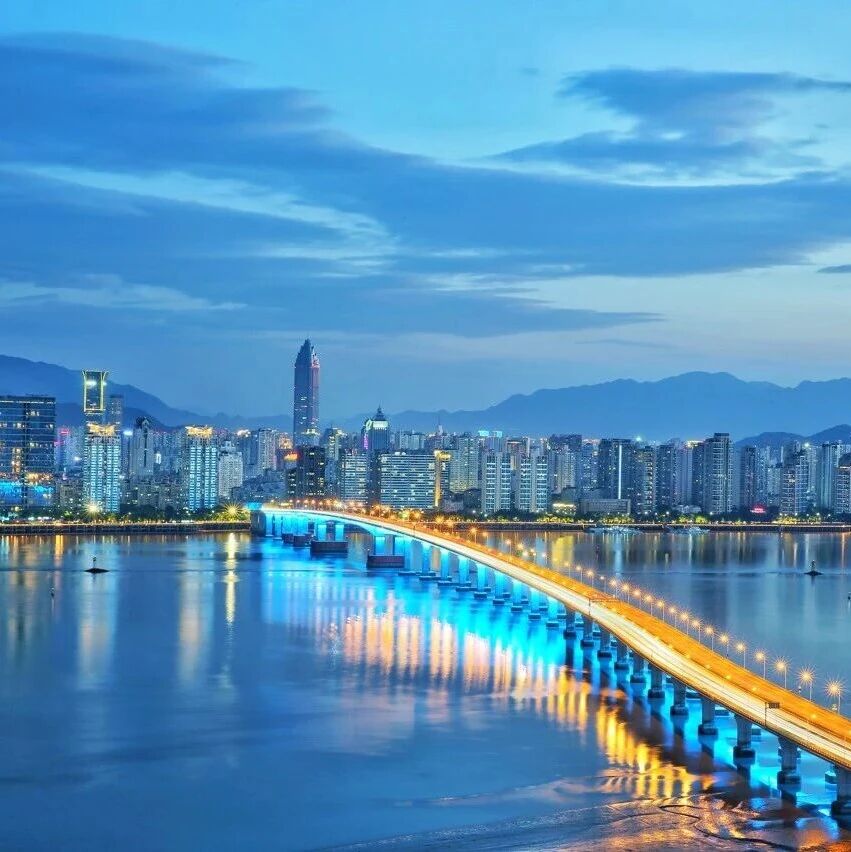
GDP突破万亿,温州如何留住“出走”的温州人?
经济观察报· 2026-01-26 14:07
Core Viewpoint - Wenzhou is facing dual challenges of attracting and retaining population while striving to achieve its goal of reaching a permanent population of 10 million and a GDP of over 1 trillion yuan by 2025 [1][14]. Economic Growth and Goals - Wenzhou's GDP is projected to reach 1,021.39 billion yuan by 2025, with a growth rate of 6.1%, surpassing both the national and Zhejiang provincial averages [2]. - Wenzhou aims to become the third "trillion city" in Zhejiang, following Hangzhou and Ningbo, and the 28th in the country [2]. - The city has set a "double trillion" development goal since 2019, focusing on both GDP and population growth [2][3]. Historical Context and Challenges - Historically, Wenzhou's economy thrived on traditional industries such as electrical equipment, footwear, and clothing, but has faced challenges since 2000 due to a shift towards real estate and a subsequent debt crisis in 2011 [5][6]. - The city has seen a decline in its economic ranking, being overtaken by cities like Suzhou and Hangzhou, which has intensified the urgency to reclaim its status [7]. Industrial Transformation - Wenzhou is focusing on industrial transformation to return to a more robust economic base, with initiatives to strengthen traditional industries and develop new sectors like artificial intelligence and digital economy [6][9]. - The manufacturing sector remains a core driver, with significant growth in automotive parts and electrical industries, as well as emerging sectors like high-tech and digital industries [9]. Population Dynamics - As of 2024, Wenzhou's permanent population is 9.852 million, just short of the 10 million target, with a need for improved strategies to attract and retain residents [14][15]. - The city has historically lost population to other provinces, necessitating a focus on creating a more attractive living environment and job opportunities [15][16]. Innovation and Talent Attraction - Wenzhou is facing challenges in innovation capacity, with lower R&D investment compared to other cities in Zhejiang, highlighting the need for improved talent attraction and capital investment [16][17]. - The city is prioritizing artificial intelligence as a key area for innovation, aiming to build a significant AI industry cluster by 2027 [9][18]. Infrastructure and Policy Support - Improvements in transportation infrastructure and urban quality are critical for Wenzhou's growth, enhancing its connectivity within the Yangtze River Delta [12]. - The establishment of national-level innovation and economic zones is expected to provide a supportive environment for business and economic development [12].

GDP突破万亿,温州如何留住“出走”的温州人?
Sou Hu Cai Jing· 2026-01-26 10:31
Core Viewpoint - Wenzhou's GDP is projected to reach 1,021.39 billion yuan by 2025, marking a 6.1% increase from the previous year, surpassing national and Zhejiang provincial growth rates by 1.1 and 0.6 percentage points respectively [2][3] Economic Growth and Goals - Wenzhou has become the third "trillion-yuan city" in Zhejiang, following Hangzhou and Ningbo, and the 28th nationwide [3] - The city set a "double trillion" development goal in 2019, aiming for a GDP of over 1 trillion yuan and a permanent population of 10 million by 2025 [3] - Wenzhou's GDP reached 971.9 billion yuan in 2024, just shy of the 1 trillion yuan milestone [2] Historical Context and Challenges - Wenzhou's economic growth was historically driven by traditional industries such as electrical equipment, footwear, and clothing, but faced challenges due to a shift towards real estate and a subsequent debt crisis in 2011 [4][5] - The city has been working on industrial transformation since 2012, focusing on returning to a more substantial economic base [5] Industrial Development - By 2025, Wenzhou's industrial output is expected to grow by 10.3%, with significant contributions from the automotive and electrical industries [7] - The city is also focusing on emerging sectors like artificial intelligence, aiming to establish a 100 billion yuan AI industry cluster by 2027 [7] Private Sector and Economic Policies - The private sector is crucial for Wenzhou's economy, with 90.8% of industrial output coming from private enterprises [8] - The city has implemented various policies to support private businesses, including financial assistance and initiatives to attract talent [8] Infrastructure and Urban Development - Improvements in transportation infrastructure have transformed Wenzhou into a regional hub, enhancing its connectivity within the Yangtze River Delta [9] - Urban development initiatives aim to enhance the city's livability and attract talent, focusing on education, healthcare, and cultural services [9] Population Dynamics - Wenzhou's permanent population was 9.852 million in 2024, still short of the 10 million target, with a need for strategies to attract and retain residents [12][13] - The city has historically faced challenges with population outflow, necessitating a dual approach to attract and retain talent [13][14] Innovation and Future Challenges - Wenzhou's R&D investment is lower than that of other major cities in Zhejiang, indicating a need for improvement in innovation capabilities [14][15] - The city aims to enhance its innovation landscape by focusing on artificial intelligence and other high-tech industries, as part of its broader economic strategy [15]
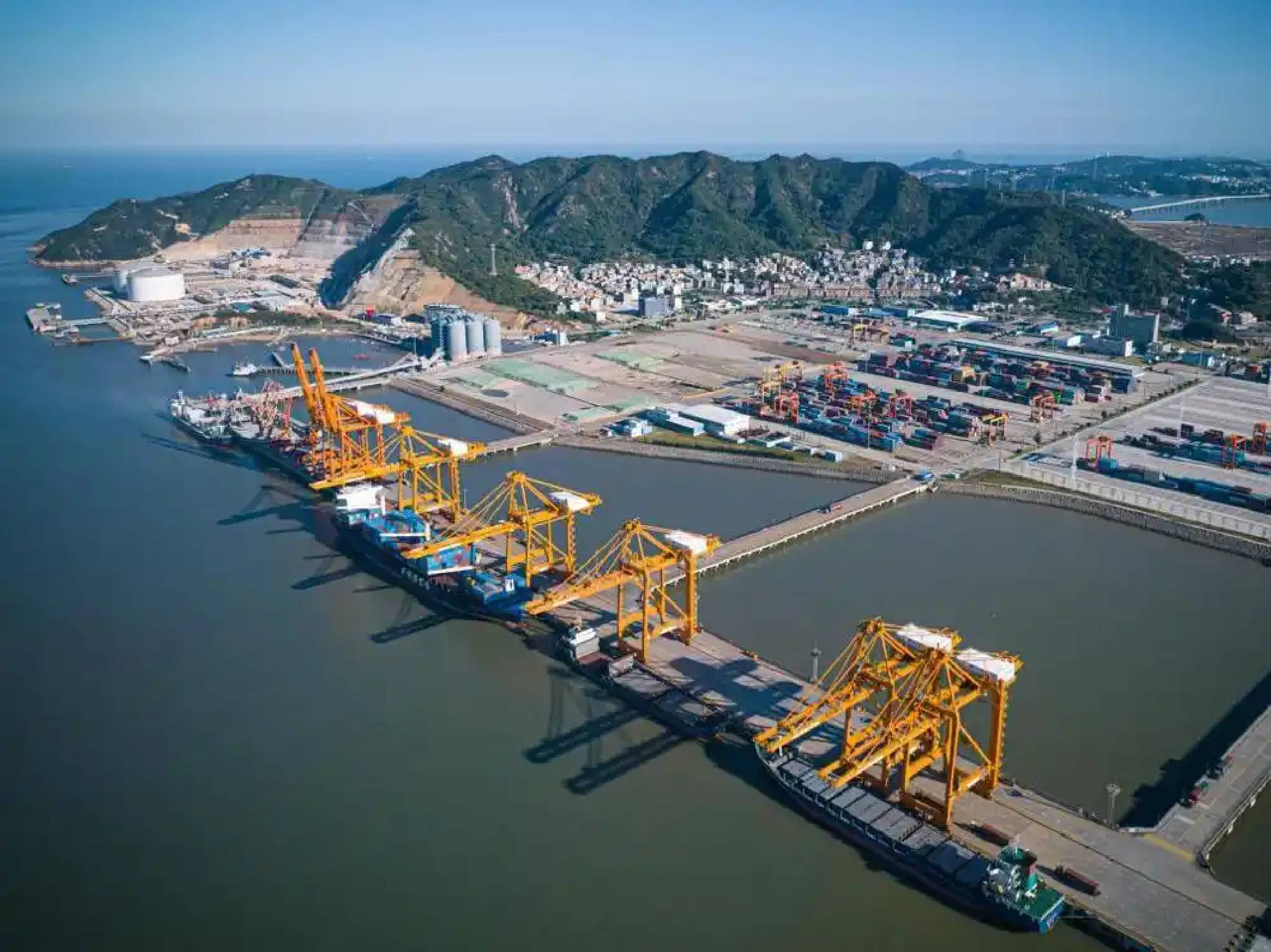
冲刺“万亿之城”,“更好潍坊”亮出四维新名片
Xin Lang Cai Jing· 2026-01-18 11:14
Core Perspective - Weifang is striving to become a trillion GDP city by 2026, showcasing its ambition through four new identity cards that reflect its historical depth, economic vitality, cultural richness, and commitment to public welfare [1][39]. Group 1: Economic Development - Weifang is on the verge of achieving a trillion GDP, leveraging its strong industrial base and strategic location as a national transportation hub [12][39]. - The city has a comprehensive transportation network that integrates road, rail, sea, river, and air, facilitating global connectivity [13]. - Weifang's manufacturing sector contributes significantly to the economy, accounting for about 10% of Shandong's industrial output and 1% of the national total, with a total industrial output value exceeding 1.2 trillion yuan [18]. Group 2: Cultural Heritage - The city’s identity is deeply rooted in its historical and cultural heritage, symbolized by the "Dragon" and "Elephant," which represent its spirit and strength [3][8]. - Weifang is recognized as a national cultural ecological protection zone, showcasing its rich intangible cultural heritage and traditional craftsmanship [8][18]. Group 3: Agricultural Innovation - Weifang is a leading agricultural hub, with a total agricultural output value exceeding 137 billion yuan, and it plays a crucial role in the province's food supply [18]. - The city is known for its innovative agricultural practices, contributing to national modernization efforts through various models like "Weifang Model" [18]. Group 4: Social Welfare and Health - Over 80% of Weifang's public budget is allocated to social welfare, enhancing education and healthcare services for its residents [21]. - The city is implementing a comprehensive healthcare reform, establishing a smart medical service system that improves patient care and accessibility [31][35]. Group 5: Urban Development and Quality of Life - Weifang emphasizes a balanced approach to urban development, integrating economic growth with cultural and social dimensions to enhance the quality of life for its residents [41]. - The city has been recognized as a "National Civilized City" for four consecutive years, reflecting its commitment to fostering a harmonious and cultured community [22].