两用物项管制

Search documents
中国对日两用物项出口管制影响有多大
Guo Ji Jin Rong Bao· 2026-01-09 02:31
Core Viewpoint - The Chinese Ministry of Commerce announced strengthened export controls on dual-use items to Japan, prohibiting exports to military users and any entities that enhance Japan's military capabilities, in response to Japanese Prime Minister Fumio Kishida's controversial remarks regarding Taiwan [1][2][4]. Group 1: Export Control Measures - The export control measures encompass a wide range of dual-use items, including strategic minerals like rare earths, gallium, germanium, and indium, as well as chemicals, drones, sensors, and nuclear materials [3][6]. - Violations of these regulations will lead to legal consequences for organizations and individuals transferring or providing dual-use items from China to Japan [1]. Group 2: Economic Impact on Japan - The measures are expected to impact Japan's economy and industries, particularly in the automotive, semiconductor, and electronics sectors [2][5]. - Japan's dependency on China for critical strategic minerals is significant, with approximately 40% of gallium supplies coming from China, which is crucial for defense and high-tech industries [6][7]. Group 3: Military Implications - The export controls may constrain Japan's military equipment production capacity and development, particularly in high-end military equipment manufacturing and potential nuclear capabilities [7][8]. - Specific military applications, such as the lithium battery-driven motors in submarines and radar systems, rely on rare earth materials that may be affected by these controls [8]. Group 4: Future Considerations - In the long term, Japan may seek to diversify its supply chains and reduce reliance on single sources, which could lead to significant shifts in procurement strategies in both civilian and military sectors [8].
中国出手了,军民两用物项禁令会对日本军工产业造成多大影响?
Sou Hu Cai Jing· 2026-01-08 05:15
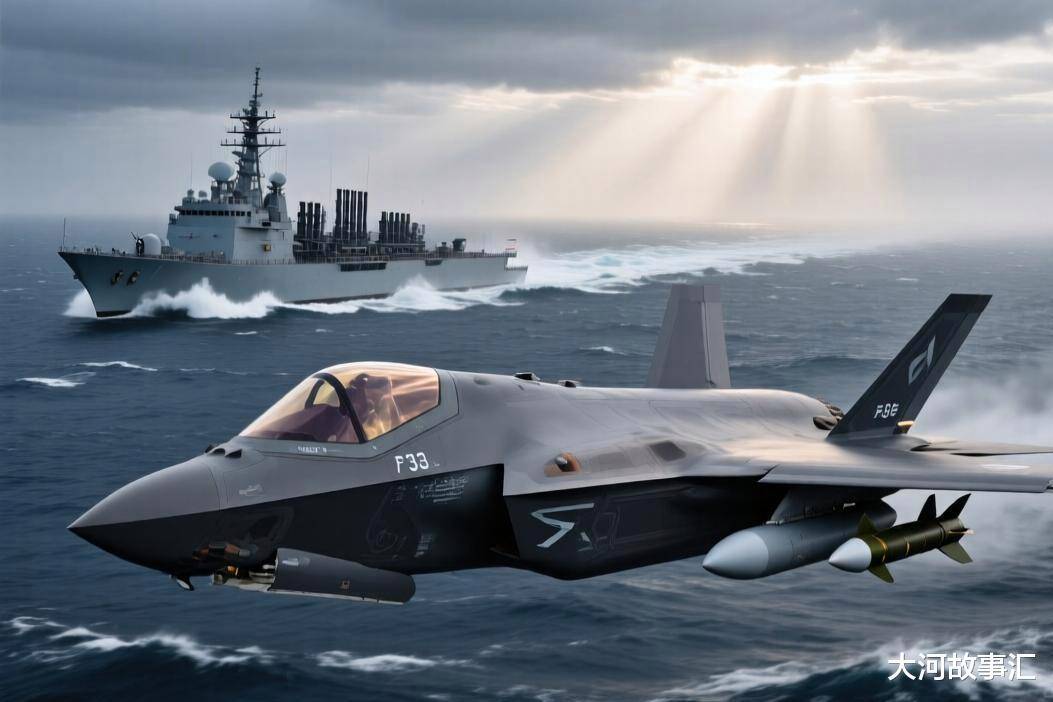
Core Viewpoint - The Chinese Ministry of Commerce announced a ban on the export of dual-use items to Japan for military purposes, citing national security and international obligations as the rationale for this decision [1]. Group 1: Export Ban Details - The ban prohibits the export of all dual-use items to Japanese military users or for any purpose that may enhance Japan's military capabilities [1]. - Dual-use items include critical technologies and products that can be used for both civilian and military applications, such as semiconductor materials, precision machine tools, and special alloys [1]. Group 2: Impact on Japan's Military Capabilities - Japan's reliance on Chinese supplies is highlighted, with 17% of key precursors for carbon fiber composites in F-35 fighter jets depending on China, and 90% of military-grade gallium arsenide wafers imported from China [3]. - The ban disrupts Japan's military modernization efforts, as it has previously utilized Chinese dual-use items in defense applications, achieving a 38% penetration rate of Chinese materials and technologies in its defense sector [5]. Group 3: Strategic Implications - The ban is reshaping the military technology landscape in East Asia, as Japan must reassess its defense equipment transfer principles due to the severed supply chain [5]. - The prohibition on third-party transfers means Japan cannot circumvent the ban through other countries, further tightening the supply chain constraints [5]. - The dynamic regulatory framework established by the ban may delay the development of advanced military projects in Japan, such as hypersonic weapons and quantum radar, due to material shortages [5].

商务部发布新版限制出口技术目录,做好打“持久战”准备
Sou Hu Cai Jing· 2025-07-20 03:18
Core Viewpoint - China is prepared for a prolonged trade conflict with the U.S. and has implemented new export control measures to strengthen its strategic position in the ongoing trade war [1][3][9] Summary by Relevant Sections Export Control Measures - The Ministry of Commerce of China has released a new version of the export control technology catalog, which includes a list of technologies that are prohibited from export and those that require licensing for export [1] - Key changes in the catalog focus on building environment control technology, battery technology, and non-ferrous metal metallurgy technology [1] Strategic Preparedness - China recognizes that the trade conflict with the U.S. is unavoidable and is taking steps to prepare for potential escalations, including the possibility of a second round of tariff wars initiated by the U.S. [6] - The recent changes in trade rules and diplomatic efforts are aimed at transforming China's position from passive to proactive in the face of external pressures [6][8] Diplomatic Efforts - Chinese Foreign Minister Wang Yi has been actively engaging with various countries, including visits to Europe and Malaysia, to strengthen alliances and prepare for upcoming international meetings [6] - There is an acknowledgment that the European Union is not entirely unified and that China can adopt a strategy of "picking off" individual EU countries for cooperation [8] Importance of Strategic Assets - The export control measures are viewed as a "trump card" that can help China maintain a strong position in the face of Western pressures [8][9] - The ability to control core technologies and resources is seen as essential for China to remain competitive and resilient against U.S. attempts to impose tariffs and other trade barriers [3][9]