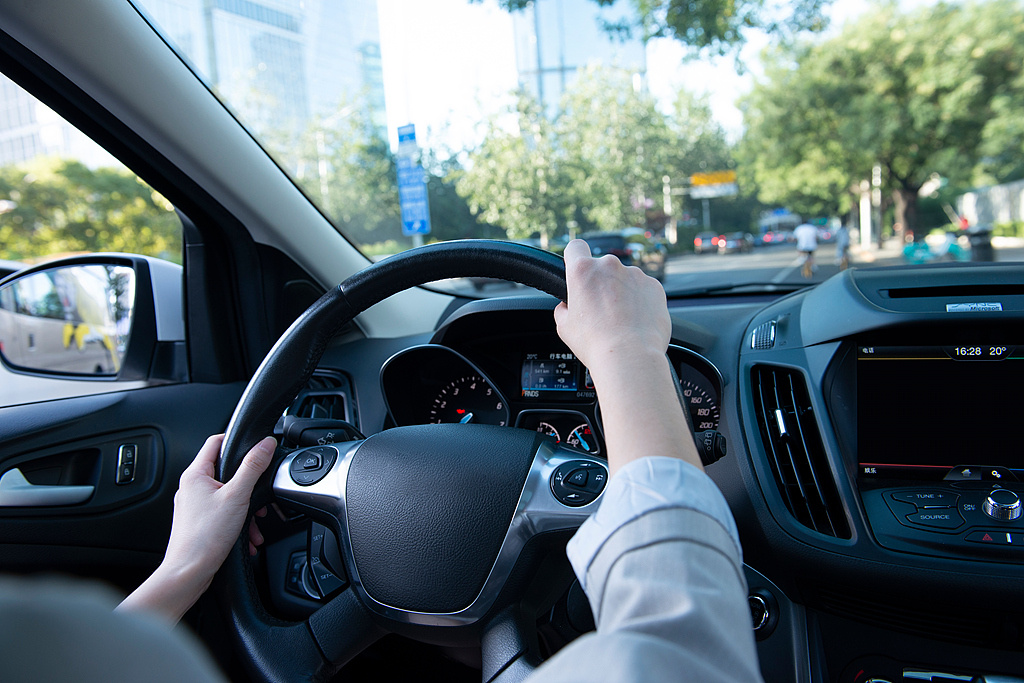
个性化出行

Search documents
24.3亿人次跨区域流动 “双节”人潮刷新纪录
2 1 Shi Ji Jing Ji Bao Dao· 2025-10-09 14:31
Core Insights - The 2025 National Day and Mid-Autumn Festival holiday saw a record high in cross-regional travel, with a total of 2.433 billion trips, averaging 304 million trips per day, representing a year-on-year increase of 6.3% [1][2][3] Travel Volume and Modes - Railway passenger volume reached 153.96 million, averaging 19.24 million per day, up 2.6% year-on-year [2] - Civil aviation passenger volume totaled 19.14 million, averaging 2.39 million per day, with a year-on-year increase of 3.3% [2] - Waterway passenger volume was 11.66 million, averaging 1.46 million per day, reflecting a 4.1% increase [3] - Road travel accounted for 2.24841 billion trips, averaging 28.105 million per day, up 6.6% year-on-year, with 30.677 million trips from commercial road transport [3] Travel Characteristics - Self-driving remained the dominant mode of travel, with an estimated 240 million trips per day, accounting for about 80% of total travel [4] - The first day of the holiday saw the highest travel peak, with 336 million trips, a 1.4% increase from the previous year [4] - The travel distribution indicated a significant increase in personalized travel, with high-speed rail and civil aviation also showing growth [4] Popular Destinations - Major travel hubs included the Beijing-Tianjin-Hebei region, Yangtze River Delta, Guangdong-Hong Kong-Macao Greater Bay Area, and Chengdu-Chongqing area, with cities like Xi'an, Changsha, and Wuhan attracting significant traffic [5][6] - The Yangtze River Delta saw nearly 30.2 million railway passengers, a nearly 20% increase from the previous year, with new high-speed rail lines contributing to this growth [6] Cross-Border Travel Trends - The Greater Bay Area experienced a notable increase in cross-border travel, with a significant rise in transactions from mainland tourists to Hong Kong and Macao, indicating a trend towards dual-direction travel [7] - The increase in travel and spending during the holiday period reflects a growing trend in consumer behavior and tourism expenditure [7]
24.3亿人次跨区域流动,“双节”人潮刷新纪录
2 1 Shi Ji Jing Ji Bao Dao· 2025-10-09 12:50
Core Insights - The 2025 National Day and Mid-Autumn Festival holiday saw a record high in travel, with a total of 2.433 billion cross-regional trips, averaging 304 million trips per day, marking a 6.3% increase year-on-year [1][4][8] Travel Volume and Modes - Railway passenger volume reached 153.96 million, averaging 19.24 million per day, a 2.6% increase year-on-year [2] - Civil aviation passenger volume totaled 19.14 million, averaging 2.39 million per day, up 3.3% year-on-year [3] - Waterway passenger volume was 11.66 million, averaging 1.46 million per day, a 4.1% increase year-on-year [4] - Road travel accounted for 2.24841 billion trips, averaging 28.105 million per day, a 6.6% increase year-on-year, with 30.677 million in commercial road passenger volume [4] Travel Characteristics - Self-driving remained the dominant mode of travel, with an estimated daily average of 240 million trips, accounting for about 80% of total travel [5] - The first day of the holiday saw the highest travel peak, with 336 million cross-regional trips, a 1.4% increase compared to the same day in 2024 [5] - The trend of personalized travel is evident, with significant growth in car rentals and high-speed rail usage [5] Destination Trends - Major travel destinations included urban clusters such as Beijing-Tianjin-Hebei, Yangtze River Delta, Guangdong-Hong Kong-Macau Greater Bay Area, and Chengdu-Chongqing [7] - The Yangtze River Delta region experienced a notable increase in travel, with nearly 30.2 million railway passengers, a nearly 20% increase compared to the previous year [7] - In the Guangdong-Hong Kong-Macau Greater Bay Area, there was a significant increase in cross-border travel, with a fivefold increase in ride-hailing orders from mainland tourists in Hong Kong [8]
双节假期租车自驾游火爆 如何让旅客“放心租、无忧行”
Yang Shi Xin Wen· 2025-09-30 22:46
Core Insights - The rental car market is experiencing significant growth during the upcoming Mid-Autumn and National Day holidays, with the Ministry of Transport predicting a year-on-year increase of over double digits in rental orders, reflecting the improvement of the transportation system and the rising demand for personalized travel [1][3]. Group 1: Consumer Demand and Preferences - The surge in rental car usage indicates a strong consumer demand for personalized travel experiences, as traditional group tours fail to meet the desire for in-depth experiences and flexible itineraries [5]. - Popular vehicle choices during the holiday period include economical and business models, with rental companies maintaining stable prices and offering diverse services to cater to varying customer needs [3][5]. Group 2: Consumer Concerns - Consumers express concerns regarding the rental process, including the convenience of picking up and returning vehicles, transparency of vehicle conditions, and the ability of rental companies to meet the increased demand [3][5]. - It is advised that consumers choose reputable rental companies and pay close attention to the vehicle inspection process to avoid disputes regarding vehicle conditions and rental terms [5]. Group 3: Industry Response and Initiatives - The Ministry of Transport is actively implementing measures to optimize vehicle allocation, particularly in major cities and popular travel routes, to address the "difficult to rent" issue [7]. - Several rental companies are offering nationwide drop-off services, enhancing travel flexibility for consumers [7]. - The Ministry is also promoting the upgrade of services, ensuring that if a reserved vehicle is unavailable, customers will receive a vehicle of equal or higher quality, while also improving oversight of key rental companies to resolve issues promptly [9].

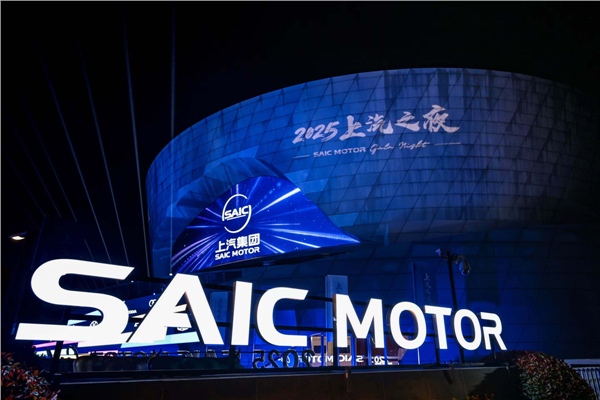
平权驱动进阶,共创未来出行新生态——上汽集团“懂车更懂你”之夜释放转型强音
Zheng Quan Zhi Xing· 2025-04-11 07:18
Core Viewpoint - SAIC Motor Corporation is undergoing a significant transformation, focusing on user-centric values and technological equality to adapt to new industry demands and competition [3][4][6]. Group 1: User-Centric Approach - The company emphasizes the importance of "user genes," viewing users as "starting partners" rather than just "end payers" [4]. - SAIC's President, Jia Jianxu, highlighted that the competition in the automotive industry has shifted from mere product manufacturing to deeply exploring user value [6]. - The company has introduced a "smart safety system" that exceeds national standards by 30%, achieving industry benchmarks for battery safety with "zero self-ignition and zero thermal runaway" [8][9]. Group 2: Technological Equality - SAIC believes that technological equality is not just about universal access to features but involves open ecosystems and diverse collaborations to drive industry-wide upgrades [10]. - The company is expanding its partnerships with tech giants like Huawei and DJI to create a new industrial ecosystem, aiming for a comprehensive coverage of smart driving, cockpit, and chip technologies [10][12]. Group 3: Individualized Mobility - The company envisions a future where cars evolve into personalized mobility services, transitioning through software and hardware personalization stages [12][13]. - SAIC's self-developed Galaxy full-stack cockpit 3.0 is designed to integrate with major mobile operating systems, ensuring seamless connectivity across various devices [13]. Group 4: Strategic Response to Competition - To tackle fierce market competition, SAIC employs a "combination strategy" that integrates internal resources and deepens collaborations with partners [14]. - The company plans to launch over ten new models by 2025, covering a wide range of consumer needs, and aims to push "Chinese manufacturing" onto the global stage [14]. - In Q1 2025, SAIC achieved a wholesale vehicle sales volume of 945,000 units, a year-on-year increase of 13.3%, and expects a net profit of 3 to 3.2 billion yuan, reflecting a stable growth trend [14]. Conclusion - SAIC Motor's 70-year journey reflects the rise of Chinese industry, as it embraces "technological equality" and "user co-creation" to redefine its product logic and embark on a new chapter in the automotive sector [15].