中企赴美上市

Search documents
新规下中企挂牌OTC,解锁赴美上市新选择
Sou Hu Cai Jing· 2026-02-26 07:34
Core Viewpoint - The new Nasdaq listing rules implemented on January 17, 2026, significantly raise the financial thresholds for IPOs, prompting more Chinese companies to consider the U.S. OTC market as a key platform for cross-border capital deployment [1] Group 1: Nasdaq New Rules - The net income standard has increased from $5 million to $15 million, a 200% increase [6] - The revenue standard has risen from $8 million to $15 million, an 87.5% increase [6] - A minimum fundraising threshold of $25 million has been set for companies primarily operating in China, prohibiting them from listing directly on Nasdaq [6] - The review authority has been upgraded, allowing exchanges to reject listing applications even if companies meet written financial standards if they are deemed to have potential risks of securities manipulation [6] Group 2: OTC Market Developments - In January 2026, only one Chinese company successfully listed on the OTCQX Best Market, highlighting the challenges faced by Chinese firms in the U.S. capital market [1] - Over 800 Chinese companies have already established a presence in the U.S. OTC market by the end of 2025, covering various sectors such as new energy, biomedicine, intelligent manufacturing, and new materials [1] - The OTC market is becoming a preferred choice for Chinese companies due to its flexible processes, moderate thresholds, and suitable regulatory environment [4] Group 3: Company Listings - Boray Pharmaceutical Co., Ltd. successfully listed on the OTCQX on January 7, 2026, becoming the first issuer from Taiwan to do so, leveraging its main board listing in Taiwan to simplify the U.S. market approval process [2] - Yichang Keli Sheng Group utilized a shell company acquisition to list on the OTC, demonstrating a model for small and medium enterprises to enter the U.S. market [3] - The shell company acquisition model significantly shortens the listing cycle and avoids the lengthy review process associated with traditional IPOs, providing a platform for small enterprises with core technologies [3] Group 4: Pathways for Chinese Companies - Direct application for listing on OTCQX is one pathway for companies with established business and compliance systems, laying the groundwork for future transitions to the main board [8] - The shell company acquisition and asset injection method allows for quick and cost-effective listings, suitable for small enterprises seeking cross-border financing [8] - The current mainstream strategy for Chinese companies involves initial fundraising in the OTC market, followed by compliance upgrades and eventual transition to Nasdaq or NYSE [8]
112天零新增+63天零通过:赴美上市备案再度暂停,企业下一步怎么走?
Sou Hu Cai Jing· 2026-02-12 01:42
Group 1 - The core point of the article highlights a significant stagnation in Chinese companies' filings for U.S. listings, with 112 days without new applications and 63 days without any approvals, indicating a cautious approach from companies and a slowdown in the regulatory process [2][3][7] - The current situation reflects a dual pressure from increased regulatory scrutiny in China and heightened listing requirements in the U.S., making it more challenging for Chinese companies to go public in the U.S. [7][8] - The upcoming Spring Festival provides a timely opportunity for companies to reassess their listing strategies, emphasizing that the essence of going public is to raise funds for development rather than merely achieving a listing status [8][12] Group 2 - Companies are encouraged to consider alternative paths for listing, such as the OTC market, which does not require the lengthy approval process and can facilitate access to international capital [9][11] - The OTC market offers advantages like reduced listing barriers and time costs, allowing companies to gain compliance experience and prepare for potential future listings on major U.S. exchanges [11][12] - Companies should focus on aligning their listing strategies with their specific circumstances and ensure compliance as a foundational aspect of long-term development [8][9]

面对美国IPO市场困境,中企赴美 “曲线上市” 最优解
Sou Hu Cai Jing· 2026-01-22 07:33
Group 1: Current State of the US IPO Market - The US mainboard IPO market has seen increasing barriers for Chinese companies, with a decline in acceptance and rising costs, resulting in a "growing number, shrinking scale, and high thresholds" phenomenon [2] - In 2025, 63 Chinese companies are expected to go public in the US, raising only $1.12 billion, a significant 41% decrease from 2024, with an average fundraising amount of less than $20 million, far below historical levels [2] - New Nasdaq regulations set to take effect in 2026 will further exacerbate these challenges, raising the IPO net income standard from $5 million to $15 million (200% increase) and the revenue listing standard from $8 million to $15 million (87.5% increase) [2] Group 2: SEC Structural Reform Proposals - The SEC aims to alleviate disclosure burdens for small companies by adjusting disclosure requirements based on company size and maturity, and changing reporting periods from quarterly to semi-annually, with 2026 as a key rule-making year [3] - The reform includes a dual pillar strategy: the first pillar limits information disclosure to "financially significant" content, while the second introduces differentiated regulatory mechanisms based on company size and maturity [3] - These measures aim to create a more efficient and friendly listing environment, enhancing the attractiveness of the US capital market for innovative companies [3] Group 3: US OTC Market - The strategic value of the US OTC market has been revitalized for many growing small and medium-sized enterprises that do not meet the stringent standards of Nasdaq [4] - The OTC market offers a low-threshold, low-cost, and flexible access point for small businesses to connect with the US capital market, with a multi-tier structure providing tailored options for companies at different development stages [5] - The OTCID base tier requires only unaudited financial statements with no price or profit thresholds, while the OTCQB growth tier requires audited financials but no mandatory profit requirements, allowing companies to gain compliance experience [5] Group 4: Transition Pathways - Companies can use the OTC market to improve governance structures and accumulate compliance experience, laying the groundwork for future transitions to Nasdaq or the New York Stock Exchange [6] - For example, to apply for a transition to the OTCQB tier, companies must meet one of the following criteria: net assets of at least $5 million; or cumulative net profits of at least $750,000 over two years with net assets of at least $4 million; or a market value of at least $50 million with net assets of at least $4 million [7] - With the deepening of Sino-US regulatory cooperation, the pathways for Chinese companies to go public in the US will become more diversified, allowing companies to choose suitable capital market paths based on their circumstances rather than blindly pursuing high-threshold mainboard listings [7]
上市半年股价跌去97%,平安生物医药(PASW.US)“更名”博眼球却难博股价上涨?
智通财经网· 2026-01-15 13:58
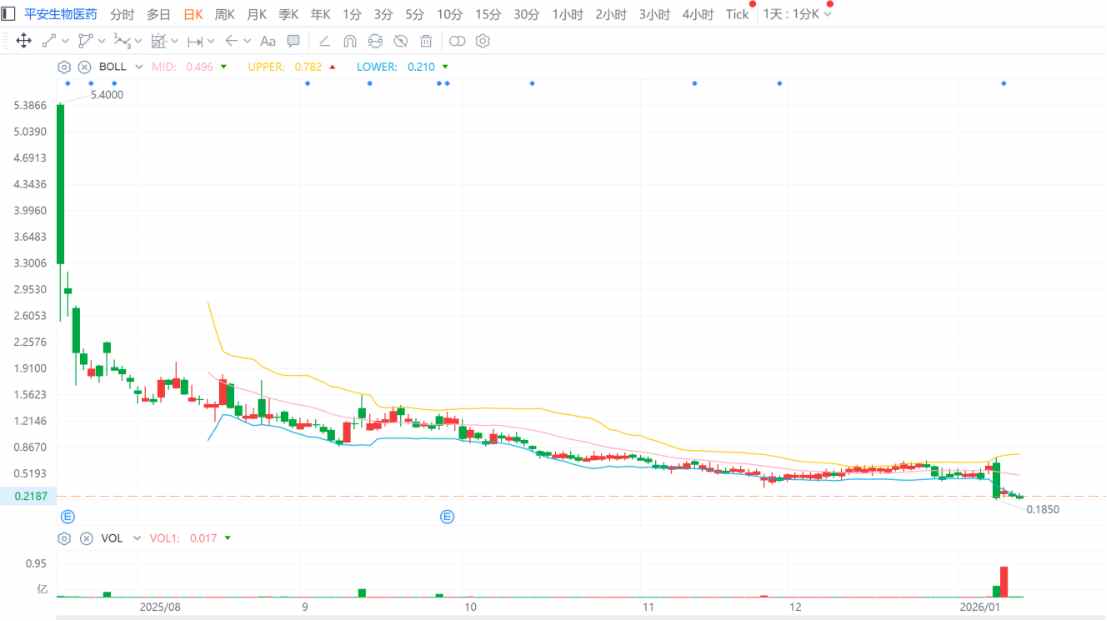
Group 1: Market Overview - In 2025, 93 Chinese companies successfully listed on the US stock market through IPOs, SPAC mergers, and OTC transfers, representing a 7.8% increase from 64 companies in the previous year [1] - Among the 93 companies, 84 completed their listings via traditional IPOs, accounting for 90.3% of the total [1] - Additionally, 149 companies have publicly submitted applications for US listings, indicating strong enthusiasm among Chinese firms [1] Group 2: Company Case Study - Weimi Holdings - Weimi Holdings (MJID.US), which recently transitioned to "Ping An Biopharmaceutical" (PASW.US), is the first company to receive a filing notice from the China Securities Regulatory Commission since the new filing regulations [2] - The company faced challenges during its IPO journey, submitting its F-1 document in April 2023 and only obtaining its Nasdaq listing in July 2025 [2] - Following its listing, Weimi Holdings' stock price fell significantly, opening at $5.39, down 10.17% from its IPO price of $6, and reaching a low of $2.55, a 57.5% drop [4] Group 3: Stock Performance Analysis - Weimi Holdings experienced a significant decline in stock price, with a closing price of $3.30 on its first day, reflecting a 45% drop [4] - The stock continued to decline, entering a "four consecutive down days" pattern, dropping below $2 within the first ten trading days [4] - Over a five-month period, the stock showed a downward trend, with low trading volumes and minimal upward movements, indicating a lack of market interest [5] Group 4: Business Model and Financials - Prior to its name change, Weimi Holdings was a clothing supply chain management service provider, primarily offering yarn and finished garment solutions [7] - The company reported revenues of 82.56 million RMB and 87.62 million RMB for the respective periods, with a year-on-year growth of 6.2% [11] - Yarn sales accounted for over 90% of the company's revenue, highlighting its role as an "OEM" in the supply chain [11] Group 5: Recent Developments - Despite the name change to "Ping An Biopharmaceutical," Weimi Holdings continued its operations in clothing supply chain management, with yarn sales still representing 92% of its revenue [12] - On January 9, the company announced a non-binding cash investment plan of $30 million and a $60 million acquisition of Future Biotech, which temporarily boosted its stock price by 41.85% [12] - However, the stock price quickly fell again, dropping to around $0.20, a 96.67% decrease from the initial offering price, raising concerns about compliance with Nasdaq listing requirements [12]
美股IPO动态|全年回顾2025中企赴美上市全景图:93家企业申请
Sou Hu Cai Jing· 2026-01-07 03:47
Group 1 - The core viewpoint of the article highlights the active trend of Chinese companies listing in the US, characterized by steady growth in numbers, diverse structures, and significant regional concentration [1] Group 2 - In terms of listing paths and methods, traditional IPOs dominate, with 90.3% of the 93 companies listed through this method, while only 8.6% used De-SPAC [2] - The choice of exchange shows that Nasdaq remains the preferred platform for Chinese companies, with 95.7% of listings occurring there [4] Group 3 - The financing scale structure indicates a concentration at the top, with 84 IPO companies raising a total of $2.822 billion, where the top three companies accounted for 33.9% of the total [5] Group 4 - The industry distribution reveals that technology and service sectors are key drivers for Chinese companies listing in the US, with application software companies leading the way [7] Group 5 - The geographic origin of the companies shows a significant concentration in coastal and developed regions, with Hong Kong leading, followed by Zhejiang and Taiwan [8] Group 6 - The listing cycle varies significantly among companies, with the fastest completing the process in 115 days, while the slowest took over 1,400 days, highlighting differences in preparation and compliance capabilities [9]
93 家成功突围!2025中企赴美上市总结:分化赛道中的机遇与底线坚守
Sou Hu Cai Jing· 2026-01-06 01:30
Group 1 - The core viewpoint of the article highlights the steady recovery of global capital markets in 2025, with US stock markets continuing to be a key platform for Chinese companies seeking cross-border financing, despite a notable structural differentiation in the number and scale of listings [3][17] - In 2025, a total of 93 Chinese companies successfully listed on US stock markets through various methods, marking a 7.8% increase from 64 companies in 2024, with 149 additional companies having publicly submitted applications for US listings, indicating strong future momentum [3][17] - The traditional IPO remains the dominant listing method, with 90.3% of the successful listings (84 out of 93) being through IPOs, while De-SPAC and OTC transfers accounted for 8.6% and 1.1% respectively, showcasing a clear preference for IPOs among Chinese companies [4][17] Group 2 - The fundraising characteristics of Chinese companies in the US IPO market are marked by a concentration of capital, with the top three companies (Smithfield, Bawang Chaji, and Yasheng Pharmaceutical) accounting for 33.9% of the total $2.822 billion raised, while over half (58.3%) of the companies raised less than $10 million [11][17] - The industry distribution of companies going public in the US is diverse, with significant representation from application software, traditional industries like construction and manufacturing, and modern service sectors such as pharmaceuticals and logistics, reflecting the dynamic nature of China's economic transformation [14][17] - The average listing cycle for Chinese companies in the US has improved, with an average duration of approximately 198 days and a median of 185 days, indicating enhanced efficiency in the listing process [16][17] Group 3 - The Nasdaq remains the most attractive exchange for Chinese companies, with 82 out of 93 companies choosing to list there, while one company opted for the NYSE and another for the AMEX, demonstrating the exchange's strong appeal for cross-border financing [8][17] - The structural characteristics of the 2025 US listings reflect the resilience and vitality of Chinese companies in their internationalization efforts, with a focus on compliance and strategic alignment with regulatory environments being crucial for future listings [17]


2025年中企赴美上市盘点,93家企业成功登陆,149家企业递交申请
Sou Hu Cai Jing· 2026-01-05 03:46
Group 1 - By the end of 2025, 93 Chinese companies successfully listed on US stock markets, with 149 companies publicly submitting listing applications, showing moderate growth compared to 69 companies in 2024 [1] - Nasdaq maintained its absolute advantage with 89 companies listed, accounting for 96% of the total, while only 4 companies chose the New York Stock Exchange [1] - The industry distribution is diverse, with technology companies like application software leading, while traditional industries such as construction and industrial sectors follow steadily, and modern service industries like pharmaceuticals and food logistics show vibrant growth, reflecting the robust momentum of China's economic transformation [1] Group 2 - Among the three main listing paths, IPO remains the mainstream route, favored for its direct financing and brand premium advantages, with 84 Chinese concept stocks completing their US listings through IPOs [1] - Smithfield (SFD) topped the list with over $500 million raised, becoming the largest IPO project of the year, followed by Bawang Tea (CHA) with $411 million, and Ascentage Pharma (AAPG) with $126 million [1] - The majority of other companies raised amounts mostly under $20 million, with nearly 70% of companies financing not exceeding $10 million [1] Group 3 - De-SPAC (Special Purpose Acquisition Company) and OTC transfer models play important supplementary roles, with 8 companies listing through De-SPAC, including Global IBO Group Ltd, which achieved a valuation of $8.3 billion, marking one of the largest transactions of the year [2] - One company, Tianci International Inc (CIIT), successfully transferred from the OTC market to Nasdaq, a path more suitable for companies that have built liquidity and valuation on the OTC market [2] - The outlook for 2026 suggests that with new Nasdaq regulations increasing the net income standard by 200%, the barriers for traditional IPOs will rise, potentially providing greater opportunities for small and medium enterprises in OTC transfers [2]
未来1–2年,中企赴美上市备案:监管焦点会卡在哪
Sou Hu Cai Jing· 2026-01-05 02:20
Group 1 - The approval of Longdian Huaxin New Energy Technology Group marks a breakthrough for domestic companies seeking to list in the U.S. after an 8-month hiatus, reflecting the increasing regulatory requirements from the China Securities Regulatory Commission (CSRC) for overseas-listed companies [2] - As of December 19, 2025, the CSRC has received a total of 888 applications for overseas initial public offerings (IPOs), with 412 companies having obtained approval [2] - Among the companies seeking to list in the U.S., 150 have chosen the NASDAQ exchange, with 54 currently in the application stage, a decrease of one from the previous count [2] Group 2 - The recent surge in SPAC (Special Purpose Acquisition Company) listings in the U.S. indicates a shift in strategy for companies seeking overseas listings, with SPACs accounting for 70% of IPOs from December 15 to 21, 2023 [4][5] - Companies are advised to transition from a static "roadmap" to a dynamic self-adjusting strategy in response to tightening global regulatory environments, emphasizing the need for a deep understanding of different listing methods [5] - The CSRC's focus on compliance includes thorough checks on the entire equity structure and the operational compliance of domestic entities, ensuring that overseas listings are backed by legitimate domestic business operations [9][10] Group 3 - The CSRC has highlighted key areas of concern for companies seeking overseas listings, including compliance with the "negative list" for foreign investment, particularly for companies in sensitive sectors [10] - Data security regulations are specifically targeted at companies with digital operations, ensuring compliance with data protection laws and addressing risks associated with data collection and cross-border data flow [11] - Companies are encouraged to engage professional legal and financial advisors early in the listing process to conduct comprehensive compliance assessments and establish a proactive compliance strategy [14][15]
SEC复工+赴美备案重启:2025年末中企赴美上市迎窗口期
Sou Hu Cai Jing· 2025-11-26 01:32
Core Viewpoint - The reopening of the filing process for Chinese companies to list in the U.S. marks a significant turning point, with multiple favorable factors creating a rare window for Chinese enterprises to pursue U.S. listings by the end of 2025 [2] Group 1: Resumption of Filing and Regulatory Signals - The China Securities Regulatory Commission (CSRC) has resumed the filing process for U.S. listings, as evidenced by the recent requests for supplementary materials for two companies, signaling the end of a seven-month "frozen period" [3] - CSRC Chairman Wu Qing emphasized the need to steadily expand high-level institutional openness and improve the efficiency of overseas listing filings, boosting confidence among companies planning to list abroad [5] Group 2: SEC Approval Process and Regulatory Optimizations - The SEC has fully resumed operations after a 43-day government shutdown, allowing for the processing of nearly 100 backlog IPO applications, which is expected to expedite the review process for previously stalled companies [5] - The signing of the audit regulatory cooperation agreement between China and the U.S. has significantly reduced compliance risks for Chinese companies, with over 280 companies already removed from the "pre-delisting" list [7] Group 3: Market Liquidity and IPO Valuation Support - The U.S. Treasury's cash reserves are expected to release between $500 billion to $700 billion into the market, which could alleviate previous liquidity pressures and support stock valuations, potentially increasing risk asset valuations by 3%-5% [8] - The rising probability of interest rate cuts by the Federal Reserve in December may further stimulate companies' willingness to go public, enhancing market liquidity and investor interest in quality small and medium enterprises [8] Group 4: Strategic Recommendations for Companies - Companies preparing for U.S. listings should focus on compliance, speed, and strategic timing to leverage the upcoming window of opportunity effectively [9] - Key recommendations include ensuring compliance with application materials, expediting the filing process to meet SEC requirements, and closely monitoring SEC developments to optimize listing timelines [10]
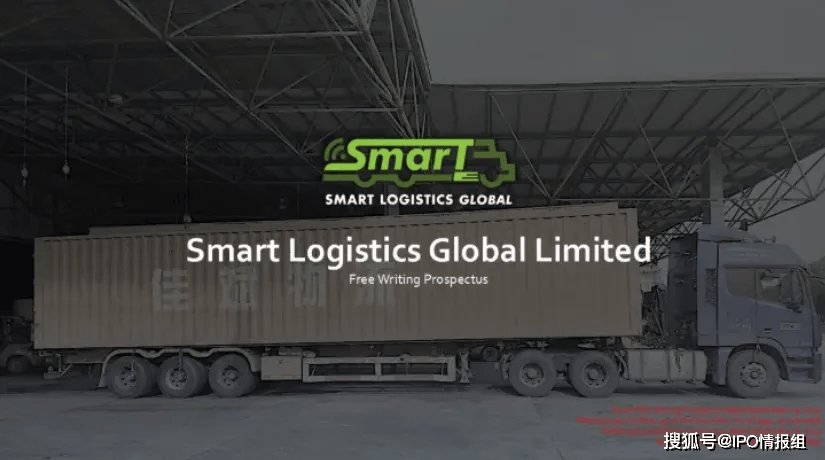
快讯|中企赴美上市掀起热潮 智慧物流成功上市 10余家上市在即
Sou Hu Cai Jing· 2025-11-25 02:06
Group 1 - The core viewpoint of the article is that Smart Logistics, based in Fuzhou, Jiangxi, successfully went public on NASDAQ under the ticker SLGB, marking it as the second Chinese company to list in the U.S. through an IPO in October [1] - Smart Logistics issued 1 million shares at a price of $5 per share, raising a total of $5 million [1] - On its first trading day, Smart Logistics' stock closed at $5.28, reflecting a 5.60% increase, with a current market capitalization of approximately $216 million [1] Group 2 - Established in 2017, Smart Logistics focuses on developing a smart logistics industry cluster, offering services that include transportation, modern warehousing, cargo distribution, urban and rural delivery, multimodal transport, and logistics information [1] - The company has branches in Jiangsu, Guangdong, Chongqing, and Shandong [1] - Additionally, over 10 other Chinese companies have submitted their prospectuses, which have been approved and are awaiting their IPOs [1]