中医药养生

Search documents
老药工的膏方新解
Xin Lang Cai Jing· 2026-01-04 19:01
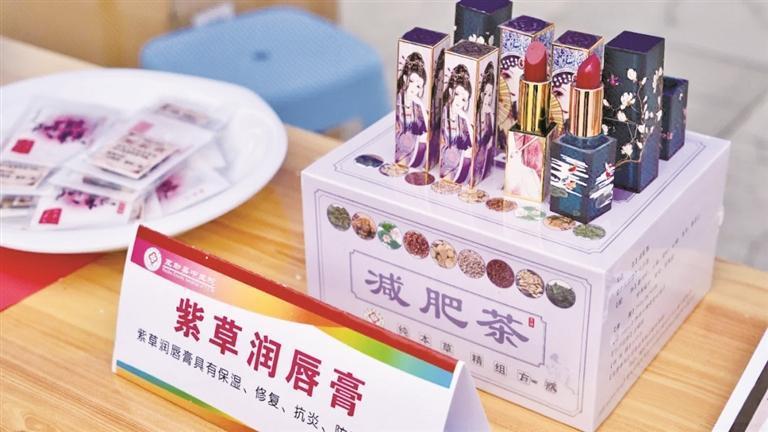
Core Viewpoint - The article emphasizes the importance of traditional Chinese medicine (TCM) in health maintenance during the winter season, particularly through the preparation of medicinal pastes known as "膏方" [5][6]. Group 1: Traditional Chinese Medicine Practices - The preparation of medicinal pastes involves a meticulous process that includes soaking, boiling, filtering, and slow cooking, ensuring no preservatives or artificial colors are added [6]. - The medicinal pastes are tailored to individual body types, adhering to the principle of "辨证施方" (differentiated treatment) [5]. Group 2: Product Innovation and Development - The hospital has developed a range of health products, including herbal lip balm, hair growth soap, and other nourishing pastes, integrating TCM into daily life [6]. - A popular product, the herbal paste lollipop, is designed to appeal to children by using natural honey to mask the bitterness of traditional herbs [6]. Group 3: Cultural Promotion and Community Engagement - The hospital actively participates in cultural events that promote TCM, such as the fifth health promotion event held on November 7, 2025, showcasing various herbal products [7]. - The series of activities organized by the Qinghai Provincial Health Commission aims to blend seasonal culture with TCM knowledge, enhancing public awareness and appreciation of traditional medicine [7].

医院膏方节玩出新花样 银龄养生“潮”起来
Xin Lang Cai Jing· 2025-12-20 01:35
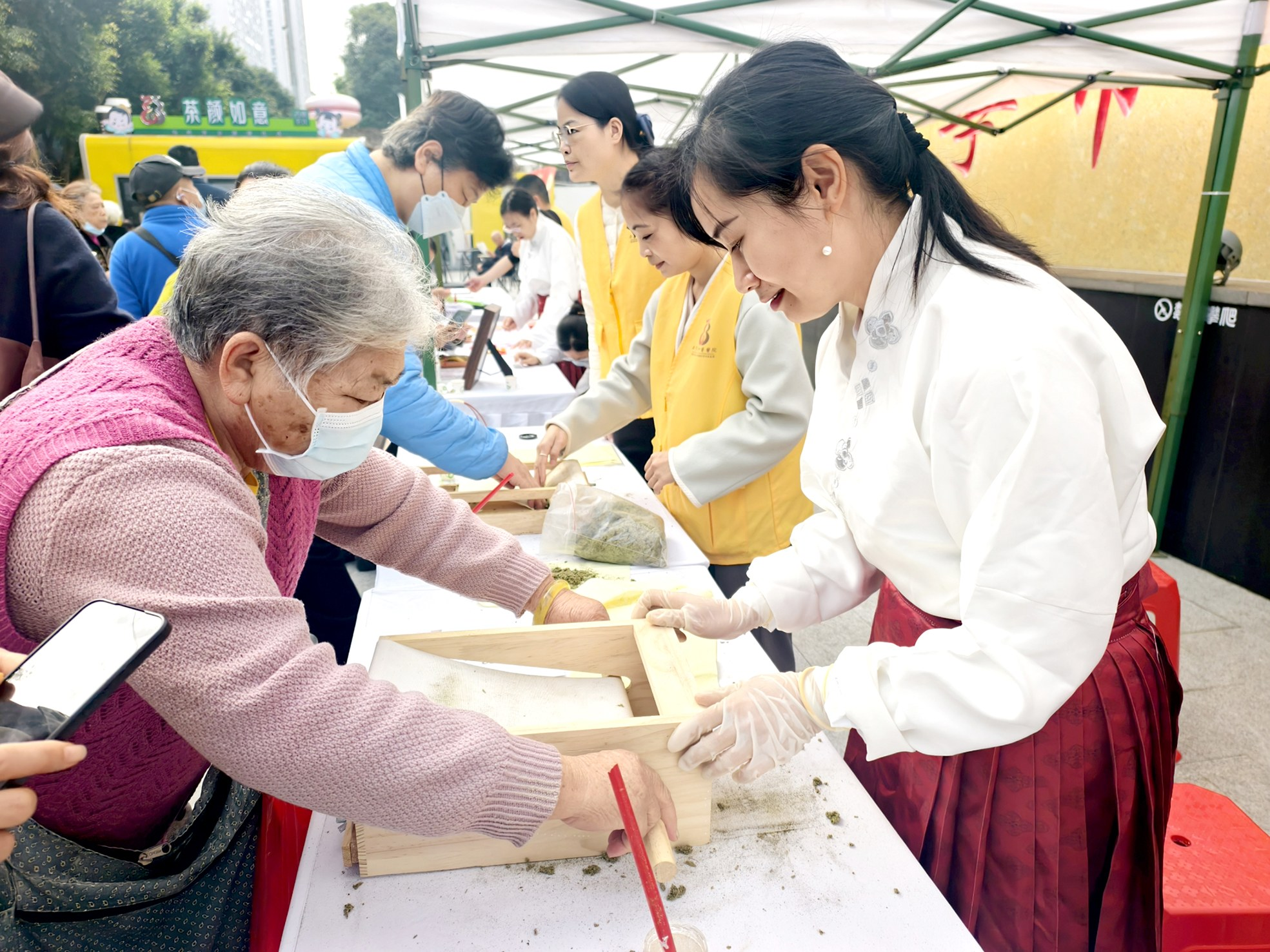
Core Viewpoint - The event showcased the integration of traditional Chinese medicine with modern trends, attracting significant interest from the elderly population and promoting a youthful approach to health and wellness [1][4]. Group 1: Event Highlights - The 8th Ruiyi Medicinal Diet Culture Festival was held in Nanning, featuring activities that combined traditional Chinese medicine with contemporary practices, making health management appealing to older adults [1][4]. - The event included a variety of services such as personalized medicinal prescriptions, free health assessments for seniors, and interactive experiences with traditional Chinese medicine techniques [3][4]. Group 2: Activities and Engagement - A high level of participation was observed, with long queues for expert consultations and interactive zones where attendees could create their own health products, such as herbal sachets and medicinal food items [2][3]. - The festival featured a unique blend of cultural experiences, including a knowledge quiz on health, DIY workshops, and a food area offering medicinal dishes and herbal teas, which were particularly popular among attendees [3][4]. Group 3: Future Plans - The hospital aims to continue developing its Chinese medicine health services and establish the Medicinal Diet Culture Festival as a distinctive brand, focusing on providing high-quality and convenient services for the elderly [4].
除了卖药材,江南药乡浙江磐安还“卖”什么?
Zhong Guo Xin Wen Wang· 2025-11-17 07:30
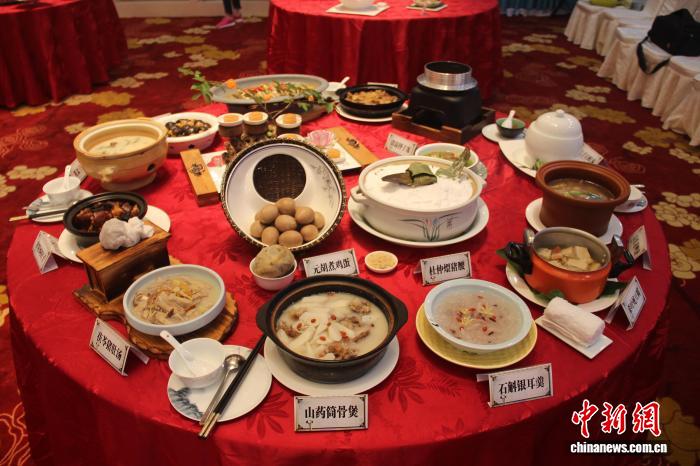
Core Insights - The article highlights the transformation of Zhejiang Pan'an, a traditional medicinal herb town, into a modern health and wellness destination, integrating ancient wisdom with contemporary lifestyle trends [1][2]. Industry Overview - Pan'an has a long history of medicinal herb cultivation, dating back to the Jin and Tang dynasties, with notable products recognized as royal tributes during the Tang to Yuan dynasties [1]. - The total output value of the traditional Chinese medicine industry chain in Pan'an is projected to exceed 12 billion yuan in 2024, while the output value for 2023 reached 3.14 billion yuan [2]. Product Innovation - Pan'an has developed over 200 herbal cuisine products categorized into five main types, including ancient medicinal recipes and health-focused dining options [2]. - Innovative health drinks like "Mu Chun Feng," which combines longan, red dates, rose, and goji berries, and "Zhao Qing Si," targeting hair care, are gaining popularity among younger consumers [2]. Technological Integration - The introduction of a "Traditional Chinese Medicine Intelligent Pulse Diagnosis Device" allows visitors to receive personalized health reports, enhancing the interactive experience of traditional medicine [2][4]. Tourism Development - The historical Wushi Village, with over 1,200 years of history, has evolved into an eco-tourism hub, featuring 206 farmhouses and attracting over 1.07 million visitors in 2024, generating a tourism revenue of 200 million yuan [4]. - The village offers unique experiences, such as tofu-making workshops that incorporate local medicinal herbs, appealing to both tourists and local families [4][7]. Market Focus - The local government aims to attract younger demographics by understanding their health interests and lifestyle preferences, recognizing the growing market potential for traditional Chinese medicine among this group [2][4].
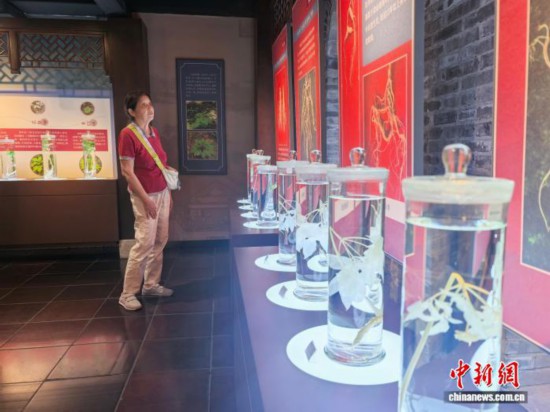
百年官参局飘药香 中医市集成吉林文旅新热点
Zhong Guo Xin Wen Wang· 2025-10-04 01:32
Core Insights - The Jilin Guanshan Bureau, a historical site, has been revitalized as a cultural tourism landmark, attracting thousands of visitors for traditional Chinese medicine experiences [2][6] - The site has hosted 22,600 visitors in the first two days of the National Day holiday, indicating strong interest in its offerings [2] - The integration of traditional Chinese medicine culture with tourism is becoming increasingly popular, reflecting a growing public awareness of health and wellness [6] Group 1 - The Jilin Guanshan Bureau, established in 1745, was historically significant for managing ginseng affairs and has now been restored to serve as a cultural tourism destination [1][6] - The site features interactive experiences such as free medical consultations, ginseng-related activities, and traditional Chinese medicine demonstrations, which have drawn large crowds [2][5] - Visitors have expressed positive feedback about the unique experience of learning about ginseng culture and health practices in a historical setting [2] Group 2 - The Jilin Guanshan Bureau is recognized as one of the major ginseng management institutions from the Qing Dynasty, highlighting its historical importance [6] - The local government plans to host various activities related to traditional Chinese medicine and cultural education to further enhance the site's appeal [6] - Jilin City is a key production area for ginseng, and future initiatives aim to promote its cultural and commercial significance [6]
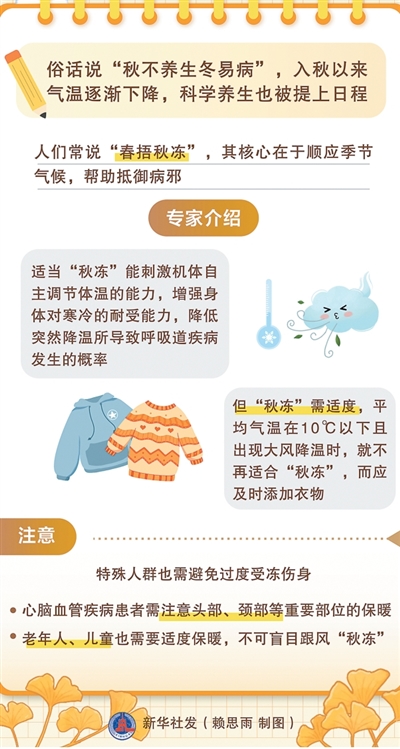
草木敛华顺时方(大健康观察)
Ren Min Ri Bao Hai Wai Ban· 2025-09-22 23:01
Group 1 - The article discusses the health challenges associated with the transition from summer to autumn, emphasizing the need for seasonal health management to prevent respiratory and gastrointestinal diseases [2][3][4] - It highlights the concept of "Autumn Tiger," referring to the lingering heat and humidity that can cause discomfort and health issues during early autumn [3][4] - Recommendations for dietary adjustments include consuming foods that clear heat and dampness, such as mung bean and coix seed porridge, while avoiding spicy and cold foods [4][5] Group 2 - The article addresses emotional well-being during autumn, noting that the season can lead to feelings of melancholy and irritability due to environmental changes [6][7] - Suggested methods for emotional balance include outdoor activities, sun exposure, and specific dietary choices like lily and lotus seed soup to soothe the mind [6][7] - It emphasizes the importance of listening to uplifting music and engaging in hobbies to alleviate negative emotions [7] Group 3 - The traditional practice of "Autumn Fattening" is discussed, which aims to enhance physical strength for winter but should be tailored to individual health conditions [8][9] - Different body constitutions, such as Qi deficiency or Yin deficiency, require specific dietary approaches to avoid adverse effects from indiscriminate consumption [8][9] - Certain populations, including those with metabolic disorders or weak digestive systems, should be cautious about excessive intake of rich foods [9] Group 4 - The concept of "Autumn Freezing" is introduced, suggesting that gradual exposure to cooler temperatures can help the body adapt and strengthen its defenses against winter illnesses [10][11] - However, it warns that vulnerable groups, such as those with cardiovascular or respiratory conditions, should avoid excessive cold exposure [10][11] - The article advises maintaining appropriate warmth for individuals with weak digestive systems, particularly during the autumn season [11]