中华文化

Search documents
这个冬天,台青在大陆解锁冰雪之乐
Ren Min Ri Bao Hai Wai Ban· 2026-02-25 23:09
Group 1 - The article highlights the winter activities organized for Taiwanese youth in mainland China, focusing on cultural exchange and the experience of winter sports [1][2][4] - Participants engaged in skiing in Xinjiang and enjoyed ice sculptures in Harbin, showcasing the beauty of winter and the shared cultural heritage between Taiwan and mainland China [2][3] - The events included traditional activities such as the Chagan Lake winter fishing, emphasizing the deep cultural roots and traditions present in different regions of mainland China [3][4] Group 2 - The article discusses the "Taiwan Youth Winter Camp" series, which aims to foster connections between Taiwanese and mainland youth through shared experiences in ice and snow activities [2][4] - In addition to winter sports, participants visited historical sites in Shaanxi, such as the Terracotta Army and the Daming Palace, to appreciate the rich cultural history of the region [4] - The article also mentions the technological advancements in urban management observed by Taiwanese students in Beijing, highlighting the potential for collaboration in smart city development [5][6]

中华文化闪耀冬奥
Xin Lang Cai Jing· 2026-02-23 21:43
Group 1 - The performance of a panda during the Milan Winter Olympics serves as a warm symbol connecting the world with China, reminiscent of the Beijing Winter Olympics mascot, Bing Dwen Dwen [1] - The panda character is portrayed by Kazakhstan athlete Sadolov, who won the men's singles figure skating championship, highlighting his affection for pandas [2] - Gu Ailing's competition outfit in the freestyle skiing women's U-shaped venue final features elements of traditional Chinese culture, including blue and white porcelain, a compass, and dragon patterns, showcasing the blend of Chinese elements with personal style [3]

通讯丨墨尔本街头馆内共庆中国年
Xin Lang Cai Jing· 2026-02-23 02:10
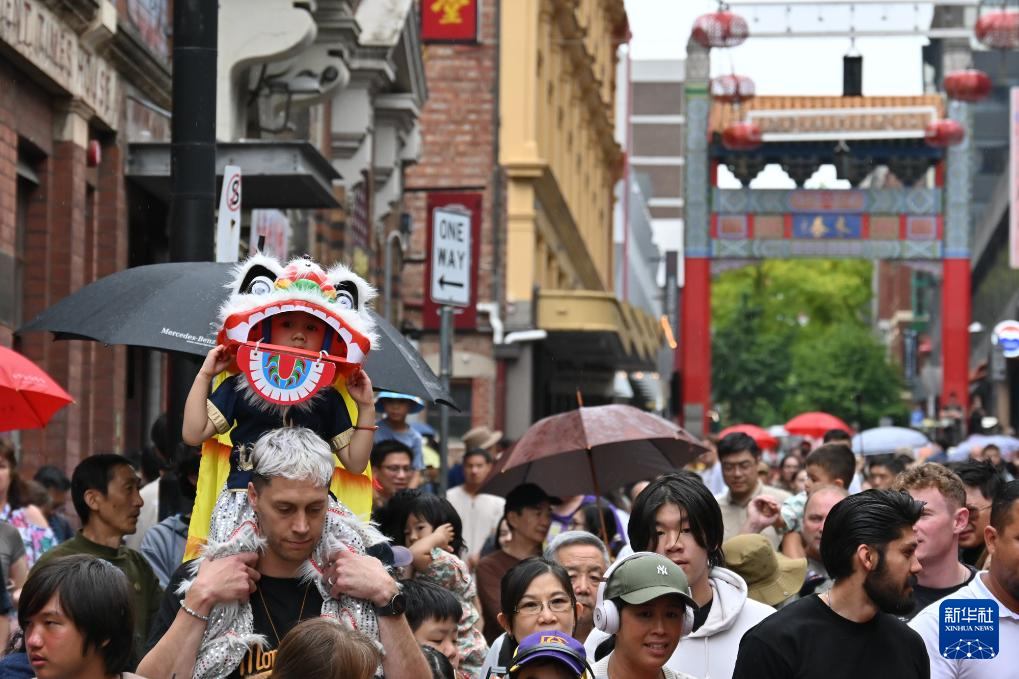
Core Viewpoint - The Chinese New Year celebrations in Melbourne, Australia, highlight the city's multiculturalism and the growing appreciation for Chinese culture among diverse communities [1][10]. Group 1: Event Highlights - The celebrations included a grand dragon parade featuring the "Millennium Dragon," which is over 60 meters long and attracted large crowds despite rain [4]. - The parade showcased a mix of participants, including long-time Chinese volunteers and new members from other ethnic backgrounds, symbolizing unity and cultural exchange [4][6]. - The Victoria National Gallery hosted various Chinese New Year-themed activities, including dragon dances, Peking opera performances, and mahjong experiences, enhancing the festive atmosphere [6][8]. Group 2: Cultural Significance - The dragon, a symbol of good fortune in Chinese culture, was a focal point of the celebrations, with attendees touching its head for blessings [6]. - The gallery's activities aimed to foster cultural exchange and community engagement, emphasizing the importance of the Chinese New Year in Melbourne's cultural landscape [10]. - The gallery's collection includes over a thousand artworks related to horses, reflecting the ongoing artistic inspiration drawn from this theme [8].
视频丨祝福中国年 比利时和加拿大举办活动庆祝新春佳节
Xin Lang Cai Jing· 2026-02-22 12:46
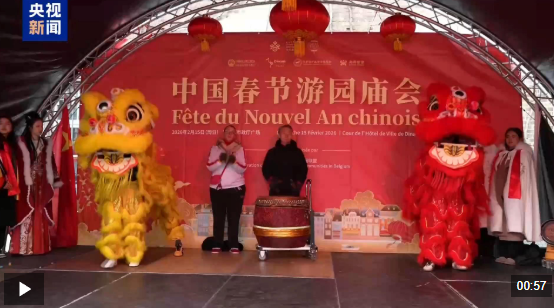
Group 1 - The event celebrating the Lunar New Year was held in Belgium and Canada, marking the arrival of the Year of the Horse [1][7] - The Chinese Embassy in Belgium collaborated with the Belgian Chinese community to organize a "Chinese New Year Garden Fair" in Dinant, Walloon Region, attended by nearly 5,000 participants including local officials and Chinese expatriates [3][5] - Over 20 booths were set up by local Chinese expatriates, students, and Chinese enterprises, featuring performances such as dragon and lion dances, traditional Chinese art, and cuisine, showcasing the richness of Chinese culture [5]
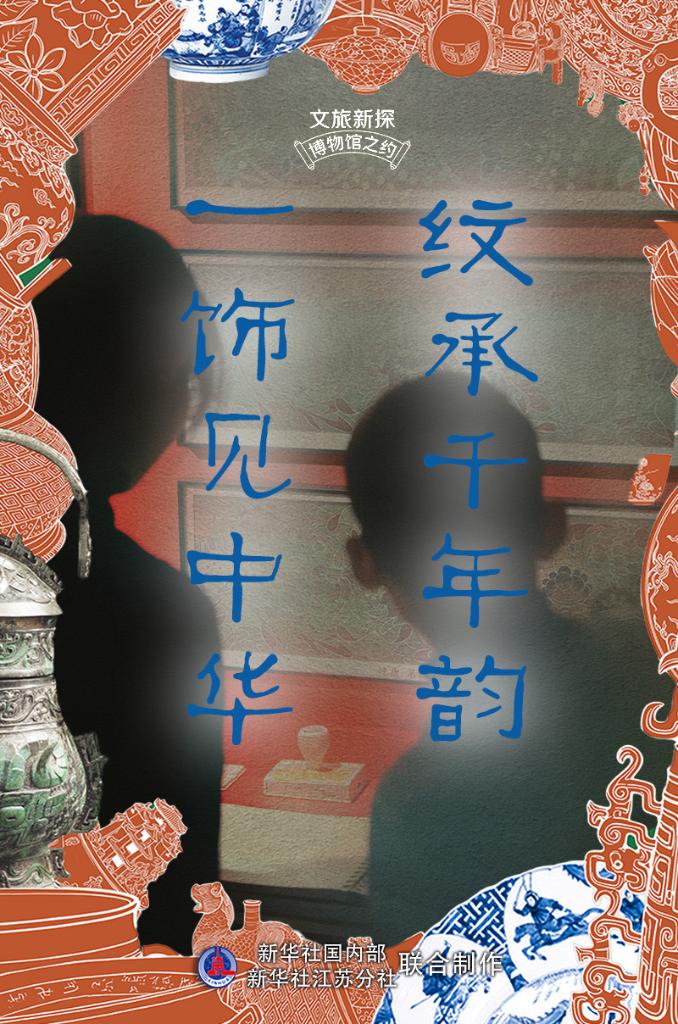
文旅新探·博物馆之约丨纹承千年韵,一饰见中华
Xin Lang Cai Jing· 2026-02-21 17:15
Core Viewpoint - The exhibition "Patterns of the Nine Provinces - Ancient Chinese Patterns and Designs" at the Jiangsu Wu Culture Museum showcases over 370 precious cultural relics from 29 cultural institutions across China, highlighting the evolution of patterns from the Neolithic era to the Ming and Qing dynasties, emphasizing the rich cultural heritage and aesthetic values of Chinese civilization [2][3][4]. Group 1 - The exhibition features a diverse range of artifacts including bronze, jade, gold and silver, ceramics, and clothing, allowing the public to experience the vibrant pulse of civilization through lines and colors [2]. - The exhibition is structured into four chapters: Qi, Li, Guang, and Hua, connecting the evolution of patterns across different materials and regions, facilitating a dialogue among various artistic expressions [2][4]. - The exhibition aims to be informative without the need for guides, providing detailed descriptions and historical contexts for each artifact, and showcasing the evolution of patterns through time [4]. Group 2 - The exhibition has attracted significant interest, with visitors returning multiple times due to the extensive information presented, indicating a high level of engagement with the content [4][5]. - The museum has integrated a stamp collection activity into the exhibition, allowing visitors to collect stamps based on the patterns displayed, enhancing the interactive experience [4][5]. - Since its opening on December 30, 2025, the exhibition has received 92,000 visitors, reflecting the public's enthusiasm for traditional culture and its connection to contemporary emotions and memories [5].
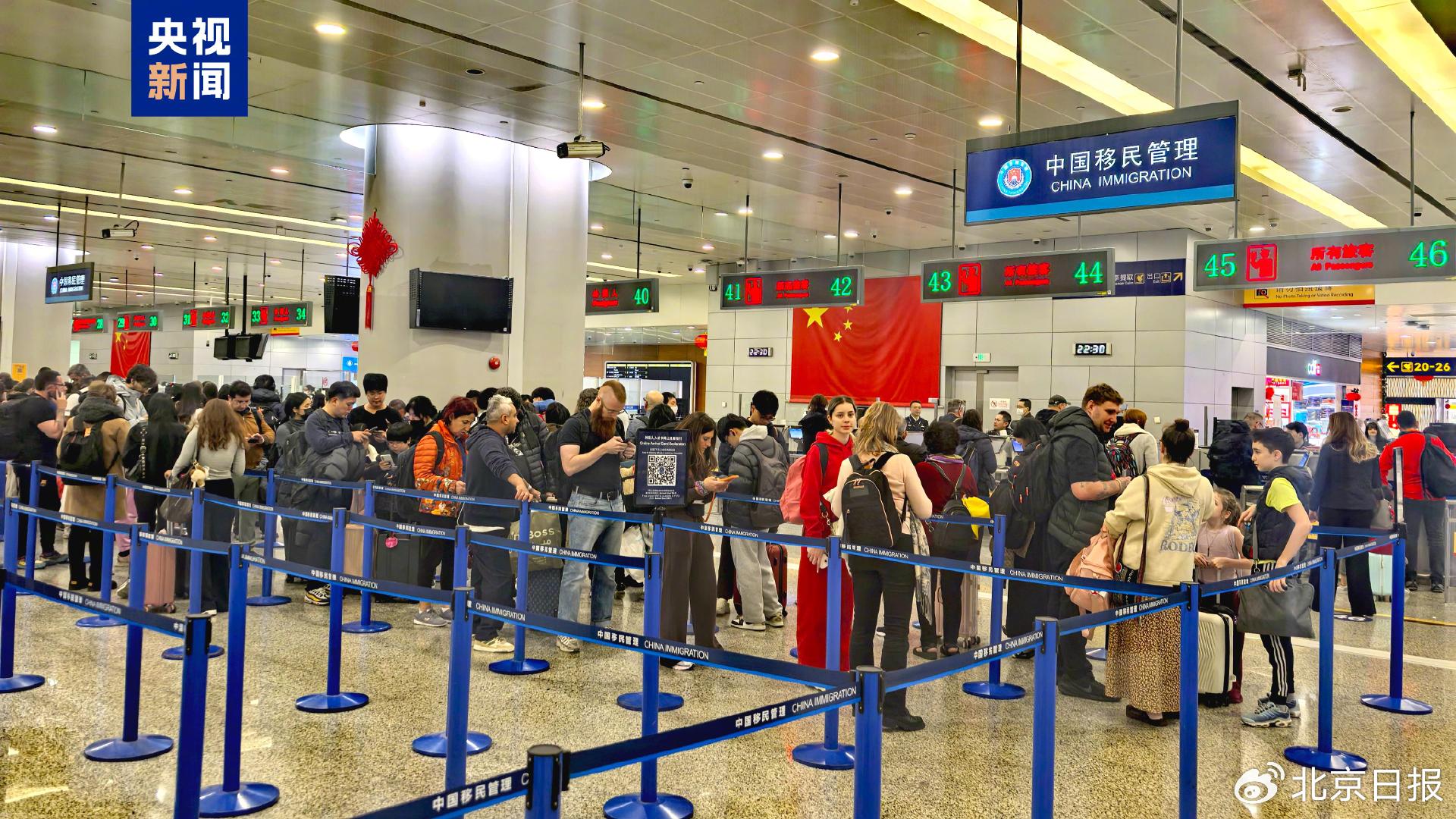
他们,“比中国人还中国人”
Xin Lang Cai Jing· 2026-02-21 07:59
Core Viewpoint - The influx of foreign tourists during this year's Spring Festival has significantly increased, with inbound travel orders doubling compared to the same period last year and flight bookings for foreign visitors rising over fourfold in the past two weeks [1][2]. Group 1: Tourist Experience - Foreign tourists are engaging deeply with Chinese traditions, participating in activities such as making dumplings, writing Spring Festival couplets, and experiencing local customs like traditional Chinese medicine and playing Mahjong [2]. - Many tourists are moving beyond typical tourist attractions, seeking immersive experiences that reflect authentic Chinese culture, such as experiencing the Spring Festival travel rush and exploring lesser-known sites [2]. Group 2: Cultural Trends - The term "Chinamaxxing" has gained popularity on social media, reflecting a growing trend of foreigners embracing Chinese culture and lifestyle, including practices like drinking hot water and practicing Tai Chi [5]. - The increasing interest in Chinese culture is supported by China's expanding openness and improved entry policies, making travel to China more accessible and enjoyable for international visitors [5]. Group 3: China's Global Image - China's economic and social development has created a safe and convenient environment that attracts global visitors, with advancements in technology and infrastructure enhancing the travel experience [6]. - According to the 2026 Global Soft Power Index, China is the only country among the top ten to see an increase in ranking, with many viewing it as a nation that fosters cultural resonance and connection [6]. Group 4: Cultural Exchange - The rising interest in Chinese culture is not seen as a top-down cultural export but rather as a grassroots cultural resonance, showcasing genuine and equal exchanges between civilizations [8]. - The blending of different cultural elements, such as combining traditional Chinese attire with modern styles, illustrates the dynamic nature of cultural interactions and the vitality of the "China fever" [8].
外国游客坐高铁体验春运
Xin Lang Cai Jing· 2026-02-21 07:58
Core Viewpoint - The article highlights the significant increase in foreign tourists experiencing Chinese New Year celebrations, showcasing the cultural appeal and unique charm of traditional customs in China [1] Group 1: Increase in Foreign Tourist Engagement - There is a notable rise in the concentration of foreign tourists in major cities during the Spring Festival, indicating a growing interest in Chinese cultural experiences [1] - Tourists are moving beyond typical attractions and are engaging in more immersive experiences, such as participating in the Spring Festival travel rush [1] Group 2: Cultural Appreciation and Unique Experiences - Foreign visitors are seeking authentic cultural experiences, demonstrating a deeper understanding of Chinese traditions, as evidenced by their specific inquiries about local customs and landmarks [1] - The article emphasizes that the Spring Festival serves as a powerful cultural brand, attracting tourists from various backgrounds and transcending language barriers [1]
线上线下都精彩,吴文化博物馆这样过春节
Xin Lang Cai Jing· 2026-02-21 03:54
Core Insights - The Wu Culture Museum has experienced a surge in visitor numbers during the Spring Festival, becoming a popular cultural destination in Suzhou [1][3]. Group 1: Exhibition Highlights - The museum launched a significant exhibition titled "Emblems of the Nine Provinces - Ancient Chinese Patterns and Designs," which has attracted a large audience due to its unique focus on the history of Chinese decorative patterns [3]. - This exhibition is the first of its kind in China, showcasing a rich collection of artifacts and providing a clear narrative that presents a vibrant feast of Chinese aesthetics [3]. Group 2: Visitor Engagement - The museum's special offerings, including limited edition tickets for 2026, themed stamps for the Year of the Horse, and a New Year horse-finding activity, have enhanced the festive atmosphere and cultural experience for visitors [3]. - A team of volunteers has been providing knowledgeable and engaging tours, helping visitors understand the historical context and cultural significance of the artifacts [6]. Group 3: Social Media Presence - The museum's popularity has extended to social media platforms like Xiaohongshu and Douyin, where visitors actively share images and stories about the exquisite artifacts and festive decorations [6]. - The museum's creative product area has seen significant interest, with many visitors purchasing various New Year-themed cultural products after their tours [7].

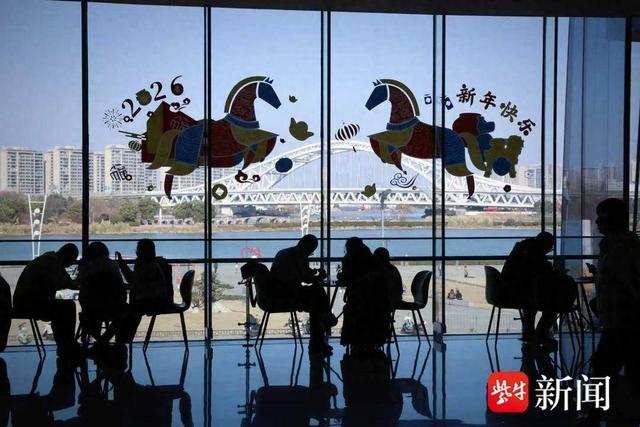
春节,一场不容错过的文化约会
Ren Min Ri Bao· 2026-02-20 22:27
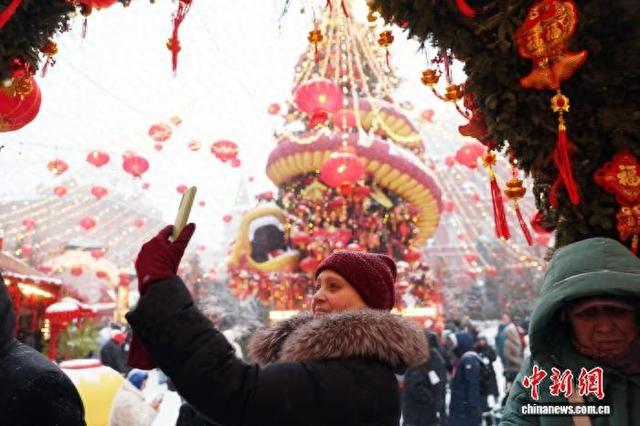
Core Viewpoint - Various countries are celebrating the Chinese Lunar New Year with diverse activities that showcase Chinese culture and promote understanding and friendship among nations, enhancing cultural ties [1][2][3] Group 1: Cultural Events - In Milan, Italy, the "China House" at the Winter Olympics features a robot welcoming guests and engaging in dance, highlighting the integration of sports and cultural festivities [1] - In Johannesburg, South Africa, a bionic dog at a Chinese New Year event impresses attendees, showcasing the technological aspect of the celebrations [1] - The "Joyful Spring Festival" event in Lima, Peru, attracts crowds to experience Chinese technology products, indicating a growing interest in Chinese brands [1] Group 2: International Engagement - In Moscow, Russia, the festive atmosphere includes traditional decorations and music, with local students expressing admiration for the richness of Chinese culture [2] - The Chinese New Year cultural fair in Indonesia promotes mutual understanding between the two nations through engaging activities [2] - In Ethiopia, a cultural exhibition featuring Zhejiang opera and interactive experiences receives enthusiastic responses, demonstrating the appeal of Chinese cultural performances [2] Group 3: Cultural Exchange and Education - The first Tang Poetry competition in Laos allows students to explore Chinese culture through poetry, reflecting a deepening interest in Chinese traditions [2] - The "Hanfu Spring Festival" in France showcases traditional Chinese clothing, with local officials emphasizing the importance of cultural narratives in understanding Chinese heritage [2] - In Saudi Arabia, a celebration at a Confucius Institute engages local youth with Chinese culture, fostering a joyful atmosphere [2]
东西问丨国际政要中文拜年,缘何越来越多?
Xin Lang Cai Jing· 2026-02-17 05:53
Group 1 - International political figures increasingly use Chinese to convey New Year greetings, reflecting a growing recognition of the significance of the Spring Festival globally [1][3] - The Spring Festival has evolved into a grand celebration participated by approximately one-fifth of the world's population, transcending geographical boundaries [3] - The use of Chinese greetings by international leaders signifies a deeper understanding and appreciation of Chinese culture, as seen in the thoughtful incorporation of cultural elements in their messages [3][8] Group 2 - The global interest in Chinese culture is evident, with over 200 million learners and users of the Chinese language worldwide, and 90 countries incorporating Chinese into their national education systems [8] - The engagement of international leaders with the Chinese community through New Year greetings sends a clear signal of the desire to maintain good relations with China, which is recognized as a significant partner in global economic stability [5][6] - The celebration of the Spring Festival by overseas Chinese communities serves as a vital link for Chinese culture to integrate into mainstream societies, enhancing cultural exchange [5][6]