金星毛尖

Search documents
酒行业周度市场观察:行业环境头部品牌动态投资运营产品技术营销活动-20260212
Ai Rui Zi Xun· 2026-02-12 07:03
Investment Rating - The report does not explicitly provide an investment rating for the industry Core Insights - The Chinese liquor industry is undergoing a structural adjustment characterized by a decline in production and a shift towards value competition, with a focus on consumer-centric strategies [3][5][8] - The rise of female consumers is reshaping the liquor market, with brands increasingly targeting this demographic through product innovation and marketing strategies [6][11] - The industry is witnessing a transformation from traditional consumption patterns to more diverse and experiential consumption scenarios, particularly during key periods like the Spring Festival [3][9] Industry Trends - The white liquor sector is experiencing a superficial prosperity that masks underlying issues such as reduced volume, lower prices, and shrinking profits, indicating a need for companies to adapt to changing consumer demands [3][5] - The past decade has seen a significant decline in liquor production, with white liquor down 74% and beer stabilizing at 35 million kiloliters, leading to a focus on brand value and cultural expression [5][8] - The emergence of new consumer segments, including younger and female consumers, is driving demand for lower-alcohol and health-oriented products, prompting brands to innovate [8][11] Market Dynamics - The Spring Festival of 2026 is marked by a late start in sales, a restructuring of consumption scenarios, and a cautious approach from distributors regarding inventory management [3][5] - High-end liquor prices are fluctuating, with brands like Moutai experiencing price increases due to strong demand, while mid-range and regional brands face inventory pressures [3][6] - The competition is intensifying as companies shift from a focus on volume to enhancing product quality and optimizing distribution channels [8][9] Brand Developments - Major brands are leveraging celebrity endorsements and cultural narratives to connect with younger consumers and enhance brand positioning [11][15] - Companies like Guizhou Dukang are expanding their national presence through cultural initiatives and product diversification, aiming to capture market share in high-potential regions [22][24] - The report highlights the importance of emotional marketing and cultural resonance in driving consumer engagement and brand loyalty [18][26]

食品饮料行业深度分析:金星啤酒“中式风味精酿”带来的启示
Sou Hu Cai Jing· 2026-02-09 15:43
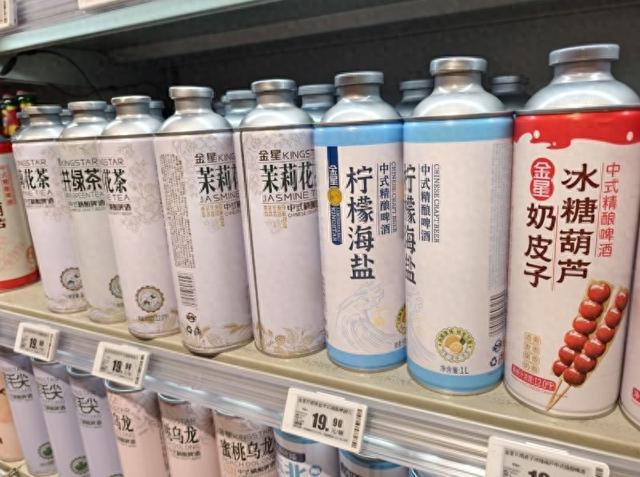
Group 1 - The report focuses on the transformation of Jin Xing Beer into a "Chinese-style craft beer" and analyzes the development logic and local characteristics of the craft beer industry in China, showcasing the transformation paths of regional beer companies and new industry trends [1][2] - Jin Xing Beer, a regional brewery with over 40 years of experience in Central China, successfully entered the craft beer market in 2024, launching tea-based craft beer products that significantly boosted its performance. By Q3 2025, the revenue share of these products reached 78.1%, increasing the overall gross margin from 27.3% in 2023 to 47.0% [1][9] - As of 2024, Jin Xing has become the eighth largest beer company in China and the largest flavor craft beer company, successfully transitioning from traditional industrial pale beer to high-margin craft beer [1][9] Group 2 - The report highlights that the development of the craft beer industry in China combines international commonalities and local characteristics. The growth of craft beer aligns with the global trend of compensatory consumption following high concentration in the beer industry, with the current CR5 in China reaching a high level [2][3] - Local characteristics are driven by flavor innovation and the re-industrialization of craft beer, with domestic companies holding market power. The rich resources of tea, fruits, and traditional Chinese medicine provide natural conditions for product innovation, as consumers prefer flavor-driven experiences [2][3] - Jin Xing's success is attributed to its industrialized craft beer approach, utilizing the 1258 brewing process and cold brew technology to ensure flavor stability, and establishing a product matrix that combines online retail and offline quality channels for nationwide penetration [2][3] Group 3 - The report clarifies the differences between lager, ale, industrial beer, and craft beer, and outlines the global development history and policy impacts on the craft beer industry. It notes that the current penetration rate of craft beer in China is still low, with consumption upgrades, the rise of new consumer groups, and cultural trends driving continued growth [3][9] - Jin Xing Beer has built a product matrix of "1+1+N," focusing on a core tea beer and various regional flavor craft beers, achieving a market share of 14.6% in the flavor craft beer segment and 3.1% in the overall craft beer market by Q3 2025 [29][30]


食品饮料行业:金星啤酒“中式风味精酿”带来的启示
GF SECURITIES· 2026-02-01 05:31
Investment Rating - The industry investment rating is "Buy" [2] Core Insights - The report highlights that Jin Xing Beer has successfully transitioned to the "Chinese-style craft beer" segment, achieving rapid revenue and net profit growth, with craft beer products accounting for 78.1% of total revenue by Q3 2025, and overall gross margin increasing from 27.3% in 2023 to 47.0% [6][24] - The report emphasizes the unique characteristics of the Chinese craft beer market, where local companies dominate and flavor-driven products lead growth, contrasting with the Western craft beer narrative [6][24] - Jin Xing Beer serves as a case study for the industry's shift from supply-side monopolies to demand-side growth, indicating a competitive landscape where smaller breweries explore new opportunities while larger firms make strategic decisions [6][24] Summary by Sections Section 1: Company Overview - Jin Xing Beer, located in Henan, has over 40 years of history and is the eighth largest beer company in China by retail sales as of 2024, with a significant focus on craft beer [15] - The company reported a revenue of 1.11 billion CNY and a net profit of 310 million CNY for Q3 2025, marking a year-on-year increase of 191% and 1096% respectively [15] Section 2: Insights from Jin Xing's "Chinese-style Craft Beer" - The report discusses the evolution of craft beer in China, noting that its growth is correlated with the maturity of industrial lager, reflecting a global trend where craft beer emerges as a compensatory consumption pattern in highly concentrated markets [6][24] - Jin Xing's approach to craft beer emphasizes flavor innovation, leveraging local ingredients and traditional practices, which aligns with consumer preferences for unique and personalized drinking experiences [6][24] Section 3: Financial Analysis of Leading Beer Companies - The report compares Jin Xing Beer with major beer companies, highlighting differences in scale, pricing, and profitability, with Jin Xing achieving higher prices per ton despite its smaller size [6][24] - Financial metrics indicate that Jin Xing's craft beer segment has a significant impact on its overall financial performance, showcasing the potential for growth in the craft beer market [6][24] Section 4: Investment Recommendations - The report suggests focusing on companies that are adapting to the demand-side changes in the beer industry, recommending Jin Xing Beer, Yanjing Beer, Chongqing Beer, and major players like China Resources Beer and Tsingtao Brewery for their strong dividend yields and potential for EPS growth in the craft beer segment [6][24]
海量财经丨利润两年增长24倍,上市前突击分红:金星啤酒IPO是“逆袭”还是“虚火”?
Sou Hu Cai Jing· 2026-01-20 05:52
Core Viewpoint - The rapid growth of Jin Xing Beer, driven by its innovative product "Jin Xing Mao Jian" tea beer, has led to significant financial improvements, but the company's aggressive dividend policy and family-controlled ownership structure raise concerns about sustainability and governance risks [1][3][6]. Financial Performance - Jin Xing Beer reported a net profit increase from 12.2 million yuan in 2023 to 125 million yuan in 2024, representing a growth of approximately 925%. By the first nine months of 2025, net profit surged to 305 million yuan, marking a 24-fold increase compared to the entire year of 2023 [1]. - Revenue skyrocketed from 356 million yuan in 2023 to 1.11 billion yuan in the first three quarters of 2025, reflecting a growth rate of 191.34%. The gross margin improved from 27.3% to 47.0%, and net margin increased from 3.4% to 27.5% [3][10]. Product Innovation - The core driver of Jin Xing Beer's growth is the launch of its tea beer product "Jin Xing Mao Jian" in August 2024, which combines Xinyang Maojian tea with beer brewing techniques. The product achieved sales of 6 tons on its first day and surpassed 100 million cans within 10 months, contributing nearly 80% of the company's revenue [3][10]. - In the first three quarters of 2025, this product generated 867 million yuan in revenue, accounting for 78.1% of total sales, significantly altering the company's revenue structure [3]. Market Context - Jin Xing Beer's growth is notable against the backdrop of a declining traditional beer market in China, where major players like China Resources and Qingdao are experiencing sales drops. The overall beer industry saw a 5.7% revenue decline [10]. - The craft beer market in China has grown significantly, with a market size exceeding 80 billion yuan in 2024 and a year-on-year growth rate of over 30%. Products incorporating Chinese elements, such as tea beer, have seen a substantial increase in market share [11]. Governance and Risks - The ownership structure of Jin Xing Beer is characterized by a "family fortress," with the Zhang family controlling 100% of the company. This raises concerns about governance and potential conflicts of interest [6][8]. - The company has engaged in aggressive dividend payouts, distributing 2.29 billion yuan before its IPO, which is 182.6% of the projected net profit for 2024. Such practices are rare and may indicate a focus on maximizing family interests [7][8]. - There are compliance issues regarding social insurance and housing fund contributions, with significant amounts owed in these areas, which could lead to legal risks [8]. Competitive Landscape - Despite its current leading position in the niche market of Chinese craft beer, Jin Xing Beer faces increasing competition from established brands like Qingdao and Budweiser, which are also entering the tea beer segment [11]. - The company holds only a 0.3% market share in the overall beer market, while its market share in the craft beer segment is 14.6%, highlighting a disparity in its competitive positioning [11].
河南父子卖啤酒 ,一年分红超3亿
Sou Hu Cai Jing· 2026-01-18 07:00
Core Viewpoint - The rapid growth of Henan Jinxing Brewery, driven by its innovative product "Jinxing Maojian," has positioned the company for an upcoming IPO, highlighting the shift in consumer preferences towards female-targeted beverages [2][4][12]. Financial Performance - Jinxing Brewery's revenue surged from 356 million yuan in 2023 to 730 million yuan in 2024, with a further increase to 1.11 billion yuan in the first nine months of 2025, marking a year-on-year growth rate of 191.34% compared to 2024 [2][6]. - The net profit skyrocketed from 12.2 million yuan in 2023 to 125 million yuan in 2024, reaching 305 million yuan in the first nine months of 2025, achieving a 24-fold increase over two years [7][6]. Product Development - The introduction of the "Jinxing Maojian" tea beer in August 2024 marked a significant turning point, with sales reaching 6 tons on the first day and exceeding 100 million cans (approximately 100,000 tons) within ten months [2][4]. - The company has expanded its product line to include 166 SKUs, with 50 being Chinese craft beers, contributing over 70% of revenue in the first nine months of 2025 [5][7]. Market Position - As of September 30, 2025, Jinxing Brewery has become the third-largest craft beer company in China and the largest flavored craft beer producer, holding a market share of 14.6% [2][12]. - The company has successfully tapped into the female consumer market, with over 50% of its core consumer base aged 18-35 being female, and this percentage increased to over 60% with the introduction of new flavors [2][4]. Strategic Initiatives - The company plans to utilize the funds raised from the IPO to upgrade production facilities, acquire capacity, and strengthen its national distribution network, particularly through partnerships with major e-commerce platforms [12][13]. - Jinxing Brewery aims to continue developing new products, including rice wine and non-alcoholic tea beer, while upgrading existing flavors to meet evolving consumer preferences [13].
金星啤酒闯港交所:父子绝对控股,2025分红2.29亿,茶啤赛道拥挤
Sou Hu Cai Jing· 2026-01-16 16:15
Core Viewpoint - Henan Jinxing Beer Co., Ltd. is attempting to break free from its regional brand status by pursuing an IPO on the Hong Kong Stock Exchange, aiming to enhance production capacity, global sales, marketing, and product innovation [3][4]. Group 1: Company Background and IPO Plans - Jinxing Beer, originally founded in 1983 as Dongfeng Brewery, has undergone significant transformations, including privatization and restructuring, culminating in its current status as a joint-stock company with 93.45% ownership by the founding family [3][4]. - The company has faced multiple setbacks in its IPO journey, with previous attempts in 2003 and 2011 failing due to ownership issues and financial challenges [4]. - The current IPO plan is seen as a critical step for Jinxing Beer to escape its regional brand limitations and is set against the backdrop of its 40th anniversary [4]. Group 2: Financial Performance and Challenges - Jinxing Beer declared a substantial dividend of 229 million yuan prior to its IPO, exceeding its net profit for 2024, raising concerns about cash flow and financial sustainability [4][5]. - The company has a history of underpaying employee social security and housing funds, accumulating over 20 million yuan in unpaid contributions, which could pose compliance risks [4][5]. Group 3: Market Position and Product Strategy - Jinxing Beer has carved out a niche in the "Chinese craft beer" segment by incorporating local tea flavors, leading to significant revenue growth from 356 million yuan in 2023 to 1.11 billion yuan in the first three quarters of 2025 [6][7]. - The company's traditional beer products have seen a decline in revenue share, with the "Chinese craft beer" category accounting for 78.1% of sales in 2025, highlighting a reliance on a single product line [6][7]. Group 4: Competitive Landscape - Jinxing Beer holds approximately 40% market share in Henan and has expanded its distribution network to cover 29 provinces, but faces increasing competition from national giants who are consolidating regional brands [8][9]. - The company’s supply chain is characterized by high supplier concentration, with over 30% of procurement from the top five suppliers, which poses potential risks [8]. - The tea beer category is becoming a competitive focal point, with major players like China Resources and Budweiser entering the market, making Jinxing Beer’s national expansion challenging [9].
「港股IPO观察」净利率从3%飙至27%!金星啤酒IPO亮出“暴利底牌”:中式精酿高定价能否抵御巨头围剿
Hua Xia Shi Bao· 2026-01-16 11:49
Core Viewpoint - Henan Jinxing Beer Co., Ltd. is embarking on an IPO journey in Hong Kong, aiming to enhance corporate governance, transparency, and secure capital for long-term product development and channel expansion [2][5]. Company Overview - Founded in 1982, Jinxing Beer has evolved from traditional beer to a focus on "Chinese craft beer," launching its first craft beer, Jinxing Maojian, in August 2024, which significantly boosted its performance [3][4]. - In 2023, the company reported revenues of 356 million yuan and a net profit of 12.2 million yuan, but by 2024, revenues surged to 730 million yuan, a 104.9% increase, with net profit reaching 125 million yuan, a 928% increase [3][4]. Financial Performance - For the first three quarters of 2025, Jinxing Beer achieved revenues of 1.11 billion yuan, a 191.2% increase year-on-year, and a net profit of 305 million yuan, a 1095.8% increase [3][4]. - The company has become the eighth largest in China's beer industry and the fifth largest domestic beer company, with a retail sales compound annual growth rate (CAGR) of 23.7% from 2022 to 2024 [4]. Product Pricing and Profitability - Jinxing Beer’s craft beer is priced significantly higher than traditional beers, with craft beer retail prices around 20 yuan per can (1L), compared to traditional beers priced between 2.5 yuan per can (330ml) and 6 yuan per bottle (500ml) [4]. - The gross margin has improved, with figures of 27.3%, 37.8%, and 47% for 2023, 2024, and the first three quarters of 2025, respectively, while net margins reached 3.4%, 17.2%, and 27.5% [4]. Market Position and Competition - Jinxing Beer faces increasing competition from major players like China Resources Beer and Yanjing Beer, which are expanding their craft beer offerings [6][9]. - The company relies heavily on distributors for sales, with 94.8% of its revenue coming from this channel, and has a network covering 29 provinces in China [7]. Strategic Outlook - The IPO is seen as a strategic move to strengthen Jinxing Beer’s market position amid intensifying competition, allowing for enhanced funding for innovation and brand development [5][9]. - The company aims to maintain its focus on Chinese craft beer while navigating the challenges posed by larger competitors and evolving market dynamics [8][9].
金星啤酒闯关港股,中式精酿黑马面临估值之问
2 1 Shi Ji Jing Ji Bao Dao· 2026-01-14 09:29
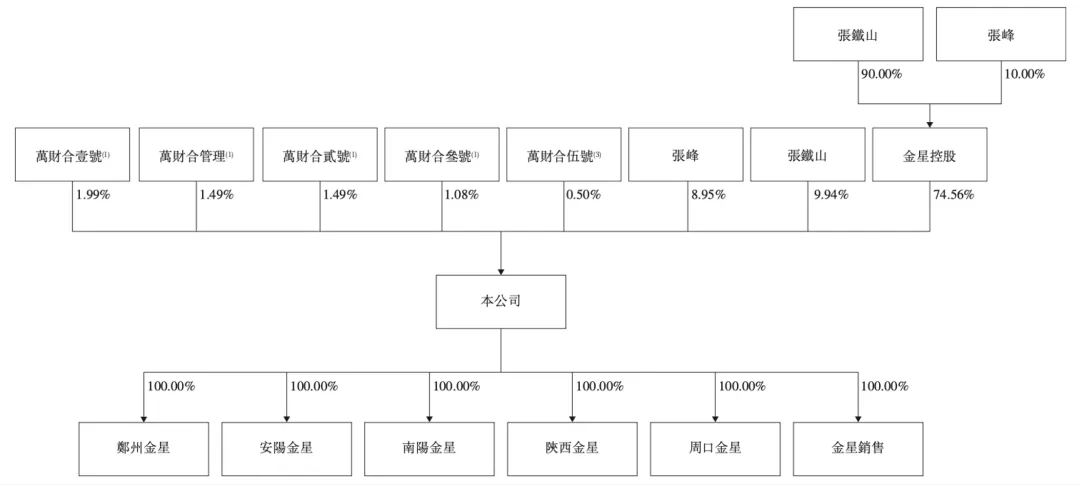
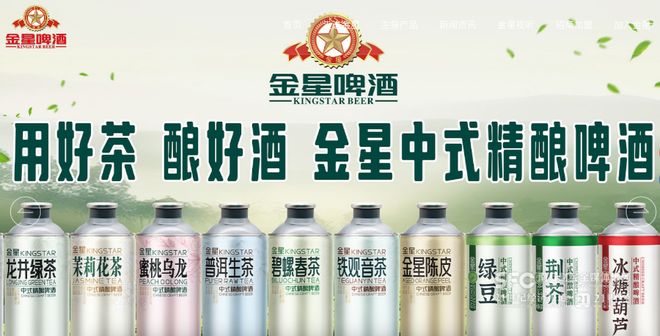
Core Viewpoint - Henan Jinxing Beer Co., Ltd. has submitted its listing application to the Hong Kong Stock Exchange, marking its official entry into the public market, with a focus on its innovative "Chinese craft beer" products that have driven significant revenue growth [1][2]. Company Overview - Founded in 1982, Jinxing Beer has evolved from a regional brand to the eighth largest beer company in China, and the fifth largest domestic beer producer [1][2]. - The company has experienced a transformation in the past two years, particularly with the launch of its innovative products like "Jinxiang Maojian," which has contributed to its rapid growth [5][7]. Financial Performance - Jinxing Beer reported revenues of 356.4 million yuan in 2023, projected to reach 730.2 million yuan in 2024, and 1.109 billion yuan for the first nine months of 2025, with net profits increasing from 12.2 million yuan in 2023 to 305.3 million yuan in 2025 [2][7]. - The revenue contribution from "Chinese craft beer" has surged to 78.1% by the first three quarters of 2025, compared to 0% in 2023 [7][10]. Market Position - Despite its growth, Jinxing Beer still lags behind major competitors, with the sixth largest competitor, Zhujiang Beer, generating over 5 billion yuan in revenue, significantly more than Jinxing Beer [8][9]. - The company aims to maintain a growth rate above the industry average to close the gap with leading brands [8]. Product Innovation - Jinxing Beer has successfully created a new category of "Chinese craft beer," with over 50 SKUs, including unique flavors like ice sugar hawthorn and sugar orange [5][10]. - The pricing strategy for "Chinese craft beer" is significantly higher, with products priced around 20 yuan per can, compared to traditional products priced between 3 to 6 yuan [10][11]. Market Sentiment and Valuation - The capital market's interest in alcoholic beverage stocks is currently low, which may affect Jinxing Beer's valuation despite its growth potential [15][16]. - Comparatively, Jinxing Beer is expected to achieve a higher valuation than its peers in the Hong Kong market due to its growth trajectory and innovative product offerings [14]. Distribution and Sales Channels - Jinxing Beer relies heavily on traditional distribution channels, with over 90% of its revenue coming from offline sales, indicating a need for further development in e-commerce and direct sales [17]. - The company has expanded its distribution network to 29 provinces, but still faces competition from established brands in the market [18]. Ownership Structure - The largest shareholder of Jinxing Beer is Jinxing Holding Group, which holds 74.56% of the company, with key figures Zhang Tieshan and Zhang Feng holding significant stakes [19].
金星啤酒递表港交所 为中国最大的风味精酿啤酒企业
Zhi Tong Cai Jing· 2026-01-14 01:52
Core Viewpoint - Henan Jinxing Brewery Co., Ltd. has submitted a listing application to the Hong Kong Stock Exchange, with CITIC Securities and Bank of China International as joint sponsors [1] Company Overview - Jinxing Brewery is a leading craft beer company focused on brewing uniquely flavored Chinese beers. According to Zhi Shi Consulting, it ranks as the eighth largest brewery in China by retail sales for the year 2024 and is the fifth largest domestic brewery [3] - In the craft beer segment, the company is the third largest craft brewery in China and the largest flavored craft beer producer, holding a market share of 14.6% [4] Product Portfolio - The product range includes easy-to-drink lager and wheat beers, featuring series such as pure draft, original brew, and white beer. The company has also launched Chinese craft beers, including innovative tea-flavored products like jasmine tea and Jinxing Maojian [4] - As of September 30, 2025, the company offers 50 SKUs of Chinese craft beer, contributing 78.1% of its revenue for the nine months ending September 30, 2025 [4] Financial Performance - The company reported revenues of RMB 356.405 million, RMB 730.164 million, and RMB 1,109.744 million for the years ending December 31, 2023, 2024, and the nine months ending September 30, 2025, respectively [7] - The gross profit margins for the same periods were 27.3%, 37.8%, and 47% [8] Industry Overview - The Chinese beer market has grown from RMB 604.3 billion in 2019 to an expected RMB 734.7 billion in 2024, with a compound annual growth rate (CAGR) of 4.0%. It is projected to reach RMB 929.3 billion by 2029, with a CAGR of 4.8% from 2024 to 2029 [10] - The craft beer market in China has seen rapid growth, with its size increasing from RMB 12.5 billion in 2019 to RMB 63.2 billion in 2024, achieving a CAGR of 38.4% [12] - The flavored craft beer market has also expanded significantly, growing from RMB 1.5 billion in 2019 to RMB 11.1 billion in 2024, with a CAGR of 49.3% [14] Market Position - By retail sales, Jinxing Brewery ranks as the eighth largest brewery in China and the fifth largest domestic brewery as of September 30, 2025. It is the fastest-growing company among the top ten breweries in China, with a retail sales CAGR of 23.7% from 2022 to 2024 [15][17]
新股消息 | 金星啤酒递表港交所 为中国最大的风味精酿啤酒企业
Zhi Tong Cai Jing· 2026-01-14 00:37
Core Viewpoint - Henan Jinxing Beer Co., Ltd. has submitted a listing application to the Hong Kong Stock Exchange, with CITIC Securities and Bank of China International as joint sponsors [1] Company Overview - Jinxing Beer is a leading craft beer company focused on brewing uniquely flavored beers with a Chinese twist. It ranks as the eighth largest beer company in China and the fifth largest domestic beer company based on retail sales for the year ending September 30, 2025 [4] - In the craft beer segment, it is the third largest craft beer company in China and the largest flavored craft beer company, holding a market share of 14.6% [4] - The product range includes easy-to-drink lager and wheat beers, as well as innovative Chinese craft beers like jasmine tea and Jinxing Maojian [4] - As of September 30, 2025, the company offers 50 SKUs of Chinese craft beer, contributing 78.1% of its revenue for the nine months ending September 30, 2025 [4] Distribution Network - Following the launch of its Chinese craft beers, the company has established a network of over 1,000 specialized distributors, complementing the traditional beer distribution system. By September 30, 2025, the distribution network covers 29 provinces nationwide [5] Financial Performance - Revenue for the company was approximately RMB 356.4 million in 2023, RMB 730.2 million in 2024, and RMB 1.11 billion for the nine months ending September 30, 2025 [7] - Profit figures for the same periods were approximately RMB 12.2 million, RMB 125.4 million, and RMB 305.3 million respectively [8] - The gross profit margin improved from 27.3% in 2023 to 47% in 2025 [11] Industry Overview - The Chinese beer market has grown from RMB 604.3 billion in 2019 to an expected RMB 734.7 billion in 2024, with a compound annual growth rate (CAGR) of 4.0%. It is projected to reach RMB 929.3 billion by 2029, with a CAGR of 4.8% from 2024 to 2029 [13] - The craft beer market in China has seen rapid growth, with its size increasing from RMB 12.5 billion in 2019 to RMB 63.2 billion in 2024, achieving a CAGR of 38.4%. It is expected to maintain a CAGR of 23.6% from 2024 to 2029 [15] - The flavored craft beer market has also expanded significantly, growing from RMB 1.5 billion in 2019 to RMB 11.1 billion in 2024, with a CAGR of 49.3%. It is anticipated to reach RMB 66 billion by 2029, with a CAGR of 42.8% from 2024 to 2029 [16] Competitive Position - Jinxing Beer ranks as the eighth largest beer company in China and the fifth largest domestic beer company as of September 30, 2025. It is the fastest-growing company among the top ten beer companies in China, with a retail sales CAGR of 23.7% from 2022 to 2024 [18]