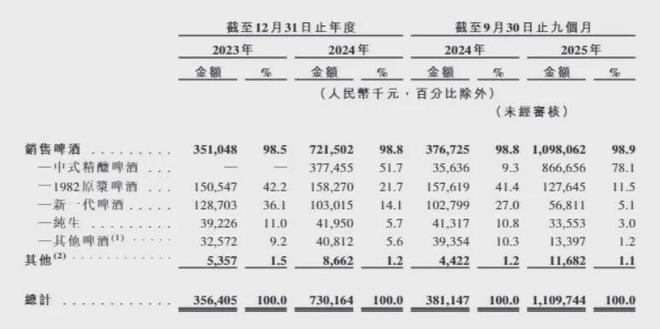
中式精酿啤酒

Search documents
国联民生食饮:精酿啤酒行业专题报告:金星啤酒招股书梳理-20260226
Guolian Minsheng Securities· 2026-02-26 07:50
Investment Rating - The report indicates a positive investment outlook for the craft beer industry, highlighting its structural prosperity and growth potential [3]. Core Insights - The craft beer sector in China is experiencing significant growth, with a projected market size increase from 125 billion yuan in 2019 to 632 billion yuan by 2024, reflecting a CAGR of 38.3%, which is substantially higher than the 2.6% growth of industrial beer [3][10]. - The report emphasizes that craft beer represents a high-end direction in the industry, catering to the diverse and personalized consumption trends in the Chinese market [3][11]. - The company, Jinxing Beer, is positioned as a leading player in the craft beer segment, ranking as the third largest craft beer producer in China with a market share of 14.6% as of Q3 2025 [3][31]. Summary by Sections 1. Craft Beer Industry Overview - The craft beer market in China is projected to grow from 632 billion yuan in 2024 to 1,821 billion yuan by 2029, maintaining a CAGR of 23.6% [3][10]. - By 2024, craft beer is expected to account for 9% of the total beer market by retail value, increasing to 20% by 2029 [3][10]. 2. Jinxing Beer: A New Force in Craft Beer - Jinxing Beer is the eighth largest beer company in China and the largest flavored craft beer producer, focusing on innovation within the craft segment [3][31]. - The company has seen rapid revenue growth, with projected revenues of 3.6 billion yuan in 2023, 7.3 billion yuan in 2024, and 11.1 billion yuan in Q1-Q3 2025, reflecting year-on-year growth rates of 105% and 191% respectively [3][39]. 3. Revenue Growth and Profitability - The company's revenue from craft beer reached 8.7 billion yuan in Q1-Q3 2025, accounting for 78% of total revenue, with a staggering year-on-year growth of 2,332% [3][39]. - The net profit margin has improved significantly, with net profit margins of 3.4%, 17.2%, and 27.5% for 2023, 2024, and Q1-Q3 2025 respectively [3][48]. 4. Competitive Landscape - The craft beer market is characterized by a fragmented competitive landscape, with a CR5 of only 22%, indicating significant opportunities for growth and market entry [3][18]. - Jinxing Beer leads the flavored craft beer segment with a market share of 15% [3][18]. 5. Product and Market Strategy - Jinxing Beer has developed a diverse product matrix, including innovative craft beers that incorporate traditional Chinese elements, such as tea flavors [3][31]. - The company has adopted a dual-channel strategy, enhancing both online and offline sales, with significant growth in online sales following the launch of its craft beer products [3][40]. 6. Financial Analysis - The report highlights a strong improvement in gross margins, driven by a shift in product mix towards higher-margin craft beers, with gross margins increasing from 27.3% in 2023 to 47.0% in Q1-Q3 2025 [3][48]. - The company plans to utilize raised funds for production capacity expansion, brand enhancement, and product innovation to sustain growth [3][59].
大爆发!“组团”来了:君乐宝、钱大妈、袁记食品......知名消费企业掀港股上市潮
Zhong Guo Ji Jin Bao· 2026-01-31 06:58
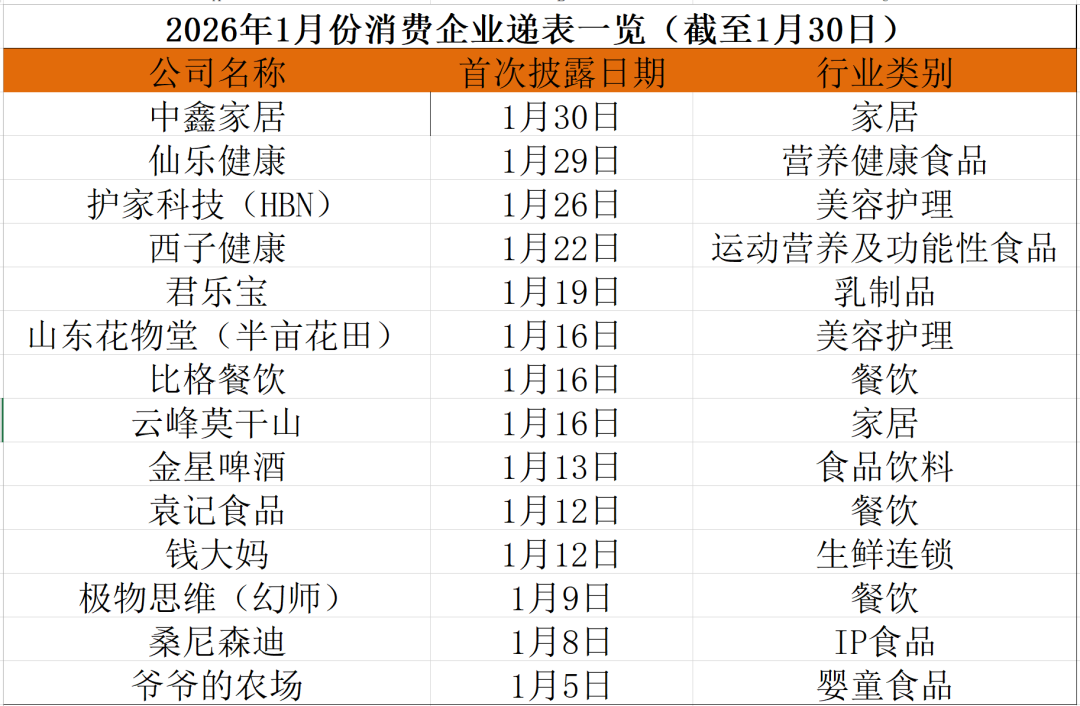
Core Viewpoint - The Hong Kong capital market is experiencing a surge in listings from consumer companies, with notable firms like Junlebao, Qian Dama, and Yuanji Food preparing to go public, indicating a strategic move amidst a challenging domestic consumption environment [1][5]. Group 1: Market Trends - In early 2026, 14 consumer companies have disclosed H-share prospectuses, a significant increase compared to the same period in 2025 [1]. - The IPO of Dongpeng Beverage, expected to raise HKD 10 billion, marks the largest IPO in the Asian beverage sector in recent years [1]. - The trend of consumer companies going public in Hong Kong reflects a strategic response to various market conditions, including policy support and capital market changes [5][6]. Group 2: Company Highlights - Junlebao, a leading player in the dairy industry, aims to raise funds for factory construction, capacity expansion, brand marketing, and digital transformation, with annual revenue around RMB 20 billion [2]. - Jin Xing Beer, a traditional brewery, has shown explosive growth, with revenue increasing from RMB 356 million to RMB 1.109 billion and net profit soaring from RMB 12 million to RMB 305 million over two years [3]. - The emerging beauty brand Banmu Huatian is also pursuing a Hong Kong listing to enhance R&D and brand development in a competitive market [3]. Group 3: Factors Driving Listings - Policy support from the Chinese government has facilitated the process for consumer companies to list in Hong Kong, with measures introduced to encourage leading firms to access capital markets [5][6]. - The shift towards Hong Kong listings is also driven by tightening A-share market conditions for consumer companies, making Hong Kong a more attractive option for capital raising [6]. - The influx of venture capital and private equity into emerging consumer firms has created pressure for exits, making public listings a viable path for capital recovery [7]. Group 4: Market Performance and Challenges - There is a noticeable divergence in stock performance among consumer companies listed in Hong Kong, with some achieving high valuations while others struggle post-IPO [8][9]. - The market favors companies with strong brand presence and visible cash flow, while smaller brands face liquidity discounts due to lack of profitability [9]. - Successful expansion in the consumer sector requires matching growth with profitability, as merely increasing store numbers is no longer sufficient to attract capital [9].
大爆发!“组团”来了:君乐宝、钱大妈、袁记食品、金星啤酒、比格餐饮......知名消费企业掀港股上市潮,资本、市场与政策共振的必然结果
Zhong Guo Ji Jin Bao· 2026-01-31 05:35
Core Viewpoint - The surge of consumer companies listing on the Hong Kong Stock Exchange (HKEX) in early 2026 is driven by a combination of capital demands, market conditions, and favorable policy environments, marking a significant trend in the consumer sector [1][8]. Group 1: Listing Trends - Major consumer companies such as Mingming Hen Mang and Dongpeng Beverage have recently completed their IPOs, with Dongpeng raising an estimated HKD 10 billion, setting a record for the Asian beverage industry [1][4]. - As of January 30, 2026, 14 consumer companies have disclosed their H-share prospectuses, indicating a notable increase compared to the same period in 2025 [2][4]. - The trend includes a diverse range of sectors, including food and beverage, beauty care, and home goods, showcasing a multi-faceted approach to capitalizing on market opportunities [4][6]. Group 2: Company Highlights - Junlebao, a leading dairy brand, aims to raise funds for factory construction, capacity expansion, and brand marketing, with an annual revenue of approximately CNY 20 billion [4]. - Jinxing Beer, known for its craft beer, reported a revenue increase from CNY 356 million to CNY 1.109 billion from 2023 to the first nine months of 2025, with net profit soaring from CNY 12 million to CNY 305 million, marking a 2400% increase [5]. - Other notable companies like Qian Dama and Yuanji Food are also advancing their listing processes, reflecting a broader trend of consumer companies seeking capital to support growth and expansion [4][6]. Group 3: Market Dynamics - The favorable policy environment, including measures from the China Securities Regulatory Commission to support leading enterprises in listing in Hong Kong, has facilitated this trend [8]. - The recovery of the HKEX since 2025 has made it an attractive option for consumer companies, with over one-third of new listings in the first half of 2025 being consumer-related [9]. - The internal pressures for capital and the need for significant funding to support growth strategies are driving companies to pursue listings as a means of capitalizing on market opportunities [9][10]. Group 4: Valuation and Market Performance - There is a noticeable divergence in stock performance among consumer companies listed on the HKEX, with some achieving high valuations while others struggle post-IPO [11][12]. - The market favors companies with strong brand presence and visible cash flow, while smaller brands face liquidity discounts due to lack of profitability [12]. - The ability to expand internationally and enhance operational efficiency is becoming increasingly important for valuation in the consumer sector [12].

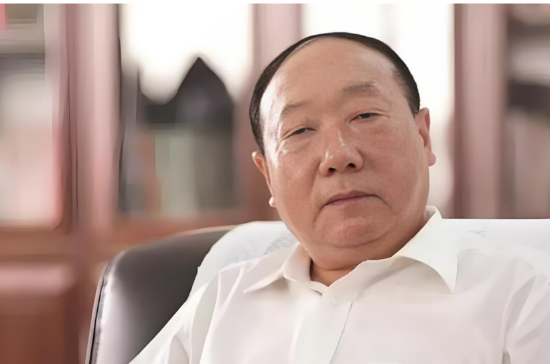
“掏空式”分红? 金星啤酒闯港股:父子持股超90%、刚因侵权被整改 | 酒业内参
Xin Lang Cai Jing· 2026-01-23 00:59
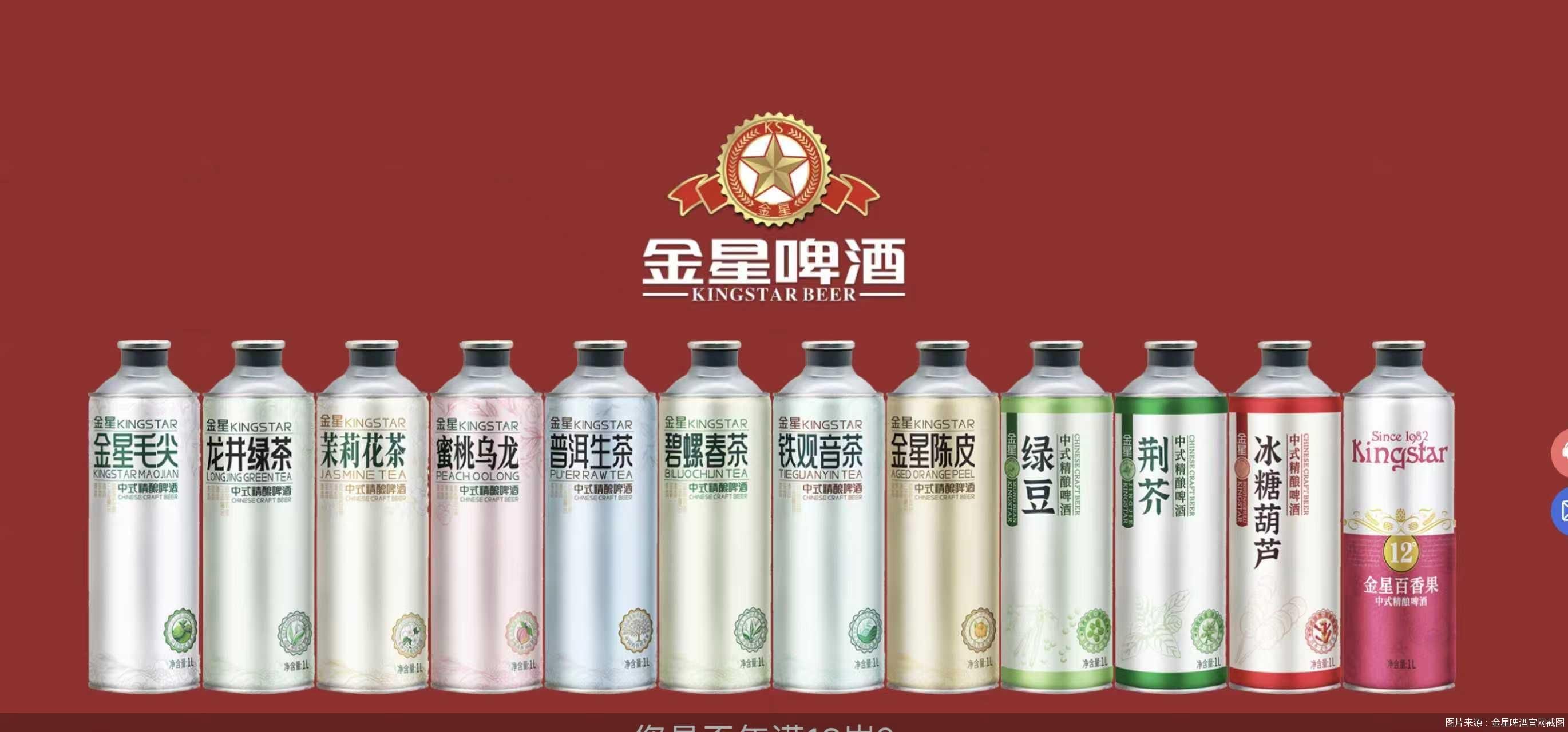
Core Viewpoint - Jin Xing Beer, known as the "first stock of Chinese craft beer," has submitted its listing application to the Hong Kong Stock Exchange, but it faces multiple hidden risks behind its rapid growth [2][17]. Group 1: Revenue Structure and Growth - Jin Xing Beer relies heavily on its "Chinese craft beer," which accounts for 78.1% of its total revenue, indicating a high dependency on a single product line [2][22]. - The company has experienced rapid revenue growth since entering the Chinese craft beer market in 2024, with revenues reported at 356 million yuan, 730 million yuan, and 1.11 billion yuan for the years 2023, 2024, and the first nine months of 2025, respectively [19][22]. - The net profit for the same periods was 12 million yuan, 125 million yuan, and 305 million yuan, with net profit margins increasing from 3.4% to 27.5% [19][22]. Group 2: Market Position and Challenges - Jin Xing Beer has struggled with product diversification, having previously attempted to explore younger product lines and cross-industry ventures without success [3][18]. - The brand's current consumer base is predominantly female (60%), with 70% of purchases occurring in narrow social settings like home drinking and gatherings, limiting its market reach [2][8]. - The rapid emergence of similar products in the market has led to a decrease in consumer repurchase rates, as the novelty of flavors diminishes [8][24]. Group 3: Ownership and Governance Issues - The ownership structure of Jin Xing Beer is highly concentrated, with the founder Zhang Tieshan and his son Zhang Feng holding over 90% of the shares, which raises concerns about governance and decision-making flexibility [9][25]. - Prior to the IPO, the father-son duo executed three significant dividend payouts totaling 329 million yuan, which is notable given that the net profit for the first nine months of 2025 was only 305 million yuan [11][28]. - This concentrated ownership structure has led to criticisms of potential "value extraction" from the company, as the dividends primarily benefit the controlling shareholders [11][28]. Group 4: Legal and Compliance Issues - Jin Xing Beer has faced legal challenges, including a recent incident involving trademark infringement related to the "Xinyang Maojian" brand, which required the company to rectify its use of the trademark [29][30]. - The company has also been reported to have significant unpaid social insurance and housing fund contributions, amounting to 21.9 million yuan, raising concerns about employee welfare [29].
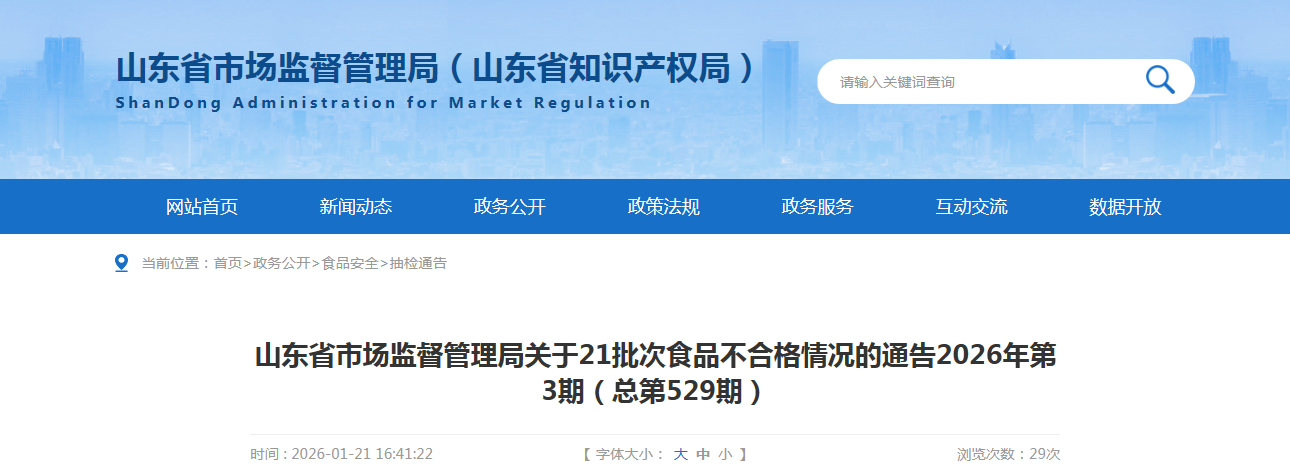
山东省市场监督管理局关于21批次食品不合格情况的通告(2026年第3期)
Xin Lang Cai Jing· 2026-01-22 06:52
Summary of Key Points Core Viewpoint - The Shandong Provincial Market Supervision Administration reported that out of 1814 food samples tested, 1793 were qualified while 21 were found to be unqualified, highlighting ongoing efforts to ensure food safety in the region [3][4]. Group 1: Inspection Results - A total of 1814 food samples were inspected, with 1793 passing the safety standards, resulting in a compliance rate of approximately 98.84% [3]. - 21 batches of food products were identified as unqualified, prompting local market supervision authorities to take action [3]. Group 2: Actions Taken - Local market supervision departments have ordered producers to trace the distribution of the unqualified products, initiate recalls, and remove them from shelves to mitigate risks [3]. - The authorities are also conducting investigations to analyze the causes of the non-compliance and implement corrective measures [3]. Group 3: Consumer Guidance - Consumers are advised to report any unqualified products they encounter in the market by calling the hotline 12345 [4].
携“中式精酿”令牌 金星啤酒“瘸腿”赶考IPO
Bei Jing Shang Bao· 2026-01-20 14:51
Core Viewpoint - Jin Xing Beer is preparing to list on the Hong Kong Stock Exchange, marking a significant step in its long journey towards capital market entry, driven by the rising trend of Chinese craft beer [1][3][4]. Group 1: Company Background and Listing Journey - Jin Xing Beer has been pursuing its IPO dream for over 20 years, transitioning from a village-run factory to a family-controlled enterprise, with the current listing attempt seen as a turning point [3][4]. - The company has previously attempted to go public twice, with the first attempt in 2003 and a second in 2011, both of which were unsuccessful due to various historical and strategic issues [8][10]. - The current listing application is supported by a clearer business direction focused on Chinese craft beer, which has shown strong profitability, unlike previous attempts that relied on traditional beer [10][12]. Group 2: Financial Performance and Business Model - Jin Xing Beer reported that its craft beer segment generated revenue of 867 million yuan in the first three quarters of 2025, accounting for 78.1% of total revenue, while traditional beer segments saw a decline in revenue [4][5]. - The reliance on a single product category, craft beer, has raised concerns about the company's revenue structure's vulnerability, as traditional beer revenues have decreased significantly [5][12]. - Industry experts predict that craft beer may only represent 5%-8% of total beer consumption, indicating potential challenges for Jin Xing Beer if consumer preferences shift [5][12]. Group 3: Governance and Ownership Structure - The ownership structure of Jin Xing Beer has become more concentrated, with the Zhang family controlling 93.45% of the company, which raises concerns about family governance post-IPO [12][13]. - The company has faced issues related to cash distribution, having conducted significant dividend payouts prior to the IPO, which could impact liquidity if the IPO does not proceed as planned [14][15]. - There are compliance risks associated with the company's failure to fully pay social insurance and housing funds for employees, which may attract regulatory scrutiny [15].
金星啤酒冲刺中式精酿第一股:高增长VS依赖症,“单腿狂奔”能走多久?
Zhi Tong Cai Jing· 2026-01-19 02:31
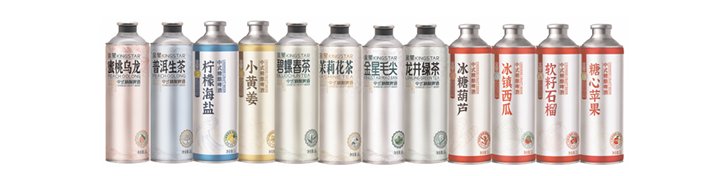
Core Insights - The Chinese craft beer market is experiencing significant growth, with retail sales expected to rise from 12.5 billion yuan in 2019 to 63.2 billion yuan by 2024, representing a compound annual growth rate (CAGR) of 38.4% [1] - The market is projected to continue expanding rapidly, with an estimated CAGR of 23.6% from 2024 to 2029, potentially reaching 182.1 billion yuan by 2029 [1] Industry Overview - The Chinese beer market is categorized into industrial and craft beer, with craft beer facing broader growth opportunities [1] - The overall beer consumption in China has been declining since peaking in 2013, leading to a focus on high-end, quality, and diverse products [3] - Craft beer has become one of the fastest-growing segments in the beverage alcohol category, with a market size CAGR exceeding 30% in recent years [3] Company Performance - Jinxing Beer has positioned itself as a leader in the craft beer segment by focusing on "Chinese craft beer," utilizing unique ingredients like tea, local fruits, and traditional medicinal foods [3] - The company has seen explosive growth in revenue and net profit, with revenues of 356 million yuan, 730 million yuan (105% YoY growth), and 1.11 billion yuan (191% YoY growth) from 2023 to the first three quarters of 2025 [4] - Net profits for the same period were 12 million yuan, 125 million yuan (941% YoY growth), and 305 million yuan (144% YoY growth) [4] Product Innovation - Jinxing Beer has developed a diverse product matrix with 166 SKUs, including 50 craft beer SKUs that contributed 78.1% of revenue in the first nine months of 2025 [3] - The company's focus on product differentiation has led to higher gross margins, with gross margins of 27.3%, 37.8%, and 47% for 2023, 2024, and the first nine months of 2025, respectively [5] Competitive Landscape - Despite its growth, Jinxing Beer faces significant competition in the craft beer market, with traditional beer giants and new entrants adopting low-price strategies [6] - The company ranks fifth in the craft beer industry by retail sales in 2024 and is the third-largest craft beer company as of the first nine months of 2025 [6] Risks and Challenges - Jinxing Beer heavily relies on its craft beer segment, with nearly 80% of its revenue coming from this category, which poses risks if market interest wanes or competition intensifies [7] - The company's growth and risk management are closely tied to the performance of its craft beer products, highlighting the need for diversification to mitigate potential downturns [7]
新股前瞻|金星啤酒冲刺中式精酿第一股:高增长VS依赖症,“单腿狂奔”能走多久?
智通财经网· 2026-01-19 02:12
Core Insights - The Chinese craft beer market is experiencing significant growth, with retail sales expected to rise from 12.5 billion yuan in 2019 to 63.2 billion yuan by 2024, reflecting a compound annual growth rate (CAGR) of 38.4% [1] - The market is projected to continue expanding rapidly, with an estimated CAGR of 23.6% from 2024 to 2029, potentially reaching 182.1 billion yuan by 2029 [1] Industry Overview - The Chinese beer market is categorized into industrial and craft beer, with craft beer facing broader growth opportunities [1] - The overall beer consumption in China has been declining since peaking in 2013, leading to a focus on high-end, quality, and diverse products [3] - Craft beer has become one of the fastest-growing segments in the beverage alcohol category, with a market size CAGR exceeding 30% in recent years [3] Company Performance - Jinxing Beer has positioned itself as a leader in the craft beer segment by focusing on "Chinese craft beer," utilizing unique ingredients like tea, local fruits, and traditional medicinal foods [3] - The company has seen rapid growth, ranking as the fastest-growing among the top five craft beer companies in China from 2022 to 2024 [3] - Jinxing Beer reported revenues of 356 million yuan, 730 million yuan (105% YoY growth), and 1.11 billion yuan (191% YoY growth) for the years 2023 to 2025 [4] - Net profits for the same period were 12 million yuan, 125 million yuan (941% YoY growth), and 305 million yuan (144% YoY growth) [4] Financial Metrics - The gross margin for Jinxing Beer has improved significantly, with rates of 27.3%, 37.8%, and 47% for the years 2023, 2024, and the first nine months of 2025, respectively [5] - The net profit margin has also increased, reaching 3.4%, 17.2%, and 27.5% for the same periods [5] Competitive Landscape - Despite its growth, Jinxing Beer faces competition from traditional beer giants and new entrants in the craft beer market, which could pressure its market position [6][7] - The company relies heavily on its craft beer segment, with nearly 80% of its revenue coming from this category, raising concerns about its long-term growth stability [7] - The competitive landscape is characterized by a fragmented market, with established players beginning to enter the craft beer space [6]
金星啤酒冲刺港股:中式精酿贡献近八成收入,去年分红超3亿元
Cai Jing Wang· 2026-01-16 10:39
Core Viewpoint - Jin Xing Beer is accelerating its capitalization process by applying for a listing on the Hong Kong Stock Exchange, aiming to become the first "Chinese craft beer" stock in Hong Kong [1] Company Overview - Founded in 1982, Jin Xing Beer has established 15 production bases across 9 provinces in China, with an annual production capacity of 2 million tons [1] - The company’s main products include various series of Chinese craft beer, including "Jin Xing Mao Jian," which combines tea with brewing techniques, and has expanded to flavors like jasmine tea and sugar orange [1] Financial Performance - Jin Xing Beer reported revenues of 356 million RMB, 730 million RMB, and 1.11 billion RMB for the years 2023, 2024, and the first three quarters of 2025, respectively [2][3] - The profit and total comprehensive income for the same periods were 12.2 million RMB, 125 million RMB, and 305 million RMB, with gross margins increasing from 27.3% to 47.0% [2] Product Contribution - In 2024, the revenue from Chinese craft beer reached 377 million RMB, accounting for 51.7% of total revenue, which increased to 867 million RMB and 78.1% in the first nine months of 2025 [4] - Other product categories, such as the 1982 original beer and new generation beer, saw significant revenue declines of 19.0% and 44.7%, respectively [4] Dividend Policy - Prior to its IPO, Jin Xing Beer has implemented substantial dividends, distributing a total of 329 million RMB to shareholders, exceeding its net profit for the first nine months of 2025 [4] Ownership Structure - The company exhibits a family-controlled ownership structure, with the founder and his son controlling 93.45% of the shares [4] Industry Growth - The craft beer market in China is in an expansion phase, with a compound annual growth rate (CAGR) of 38.4% from 2019 to 2024, projected to reach a market size of 182.1 billion RMB by 2029 [5] - The flavored craft beer segment is expected to grow from 11.1 billion RMB in 2024 to 66 billion RMB by 2029, with a CAGR of 42.8% [5] Fundraising Purpose - Jin Xing Beer plans to use the proceeds from its IPO to enhance production capacity, strengthen sales networks, marketing activities, product innovation, and improve digital capabilities [6]