中美实力对比

Search documents
美国让步!中美会谈结束,特朗普抛4大消息,赖清德“倚美”梦碎
Sou Hu Cai Jing· 2025-11-01 07:47
Group 1 - The meeting between the US and China in Busan was rated highly by Trump, who claimed it deserved a score of 12 out of 10, indicating a positive atmosphere despite underlying tensions [1][8] - Trump announced a 10% reduction in tariffs on Chinese goods, which is expected to restore tariffs to levels before the imposition of the "fentanyl tariffs" in early 2025, reflecting the economic pressures faced by the US [3][20] - The US and China reached a consensus on the current stalemate in the Russia-Ukraine war, suggesting a potential for cooperation on the issue, which counters the narrative of a complete US-China opposition on international matters [6][8] Group 2 - The absence of discussions on Taiwan during the meeting highlights the US's cautious approach to core interests, as any provocation could jeopardize bilateral cooperation [4][10] - Trump's planned visit to China in April marks a significant step towards normalizing high-level dialogues between the two nations, indicating a potential thaw in relations [4][25] - The meeting revealed a shift in the US's strategic priorities, as it chose not to confront China over Taiwan, recognizing the risks involved amid domestic economic pressures [10][12] Group 3 - The US's recent actions, such as approving South Korea's nuclear submarine construction and the potential resumption of nuclear tests, reflect a strategy of pressure before negotiation, indicating ongoing tensions in the region [16][18] - The 10% tariff reduction, while seemingly minor, signals a gradual erosion of US dominance in trade negotiations, as China has maintained its core interests without significant concessions [20][22] - The current state of US-China relations suggests a new phase of "equal strength" in their negotiations, with China successfully navigating US pressures through market diversification and innovation [24][25]


中国“从实力地位出发”的强硬反击,美国得习惯起来
Hu Xiu· 2025-10-14 07:15
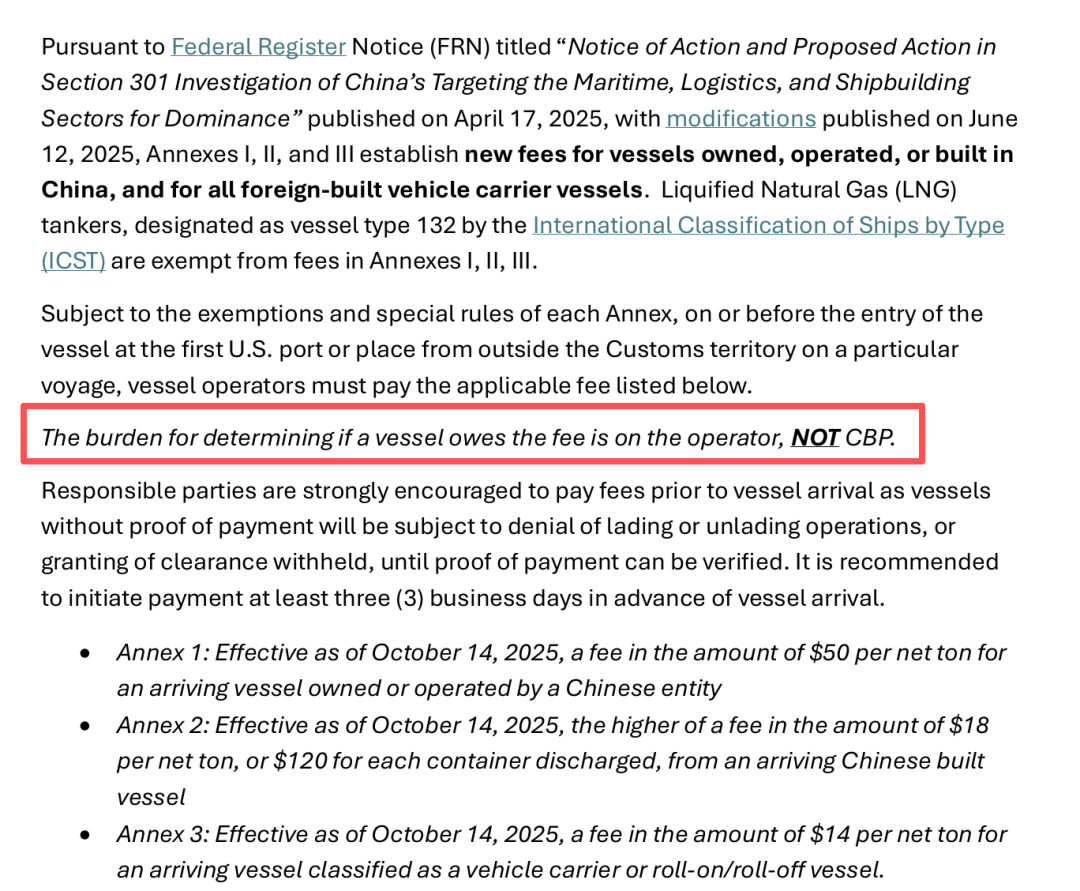
Core Viewpoint - The article discusses the escalating tensions between the US and China, highlighting the recent retaliatory measures taken by China in response to US tariffs and sanctions, and emphasizes the shift in power dynamics, suggesting a "strong China, weak America" narrative. Group 1: US-China Trade Relations - The US has repeatedly initiated hostile actions against China, which China has responded to with significant countermeasures, indicating a pattern of reciprocal actions [1][2][11] - The US's attempt to impose discriminatory fees on Chinese vessels is viewed as an unreasonable tactic, reflecting a misunderstanding of its own position in the global maritime industry [3][4][8] Group 2: Maritime Industry Dynamics - In 2023, China constructed a total of 32.86 million tons of commercial ships, holding a 51% share of the global market, while the US only built 64,800 tons, representing a mere 0.1% market share [7] - Despite the US's attempts to influence global shipping and shipbuilding dynamics, the actual impact of its policies is limited, as evidenced by the recovery of Chinese shipyards' order volumes [9][12] Group 3: Semiconductor Industry and Sanctions - The US has intensified its sanctions against Chinese semiconductor companies, with a record number of firms added to the entity list, indicating a strategic focus on this sector [13][14] - The US's export controls have expanded significantly, affecting a wide range of Chinese companies and complicating international supply chains [15][18] Group 4: Perception of Power Dynamics - The article posits that the overall power dynamic has shifted, with China now perceived as stronger relative to the US, particularly in manufacturing and technology sectors [23][24][26] - The narrative of "strong China, weak America" is gaining traction, as evidenced by China's advancements in various industries, including manufacturing and military technology [25][42] Group 5: Global Reactions and Future Implications - The article notes a growing recognition among global leaders and businesses of China's rising strength and the need to adapt to this new reality [41][42] - The ongoing trade tensions and retaliatory measures are expected to continue shaping the landscape of US-China relations, with potential long-term implications for global trade and industry dynamics [22][42]