互联网+制造

Search documents
《小米创业思考》:雷军亲述创业心法,“互联网+制造”与生态链助力多元领域发展
Sou Hu Cai Jing· 2025-10-25 01:28
Core Insights - The book "Xiaomi Entrepreneurship Thoughts," narrated by Lei Jun and organized by Xu Jieyun, has become a focal point in the business sector, documenting Xiaomi's journey from inception to growth while summarizing the underlying logic of the "Xiaomi model" for entrepreneurs at various stages [1] Group 1: Xiaomi's Business Model - Lei Jun defines "Internet + Manufacturing" as the key to Xiaomi's breakthrough in traditional manufacturing challenges, emphasizing the importance of efficiency in reconstructing the industry value chain [3] - The book introduces the "focus, extremity, reputation, speed" mantra, which has evolved into a cognitive tool for entrepreneurs, particularly relevant in the context of consumer upgrades and technological changes [3] - Xiaomi's ecosystem strategy involves investing in over a hundred hardware companies, creating an innovative network that spans smart home and wearable device sectors, facilitating technology sharing and supply chain collaboration [3] Group 2: Practical Applications - The book serves as an actionable guide, detailing how Xiaomi has digitally transformed its supply chain to reduce inventory turnover days to one-third of the industry average [4] - It reveals how continuous R&D investment translates into core patents in imaging technology and fast-charging solutions, showcasing the importance of innovation [4] - The book highlights the significance of "engineer culture" in team building, which fosters a powerful and innovative organizational structure [4] Group 3: Market Response - The market response to the book indicates the cross-industry value of the Xiaomi model, with a notable interest from technology professionals (35%) and traditional manufacturing managers (28%) in the accompanying entrepreneurial toolkit and online courses [4] - A traditional home appliance company leader noted that the book's case studies on user-participatory product development directly inspired their smart appliance iteration strategy, reflecting the urgent need for efficiency and model innovation in the digital transformation wave [4]




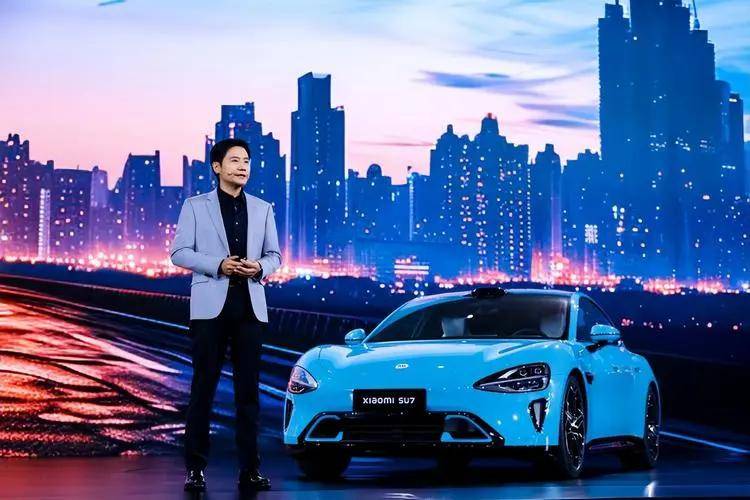
“顶风”发布小米YU7:雷军的“背水一战”?
Sou Hu Cai Jing· 2025-05-19 14:13
Core Viewpoint - Xiaomi's automotive division faces significant scrutiny and criticism following a series of safety incidents and allegations of false advertising, leading to a decline in consumer trust and market performance [1][7][16]. Group 1: Safety Concerns - A major traffic accident involving the Xiaomi SU7 on March 29 has raised serious questions about the safety of Xiaomi's vehicles, marking the beginning of a wave of negative publicity [1][7]. - Following the accident, another serious incident occurred on May 17, further damaging the brand's reputation regarding safety [7]. - Xiaomi's commitment to becoming a leader in automotive safety is now under threat, as the company faces allegations of not meeting even basic safety standards [7][12]. Group 2: Marketing and Communication Issues - Xiaomi's marketing strategy has come under fire, particularly regarding the SU7 Ultra's carbon fiber hood, which was marketed with exaggerated claims that were later proven false [9][11]. - The company issued an apology for the misleading information but acknowledged that restoring consumer trust will require significant effort [11][12]. - Communication failures have been highlighted, with customers expressing dissatisfaction over the lack of transparency and engagement from Xiaomi during the crisis [13][15]. Group 3: Market Performance - The controversies have led to a decline in the delivery volume of Xiaomi vehicles, marking the first negative growth in April [16]. - The upcoming launch of the Xiaomi YU7 is expected to face intense scrutiny, with preemptive criticisms already surfacing regarding design and performance claims [19][20]. - The automotive industry is witnessing a shift towards more honest marketing practices, as regulatory bodies push for compliance and transparency in advertising [18]. Group 4: Technological Development - The release of the Xiaomi YU7 and the new Xiaomi SoC chip, if successful, could help the company regain credibility and market position, emphasizing the importance of genuine technological advancement [22].
小米「失速」,雷军也累了
36氪· 2025-05-18 23:52
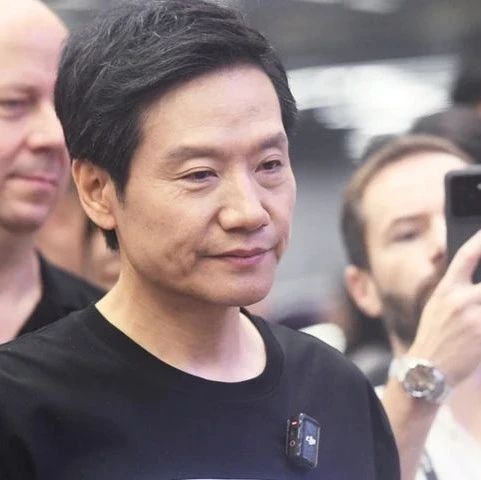
Core Viewpoint - The article discusses the challenges faced by Xiaomi in the automotive sector, particularly following the rapid rise in popularity of its electric vehicle, the SU7, and the subsequent issues related to safety, customer satisfaction, and public perception [5][10][37]. Group 1: Xiaomi's Automotive Success and Challenges - Xiaomi's founder, Lei Jun, saw a significant increase in wealth, ranking eighth in China with a fortune of 220 billion yuan, largely due to the success of Xiaomi's automotive venture [5]. - Despite initial success, Xiaomi's automotive sales have recently declined for three consecutive weeks, indicating potential challenges in sustaining momentum [8]. - The company is facing scrutiny following a serious accident involving the SU7, leading to increased public concern over the safety of its autonomous driving features [10][13]. Group 2: Customer Relations and Controversies - The "horsepower limit" incident, where the SU7 Ultra's performance was restricted unless certain conditions were met, led to customer dissatisfaction and accusations of misleading marketing [14][20]. - Xiaomi's response to the horsepower limit issue included an apology and a commitment to address customer feedback, but the situation highlighted a lack of clear communication with users [20][28]. - The "carbon cover" controversy arose when customers expected the production model to match the prototype's specifications, leading to protests and demands for refunds from dissatisfied customers [23][33]. Group 3: Brand Image and Market Position - The article emphasizes the strong association between Xiaomi and its founder, Lei Jun, suggesting that public perception of the company is heavily influenced by his personal brand [39][40]. - The challenges faced by Xiaomi in the automotive sector reflect broader issues in the industry, where high expectations set by marketing can lead to significant backlash if not met [44]. - The article suggests that Xiaomi may need to adopt a more cautious approach in its automotive strategy to avoid further reputational damage and customer dissatisfaction [45].
小米“失速”,雷军也累了
Sou Hu Cai Jing· 2025-05-15 06:35
Group 1 - The core viewpoint of the articles revolves around the rapid rise and subsequent challenges faced by Xiaomi in the automotive sector, particularly with its SU7 model, which has garnered significant attention and sales but is now encountering various operational and reputational issues [2][4][5]. - Lei Jun, the founder of Xiaomi, has seen his wealth increase to 220 billion RMB, ranking him eighth in China and fiftieth globally, largely due to the success of Xiaomi's automotive venture [2]. - Despite initial success, Xiaomi's automotive sales have recently declined for three consecutive weeks, indicating that the company is facing significant challenges in maintaining its market position [5][32]. Group 2 - The SU7 model has faced scrutiny following a serious accident, leading to increased public concern regarding the safety and regulatory compliance of its autonomous driving features [8][11]. - Xiaomi's recent updates to the SU7 Ultra, which included limiting horsepower based on user performance, have sparked backlash from customers who feel misled about the vehicle's capabilities [12][14]. - The company has acknowledged its miscommunication regarding the SU7 Ultra's features and has issued an apology, indicating a need for better customer engagement and transparency moving forward [17][23]. Group 3 - The "carbon cover" controversy has emerged as another significant issue, with customers expressing dissatisfaction over differences between the production model and the prototype, leading to claims of false advertising [20][27]. - Xiaomi has offered solutions to affected customers, including the option to switch to a different model or receive compensation, but many customers remain unsatisfied with the proposed resolutions [25][27]. - The overall sentiment among Xiaomi's customer base reflects a growing frustration with the company's handling of product expectations and communication, which could impact its brand reputation in the long term [32][36].