
互联网平台反垄断合规

Search documents
港股市场 重要调整
Zhong Guo Zheng Quan Bao· 2026-02-14 00:23
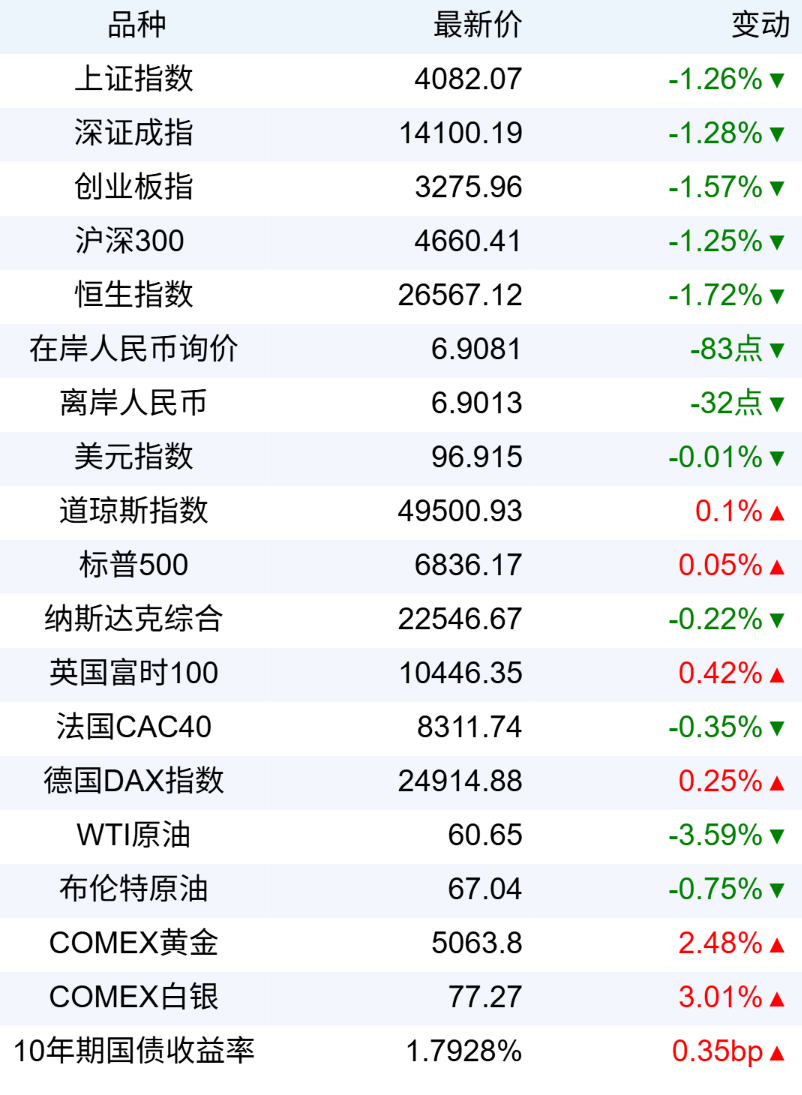
Financial Data - As of the end of January, the social financing scale increased by 8.2% year-on-year, while the broad money supply (M2) grew by 9.0%, significantly exceeding the nominal GDP growth rate, creating a favorable monetary environment for economic recovery [1][1]. Stock Market Adjustments - The Hang Seng Index will increase its constituent stocks from 88 to 90, with the inclusion of CATL, Luoyang Molybdenum, and Laopu Gold, while Zhongsheng Holdings will be removed. These changes will take effect after the market closes on March 6 and will be effective from March 9 [1][1]. Regulatory Actions - The China Securities Regulatory Commission (CSRC) has issued an administrative penalty and market ban notice to Tianfeng Securities for allegedly providing financing and violating information disclosure regulations related to Wuhan Contemporary Technology Industry Group [2][2]. Company News - Southwest Securities plans to issue A-shares to specific investors, raising up to 6 billion yuan, which will be used to supplement the company's capital for various business operations [4][4]. - SAIC Motor's subsidiary, SAIC Jin Kong, will co-invest in a private equity fund with a total initial subscription of 2.5 billion yuan, focusing on solid-state batteries and other advanced technologies [5][5]. - KOTAI Power has decided to terminate its H-share issuance preparations, stating that the decision will not significantly impact its operations or shareholder interests [5][5]. - Yinchip has received a notice from the CSRC regarding an investigation for suspected information disclosure violations, while its business operations continue normally [5][5]. - Meituan has issued a profit warning, expecting a loss of 23.3 billion to 24.3 billion yuan for 2025, primarily due to a shift from profit to loss in its core local business segment and increased investment in overseas operations [6][6]. - Zongshen Power plans to swap motorcycle engine-related assets with Longxin General's assets to resolve competition issues and promote clearer business development [6][6]. Industry Insights - Huatai Securities believes that the advancement of a unified national electricity market will benefit the construction of a new power system from multiple dimensions, including profit mechanisms and structural growth in renewable energy demand [7][7].
新华财经早报:2月14日
Xin Hua Cai Jing· 2026-02-14 00:10
Group 1: Industry Developments - The "Modern Capital Urban Circle Spatial Collaborative Planning (2023-2035)" has been released, aiming to enhance the capital's functions and create a high-quality development growth pole [1] - The Ministry of Industry and Information Technology has called for accelerated development of the low-altitude industry, emphasizing top-level planning and the establishment of a standard system [1] - The State Council has approved the upgrade of the Xiong'an High-tech Industrial Development Zone to a national high-tech industrial development zone, covering an area of 20.84 square kilometers [1] Group 2: Financial Data - As of the end of January, the broad money supply (M2) reached 347.19 trillion yuan, a year-on-year increase of 9% [1] - The social financing scale stood at 449.11 trillion yuan at the end of January, with a year-on-year growth of 8.2% [1] - The January consumer price index (CPI) in the U.S. rose by 2.4% year-on-year, a decrease from 2.7% in December [2] Group 3: Company Announcements - China Shenhua reported that its second phase unit 4 has officially commenced commercial operations, with coal sales in January increasing by 9.9% year-on-year [4] - Gaode Infrared has signed a product order contract worth approximately 1.851 billion yuan [4] - Haiyou Engineering has won overseas project bids, with the company's share exceeding 800 million USD [4]

互联网平台反垄断合规指引发布 明确划出“二选一”等8种行为“红线”
Sou Hu Cai Jing· 2026-02-13 23:04
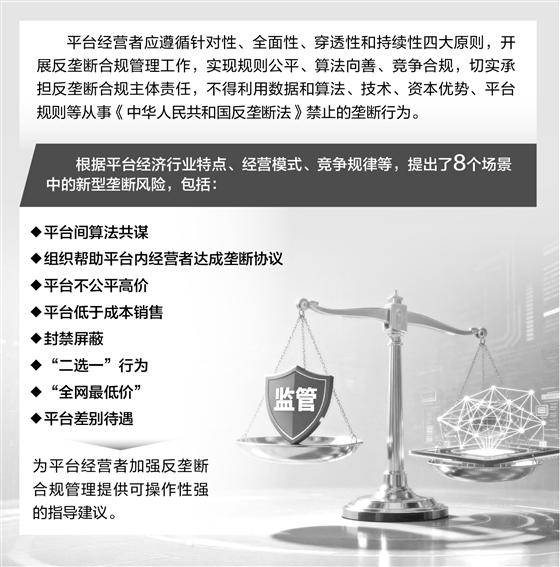
Core Viewpoint - The Market Regulation Administration has released the "Antitrust Compliance Guidelines for Internet Platforms," which further refines antitrust compliance rules and provides clearer guidance for platform operators, aiming to promote innovation and healthy development in the platform economy [2] Group 1: Antitrust Compliance Principles - Platform operators are required to adhere to four principles: targeted, comprehensive, penetrating, and continuous in their antitrust compliance management [3] - The guidelines emphasize the importance of fair rules, ethical algorithms, and compliant competition, urging operators to take responsibility for antitrust compliance and avoid engaging in monopolistic behaviors prohibited by the Anti-Monopoly Law of the People's Republic of China [3] Group 2: Identified Monopolistic Risks - The guidelines outline four categories of monopolistic risks: monopoly agreements, abuse of market dominance, concentration of operators, and abuse of administrative power to exclude or restrict competition [4] - Eight new types of monopolistic risks specific to the platform economy are identified, including algorithm collusion between platforms, assisting platform operators in reaching monopoly agreements, unfair high pricing, below-cost sales, blocking or shielding, "choose one of two" behavior, "lowest price on the entire network," and differential treatment by platforms [4] Group 3: Specific Examples of Monopolistic Behavior - The guidelines specify that platforms with market dominance may engage in "choose one of two" behavior, coercing trading partners to choose between the dominant platform and competitors, potentially using punitive or incentivizing measures to enforce this behavior [4] - An example provided illustrates a dominant platform operator requiring internal operators to commit not to cooperate with competing platforms, imposing penalties such as reduced search rankings or product delisting for non-compliance, thereby restricting market competition [4] Group 4: Unfair Pricing Practices - The guidelines indicate that dominant platform operators may exploit their position to charge unfairly high fees to internal operators, even when costs remain stable, thereby harming the interests of these operators [5] - The guidelines also suggest effective measures for antitrust compliance risk management, including risk assessments by industry, necessary actions based on risk levels, and comprehensive risk prevention throughout the operational chain [5]
新华财经晚报:两部门进一步加强跨境电商零售进口食品召回监管
Xin Hua Cai Jing· 2026-02-13 11:40
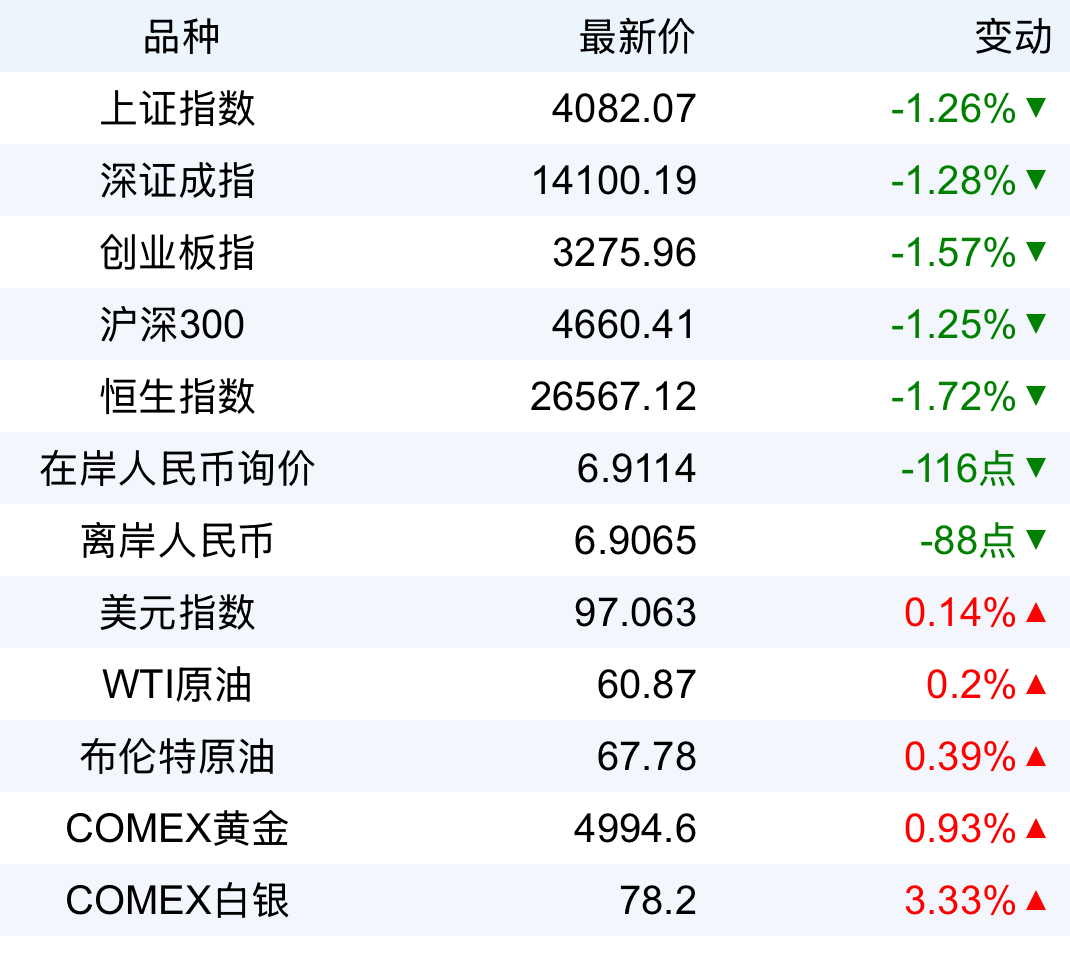
Domestic News - The People's Bank of China reported that by the end of January 2026, the total social financing scale was 449.11 trillion yuan, a year-on-year increase of 8.2%. The increment in January was 7.22 trillion yuan, which is 166.2 billion yuan more than the same period last year [1] - The broad money supply (M2) reached 347.19 trillion yuan at the end of January, growing by 9% year-on-year. The narrow money supply (M1) was 117.97 trillion yuan, up by 4.9% year-on-year, while the cash in circulation (M0) was 14.61 trillion yuan, increasing by 2.7% year-on-year. A net cash injection of 519.1 billion yuan occurred in January [1] - The National Bureau of Statistics indicated that in January 2026, the sales prices of commercial residential properties in 70 large and medium-sized cities showed a narrowing decline month-on-month, with a year-on-year decrease [3] - In first-tier cities, new commercial residential property prices fell by 0.3% month-on-month, while second-hand residential prices decreased by 0.5%, with the latter's decline narrowing by 0.4 percentage points compared to the previous month [3] Regulatory Updates - The State Administration for Market Regulation and the Ministry of Commerce jointly issued a notice to strengthen the recall supervision of cross-border e-commerce retail imported food, clarifying the responsibilities of cross-border e-commerce enterprises in food safety [2] - The Shenzhen Municipal Local Financial Supervision Administration emphasized that enterprises must not engage in illegal gold trading activities, including pre-priced trading and leveraged trading [4] - The National Tobacco Administration released a notice to implement electronic cigarette industry policies, aiming to regulate investment behaviors and prevent capacity expansion in new projects [4] International News - The New York Federal Reserve Bank reported that approximately 90% of the additional costs from tariffs imposed by the U.S. government in 2025 will be borne by American consumers and businesses, contradicting previous claims that foreign exporters would absorb these costs [5] - The UK Office for National Statistics announced a 1.3% economic growth in 2025, driven by the service sector, indicating potential signs of economic recovery [5] - The Bank of Malaysia expects the economic outlook for 2026 to remain resilient, with overall inflation expected to stay moderate [6]
互联网平台反垄断合规指引
Xin Lang Cai Jing· 2026-02-13 10:06
Core Insights - The article discusses the compliance guidelines for internet platforms regarding antitrust regulations, emphasizing the importance of adhering to these guidelines to avoid legal repercussions [2] Group 1: Compliance Guidelines - The guidelines outline the responsibilities of internet platforms to ensure fair competition and prevent monopolistic practices [2] - Key areas of focus include data privacy, user consent, and transparency in algorithms used for content distribution [2] - Platforms are encouraged to implement internal compliance mechanisms to monitor adherence to these guidelines [2] Group 2: Regulatory Environment - The article highlights the increasing scrutiny from regulatory bodies on internet platforms, indicating a trend towards stricter enforcement of antitrust laws [2] - It notes that non-compliance could lead to significant fines and operational restrictions for companies [2] - The guidelines serve as a proactive measure for companies to align with evolving regulatory expectations [2]
市场监管总局关于印发《互联网平台反垄断合规指引》的通知
Zhong Guo Xin Wen Wang· 2026-02-13 08:35
Core Viewpoint - The "Antitrust Compliance Guidelines for Internet Platforms" aims to support platform operators in effectively preventing antitrust compliance risks, establishing compliance management systems, and promoting fair competition in the market [4][10]. Group 1: General Principles - The guidelines define internet platforms as commercial organizations that create value through network information technology, facilitating transactions among interdependent parties [5]. - Platform operators are responsible for providing services such as transaction facilitation and information exchange to various market entities [6]. - The necessity of compliance management is emphasized due to the significant network effects of internet platforms, which can influence market competition and create legal and commercial risks if antitrust laws are violated [7]. Group 2: Compliance Management Requirements - Platform operators must adhere to principles such as targeted, comprehensive, penetrating, and continuous compliance management to effectively mitigate antitrust risks [9]. - Operators are required to establish a robust antitrust compliance system and manage compliance actively to avoid engaging in monopolistic behaviors prohibited by antitrust laws [10]. Group 3: Risk Identification - The guidelines outline various forms of antitrust risks, including monopolistic agreements and abuse of market dominance, which platform operators must identify and avoid [11][16]. - Specific examples of risks include horizontal and vertical monopolistic agreements, where operators may coordinate pricing or restrict market access [12][14]. Group 4: Risk Management - Operators are encouraged to develop a risk assessment framework tailored to their industry characteristics and market conditions, allowing for a comprehensive evaluation of antitrust compliance risks [43]. - The guidelines suggest implementing preemptive risk control measures before engaging in significant business activities, as well as ongoing assessments during operations [45][46]. Group 5: Compliance Mechanisms - The establishment of a dedicated antitrust compliance management body is recommended to oversee and implement compliance efforts effectively [55]. - Operators should also create a reporting mechanism for compliance issues and conduct regular training to ensure all employees understand their responsibilities regarding antitrust laws [56][57].
一图读懂丨互联网平台反垄断合规指引
Xin Hua Wang· 2026-02-13 08:34
Core Viewpoint - The article discusses the implications of antitrust regulations on various industries and companies, highlighting the ongoing scrutiny and enforcement actions by regulatory bodies [1]. Group 1: Antitrust Regulations - Antitrust regulations are becoming increasingly stringent, affecting major corporations across different sectors [1]. - Companies are facing heightened investigations and potential penalties, which could impact their market strategies and financial performance [1]. Group 2: Industry Impact - The enforcement of antitrust laws is expected to reshape competitive dynamics within industries, leading to potential mergers and acquisitions being reevaluated [1]. - Companies may need to adjust their business models to comply with new regulations, which could result in increased operational costs [1].
国家市场监管总局发布 《互联网平台反垄断合规指引》
智通财经网· 2026-02-13 08:27
Core Viewpoint - The National Market Regulatory Administration has issued the "Antitrust Compliance Guidelines for Internet Platforms," emphasizing that platform operators with market dominance must avoid abusing their position to restrict competition without justifiable reasons [1][5]. Group 1: Guidelines Overview - The guidelines aim to support platform operators in preventing antitrust compliance risks and establishing effective management systems to protect the rights of relevant parties and maintain fair market competition [5][10]. - The guidelines define key concepts such as "internet platform," "platform operator," and "antitrust compliance risk," providing a framework for understanding compliance requirements [7][8]. Group 2: Compliance Management Principles - Platform operators should adhere to principles such as targeted, comprehensive, penetrating, and continuous compliance management to effectively mitigate antitrust risks [13][14]. - The guidelines stress the importance of establishing a robust antitrust compliance management system that covers all business areas and involves all employees [15][10]. Group 3: Prohibited Practices - The guidelines outline specific practices that constitute abuse of market dominance, including exclusive cooperation clauses, restrictions on trading partners, and punitive measures such as search ranking downgrades and traffic limitations [44][46]. - Operators are advised against engaging in practices that force trading partners to choose between platforms or impose unreasonable conditions on transactions [48][50]. Group 4: Risk Identification and Management - The guidelines emphasize the need for platform operators to identify and assess risks associated with monopolistic agreements and the abuse of market dominance [16][27]. - Operators are encouraged to implement risk assessment frameworks tailored to their industry characteristics and market conditions [68][69]. Group 5: Compliance Mechanisms - The guidelines recommend establishing compliance management institutions and reporting mechanisms to ensure effective implementation of antitrust compliance measures [88][89]. - Continuous training and evaluation of compliance practices are encouraged to enhance awareness and adherence among employees [92][94].
市场监管总局三措并举助力平台企业合规经营
Ren Min Wang· 2025-12-17 03:29
Core Viewpoint - The State Administration for Market Regulation (SAMR) is actively working on the formulation of the "Antitrust Compliance Guidelines for Internet Platforms" to promote the healthy development of the platform economy and ensure consumer and small business rights [1][2] Group 1: Guidelines Development - The public consultation on the "Antitrust Compliance Guidelines" has concluded, and SAMR is incorporating feedback from various stakeholders to expedite the guidelines' formulation [1] - The guidelines aim to address public concerns, including the "choose one from two" issue, and are expected to be officially released soon [1] Group 2: Implementation Measures - SAMR will focus on three key areas to ensure the effective implementation of the guidelines: 1. Providing clear policy communication through training and simplified explanations to help businesses understand and comply [1] 2. Establishing a regular communication mechanism to listen to businesses' concerns and provide industry guidance [1] 3. Enforcing strict regulations against monopolistic behaviors with zero tolerance and increased exposure to maintain market fairness [1][2]
互联网平台反垄断合规指引征求意见 提出8个场景中新型垄断风险
Zhong Guo Zheng Quan Bao· 2025-11-16 22:35
Core Points - The State Administration for Market Regulation (SAMR) released the "Antitrust Compliance Guidelines for Internet Platforms (Draft for Comments)" on November 15, seeking public feedback. The draft aims to provide clear behavioral guidelines for platform operators and responds to societal expectations [1][2] - The draft emphasizes promoting innovation and healthy development in the platform economy, which relies on a fair competitive market environment. It outlines potential antitrust compliance risks and encourages platform operators to enhance their antitrust compliance management [1] - The draft identifies new types of monopoly risks across eight scenarios, urging platform operators to conduct platform rule reviews and algorithm screenings, thereby establishing a comprehensive compliance management system [1][2] Summary by Sections Purpose and Objectives - The draft aims to foster innovation and healthy development in the platform economy by ensuring a fair competitive environment. It seeks to prevent and address monopolistic behaviors, enhancing the overall competitive level and development quality [1] Compliance Management - The draft suggests that antitrust compliance management institutions should be responsible for coordinating and advancing compliance efforts. Platform operators are encouraged to establish dedicated compliance management bodies or assign relevant departments to fulfill these responsibilities [2] - It promotes the establishment of a risk closed-loop management mechanism, including compliance reporting, training, assessment, supervision, and information technology support to ensure effective compliance management [2]