人才密度

Search documents
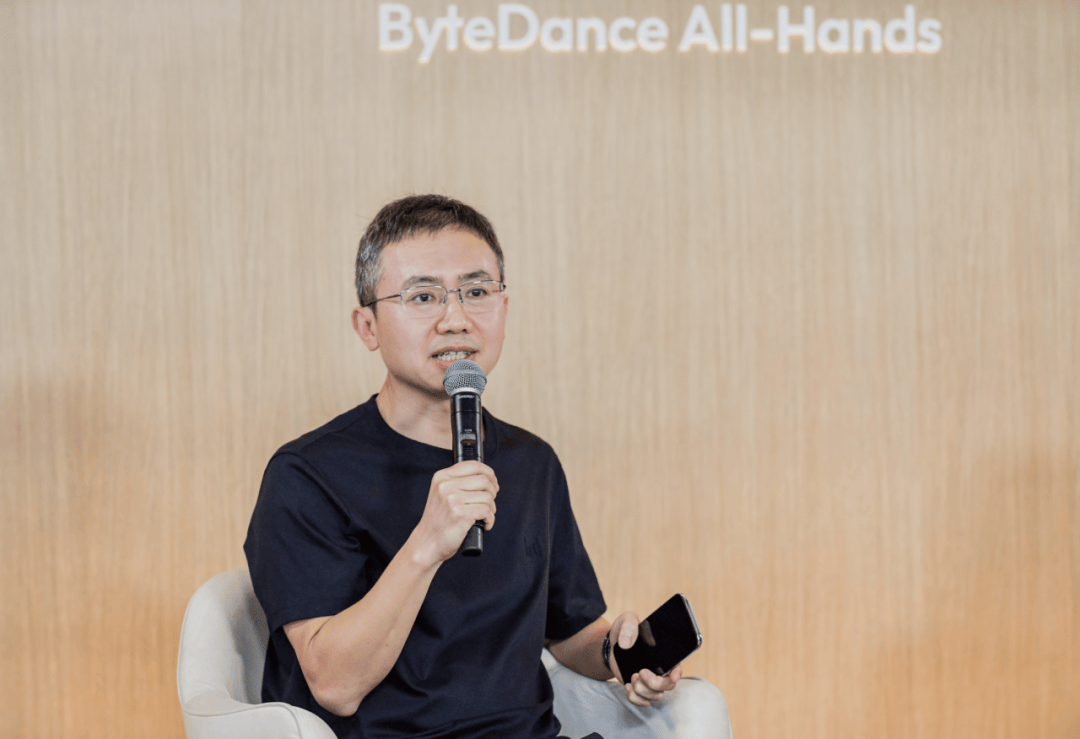
字节跳动CEO梁汝波:AI时代存在重要机会,2026年要“勇攀高峰”
Sou Hu Cai Jing· 2026-01-30 02:54
Core Insights - The core message of the article emphasizes ByteDance's strategic focus on leveraging AI opportunities, particularly through the development of assistant applications and the integration of existing services to achieve higher operational efficiency and talent density [2][3][4][5][6][7] Group 1: Strategic Focus - ByteDance's CEO, Liang Rubo, set the 2026 keyword as "climbing to new heights," highlighting the importance of pursuing significant opportunities in the AI era [2] - The company recognizes that the AI peak is comparable to the major technological peaks of the past 50 years, such as PC and Web, with the current focus on assistant applications [2] - There is a consensus in the industry that assistant applications will evolve beyond simple search functionalities to include creative and programming capabilities [2] Group 2: Business Integration and Efficiency - The company aims to focus its business strategy on achieving higher integration and collaboration among departments to avoid internal competition and inefficiencies [3] - Liang emphasized the need for continuous investment in business efficiency, particularly in areas like computing costs, resource utilization, and system architecture [3] - The company is committed to enhancing talent density and employee compensation to drive innovation and maintain a competitive edge in the AI landscape [3][7] Group 3: Public Trust and Cultural Values - Building global public trust is essential for supporting foundational services, which includes actively engaging with regulators and prioritizing user data security [4] - The company aims to foster a culture of humility and responsiveness to public feedback while exploring external collaborations [4][5] - Liang highlighted the importance of maintaining an entrepreneurial mindset to navigate industry changes effectively [5][6] Group 4: Talent Investment - ByteDance views investment in talent as a strategic priority rather than a cost, planning to enhance compensation and incentive structures to attract top talent globally [7] - Specific measures include increasing performance bonuses by 35% and significantly raising salary adjustments compared to previous cycles [7] - The company encourages potential talent to join and seize opportunities in the evolving landscape [7]

一家公司最大的浪费,是员工消耗
Sou Hu Cai Jing· 2025-10-27 15:33
Core Insights - The article discusses how Feishu (Lark) has transformed its management practices to maintain agility and innovation as it scales, emphasizing a "de-bureaucratization" approach to overcome growth challenges [3][4]. Group 1: Management Challenges - Rapid employee growth led to increased collaboration costs, with a 200-fold increase in personnel from 2019 to 2020 [4]. - External perceptions of Feishu include a high-pressure work environment, with employees averaging under 30 years old, indicating a rejection of traditional competition [5][6]. Group 2: Solutions to Management Issues - Feishu's management strategy involves learning from global leaders like Amazon, Google, and Netflix to enhance core asset management [9]. - The company adopts a product-oriented mindset, focusing on improving its own organizational "product" rather than just external offerings [10][12]. Group 3: Cultural Leverage - Feishu's culture, termed "Feishu Style," emphasizes entrepreneurial spirit, diversity, transparency, and collective growth [38][40]. - The culture is developed through employee feedback and is not solely dictated by management, ensuring it resonates with the workforce [41][42]. Group 4: Talent Density and Innovation - The company aims to increase talent density by reducing bureaucratic rules, fostering an environment conducive to innovation [66][70]. - Feishu defines excellent talent as individuals with curiosity, optimism, and the ability to delay gratification, rather than strictly based on professional expertise [71][72]. Group 5: Managerial Fundamentals - Effective management at Feishu is based on four key elements: setting clear goals, recruiting the right people, utilizing talent effectively, and providing appropriate incentives [75]. - The use of OKR (Objectives and Key Results) helps align individual contributions with the company's strategic goals [95][96].

从「人才军团」到「柔性生态」,新时代全球化的博彦解法
36氪· 2025-07-25 09:38
Core Viewpoint - Beyondsoft Technology, while not a star company in China's tech industry, has grown from a small firm to a global IT service provider with over 30,000 employees since its establishment in 1995, paralleling the rise of the Chinese internet [1] Development History - The history of Beyondsoft reflects the evolution of China's IT service industry from learning and imitation to exporting experience [2] - The company's globalization journey began in 2002 when co-founder Zhang Rongjun was sent to the U.S. with a mere $20,000 to explore the market [2][3] Company Name and Philosophy - The name "博彦" symbolizes a gathering of talent, while "Beyondsoft" reflects the ambition to excel in software [4] - The early decision to focus on IT services over multimedia software was crucial for avoiding cash flow risks and establishing a core business model [5] Early Challenges and Successes - Beyondsoft faced significant challenges, including project management and client expectations, which were overcome through dedication and teamwork [6][7] - The first major client, Fisher-Price, was acquired through participation in a trade show, showcasing the company's commitment and technical expertise [8][9] Talent Acquisition and Development - The company recognized the critical need for talent and invested heavily in recruitment, attracting 45 graduates through a large-scale campus recruitment campaign in 2001 [10][11] - Beyondsoft developed a systematic talent cultivation model that was later expanded internationally, creating a diverse workforce capable of engaging with global clients [12] Globalization and Cultural Management - The company adopted a hybrid operational model to manage cross-cultural differences, leveraging the strengths of both Chinese and American employees [13] - Beyondsoft's experience in international markets has equipped it with unique capabilities to support other Chinese companies in their globalization efforts [12][13] Future Directions - Beyondsoft is transitioning from being a learner of global rules to a participant in defining new ones, emphasizing the need for a flexible organizational structure [15][16] - The company is investing in innovation hubs globally to foster collaboration among high-caliber talent, focusing on maximizing the value of skilled personnel [16] Conclusion - Beyondsoft's journey illustrates the importance of ambition and adaptability in navigating the complexities of globalization, providing a reference for other Chinese enterprises [18]