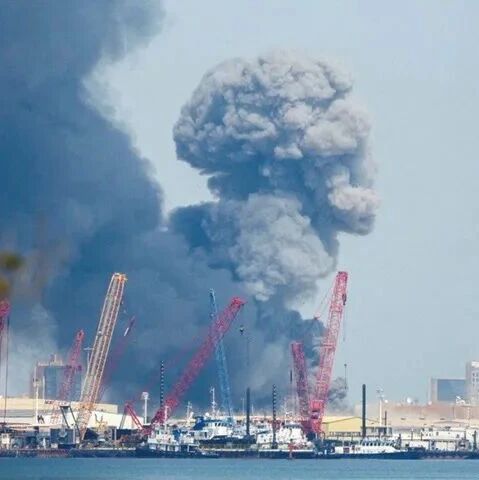
美伊冲突

Search documents
港股周观点:“过山车”行情还要持续多久?-20260331
Soochow Securities· 2026-03-31 11:13
Group 1 - The report indicates that global markets weakened, with the Hang Seng Index down 1.3%, and the Hang Seng Tech Index down 1.9% during the week of March 23-27, 2026 [1] - The healthcare sector led gains with a 2.9% increase, while the information technology sector saw a decline of 3% [1] - The report highlights that geopolitical tensions, particularly regarding the Middle East, and expectations of interest rate hikes are impacting market performance [1][3] Group 2 - There was a net inflow of 25.1 billion HKD from southbound funds, an increase of 31.4 billion HKD from the previous week [2] - The report notes that the total scale of ETFs directed towards the Hong Kong market decreased to 434.53 billion HKD, with a net outflow of 3.34 billion HKD [2] - The top net purchases included Alibaba, Xiaomi, and Pop Mart, while significant net outflows were seen in financial and materials sectors [2][12] Group 3 - The outlook remains cautious due to ongoing US-Iran tensions, with recommendations to wait for catalysts before making investment decisions [3] - The report suggests that if the US-Iran conflict extends beyond expectations, there could be further downside risks for US and Hong Kong markets [3] - It emphasizes a defensive strategy, focusing on value dividends and sectors like new energy and innovative pharmaceuticals [3] Group 4 - Key upcoming data includes China's official manufacturing PMI on March 31, and the US ISM manufacturing PMI on April 1 [4] - Earnings reports from major companies such as Bank of China and Vanke Enterprises are scheduled for March 30 and 31 [4]
美伊冲突以来,最牛ETF榜单来了!
格隆汇APP· 2026-03-31 09:58
Core Insights - The article discusses the evolution of ETFs (Exchange-Traded Funds) in the context of the recent US-Iran conflict, highlighting the most successful ETFs during this period [1] Group 1: ETF Performance - The article lists the top-performing ETFs that have gained significant traction since the onset of the US-Iran conflict, showcasing their returns and market reactions [1] - Specific ETFs are mentioned with their respective performance metrics, indicating a surge in investor interest and capital inflow [1] Group 2: Market Trends - The article analyzes market trends influenced by geopolitical tensions, particularly how these events have shaped investor behavior towards certain sectors and asset classes [1] - It emphasizes the shift in investment strategies, with a notable increase in demand for ETFs that focus on defense and energy sectors due to heightened volatility [1]

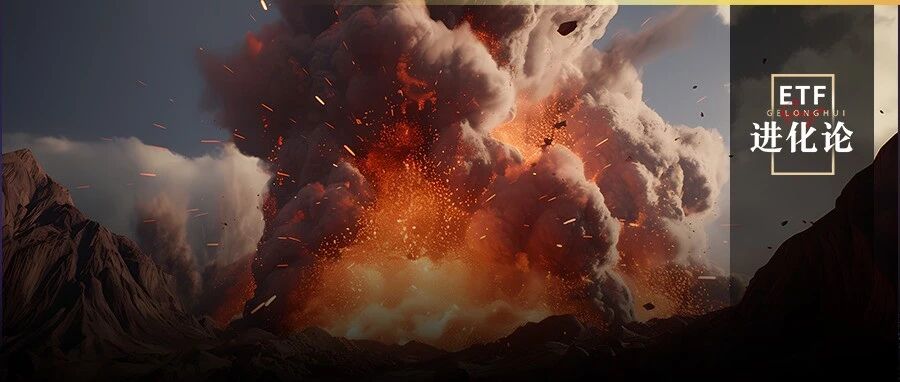
建信期货股指日评-20260331
Jian Xin Qi Huo· 2026-03-31 02:05
Group 1: Report Information - Report type: Stock index daily review [1] - Date: March 31, 2026 [2] - Researchers: Nie Jiayi, He Zhuoqiao, Huang Wenxin [3] Group 2: Market Review - On March 30, the Wind All - A index rose slightly with increased trading volume, opening with a decline, then rebounding and moving sideways in the afternoon, closing up 0.05% with over 50% of stocks rising. The CSI 300 and SSE 50 closed down 0.24% and 0.14% respectively, while the CSI 500 and CSI 1000 closed up 0.21% and 0.28% respectively. In the futures market, the IF, IH, and IM main contracts fell 0.30%, 0.07%, and 0.19% respectively, and the IC main contract rose 0.02% [6] Group 3: Market Outlook - The current major contradiction is the US - Iran conflict. High oil prices have led to concerns about re - inflation, suppressing risk assets. Geopolitical risks in the Middle East have a reduced impact on the market. In China, economic data from January - February showed better - than - expected exports, retail sales, and industrial added value. The trading volume in the two markets has been stable at around 2 trillion, and the margin trading balance remains high. In the short term, due to geopolitical uncertainties, oil price - induced stagflation concerns, and cautious market sentiment during the earnings disclosure period, a rapid V - shaped reversal is unlikely, and the index will remain range - bound. In the long term, liquidity concerns are expected to improve after the conflict eases. China's supply - chain competitive advantage makes it more resilient. As the macro - economic fundamentals and corporate earnings turn around, the main driving force of A - shares may shift from liquidity to substantial performance improvement. Also, after the IC and IM main contracts switched to the far - month contracts, there was a deep discount again. Considering the long - term optimistic outlook for the index, the roll - down strategy can be tried to obtain excess returns [8][9] Group 4: Industry News - On March 12, at a regular press conference, in response to the US government's new trade investigations on 16 major trading partners including China, the Chinese Foreign Ministry spokesperson stated that China opposes all forms of unilateral tariff measures, and that the so - called "over - capacity" is a false proposition and opposes political manipulation under this pretext [31]
美伊冲突升级概率依然较大,能化依旧易涨难跌
Tian Fu Qi Huo· 2026-03-30 12:18
1. Report Industry Investment Rating No relevant content provided. 2. Core View of the Report The probability of the escalation of the conflict between the US and Iran remains high, and the energy and chemical sectors are still prone to rising and difficult to fall. The conflict has led to disruptions in the supply of crude oil and other energy - related products, affecting the prices and market trends of various chemical products [1][2]. 3. Summary by Directory (1) Crude Oil - **Logic**: Despite Trump's statement, the market doesn't believe it. The US - Iran conflict continues to escalate, with military actions increasing. The probability of a US ground operation against Iran is rising. The Strait of Hormuz blockade affects oil supply, and crude oil and energy - chemical products are expected to be strong [3][4]. - **Technical Analysis**: The daily - level shows a medium - term upward structure, and the hourly - level shows a short - term oscillatory structure. It increased in volume today, with support at 700. The strategy is to hold the long position opened yesterday on the hourly cycle and move up the stop - profit to 725 [4]. (2) Styrene - **Logic**: Domestic supply contraction is limited, but cost support is strengthening. Export performance is better than expected, and there is an expectation of further increase in exports. It is also regarded as strong [7]. - **Technical Analysis**: The hourly - level shows a short - term oscillatory structure. It increased in volume today, with support at 9550. The strategy is to hold the long position and move up the stop - profit to 9900 [7]. (3) Pure Benzene - **Logic**: The domestic petroleum benzene operating rate has dropped to 72.57%, and the supply contraction expectation is increasing. Overseas plants are also reducing production, and the import reduction expectation is rising. The cost of naphtha is strong, providing double - upward drive from the cost and supply sides [10]. - **Technical Analysis**: The hourly - level shows a short - term oscillatory structure. It increased in volume today, with support at 8000. The strategy is to hold the long position and move up the stop - profit to 8620 [10]. (4) Rubber - **Logic**: The price difference between natural rubber and synthetic rubber is inverted, but the US - Iran conflict has no cost - side impact on natural rubber. Due to the recession expectation, natural rubber is traded with the recession expectation. The current price is at a high level in the past decade, and there is a high enthusiasm for rubber tapping. There are also a large number of industrial hedging positions, and the supply is expected to increase. It is recommended to maintain a short - selling idea [12][14]. - **Technical Analysis**: The daily - level shows a medium - term upward structure, and the hourly - level shows a downward structure. It oscillated today, with pressure at 16500. The strategy is to hold the short position with a stop - loss at 16500 [14]. (5) Synthetic Rubber - **Logic**: The shortage of raw material butadiene leads to a sharp increase in spot prices, and the cost support is strong. Some plants are reducing production and undergoing maintenance due to losses. The cost and supply contraction drive the continuous rise of synthetic rubber. The main reason is the global shortage of butadiene caused by the US - Iran conflict [16][18]. - **Technical Analysis**: The daily - level shows a medium - term upward structure, and the hourly - level shows a short - term upward structure. It oscillated today, with short - term support at 17450. The strategy is to wait and see on the hourly cycle [18]. (6) PX - **Logic**: The domestic PX operating rate has slightly declined. The main impact on the supply side is the reduction of production in overseas Asian refineries, especially in South Korea. The import reduction is expected to intensify, and it will enter a significant de - stocking phase in the second quarter. Affected by the US - Israel - Iran conflict, the cost of naphtha drives and the supply reduction make PX prone to rising in the short term [23]. - **Technical Analysis**: The daily - level shows a medium - term upward structure, and the hourly - level shows a short - term oscillatory structure. It oscillated today, with support at 9200. The strategy is to hold the long position with a stop - loss at 9200 [23]. (7) PTA - **Logic**: The domestic PTA plants have not significantly reduced production, and the operation rate remains high. It is currently a follow - up upward logic driven by cost. Although there is some negative feedback from downstream filament polyester, it is not the main logic. It is still prone to rising with the cost of crude oil in the short term [25]. - **Technical Analysis**: The daily - level shows a medium - term upward structure, and the hourly - level shows a short - term oscillatory structure. It oscillated today, with support at 6260. The strategy is to hold the long position with a stop - loss at 6260 [25][27]. (8) PP - **Logic**: The global polyolefin supply is decreasing. Although the domestic downstream is resistant to high prices and there is an expectation of negative feedback, the overseas PP supply is tightening, and the export profit is expanding, with an increasing expectation of export volume. It is supported by both the cost and supply sides and runs strongly [28]. - **Technical Analysis**: The hourly - level shows a short - term oscillatory structure. It oscillated today, with support at 8750. The strategy is to hold the long position with a stop - loss at 8750 [28]. (9) Methanol - **Logic**: The domestic coal - to - methanol operating rate has rebounded to 79%, which is at a 5 - year high. Due to the continuation of the US - Iran conflict, methanol production and transportation in the Middle East have stagnated. Many methanol plants in Iran and other overseas countries are still shut down, and imports will shrink significantly in the second quarter. Port inventories are expected to accelerate de - stocking, and methanol is still regarded as strong [32]. - **Technical Analysis**: It shows a short - term upward structure. It oscillated today, with short - term support at 2980. The strategy is to wait and see on the hourly cycle [32]. (10) Ethylene Glycol - **Logic**: The domestic oil - to - ethylene glycol operating rate has accelerated its decline, but the overall decline is limited due to the high coal - to - ethylene glycol operating rate. Nearly 30% of the total supply comes from imports from Iran and the Middle East. The continuous US - Iran conflict intensifies the expectation of import reduction, supporting the high - level operation of prices [34]. - **Technical Analysis**: The hourly - level shows a short - term oscillatory structure. It increased in volume today, with support at 4800. The strategy is to hold the long position with a stop - loss at 4800 [34]. (11) Plastic - **Logic**: The import of PE from the Middle East is blocked due to the Strait blockade, and the import reduction expectation in the second quarter is obvious. Overseas refineries are reducing production due to raw material shortages, and the global polyolefin supply is decreasing. Although the domestic downstream is resistant to high prices and there is an expectation of negative feedback, it is not the main logic at present. It is supported by both the cost and supply sides and runs strongly [36]. - **Technical Analysis**: The hourly - level shows an oscillatory structure. It oscillated today, with support at 8480. The strategy is to hold the long position with a stop - loss at 8480 [36]. (12) Soda Ash - **Logic**: The production has dropped to 77.5 tons due to the maintenance of some plants, but the overall supply is still at a high level compared with previous years due to the large new production capacity in the second half of last year and the beginning of this year. The downstream float glass production has continued to decrease, and the demand is weak. The soda ash plant inventory has not decreased and remains at a high level. The oversupply pattern has not improved. There is an expectation of downward repair of the futures premium for the May contract due to the large inventory [39]. - **Technical Analysis**: The hourly - level shows a short - term downward structure. It decreased in volume today, with short - term pressure at 1255 - 1265. The strategy is to hold the short position with a stop - profit at 1255 - 1265 [39]. (13) PVC - **Logic**: The domestic supply and demand are still in surplus. The profit of calcium carbide - based PVC is high, and the operating rate has rebounded to the highest level in the same period. The profit of ethylene - based PVC has turned negative due to the reduction of raw materials and the sharp increase in raw material prices, and the operating rate has dropped to a low level. The proportion of domestic ethylene - based PVC is less than 20%, with a low impact. The export expectation is enhanced due to the supply interruption of overseas ethylene plants, supporting the PVC price. It is treated as a short - term high - level oscillation [42]. - **Technical Analysis**: The daily - level shows a medium - term upward structure, and the hourly - level shows a short - term oscillatory structure. It decreased in volume today, with an oscillation range of 5530 - 6100. The strategy is to wait and see on the hourly cycle [42].
收费通过!霍尔木兹海峡,突传大消息!美国特种兵,已抵达中东!
券商中国· 2026-03-30 08:02
Core Viewpoint - The article discusses the escalating tensions in the Strait of Hormuz, highlighting Iran's plans to implement stricter access and fee regulations for vessels passing through the strait, alongside increased military presence from the U.S. [1][5] Group 1: Iran's Actions and Statements - Iranian officials are considering exiting the Non-Proliferation Treaty and plan to establish a new management system for the Strait of Hormuz, requiring vessels to obtain permission and pay fees [1] - Iran claims full control over the Strait of Hormuz and intends to model its management system after Turkey's Bosporus Strait and Egypt's Suez Canal [1] - Since March 20, Iran has reportedly not attacked any vessels, with a total of 21 confirmed incidents against ships and maritime infrastructure [2] Group 2: U.S. Military Movements - Hundreds of U.S. special forces have arrived in the Middle East, potentially to secure control over the Strait of Hormuz or to target Iran's oil export hub, Khark Island [5] - The total number of U.S. troops in the region has exceeded 50,000, with an increase of about 10,000 compared to normal deployment levels [5] - President Trump indicated that the U.S. might take control of Khark Island, asserting that Iran has no defensive capabilities [5] Group 3: Regional Security Dynamics - The maritime threat level in the Persian Gulf remains high, but recent electronic signal interference has decreased, allowing for clearer tracking of vessels [2] - Analysts suggest that the reduction in interference may be due to U.S. actions against Iran or a decrease in Iranian attacks [2] - Israeli military operations continue to target Iranian facilities, indicating ongoing regional tensions [6]

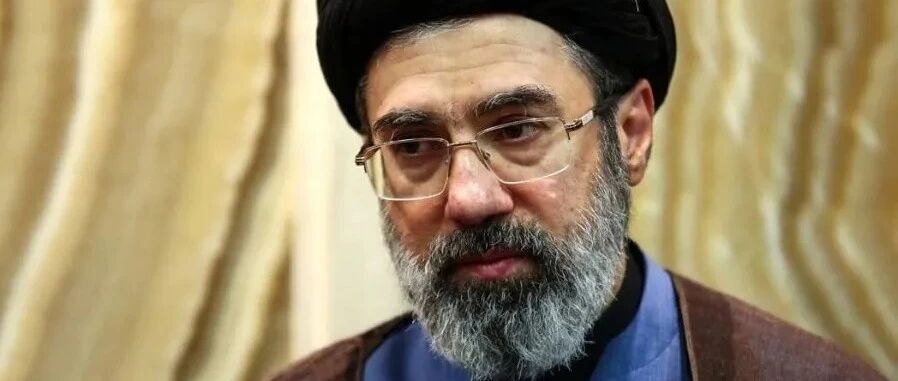
伊朗新任最高领袖,为何从不露面?
第一财经· 2026-03-30 04:26
Core Viewpoint - The article discusses the current state of Iran's leadership and its implications for the ongoing conflict with the U.S. and Israel, highlighting the limited public presence of the new Supreme Leader Mojtaba Khamenei and the active roles of other Iranian officials in negotiations and public statements [3][4]. Group 1: Leadership Dynamics - The new Supreme Leader Mojtaba Khamenei has rarely appeared in public since his election, which may be a precautionary measure for his safety amid ongoing conflicts [4][6]. - Key figures in the Iranian government, such as President Ebrahim Raisi, Foreign Minister Hossein Amir-Abdollahian, and Parliament Speaker Mohammad Bagher Ghalibaf, have been more visible, indicating a shift in the power dynamics following the assassination of other prominent leaders [6][7]. Group 2: U.S.-Iran Relations - There are indications that the U.S. is uncertain about which Iranian officials to engage with for negotiations, as it has reportedly advised Israel not to target Ghalibaf and Amir-Abdollahian, suggesting a lack of clarity in U.S. intelligence regarding Iran's leadership structure [7][6]. - Despite the visible absence of Khamenei, it is suggested that he is still influencing Iran's actions and strategies through secure channels, maintaining control over the country's response to the conflict [4][7].
如何穿越市场波动?徐志敏王康宁李岳最新交流,直面当前市场最热议五大话题……
聪明投资者· 2026-03-30 03:33
Group 1 - The core theme of re-industrialization is a long-term trend, with AI accelerating this process [22] - The domestic internet giants are viewed positively in terms of AI applications, as they have accumulated vast amounts of data and customer bases [35] - The investment strategy should focus on avoiding FOMO (Fear of Missing Out) and instead look for solid companies that can withstand market volatility [40][82] Group 2 - The real estate market is expected to stabilize or see a reduced decline, which will likely lead to a recovery in consumer spending [90] - The consumption sector is undergoing a transformation, with new consumer demands emerging, such as spiritual and self-care consumption [97] - Companies with strong business models in the consumer sector are becoming increasingly attractive, especially as valuations have returned to reasonable levels [84][90] Group 3 - The concept of "HALO assets" is discussed, indicating that not all assets will benefit from the AI revolution, and a focus on intangible assets like R&D and brand value is essential [49][120] - The investment landscape is shifting, with a focus on upstream sectors benefiting from re-industrialization and technological infrastructure investments [20][44] - The impact of geopolitical tensions, such as the US-Iran conflict, is creating uncertainty, but companies with strong fundamentals are expected to navigate these challenges effectively [60][75] Group 4 - The trend of Chinese companies going global is seen as a natural progression, with a focus on manufacturing capabilities and brand strength [100][106] - The investment strategy should prioritize companies that have a competitive edge in international markets, particularly in manufacturing and technology [107][110] - Caution is advised regarding companies heavily reliant on the domestic market, as their growth potential may be limited [107]
铝 | 中东两大铝企遭袭,铝供应再遭冲击
中金有色研究· 2026-03-30 01:32
Core Viewpoint - The ongoing conflict between the U.S. and Iran has significantly impacted aluminum supply, with recent missile and drone attacks on aluminum plants in the UAE and Bahrain potentially leading to further supply constraints [2] Group 1: Impact of Attacks on Aluminum Supply - The attacked plants, Emirates Global Aluminium's Tawi'lah facility and Bahrain Aluminium, have a combined annual capacity of approximately 3.9% of global aluminum production, with capacities of 1.52 million tons and 1.62 million tons respectively [2] - If these facilities are severely damaged, the recovery time could extend to several years, leading to a notable short-term reduction in supply [2] Group 2: Regional and Global Supply Chain Risks - The ongoing conflict has lasted for over a month, with no signs of de-escalation, which may continue to affect the aluminum supply chain in the Middle East and globally [2] - Increased production safety risks could lead to wider shutdowns in the region, as energy supply disruptions may cause instability in power supply to aluminum smelters, increasing the likelihood of accidents [2] - The closure of the Strait of Hormuz could disrupt both raw material imports and product exports, with the region's alumina import dependency at 68%, raising the possibility of reduced aluminum production and plant shutdowns [2][3] Group 3: European Market Implications - European energy prices have surged, with natural gas prices increasing by 80% since the onset of the U.S.-Iran conflict, which could lead to further increases in electricity prices that are heavily influenced by gas costs [3] - The potential for aluminum production cuts or shutdowns in Europe is heightened due to these energy price pressures [3] Group 4: Market Outlook - The widening aluminum supply-demand gap, coupled with the vulnerabilities introduced by the U.S.-Iran conflict and supportive global fiscal and monetary policies, suggests that aluminum prices may reach new highs [3] - The low-cost environment may further expand profit margins per ton of aluminum [3]

四月:中大市值,能源安全,通胀友好,估值偏低,业绩确定
ZHESHANG SECURITIES· 2026-03-29 11:28
Core Insights - The report anticipates a large-cap style preference for April, with a balanced valuation style and a focus on traditional industries [1][2][3] - Key sectors to focus on include transportation, power equipment and new energy, coal, utilities, banking, pharmaceuticals, basic chemicals, and agriculture, forestry, animal husbandry, and fishery, particularly those that are not adversely affected by rising energy prices or are relatively undervalued [1][2][3] Style Rotation - The style rotation indicates a preference for large-cap stocks, with a balanced valuation style and a focus on traditional industries [2][12] - The report highlights that the performance of large-cap stocks is expected to be resilient due to improving PPI trends, which support earnings growth, particularly in traditional sectors [29][31] - April is historically a strong month for the correlation between stock prices and earnings, suggesting that large-cap stocks with strong earnings certainty may outperform [31][45] Industry Allocation - The report emphasizes two principles for industry allocation: sectors that are not adversely affected by rising energy prices and those that are relatively undervalued [2][3] - The top ten attractive sectors based on the industry scoring table include transportation, coal, utilities, banking, pharmaceuticals, agriculture, power equipment, telecommunications, basic chemicals, and electronics [2][3] - Specific focus areas include transportation benefiting from Middle Eastern conflicts, banks with lower sensitivity to geopolitical and oil price fluctuations, and pharmaceuticals experiencing upward trends in innovation [2][3][12] Sector Recommendations - The report suggests focusing on sectors that meet at least one of the criteria of being unaffected by rising energy prices or being relatively undervalued [3][12] - The report identifies transportation (oil shipping), new energy, and traditional energy sectors as key areas of interest, particularly in the context of rising oil prices and energy security [2][3][12] - The report also highlights the potential for cyclical commodities, particularly basic chemicals and agriculture, to experience upward momentum [2][3][12]
伊朗袭击阿联酋巴林两家与美相关铝厂
21世纪经济报道· 2026-03-29 02:18
Group 1 - The Iranian Islamic Revolutionary Guard Corps announced that it effectively targeted aluminum plants in the UAE and Bahrain associated with the United States using missiles and drones [1][2] - The targeted aluminum plants are linked to the US military and aerospace industries, specifically the facilities of Emirates Global Aluminium and Bahrain Aluminium [2] - Iran stated that its response to enemy threats will no longer be limited to reciprocal strikes but will involve "more lethal strikes" against the enemy's military and economic systems [2]