大宗商品元年

Search documents
美伊战争:四大进展
泽平宏观· 2026-03-29 16:06
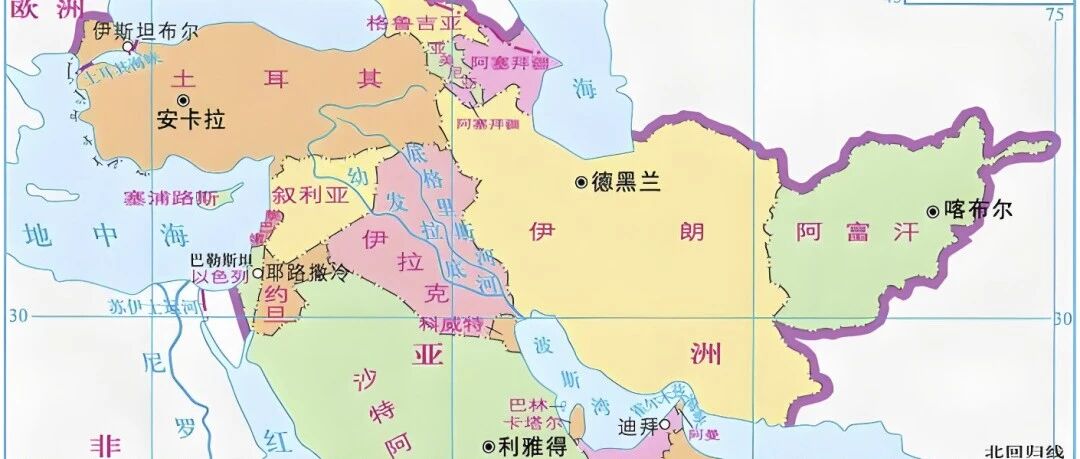
Core Viewpoint - The ongoing US-Iran conflict has exceeded initial expectations of resolution within four weeks, evolving into a "fight while negotiating" scenario, characterized by extreme strategic gamesmanship [1]. Group 1: Recent Developments - The US military is preparing to seize Khark Island, which is crucial for Iran's oil exports, aiming to cut off Iran's economic lifeline without occupying territory or engaging in a prolonged conflict [2][10]. - The US plans to deploy up to 10,000 additional ground troops to the Middle East, while Iran has mobilized over 1 million combat personnel in response [2]. - Negotiations between the US and Iran are at an impasse, with the US demanding the reopening of the Strait and resolution of nuclear issues, while Iran seeks guarantees against future conflicts and compensation [2][9]. Group 2: Signs of De-escalation - There are indications of a potential de-escalation, as US Vice President Vance stated that the US has no intention of remaining in Iran and will withdraw after addressing current issues [3][10]. - Trump's approval ratings have plummeted to a historic low of 36%, coinciding with rising anti-war sentiments and protests in the US [3][12]. - The conflict has led to unexpected outcomes, including a surge in oil prices and military expenditures, with the US requesting an additional $200 billion for military budgets [3][12]. Group 3: Future Scenarios - The future of the conflict hinges on three potential scenarios: 1. Substantial negotiations leading to a de-escalation and a dignified exit for the US, resulting in a significant drop in energy prices and easing inflation concerns [4][20]. 2. A prolonged psychological battle with both sides accumulating leverage, leading to high volatility in oil prices and global markets [4][24]. 3. A strategy of deception aimed at prolonging the conflict, potentially resulting in a long-term war and a global energy crisis reminiscent of the 1970s [4][30]. Group 4: Economic Implications - The conflict has caused significant fluctuations in global asset prices, with oil prices experiencing a dramatic drop of over 9% before rebounding due to ongoing tensions [11]. - High oil prices are exacerbating inflation in the US, with Brent crude rising from $70 to nearly $120 per barrel, impacting consumer prices and economic growth [13][14]. - The potential for a prolonged conflict could lead to a significant economic downturn, with the risk of stagflation and recession looming if oil prices remain elevated [13][15].

任泽平年度预测:2026十大趋势
泽平宏观· 2026-03-27 11:18
Group 1 - The core viewpoint of the article is that AI will significantly change the world, marking the beginning of a new Kondratiev wave driven by innovation and technology [10][29][58] - The first major trend identified is the global monetary easing cycle, which is expected to exceed expectations, leading to an AI explosion and a bull market in commodities and stock markets [10][12][19] - The article predicts that by 2026, the US Federal Reserve will implement a "rate cut + weak dollar" strategy to alleviate debt burdens and attract manufacturing back to the US, prompting other countries to follow suit [12][15][17] Group 2 - The second major trend is the dawn of a new Kondratiev wave, which will bring about a decade of upward innovation, presenting significant opportunities for individuals [29][34][36] - The article emphasizes that economic cycles are driven by innovation, with the current Kondratiev wave being led by AI, which is expected to create new wealth opportunities and companies by 2026 [34][36][38] - It discusses the cyclical nature of economies, highlighting the importance of recognizing and adapting to these cycles for financial success [32][36][38] Group 3 - The third major trend is that AI is not just a trend but a "tsunami," indicating a profound and rapid transformation across various sectors [58][60] - The article highlights the advancements in AI showcased at events like CES, where AI technologies, including robotics and autonomous driving, are rapidly evolving and gaining public attention [61][63] - It predicts that AI will fundamentally alter industries, leading to the replacement of many jobs and the emergence of new business models, such as "one-person companies" utilizing AI agents for various tasks [70][72][73] Group 4 - The article addresses the challenges posed by population aging, declining birth rates, and the rising costs of education and child-rearing, exacerbated by AI-induced job displacement [87][89] - It reflects on the historical development of AI, noting its ups and downs, and emphasizes the breakthroughs that have led to its current capabilities [90][94][96] - The narrative includes the story of Geoffrey Hinton, a key figure in AI development, and his concerns about the implications of AI advancements for humanity [117][120][122]





任泽平年度预测今日开讲,请拿好新世界的入场券
泽平宏观· 2026-03-25 16:06
Core Viewpoint - The article discusses the upcoming annual prediction event hosted by Ren Zeping, focusing on macroeconomic trends and investment opportunities for the next decade, particularly in the context of global monetary easing and technological advancements [4][5][6]. Group 1: Event Overview - The event will feature Ren Zeping's "Top Ten Annual Predictions for 2026," aiming to simplify complex macroeconomic trends and identify future opportunities [4]. - The annual prediction series has gained significant attention since its inception in 2022, with a large audience and high engagement across various platforms [7][9]. Group 2: Key Predictions - The first prediction emphasizes a new cycle and era, encouraging a proactive approach to seizing new opportunities [13]. - The second prediction highlights the global shift towards a rate-cutting cycle, influenced by geopolitical factors such as "Trump 2.0," leading to differentiated economic growth [14]. - The third prediction notes the ongoing fourth technological revolution, with breakthroughs in AI, renewable energy, commercial aerospace, low-altitude economy, and biomanufacturing [16]. - The fourth prediction indicates that China is initiating macroeconomic easing to boost confidence and develop new infrastructure and productivity [18]. - The fifth prediction discusses the transition of enterprises from export to global expansion, emphasizing localization as a key strategy [20]. - The sixth prediction anticipates a significant explosion in AI applications, including image recognition, humanoid robots, AI assistants, and consumer electronics [21]. - The seventh prediction points to an accelerated revolution in renewable energy, with opportunities in automotive exports, smart driving, solid-state batteries, energy storage, and hydrogen energy [22]. - The eighth prediction suggests a return to consumer-centric retail, with a focus on offline experiences and cultural consumption appealing to younger demographics [24]. - The ninth prediction addresses the post-real estate era, predicting market stabilization and demographic shifts towards urban clusters [25]. - The tenth prediction focuses on addressing aging and declining birth rates, seizing opportunities in the silver economy, and emphasizing early childhood development [27].
美伊战争大反转?
泽平宏观· 2026-03-24 08:24
Core Viewpoint - The article discusses the recent developments in the US-Iran conflict, highlighting the potential implications for oil prices, inflation, and the upcoming US midterm elections. It suggests that the conflict is influenced by multiple pressures on the US, including high oil prices, political pressures, and military expenditures, which may lead to a shift in strategy towards negotiations with Iran [2][7]. Group 1: Recent Developments - On March 21, Trump demanded Iran to open the Strait of Hormuz within 48 hours or face destruction of its power plants. On March 23, he signaled a willingness to negotiate, announcing a five-day pause in attacks on Iranian energy facilities [2][5]. - Following Trump's announcement, global market panic eased, leading to a significant drop in oil prices, with WTI crude oil contracts falling by 9.53% and Brent crude by 9.44% on the same day [6][7]. - The US is under pressure from high oil prices, which have surged from around $70 per barrel to nearly $120, impacting inflation and economic growth [7][8]. Group 2: Future Scenarios - The article outlines three potential scenarios for the US-Iran conflict: 1. Substantial negotiations leading to a de-escalation of conflict, resulting in a significant drop in energy prices and easing inflation concerns [3][12]. 2. A psychological warfare phase where both sides engage in limited negotiations while maintaining military readiness, potentially leading to fluctuating oil prices [16][20]. 3. A prolonged conflict characterized by strategic deception, where the US aims to weaken Iran without genuine negotiations, possibly leading to a global energy crisis reminiscent of the 1970s [22][24]. Group 3: Geopolitical Implications - The US seeks to maintain dominance in the Middle East by undermining Iran's nuclear capabilities and controlling its energy resources, as Iran holds significant oil and gas reserves [9][10]. - The conflict is viewed as part of a broader resource war, with the US aiming to secure its interests in oil and maintain the "petrodollar" system amidst rising global competition for resources [10][25]. - Historical parallels are drawn to previous oil crises, suggesting that the current situation could lead to similar economic disruptions if the conflict escalates [25][28].

任泽平年度预测邀请:2026十大趋势—AI改变世界
泽平宏观· 2026-03-14 16:04
Core Viewpoint - The article emphasizes the prediction of seven major events in 2026, including the end of a major cycle, increased geopolitical tensions, global interest rate cuts, the explosion of AI super applications, the rise of China's AI capabilities, a bullish stock market, and a bifurcation in the real estate market [3]. Group 1: Major Predictions for 2026 - The article outlines that 2026 will witness significant changes, including the arrival of AI as a transformative force, with advancements in large models, autonomous driving, and AI in healthcare [3]. - It highlights the importance of understanding macro trends to seize investment opportunities, encouraging a long-term optimistic outlook [3]. - The article mentions a live event on March 26, 2026, where the annual predictions will be shared, continuing a tradition of insightful economic forecasts [4]. Group 2: Historical Context and Impact - The annual predictions have gained substantial attention, with over 500 million total views across platforms and single-platform viewership exceeding 10 million, establishing it as a significant event for entrepreneurs and investors [4][7]. - Previous predictions have included themes such as "new infrastructure" and "confidence bull market," which have been validated over time, showcasing the accuracy and influence of the forecasts [7]. - The event has become a phenomenon in the financial community, with a significant online presence and engagement, reflecting its importance in the industry [7].

任泽平年度预测邀请:2026十大趋势—AI改变世界
泽平宏观· 2026-03-13 16:06
Core Viewpoint - The article emphasizes the prediction of seven major events for 2026, including the end of a major cycle, increased geopolitical tensions, global interest rate cuts, the rise of AI applications, a bullish stock market, a new era for commodities, and a bifurcation in the real estate market [3]. Group 1: Major Predictions for 2026 - The article outlines that 2026 will witness significant changes driven by AI, which is described as a tsunami rather than a trend [3]. - Key predictions include the emergence of AI as a super assistant, advancements in autonomous driving, rapid progress in robotics, breakthroughs in AI healthcare, and China's initiatives in space technology [3]. - The article encourages embracing the Kondratiev wave cycle, suggesting a slow bull market ahead [3]. Group 2: Annual Forecast Event - The annual forecast event has gained significant attention, with previous editions achieving over 500 million views across platforms, and single-platform viewership exceeding 10 million [4][7]. - The upcoming event on March 26, 2026, will focus on the ten major trends and will feature discussions on macroeconomic trends, capital markets, and industry transformations [4][7]. - A closed-door meeting with industry leaders and top investors is planned for March 27, 2026, to discuss future opportunities in AI [4].

美伊战争:进展、影响和展望
泽平宏观· 2026-03-13 01:58
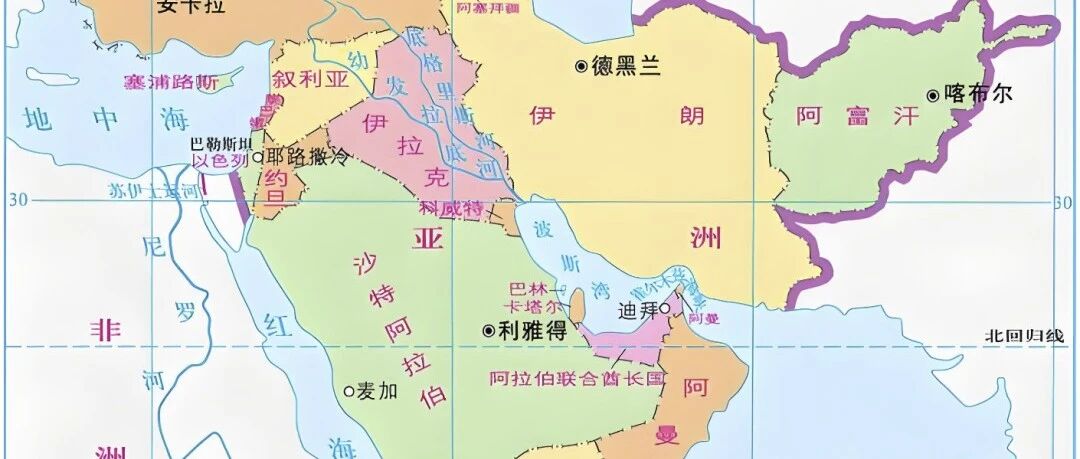
Core Viewpoint - The article discusses the ongoing conflict between the US and Iran, highlighting Iran's desire for revenge and control over the Strait of Hormuz, while the US seeks a dignified end to the war to avoid inflation and its impact on the midterm elections for Trump [1][4]. Group 1: Conflict Overview - On February 28, the US and Israel launched a joint attack on Iran, marking the largest military action in the Middle East since the Iraq War in 2003 [6]. - The attack targeted key strategic military sites in Iran, resulting in significant damage and the death of Iran's Supreme Leader, Khamenei [6]. - Iran retaliated with missile strikes against US military bases in several Middle Eastern countries [6]. Group 2: Geopolitical Context - The conflict is rooted in the nuclear issue, with the US demanding the dismantling of Iran's nuclear facilities, which Iran rejected [4][13]. - The US aims to weaken Iran's nuclear capabilities and control over energy resources, particularly given Iran's significant oil and gas reserves [14]. - Iran controls critical shipping routes in the Strait of Hormuz, through which approximately 20% of global oil consumption is transported [14]. Group 3: Market Reactions - Following the conflict, there was a notable increase in oil prices and a decline in cryptocurrency values, with heightened risk aversion in the markets [5][17]. - Three potential scenarios for the conflict's impact on markets are outlined: a quick resolution leading to market normalization, prolonged conflict causing sustained high oil prices, or a full-scale regional war resulting in a global energy crisis [5][19][28]. Group 4: Historical Context and Implications - The article draws parallels to past oil crises, noting that the current conflict could lead to a new era of commodity price surges, similar to the oil crises of the 1970s [29][30]. - Historical patterns indicate that geopolitical conflicts often lead to significant asset price fluctuations, particularly in energy markets [30][31]. - The potential for a prolonged conflict raises concerns about inflation and monetary policy tightening, which could adversely affect global stock markets [33].
任泽平年度预测邀请:2026十大趋势—AI改变世界
泽平宏观· 2026-03-11 16:06
Core Viewpoint - The article emphasizes the prediction of seven major events for 2026, including the end of a major cycle, increased geopolitical tensions, global interest rate cuts, the explosion of AI super applications, the rise of China's AI capabilities, a bullish stock market, and a bifurcation in the real estate market [3]. Group 1: Major Predictions for 2026 - The article outlines that 2026 will witness significant changes, including the arrival of AI as a transformative force, with advancements in large models, autonomous driving, and AI in healthcare [3]. - It highlights the importance of understanding macro trends to seize investment opportunities, encouraging a long-term optimistic outlook [3]. - The annual prediction event has gained substantial attention, with previous editions achieving over 500 million views across platforms, indicating a strong interest from entrepreneurs and investors [4][7]. Group 2: Event Details - The annual prediction event is scheduled for March 26, 2026, where the focus will be on the ten major trends that will shape the future [3]. - A closed-door meeting featuring prominent figures from technology companies and investment institutions will take place on March 27, 2026, to discuss future opportunities in AI [4]. - The event has established itself as a significant annual gathering, with a history of accurate predictions that have been validated over time [7].

任泽平年度预测邀请:2026十大趋势—AI改变世界
泽平宏观· 2026-03-10 16:05
Core Viewpoint - The article emphasizes the prediction of seven major events for 2026, including the end of a major cycle, increased geopolitical tensions, global interest rate cuts, the rise of AI applications, a bullish stock market, a new era for commodities, and a bifurcation in the real estate market [3][4]. Group 1: Major Predictions for 2026 - The article outlines that 2026 will witness significant changes driven by AI, which is described as a tsunami rather than a trend [3]. - Key predictions include the emergence of AI as a super assistant, advancements in autonomous driving, rapid progress in robotics, breakthroughs in AI healthcare, and China's initiatives in space technology [3][4]. - The article encourages embracing the Kondratiev wave cycle, suggesting a slow bull market ahead [3]. Group 2: Annual Forecast Event - The annual forecast event has gained significant attention, with previous editions achieving over 500 million views across platforms, making it a highly anticipated gathering for entrepreneurs and investors [4][7]. - The upcoming event on March 26, 2026, will focus on the ten major trends and will feature discussions on the future opportunities presented by AI [4][7]. Group 3: Historical Context and Impact - The series of annual predictions has established a high standard, with past forecasts such as "new infrastructure" and "confidence bull market" being validated over time [7]. - The event has consistently reached a wide audience, with over 30 million viewers and significant engagement on social media platforms [7].

任泽平年度预测邀请:2026十大趋势—AI改变世界
泽平宏观· 2026-03-08 16:05
Core Viewpoint - The article outlines seven significant events expected to occur in 2026, including the end of a major cycle, increased geopolitical turmoil, global interest rate cuts, the explosion of AI super applications, the rise of China's AI capabilities, a bullish stock market, and a bifurcation in the real estate market [3][4]. Group 1: Major Predictions for 2026 - The article predicts that AI will fundamentally change the world, with advancements in large models, autonomous driving, robotics, and AI in healthcare [3][4]. - It emphasizes the importance of embracing the Kondratiev wave cycle, suggesting a "slow bull" market ahead, contrasting with a "slow bear" market [3][4]. - The author has a history of accurate predictions, including the "5000 points is not a dream" in 2014 and "new infrastructure" in 2020, indicating a strong track record in forecasting [3][4]. Group 2: Annual Forecast Event - The annual forecast event has gained significant attention, with over 500 million total views across platforms and more than 10 million views on a single platform, making it a highly anticipated event for entrepreneurs and investors [4][7]. - The event will feature a closed-door meeting with industry leaders and top investors to discuss future opportunities, particularly focusing on China's AI capabilities [4][7]. - The series of annual predictions has established high standards and has been validated over time, contributing to its phenomenon status in the financial community [7].