
教育资源配置

Search documents
不能简单“增补”,应在宏观维度下推进
Xin Lang Cai Jing· 2026-02-05 22:20
Core Insights - The article emphasizes the need for expanding high school enrollment to better allocate quality educational resources, as highlighted by a local education leader [1][2] Group 1: Educational Resource Allocation - The provincial government has committed to increasing the supply of ordinary high school seats, addressing the demand for quality education [1] - A precise prediction of population trends is essential, especially during the "14th Five-Year Plan" period, to ensure that new quality resources are allocated effectively in areas experiencing population growth [1] - The article suggests that educational resource allocation should not solely depend on student numbers but should also consider the quality and diversity of education across different stages [1] Group 2: Policy Optimization and Integration - There is a call for optimizing and integrating educational policies by leveraging experiences from small class reforms and group-based schooling to facilitate resource flow across different educational stages [1] - The exploration of creating "education resource allocation experimental zones" that adapt to population changes is proposed to systematically enhance high school seat supply and the scientific layout of educational resources [1] - A comprehensive approach is recommended to address multiple issues related to enrollment, teacher-student ratios, and educational equity [1]
2026年学位“警报”再响!多地紧急部署中小学扩增渡峰
2 1 Shi Ji Jing Ji Bao Dao· 2026-02-04 12:57
Group 1 - The annual warning of school capacity shortages has been issued in several cities, indicating that the number of school-age children entering school in 2026 will exceed the available seats [2][4] - The complexity of educational resource allocation is highlighted by the population changes, with some cities facing tight school capacities due to population inflow, while others experience internal disparities in school-age populations [3][4] - Various local governments are discussing measures to adapt educational resources to population changes, with some setting specific targets for new school seats by 2026 [3][6] Group 2 - Guangzhou has issued warnings for eight districts, with over 20 schools in Baiyun and Zengcheng districts facing capacity issues, and the overall student population is expected to peak in 2026 [4][5] - The government of Guangzhou plans to add 460,000 public school seats by 2025 and an additional 50,000 seats in 2026, including 15,000 for high schools [4][6] - Other cities, such as Hangzhou and Tianjin, are also planning significant increases in school capacity, with Hangzhou adding 68,000 new seats and Tianjin 17,000 [6][8] Group 3 - The shift in school-age populations is described as "wave-like," with different educational stages peaking at different times, impacting the demand for school seats [5][7] - Many regions are focusing on increasing high school seats to address the growing demand, with various local governments announcing plans to add tens of thousands of high school seats [7][8] - The increase in high school seats is seen as a response to parental concerns about access to general high school education, with many regions aiming for high enrollment rates in regular high schools [8][9] Group 4 - The 2026 Central Document No. 1 emphasizes the need to optimize the layout of rural schools and kindergartens, highlighting the importance of maintaining necessary small-scale rural schools [10][11] - Strategies for managing rural education include building standardized small-scale schools and enhancing county-level educational networks to improve educational equity [11][12] - The dynamic balance of educational resources, particularly teacher allocation, is crucial as the country faces both peaks and declines in school-age populations [12]

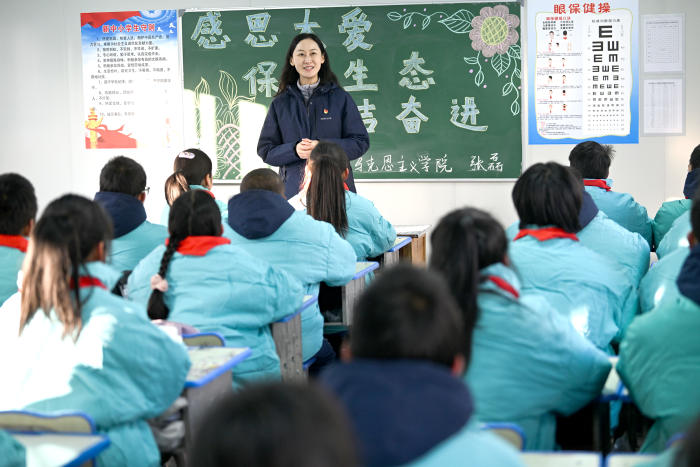
多元化整合,应对人口流动和教育需求
Xin Hua Ri Bao· 2026-02-02 22:26
Core Viewpoint - There is a strong demand from the public for the establishment of more quality preschool education institutions in Jiangsu, emphasizing the need for children to not only "enter school" but also "enter good schools" [1] Group 1: Current Challenges in Preschool Education - Many regions in Jiangsu are facing fluctuations in the total number of eligible preschool children, necessitating dynamic adjustments in resource allocation among regions and institutions to maximize educational effectiveness [1] - The need to activate idle school places and accurately respond to population movements and educational demands is highlighted [1] Group 2: Proposed Solutions - A proposal to promote a diversified integration model across the province, incorporating weak urban kindergartens and rural preschools into a collective development framework for quality preschool education [1] - The integration of curriculum, research, and management resources is suggested to ensure unified sharing among institutions [1] - For smaller and lower-quality kindergartens, strategies such as mergers and management transfers are recommended to avoid wasting public resources [1] Group 3: Addressing Childcare Needs - In response to the societal call for "integrated childcare," there is encouragement for qualified kindergartens to explore flexible childcare models, offering half-day, hourly, and holiday care services [1] - Strict safety standards must be implemented to create a preschool education model that reflects local characteristics, laying a foundation for children's healthy growth [1]

主城区拟新规划中小学693所
Zheng Zhou Ri Bao· 2025-12-31 00:52
Group 1 - The core viewpoint of the news is the public consultation on the "Zhengzhou Primary and Secondary School Special Plan (2025-2035)" initiated by the Municipal Education Bureau, which aims to optimize educational resource allocation and adapt to urban development and population changes [1] - The plan forecasts the scale, structure, and spatial distribution trends of school-age population in Zhengzhou over the next decade, establishing a tiered planning index system to provide quantitative basis for school capacity and layout [1] - It is predicted that the primary school-age population in Zhengzhou will experience a growth, decline, and then growth trend from 2024 to 2035, with a target of 66 students per thousand by 2035 [1] Group 2 - By 2028, the plan aims for class sizes in primary and secondary schools to meet national standards, with primary classes capped at 45 students and junior high classes at 50 students [2] - The plan outlines that by 2035, all primary and secondary schools will achieve standardized quality teaching goals, addressing the demand for quality high school education in the city [2] - The proposed school planning includes retaining 320 existing primary schools, 33 nine-year integrated schools, 124 junior high schools, and 36 high schools, while planning for the construction of 354 new primary schools and 210 new junior high schools [2]
稳步推进23所学校新改扩建项目!南京市江宁区教育局局长擘画“十五五”发展新蓝图
Yang Zi Wan Bao Wang· 2025-12-15 10:45
Core Viewpoint - The article discusses the educational development in Jiangning District, Nanjing, highlighting achievements during the "14th Five-Year Plan" and outlining goals for the upcoming "15th Five-Year Plan" in education quality and resource allocation [1][2]. Group 1: Achievements During "14th Five-Year Plan" - Jiangning District has built and renovated 75 schools, adding 65,000 public school places, with a coverage rate of 93% for quality and inclusive kindergartens [1][2]. - A total of 3,348 teaching staff have been recruited, including 33 high-level educational talents, with 65 senior teachers and 55 provincial special-level teachers, leading the city in the number of provincial special-level teachers [1][2]. Group 2: Educational Quality and Student Development - The district aims for nearly 45% of high school graduates to enter key universities and 80% to enter undergraduate institutions by 2025, focusing on student-centered learning and diverse extracurricular activities [2][3]. - The implementation of the "Double Reduction" policy has optimized after-school services, offering thousands of activity courses to promote students' healthy growth and comprehensive development [2][3]. Group 3: Future Goals for "15th Five-Year Plan" - The district plans to optimize educational resource allocation based on changes in school-age population, with 23 new or renovated school projects underway to meet enrollment demands [3]. - There will be a focus on enhancing teacher training mechanisms and promoting the flow of quality teaching resources to support integrated urban-rural education [3]. - The district aims to advance smart education transformation by integrating modern educational technologies and providing online educational resources for personalized learning [3].
面对人口变化,如何优化配置教育资源?
Zhong Guo Jing Ji Wang· 2025-12-02 03:17
Core Viewpoint - The article emphasizes the need for optimizing the allocation of educational resources in response to demographic changes, including declining birth rates, aging population, and regional population disparities in China [2][3]. Group 1: Educational Resource Allocation - The "14th Five-Year Plan" suggests establishing a mechanism for educational resource allocation that aligns with population changes [2]. - It highlights the importance of adapting educational strategies to the characteristics of school-age populations, which are influenced by demographic trends [2]. Group 2: Challenges and Requirements - By 2035, the goal is to build a strong education system that meets new demands and challenges posed by changes in population size and structure [3]. - The article outlines several principles for educational planning, including balancing immediate needs with long-term goals, ensuring supply while avoiding mismatches, and combining macro guidance with localized strategies [3]. Group 3: Quality and Equity in Education - There is a focus on improving the quality and level of public educational services, aiming to reduce disparities in education across urban-rural, regional, inter-school, and demographic lines [3]. - The ultimate objective is to ensure that every child has access to quality education, thereby better meeting public demand for good schooling [3].
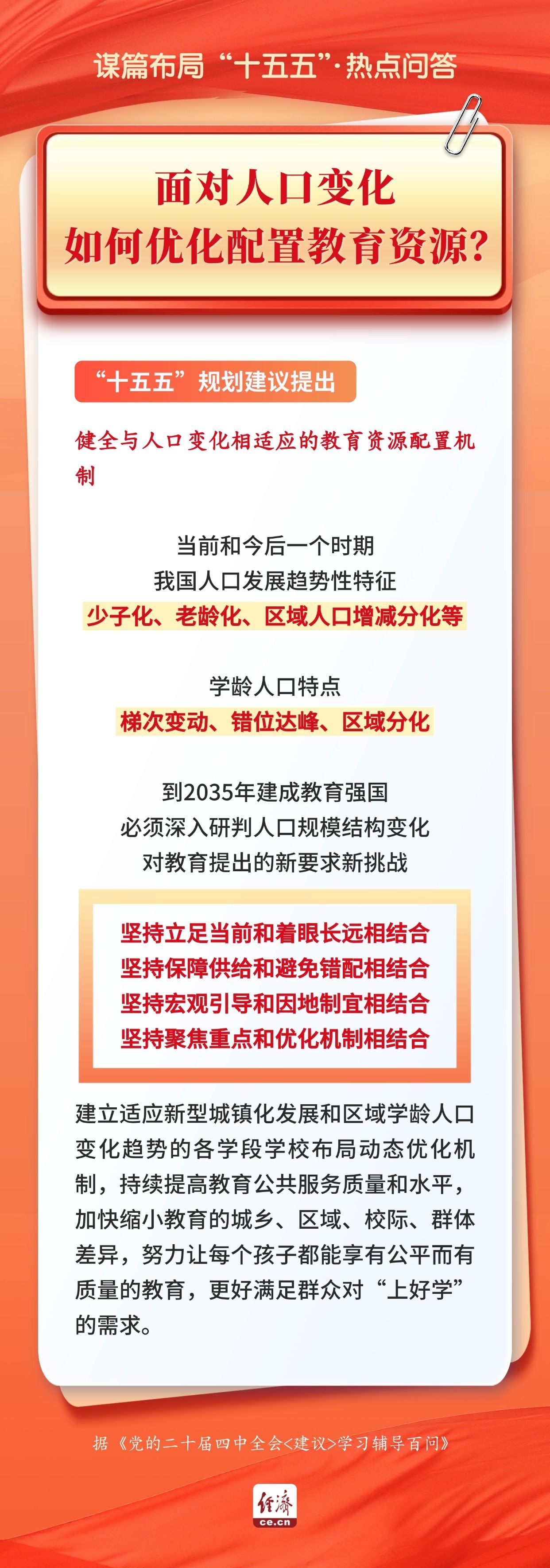
谋篇布局“十五五”·热点问答|面对人口变化,如何优化配置教育资源?
Zhong Guo Jing Ji Wang· 2025-12-02 01:55
Group 1 - The core viewpoint emphasizes the need to optimize the allocation of educational resources in response to demographic changes, including declining birth rates and an aging population [2][3] - The "14th Five-Year Plan" suggests establishing a mechanism for educational resource allocation that aligns with population changes, addressing the characteristics of school-age populations [2][3] - By 2035, the goal is to build a strong education system that meets new demands and challenges posed by changes in population structure, focusing on both current needs and long-term strategies [3] Group 2 - The plan advocates for a dynamic optimization mechanism for school layouts that adapts to new urbanization and regional changes in school-age populations, aiming to improve the quality of public education services [3] - It stresses the importance of reducing disparities in education across urban-rural, regional, inter-school, and demographic lines, ensuring equitable and quality education for every child [3]
去年初中教师增加6.58万
第一财经· 2025-11-28 11:03
Core Viewpoint - The article discusses the impact of changing birth rates on the education sector in China, highlighting the peak enrollment trends in various educational stages and the shifting dynamics of teacher distribution between urban and rural areas [3][4]. Group 1: Enrollment Trends - The number of primary school students in China reached its peak in 2023, with junior high school enrollment expected to peak in 2024, high school in 2029, and higher education age population in 2032 [3]. - In 2024, the number of junior high school enrollments increased by 941,200 compared to the previous year, marking four consecutive years of growth in junior high school enrollment [3]. Group 2: Teacher Distribution - In 2024, the number of junior high school teachers increased by 65,800, with urban junior high school teachers rising by 83,200, while rural junior high school teachers decreased by 17,600 [3][4]. - Among 31 provinces, 24 reported an increase in junior high school teachers, while 7 saw a decrease, indicating a trend of teacher concentration in urban areas [4]. Group 3: Policy and Resource Allocation - The changing population and social structure present new challenges for education, necessitating a dynamic adjustment of educational resources to match population changes [4][5]. - The article emphasizes the need for improved resource allocation mechanisms that consider the pressures before and after enrollment peaks, advocating for better integration of educational resources across different school stages [5].
我国高中学龄人口2029年达峰
第一财经· 2025-11-21 10:21
Core Viewpoint - The article discusses the impact of changing birth rates on the education sector in China, highlighting the need for effective resource allocation in response to the upcoming peaks in student populations at various educational stages [3][4]. Summary by Sections Population Trends and Education Enrollment - The number of primary school students in China peaked in 2023, with junior high school enrollment expected to peak in 2024, high school enrollment in 2029, and higher education age population in 2032 [3]. - In 2024, junior high school enrollment increased by 941,200 students compared to the previous year, marking four consecutive years of growth [3]. - The enrollment in general high schools reached 10.362 million in 2024, surpassing the 10 million mark for the first time, an increase of 684,000 students from the previous year [3]. - Conversely, enrollment in secondary vocational education decreased by 307,500 students to 4.5404 million [3]. Resource Allocation and Policy Recommendations - The article emphasizes the importance of adjusting educational resources in anticipation of the peaks in student populations, as outlined in the "Suggestions for the 15th Five-Year Plan" [4]. - It advocates for dynamic adjustments and resource sharing across different educational stages to enhance efficiency [4]. - Local governments are encouraged to facilitate resource sharing between primary and junior high schools and to consider building new schools with future population changes in mind [4]. High School Enrollment Trends - The number of students enrolling in general high schools has been on the rise, with the enrollment rate surpassing 60% for the first time in 2024, reaching 61.02% [4]. - The "County High School Revitalization Action Plan" was jointly issued by six departments to promote high-quality development in county-level high schools [4]. Vocational and General Education Integration - Various regions are implementing reforms to alleviate the anxiety surrounding the division between vocational and general education, including allowing students to transfer between vocational and general high schools [5][6]. - For instance, Zhejiang Province is exploring the establishment of comprehensive high schools that integrate general and vocational curricula, allowing students to choose their educational paths based on interests and abilities [5]. - The Shandong Provincial Education Department has introduced a mutual transfer policy between general high schools and vocational schools, effective from January 1, 2026 [6]. Case Studies of Educational Reforms - In Wenzhou, Zhejiang Province, a new policy allows for three opportunities for students to transfer between general and vocational schools during their high school years [7]. - Shijiazhuang has been piloting a program since 2010 to promote the integration of general and vocational education, allowing for mutual recognition of credits and transfer of student status [7].
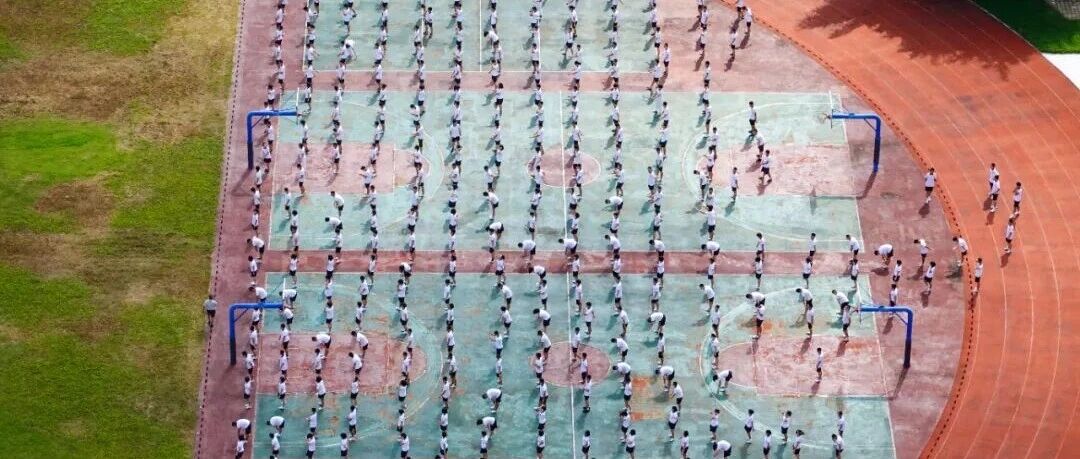
我国高中学龄人口2029年达峰 多地高中和中专可互相转学
Di Yi Cai Jing· 2025-11-21 09:47
Core Insights - The scale of primary school students has peaked in 2023, with junior high expected to peak in 2024 and senior high in 2029, indicating significant demographic shifts impacting the education sector [1] - In 2024, junior high enrollment is projected to increase by 941,200 students, marking four consecutive years of growth, while general high school enrollment will exceed 10 million for the first time, increasing by 684,000 students from the previous year [1] - The need for effective allocation of educational resources is critical to address the upcoming peaks in junior and senior high school populations [1] Enrollment Trends - The number of students enrolled in general high schools has been steadily increasing, surpassing 9 million in 2021 and reaching over 10 million in 2024, with a recorded admission rate of 61.02% [2] - The Ministry of Education has launched the "County-level General High School Revitalization Action Plan" to promote high-quality development in county-level high school education [2] Resource Allocation Strategies - The allocation of educational resources must consider the pressures before and after enrollment peaks, promoting resource sharing between primary and junior high schools [2] - New policies encourage the construction of comprehensive high schools that integrate general and vocational education, allowing students to choose their educational paths based on interests and abilities [3] Policy Developments - Shandong Province has introduced a mutual transfer policy between general high schools and vocational schools, effective January 1, 2026, allowing students to transfer within county jurisdictions [4] - Zhejiang Province has implemented a policy allowing mutual transfers between general and vocational students, providing three opportunities for transfer during specific academic periods [5]