
估值套利

Search documents
未拿“准行证”先闯资本市场,小鹏汇天被传秘密递表港股
Guo Ji Jin Rong Bao· 2026-01-15 10:45
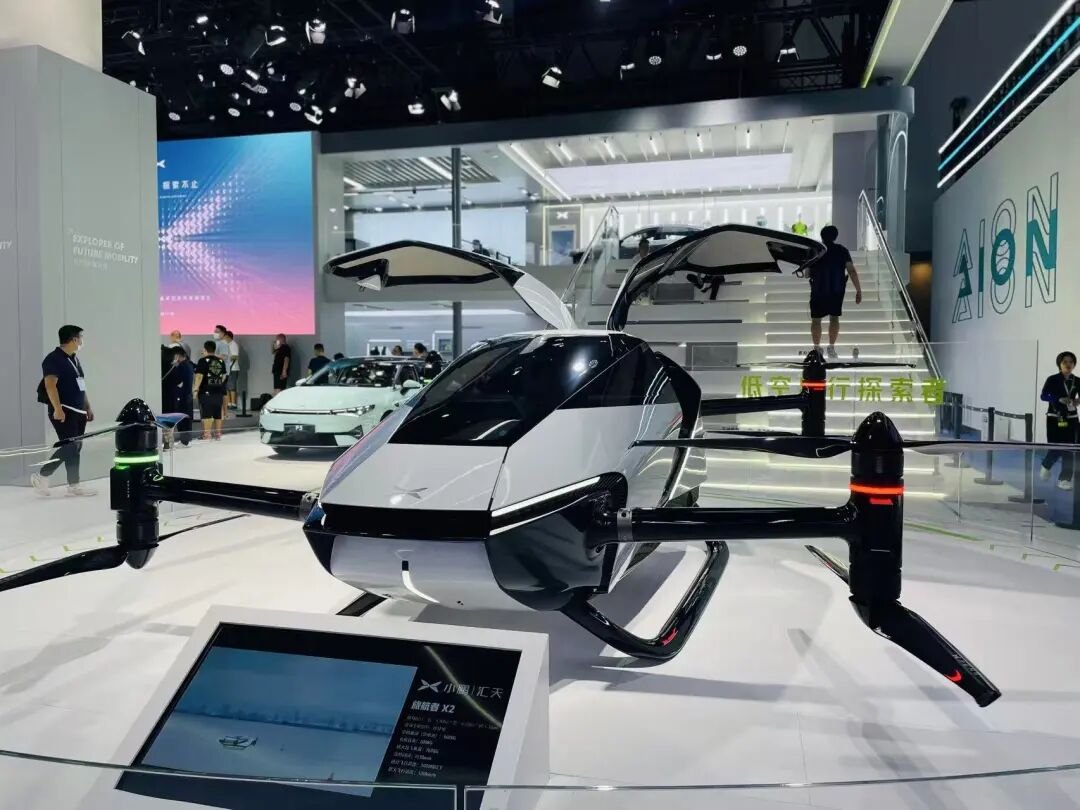
Core Viewpoint - Xiaopeng Motors is accelerating its entry into the capital market with its flying car division, Xiaopeng Huitian, by preparing for an IPO in Hong Kong, reflecting a significant need for funding to support its high R&D costs [1][2][4]. Funding and Financial Needs - Xiaopeng Huitian has reportedly accumulated over $750 million (approximately 5.375 billion yuan) in financing since its rebranding in 2020, but this is insufficient compared to competitors like Joby Aviation and EHang, which have much higher annual R&D expenditures [5][6]. - The company has received loans totaling 6 billion yuan from banks to support its flying car development and manufacturing [6][7]. - The decision to go public is seen as a critical step for Xiaopeng Huitian to secure additional funding for its ambitious projects [8][10]. Market Response and Stock Performance - Following the IPO news, Xiaopeng's stock price in Hong Kong saw significant activity, with a 4.85% increase shortly after the announcement [2]. Regulatory Challenges - Xiaopeng Huitian is currently facing the challenge of obtaining airworthiness certification, which is essential for the production and commercial operation of its flying vehicles [12][13]. - The certification process is complex and lengthy, with no official announcement regarding the completion of the necessary certifications as of January 2026 [14][16]. Competitive Landscape - The flying car market is becoming increasingly competitive, with major players like EHang and Joby Aviation already making strides in commercial operations and regulatory approvals [19][20]. - Xiaopeng Huitian's positioning as a personal flying vehicle contrasts with EHang's focus on urban air mobility, indicating a different market strategy [19]. Future Outlook - The success of Xiaopeng Huitian's IPO and its ability to secure the necessary certifications will be crucial for its future development and market acceptance [21].

想“上天”的小鹏,得先上市
3 6 Ke· 2026-01-12 12:46
Core Viewpoint - Xiaopeng Motors is preparing for an IPO of its flying car subsidiary, Xiaopeng Huitian, with the aim of entering the capital market and transitioning from concept validation to commercialization in the flying car industry [2][4][12]. Group 1: Industry Context - The flying car sector represents a significant opportunity for growth, with predictions indicating that the eVTOL market could reach 9.5 billion RMB by 2026 and potentially exceed 1 trillion USD by 2030 [8]. - The Chinese electric vehicle market has surpassed a 50% penetration rate, leading to intense competition and price wars among manufacturers [5][6]. - The industry is experiencing a "consumption war," where companies are forced to lower prices and increase vehicle features to maintain market share, resulting in a highly competitive environment [6][7]. Group 2: Company Strategy - Xiaopeng Motors aims to find a new growth avenue by focusing on flying cars, which are seen as a less saturated market compared to traditional automotive sectors [8][12]. - The decision to spin off Xiaopeng Huitian for an independent IPO is a strategic move to leverage higher valuations associated with technology firms rather than traditional automotive metrics [10][11]. - The company has raised over 750 million USD through multiple funding rounds prior to the IPO, indicating strong investor interest in its flying car ambitions [11]. Group 3: Challenges Ahead - Xiaopeng Huitian faces significant regulatory hurdles, particularly in obtaining the necessary airworthiness certifications, which are critical for the commercial operation of flying vehicles [13][14]. - The competition in the flying car market is fierce, with established players like EHang and international companies such as Joby Aviation already making strides in certification and commercialization [16][18]. - The success of Xiaopeng Huitian's IPO and subsequent operations will depend on its ability to secure funding, navigate regulatory challenges, and differentiate itself in a crowded market [20][21].


Promise of valuation parity with peers drawing Cognizant to Indian exchanges
MINT· 2025-10-30 13:51
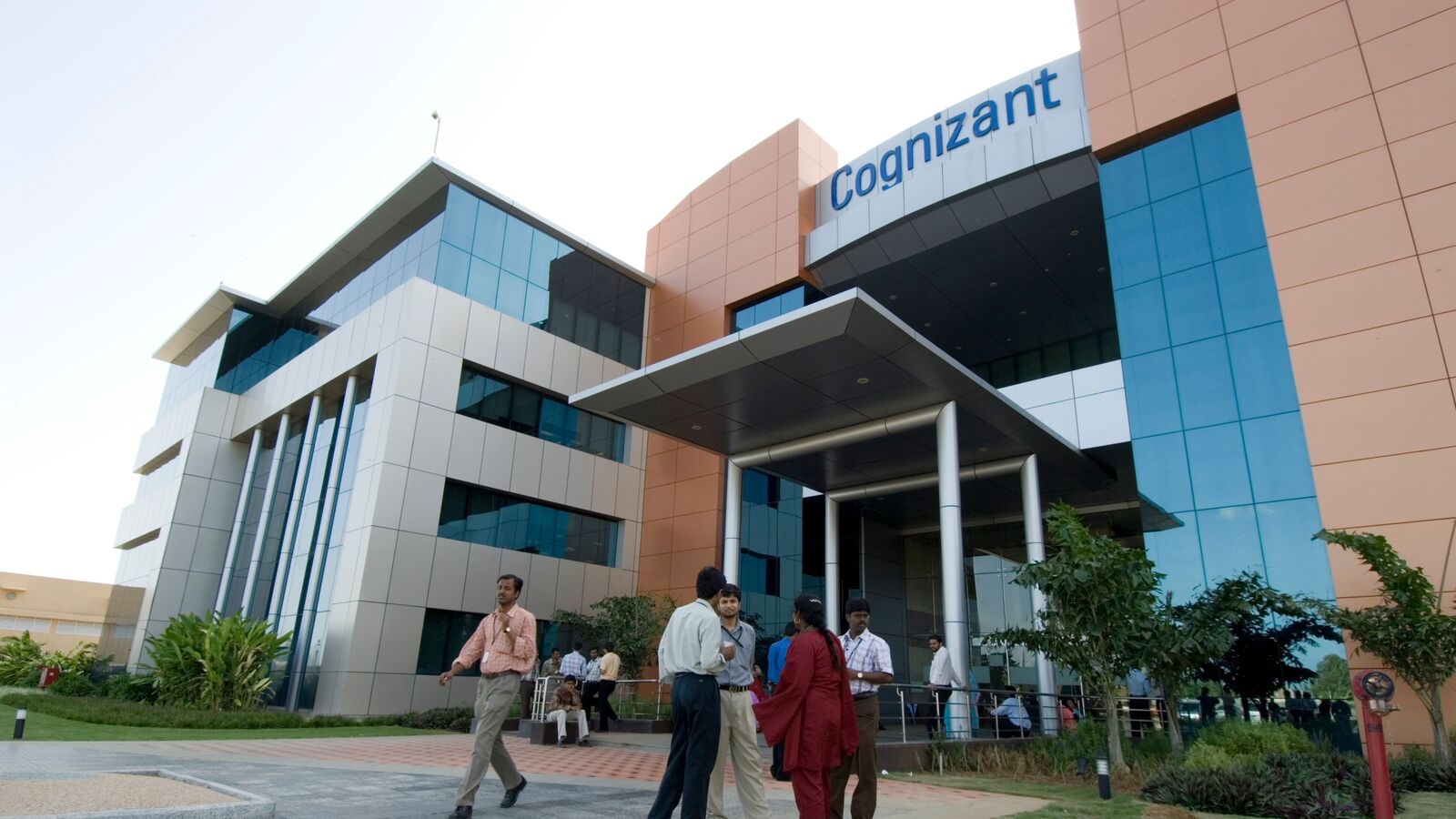
Core Viewpoint - Cognizant Technology Solutions Corp. generates more revenue than Infosys Ltd but is valued at only half of Infosys' market capitalization, indicating a significant valuation arbitrage opportunity as Cognizant considers a dual listing in India [1][2]. Group 1: Financial Comparison - Infosys has a market capitalization of $70.5 billion, while Cognizant is valued at $35.01 billion, despite both companies reporting comparable revenues of $19.74 billion and $19.28 billion, respectively [2]. - Cognizant's price-to-earnings (P/E) ratio stands at 16.59, compared to 18-25 for its Indian peers, suggesting a lower valuation despite generating more business than Infosys, HCL Technologies, and Wipro [5]. Group 2: Strategic Moves - Cognizant is in the exploratory phase of a dual listing in India, which could enhance its share value and attract investments from India-specific funds [6][7]. - The potential listing in India is seen as a way to unlock value and improve valuations, as it would allow Cognizant to access capital from India-centric funds [7]. Group 3: Market Dynamics - The rise of Generative AI is prompting Cognizant to consider a listing in India to gain financial flexibility for investments in AI platforms and automation, which are essential for adapting to changing market conditions [8][9]. - Cognizant's operating margins were reported at 14.7%, significantly lower than Tata Consultancy Services' 24.3% and Infosys' 21.1%, highlighting the need for strategic adjustments in response to competitive pressures [9]. Group 4: Historical Context - Cognizant was established in 1994 and became a separate entity in 1996, marking its entry into the US market during the Y2K boom, which positioned it as a key player in the IT services sector [4][11]. - The company experienced significant growth post-2008 financial crisis due to strategic reinvestments, but faced challenges in the following decade, leading to changes in leadership and a focus on recovery [12][13]. Group 5: Recent Performance - Cognizant reported a revenue of $5.42 billion in the last quarter, marking a 3.2% sequential increase and its best performance in four quarters, alongside signing three deals valued over $500 million [14].

美丽田园12.5亿收购思妍丽:高端美容市场整合加速,多品牌协同待考验
Sou Hu Cai Jing· 2025-10-16 13:36
Core Viewpoint - The acquisition of 100% equity of Siyuanli by Meili Tianyuan for 1.25 billion RMB marks a significant consolidation in China's high-end beauty service market, following the acquisition of another brand, Nairui'er, in 2024. This transaction is notable for its innovative financing structure, which includes a combination of cash, acquisition loans, and share payments, resulting in a "zero cash occupation" acquisition [1][4]. Financial Structure - The deal involves 330 million RMB in cash, 510 million RMB in acquisition loans, and 410 million RMB in share payments, effectively utilizing Siyuanli's 360 million RMB cash reserves to cover the cash component [4]. - The acquisition corresponds to a price-to-earnings (PE) ratio of approximately 14.8 times for Siyuanli, significantly lower than Meili Tianyuan's PE of 29.5 times and the industry average of 23.3 times, indicating a valuation arbitrage opportunity [4]. Market Positioning - Meili Tianyuan's acquisition strategy positions it strongly within the high-end beauty market, with a total of 734 stores post-acquisition, effectively doubling its store count since its IPO. The company will control three of the top four brands in the industry [1][5]. - The acquisition allows Meili Tianyuan to capture a significant share of high-value commercial properties in first-tier and new first-tier cities, with a combined presence in 191 out of 456 core commercial properties, representing 42% coverage [5]. Membership and Customer Base - The acquisition of Siyuanli will add approximately 60,000 active members, resulting in a 44% increase in Meili Tianyuan's total active membership, surpassing 200,000 members [6][8]. - The geographical overlap of Siyuanli's medical beauty clinics with Meili Tianyuan's existing locations facilitates resource integration and operational synergies [6]. Competitive Landscape - Post-acquisition, Meili Tianyuan will hold a dominant position in the market, with significant revenue contributions from major cities, enhancing its competitive edge against other brands [6][7]. - The presence of multiple brands under Meili Tianyuan raises challenges regarding differentiation and internal competition, which management acknowledges as a potential issue [7]. Integration and Synergies - The management emphasizes that the acquisition is not merely additive but aims for systemic integration, focusing on member flow, medical business integration, and backend empowerment [8]. - Plans to upgrade half of Siyuanli's medical clinics over the next three years will require substantial investment, raising concerns about funding sources amid existing acquisition loan obligations [8]. Long-term Strategy - The acquisition is part of a broader strategy of aggressive expansion through acquisitions, which may lead to increased operational complexity and integration challenges in the future [9].
