体验感

Search documents
从质疑声到30%复购 福春菜场火锅创始人:踩中年轻人的“烟火刚需”
Bei Jing Shang Bao· 2025-12-15 12:22
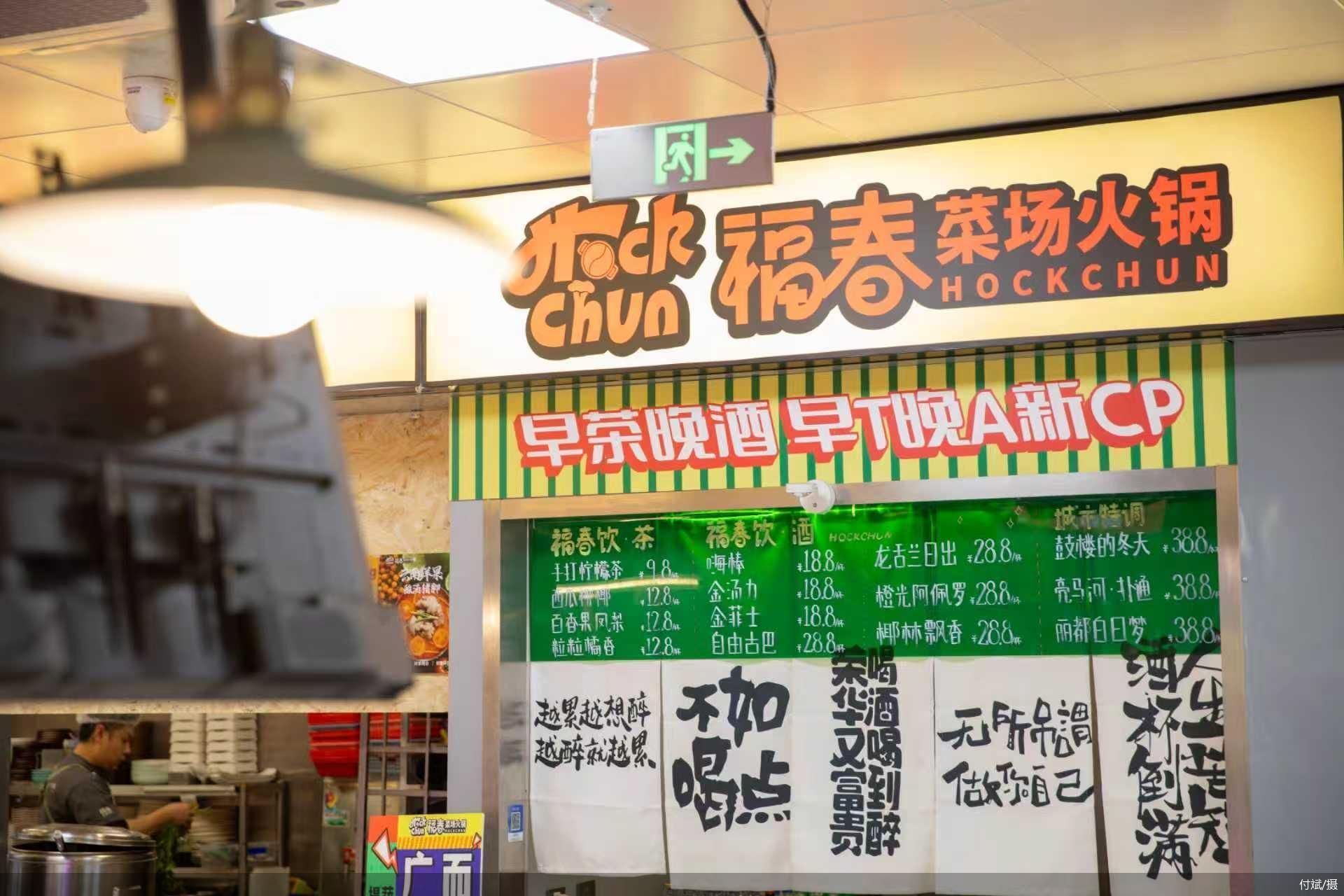
Core Insights - The Chinese catering market is entering a phase of deep stock competition with a scale of 5 trillion yuan by 2025, featuring 8 million stores and a steady increase in chain rate to 24%, while per capita consumption has decreased to a rational level, emphasizing "value for money" and a revival of "smoky atmosphere" as the industry's dual characteristics [1] Group 1: Market Trends - The rise of "market-style" dining, such as market hot pot and market coffee, has been notable, with Fuchun Market Hot Pot being the first to introduce hot pot into a Beijing market [1][4] - The shift in consumer demographics shows a transition from older customers to a younger audience, with the proportion of young customers aged 25-35 increasing to 60% by the end of 2025 [7] Group 2: Business Model - Fuchun's unique model allows customers to select their own seafood and vegetables, which has led to a 30%-40% repurchase rate, highlighting the importance of consumer experience and trust in freshness [4][7] - The decision to forgo high-margin dishes like seafood and vegetables is seen as counterintuitive, yet it has proven effective in attracting customers [4][5] Group 3: Cost Advantages - Operating in a market setting provides significant cost advantages, with rent savings estimated at one-third or more compared to commercial areas, allowing for innovative business models [5] - The model reduces food waste to nearly zero and saves over 30% in labor costs by having customers directly select ingredients [5] Group 4: Consumer Experience - The experience of selecting ingredients in a market setting has become a key differentiator, appealing to consumers' desire for both freshness and engagement [4][11] - The trend reflects a broader shift in dining consumption, where emotional value and unique experiences are prioritized over traditional brand loyalty [11][12] Group 5: Challenges and Opportunities - Despite its success, Fuchun faces challenges such as noise and odors in market environments, which have led to some negative feedback [8] - The model has positively impacted surrounding market vendors, increasing their sales as customers purchase additional items like snacks and side dishes [9] Group 6: Future Prospects - Fuchun's success is attributed not just to the "hot pot + market" concept but to a deeper understanding of consumer needs for a "smoky atmosphere" [12][13] - The potential for replicating the market dining model is seen as limited due to challenges related to food safety and compliance, despite the high demand for such experiences [13][14]

“双节”长假新变化:为情绪买单为体验付费
Shang Hai Zheng Quan Bao· 2025-10-08 17:54
Core Insights - The dual holiday period of National Day and Mid-Autumn Festival has led to a significant increase in domestic tourism, with a focus on emotional value and experiential offerings becoming key competitive factors in the cultural tourism industry [1][6]. Domestic Tourism Trends - The National Day and Mid-Autumn Festival holiday lasted 8 days, leading to a 31% year-on-year increase in tourism orders for Xinjiang on the Ctrip platform [1]. - Popular destinations for long-distance travel include Beijing, Chengdu, Shanghai, and others, with orders for cities like Urumqi and Hohhot seeing nearly a 30% increase [2]. - Night tourism has surged, with a 200% increase in search interest on Ctrip during the holiday, and various night activities were organized across Hubei province [2][3]. Cross-Border Travel Growth - There was a nearly 100% year-on-year increase in long-distance group tours for outbound travel during the holiday, particularly from non-first-tier cities [4]. - The demographic for outbound travel is predominantly young adults and families, with 39% of outbound flight purchasers aged 23-30 [4]. - Inbound tourism also saw growth, with Chengdu receiving 2.86 million visitors, a 5.3% increase year-on-year, and a 32% increase in inbound tourists [4]. Industry Evolution - The cultural tourism industry is transitioning from scale expansion to quality enhancement, with a shift in consumer preferences towards deeper, more immersive experiences [6]. - The competition is evolving from resource-based advantages to content innovation centered around cultural IP and technology [6]. - The growth of cultural creative products, particularly in the realm of tourism souvenirs, is expected to be a new growth point for the industry [7].
“科技感”“体验感”成文旅新关键词 花样“夜”态圈粉游客“住下来、细细品”
Yang Shi Wang· 2025-07-06 02:36
Group 1 - The core idea of the article highlights the increasing popularity of night tourism activities in various regions of China, particularly in Xishuangbanna, which offers unique experiences such as firefly viewing and night markets [2][4][9] - The Xishuangbanna Tropical Botanical Garden features a "firefly party" that provides visitors with a distinctive summer night experience, enhancing the appeal of night tourism [4][10] - The introduction of technology, such as a mini-program for species identification, caters to the public's demand for scientific knowledge during night visits [7] Group 2 - The article discusses the trend of integrating technology and immersive experiences into tourism, with various attractions offering diverse activities from day to night, thereby revitalizing summer tourism [10][20] - In Kaifeng, tourists can engage in interactive experiences that allow them to experience life in the Song Dynasty, leading to a significant increase in overnight stays, with over 32% of visitors choosing to stay overnight [13][16] - The article also mentions the introduction of AI guides in attractions like the Tengwang Pavilion, enhancing visitor engagement through personalized tour experiences [14] Group 3 - The night market in Xishuangbanna is described as vibrant and bustling, showcasing a variety of handmade crafts, which contributes to the overall night tourism experience [9] - The "Thousand Lanterns Parade" in Gexian Village recreates ancient festive scenes, attracting visitors to participate in immersive cultural experiences [20][29] - The article emphasizes the importance of local cuisine in enhancing the night tourism experience, with unique dishes available for visitors to enjoy during their nighttime activities [33]

暑期文旅玩法“上新”!“科技感”“体验感”成最新关键词
Yang Shi Wang· 2025-07-06 01:43
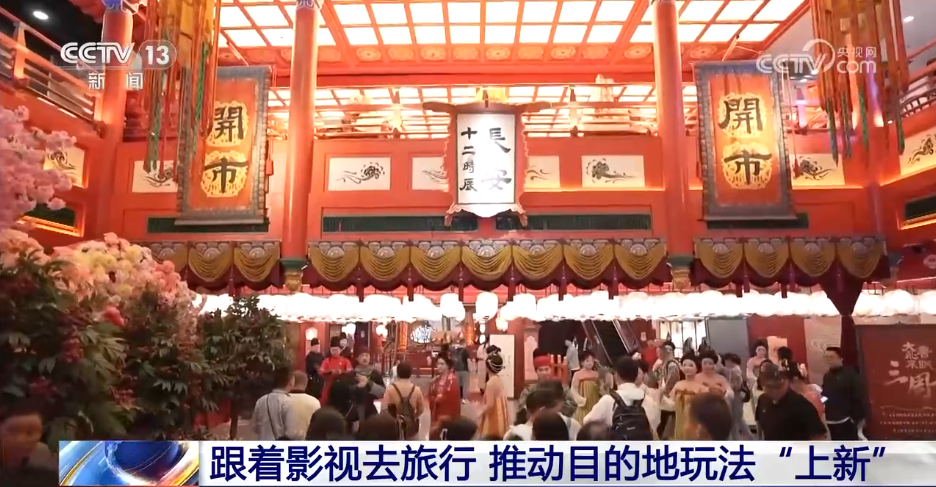
Core Insights - The tourism industry is experiencing a peak during the summer, with new themed travel routes being launched in various regions, driven by popular films and TV shows [1][3][5] Themed Tourism - In Xi'an, a themed street has been created around the popular show "The Lychee of Chang'an," featuring lychee tree landscapes and interactive storytelling [1] - Guangdong has also capitalized on the lychee theme, offering experiences like fruit picking and cultural activities, which have led to a surge in related products [3] - Qingdao Oriental Movie Metropolis has introduced a new tourism route combining film set exploration and national defense education, leveraging its connection to popular films [3] Visitor Engagement - Statistics show that searches for destinations related to popular films have increased by over 200%, with more than 60% of post-95 tourists choosing destinations based on film influences [5] - Museums are enhancing visitor experiences by extending hours and introducing immersive exhibits, transforming visitors from passive observers to active participants [6][10] Innovative Experiences - In Shanghai, a "scripted tour" at a museum allows visitors to engage in a narrative-driven exploration of ancient Egypt, supported by live actors [8] - The Sanxingdui Museum in Sichuan offers VR experiences for visitors to engage in archaeological simulations, enhancing the educational aspect of the visit [10] Night Tourism - Many attractions are now offering night-time activities, with a focus on technology and immersive experiences, which are attracting more visitors to stay longer [11][15] - In Jiangxi's Tengwang Pavilion, an AI guide enhances the historical experience, while in Kaifeng, interactive boat tours provide a unique cultural experience [13] Economic Impact - The shift from superficial visits to deeper engagement is leading to significant revenue growth in experiential projects, outpacing traditional ticket sales [17] - Increased visitor engagement is also boosting local economies through higher spending on local products and accommodations [17]