
供应链之争

Search documents
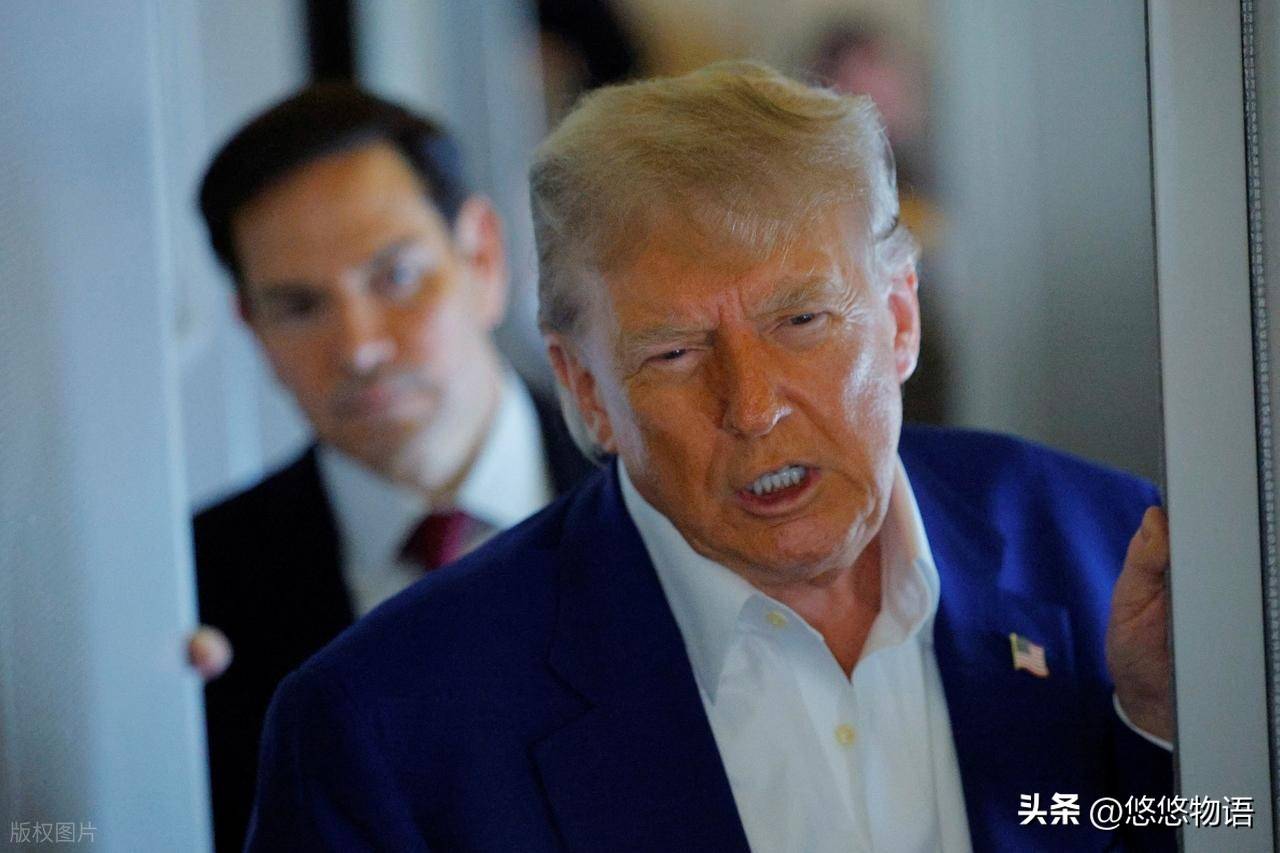
为何特朗普突然服软?中国打中美国“七寸”,不仅是稀土!
Sou Hu Cai Jing· 2025-07-14 09:16
Group 1 - The article highlights the aggressive unilateralism and expansionism of the Trump administration, particularly through a global tariff war aimed at China, with tariffs on Chinese goods skyrocketing from 34% to 245% in a short span [1][3] - In response to U.S. tariffs, China retaliated by raising tariffs on U.S. goods to a maximum of 125%, indicating a potential stalemate in trade relations if tariffs continued to escalate [3][5] - The Chinese government utilized strategic communication, such as the release of a video titled "Not Kneeling," to unify domestic opinion and bolster morale against U.S. tariff aggression [5][12] Group 2 - The article discusses how Trump's core interest lies in maintaining his power and political base, rather than purely financial gains, which influenced his approach to negotiations with China [7][9] - The U.S. strategy shifted to countering China's influence in Asia and ASEAN, with Trump sending tariff letters to various Asian countries to isolate China from global supply chains [11][12] - The article notes that despite the appearance of a thaw in U.S.-China relations, the underlying strategy of containment and competition against China remains consistent across U.S. political parties [9][12] Group 3 - The article emphasizes that the U.S. is attempting to create a facade of improved relations with China to mislead other countries and undermine their ties with China [12][14] - Southeast Asian nations are increasingly recognizing the U.S. tactics and are expressing support for multilateral cooperation, indicating a potential shift in regional alliances [16]

2025年下半年宏观经济展望:产业重塑下的宏观剧本
Minsheng Securities· 2025-06-16 09:58
Group 1: Economic Outlook - The biggest surprise in the first half of 2025 was the unpredictability of Trump's policies, leading to a divergence between expectations and actual economic performance[1] - The negative impacts of Trump's policies are expected to gradually manifest in the second half of the year, particularly affecting consumer spending and non-residential investment, which may slow down significantly[2] - The U.S. economy is projected to experience a "stagflation" environment, with inflation remaining high and economic growth slowing down, leading to a downward adjustment of overall growth expectations[31] Group 2: Policy Implications - The fiscal policy, particularly the tax reduction bill, is likely to pass Congress and be signed into law, which could boost economic expectations despite increasing debt burdens[24] - The Federal Reserve has significant policy space and may lower interest rates if signs of an economic soft landing appear, despite currently being inactive[28] - The implementation of domestic demand stabilization measures, such as enhancing the pension system and increasing subsidies, is crucial for achieving annual economic targets[3] Group 3: Asset Performance - In a "stagflation" scenario, gold is considered a viable asset choice, while the attractiveness of dollar-denominated assets is declining[2] - If U.S. Treasury bonds face risks, the likelihood of simultaneous declines in stocks, bonds, and currencies increases significantly[2] - The current economic environment suggests that gold may perform well, similar to its historical performance during previous stagflation periods[38]