
促进农民增收

Search documents
经济日报金观平:千方百计促进农民增收
Xin Lang Cai Jing· 2026-02-07 00:07
Core Insights - The central task of the "Three Rural Issues" work is to increase farmers' income, with the current year's central document emphasizing this as one of the four key tasks, reflecting the government's commitment to supporting agriculture and farmers [1] Group 1: Income Growth Strategies - Farmers' disposable income is projected to reach 24,456 yuan by 2025, representing a 6% increase from the previous year, while the income gap between urban and rural residents continues to narrow [1] - Despite the stable growth in farmers' income, challenges such as low agricultural product prices and employment pressures for migrant workers persist, making the income growth outlook less optimistic [1] Group 2: Agricultural Policy Measures - The central document outlines a policy "combination punch" focusing on stabilizing farming, promoting industries, expanding employment, and activating resources to address new challenges in income growth [1] - Protecting farmers' earnings is crucial, with measures to ensure reasonable pricing and support for grain production, thereby preventing losses for grain farmers [1] Group 3: Industrial Development - Activating industrial momentum is essential for farmers' income growth, with county economies serving as key links between urban and rural areas [2] - There is a need to develop distinctive local industries, avoiding homogenization and short supply chains, while enhancing marketing services for agricultural products through e-commerce and live streaming [2] Group 4: Labor Income Stability - Stable income from labor is a primary engine for farmers' income growth and a key factor in reducing urban-rural income disparities [2] - Addressing issues such as job stability and skill deficiencies among migrant workers is vital, with targeted measures for training and support for returning entrepreneurs [2] Group 5: Resource Utilization - Revitalizing idle resources is a key to increasing farmers' income, as issues like abandoned land and vacant houses hinder property income growth [3] - Encouraging farmers to invest land rights in cooperatives and repurposing idle houses for commercial use can broaden income channels, while ensuring legal protections for farmers' property rights [3]
用好改革智慧,促进农民增收丨一号文件系列评②
Nan Fang Nong Cun Bao· 2026-02-05 10:30
Core Viewpoint - The article emphasizes the importance of increasing farmers' income as a critical factor for rural development and stability, highlighting the need for effective policies and reforms to achieve this goal [5][6][38]. Group 1: Policy Measures for Income Increase - The 2026 Central Document No. 1 outlines strategies to protect and stimulate farmers' enthusiasm for farming, cultivate county-level wealth generation industries, promote stable employment for migrant workers, and expand rural consumption [2][3]. - A key focus is on maintaining reasonable prices for important agricultural products, which directly impacts farmers' income and overall consumer price index (CPI) [10][12]. - The document suggests that increasing farmers' income, particularly from agricultural production, can be effectively achieved by raising agricultural product prices [11][12]. Group 2: Balancing Agricultural Development - The article discusses the relationship between promoting agricultural product prices and ensuring reasonable consumer prices, indicating that both aspects must be balanced to avoid negative impacts on either farmers or urban consumers [13][14]. - It advocates for continuous agricultural supply-side structural reforms to enhance the supply of high-quality agricultural products, thereby achieving better prices for farmers [16][17]. - Reducing costs in the agricultural supply chain, such as improving cold chain logistics and innovating e-commerce sales, is essential for farmers to capture a larger share of the agricultural value chain [18][19]. Group 3: Land Management and Scale of Operations - The second round of land contract extension will be piloted in 29 provinces in 2026, focusing on maintaining family contracting while also promoting moderate-scale operations to advance agricultural modernization [20][21]. - The article highlights the need for innovative business models, such as land transfer and "company + farmer" partnerships, to reconcile the goals of land stability and modern agricultural development [22][23]. - Emphasis is placed on ensuring that land transfer benefits farmers while allowing new agricultural entities to maintain reasonable profit margins to prevent rising costs from harming both parties [26][27]. Group 4: Long-term Strategies for Rural Prosperity - Promoting stable income for farmers is described as a long-term and systematic process that requires attention to both urban migrant workers and those who remain in rural areas [32][35]. - The article calls for a combination of reforms and innovations to activate rural resources and assets, ensuring that they contribute to farmers' income generation [37][38].


精准帮扶促增收 塑形铸魂两不误
Xin Lang Cai Jing· 2026-02-04 22:38
Core Viewpoint - The central government has introduced the 14th guiding document on "agriculture, rural areas, and farmers" since the 18th National Congress, focusing on modernizing agriculture and rural revitalization with practical policies to address urgent issues faced by farmers [1] Group 1: Key Tasks and Support Measures - The central document emphasizes "four key tasks" and "two major support guarantees" in the agricultural sector, with a focus on practical and effective policy measures [1] - The introduction of "normalized precise assistance" as a key task aims to consolidate and expand the achievements of poverty alleviation, with a five-year transition period from 2021 to 2025 [2] - The document outlines a dynamic management approach for assistance targets, ensuring comprehensive monitoring to prevent poverty and establish a rapid response mechanism [2] Group 2: Income Growth and Employment Stability - The goal is to increase farmers' disposable income to 24,456 yuan by 2025, reflecting a 6% increase from the previous year, while reducing the urban-rural income gap from 2.56:1 in 2020 to 2.31:1 [3] - Measures to stabilize employment for migrant workers and ensure farmers' income from agricultural activities are prioritized, including the use of price, subsidy, and insurance policies [4] - The document encourages the development of local industries and the effective use of rural idle resources to enhance collective economic benefits for farmers [4] Group 3: Cultural and Social Development - The document stresses the importance of both material and spiritual civilization in rural revitalization, advocating for the promotion of cultural reforms and the establishment of correct social values [5] - Continuous efforts to address issues like high bride prices are highlighted, linking economic burdens to the cultivation of a harmonious rural culture [5] - Specific initiatives are outlined to improve living conditions in rural areas, including infrastructure development and enhancement of public services in education, healthcare, and elder care [6]
【新华解读】着眼于守牢国家粮食安全底线、把促进农民增收摆在重要位置 2026年中央一号文件作出部署
Xin Hua Cai Jing· 2026-02-04 14:35
Core Viewpoint - The central document for 2026 outlines key tasks and support measures for the "three rural issues" (agriculture, rural areas, and farmers), emphasizing a stable yet progressive approach to rural revitalization and agricultural productivity [1][2]. Group 1: Key Tasks - The four key tasks identified are: enhancing agricultural production capacity and quality, implementing regular precise assistance, promoting stable income growth for farmers, and advancing the construction of livable and workable rural areas [2][3]. - Specific measures for enhancing agricultural production include stabilizing grain and oil production, improving the quality of the "vegetable basket" industry, protecting and enhancing arable land, boosting agricultural technology innovation, and strengthening disaster prevention and reduction systems [3][4]. Group 2: Support Measures - The two major support measures are: reinforcing institutional and mechanism innovation, and strengthening the Party's comprehensive leadership over "three rural issues" [2]. - A comprehensive set of policies is proposed to ensure farmers' income, including price stabilization, subsidies, and insurance mechanisms to protect farmers' earnings and prevent losses due to market fluctuations [4][7]. Group 3: Agricultural Trade and Market Coordination - The document emphasizes the need to coordinate agricultural trade and production, advocating for diversified agricultural imports and supporting the export of competitive agricultural products [5][6]. - It aims to create a virtuous cycle between trade and production by enhancing domestic agricultural production while meeting international market demands [6]. Group 4: Risk Management and Financial Tools - The construction of a multi-layered risk protection network for agriculture is highlighted, incorporating price, subsidies, insurance, and futures markets to provide comprehensive support for farmers [7]. - The development of the agricultural futures market is seen as a strategic move to stabilize farmers' incomes and promote standardized and large-scale agricultural practices [7].
中央一号文件:把促进农民增收摆在重要位置
Xin Hua She· 2026-02-04 09:44
Core Viewpoint - The central government emphasizes the importance of increasing farmers' income in the new policy framework, introducing a comprehensive set of measures to achieve this goal [1] Group 1: Policy Initiatives - The central government's first document of the year outlines a series of income-increasing measures aimed at promoting rural modernization and comprehensive rural revitalization [1] - A "policy combination punch" has been proposed to effectively address the challenges faced by farmers [1]
一揽子增收措施、一套政策“组合拳” 创造条件多渠道增加农民财产性收入
Yang Shi Wang· 2026-02-04 06:59
Core Viewpoint - The 2026 Central No. 1 Document emphasizes the importance of agricultural development and rural revitalization, outlining key tasks and support measures to ensure food security and improve farmers' income [1][3][4]. Group 1: Key Tasks - The document identifies four key tasks: enhancing agricultural production capacity and quality, implementing regular precise assistance, promoting stable income growth for farmers, and advancing the construction of livable and workable beautiful villages [4]. - It highlights the need to address current challenges while also focusing on long-term strategic goals, integrating practical policies to improve the livelihoods of farmers [7]. Group 2: Support Measures - Two major support measures are outlined: strengthening institutional innovation and enhancing the Party's comprehensive leadership over agricultural work [5]. - The document aims to leverage the Party's leadership as a significant advantage, using reform and innovation to improve the effectiveness of agricultural policies and stimulate rural revitalization [5]. Group 3: Income Growth Strategies - A comprehensive set of measures is proposed to promote farmers' income growth, addressing the current challenges of low agricultural product prices and employment pressures for migrant workers [7][8]. - Specific strategies include stabilizing farmers' income from farming, developing county-level industries based on local resources, ensuring stable employment for migrant workers, and effectively utilizing idle rural resources [8][10].
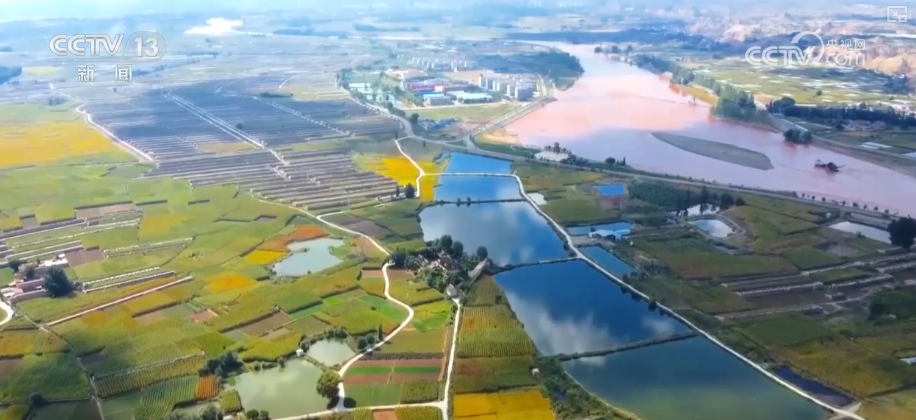
一揽子增收措施,把促进农民增收摆在重要位置
Zhong Guo Jing Ji Wang· 2026-02-04 05:56
Core Viewpoint - The central government emphasizes the importance of increasing farmers' income as a key task in agricultural and rural development, introducing a comprehensive set of measures to address current challenges in the agricultural sector [1][2]. Group 1: Measures to Increase Farmers' Income - The government aims to stabilize farmers' income from farming by coordinating policies related to prices, subsidies, and insurance, ensuring a reliable income for grain farmers and preventing low prices from harming them [1]. - Development of county-level industries is prioritized, focusing on local特色资源 and preventing homogeneous competition, while enhancing farmers' participation in industry development through new business models like e-commerce and live streaming [1]. Group 2: Employment and Resource Utilization - The government plans to support stable employment for migrant workers, emphasizing the importance of wage income and providing services for both those working away and those returning home, including vocational training and local employment opportunities [2]. - There is a focus on revitalizing idle rural resources and assets, promoting new types of rural collective economies, and ensuring clear property rights and fair distribution mechanisms to increase collective asset income for farmers [2].
国新办发布会解读中央一号文件:把促进农民增收摆在重要位置
Xin Hua Cai Jing· 2026-02-04 05:36
Core Viewpoint - The central task of the "Three Rural Issues" work is to increase farmers' income, with recent measures addressing the challenges posed by low agricultural product prices and employment pressures for migrant workers [1] Group 1: Measures to Increase Farmers' Income - Stabilizing farmers' income from farming and grain production is a priority, utilizing policies on prices, subsidies, and insurance to ensure reasonable prices for key agricultural products [1] - Implementation of various subsidies, including land fertility protection, corn and soybean production subsidies, and rice subsidies, to provide direct financial support to farmers [1] - Strengthening insurance for key crops like rice, wheat, corn, and soybeans to mitigate risks and enhance farmers' security [1] Group 2: Development of County-Level Industries - Promoting the growth of county-level industries is essential for rural revitalization and farmers' income, focusing on local resources and preventing homogeneous competition [2] - Encouraging the integration of industries to expand the rural economy, including the development of e-commerce and live-streaming sales to support farmers' income [2] - Ensuring farmers have opportunities to participate in industrial development and benefit from the economic growth [2] Group 3: Employment Support for Migrant Workers - Addressing the significant role of wage income in farmers' overall income by providing support for stable employment for migrant workers and facilitating vocational training [3] - Implementing measures to support returning migrant workers through local employment opportunities and entrepreneurship assistance [3] - Focusing on timely payment of wages, especially before the Spring Festival, and enhancing organized labor output and employment services post-holiday [3] Group 4: Utilization of Rural Idle Resources - Developing new types of rural collective economies and utilizing the results of rural collective property rights reform to increase farmers' collective asset income [4] - Legally activating idle land and housing, while ensuring that collective land is not misused for commercial housing construction [4] - Strengthening the management of rural housing rentals and preventing illegal purchases of rural residential land [4]
促进农民增收 中央一号文件打出一套政策“组合拳”
Jing Ji Guan Cha Wang· 2026-02-04 04:44
Core Viewpoint - The Chinese government is implementing a series of measures to promote farmers' income growth in response to the current challenges faced by the agricultural sector, including low prices for some agricultural products and increased employment pressure for migrant workers [1][2] Group 1: Measures to Increase Farmers' Income - The government aims to stabilize farmers' income from farming by coordinating policies related to prices, subsidies, and insurance, ensuring a safety net for grain farmers to prevent losses due to low prices [1] - There is a focus on developing and strengthening county-level industries that benefit farmers, encouraging local economies to leverage unique resources, diversify industrial forms, and enhance the value chain [1] - The government plans to support stable employment for migrant workers, recognizing that wage income constitutes a significant portion of farmers' overall income, and will provide services for migrant workers and support for entrepreneurship upon their return [1] Group 2: Utilization of Rural Resources - The strategy includes revitalizing and effectively utilizing idle rural resources and assets, promoting the development of new types of rural collective economies to increase collective asset income for farmers [2] - There is an emphasis on activating idle land and housing, facilitating the market entry of collectively operated construction land, and granting farmers more substantial property rights to create conditions for increasing farmers' property income through multiple channels [2]
促进农民增收,四方面发力,打出一套政策“组合拳”
Yang Shi Wang· 2026-02-04 03:29
Core Viewpoint - The central task of "Three Rural Issues" is to increase farmers' income, with recent measures addressing the challenges posed by low agricultural product prices and employment pressures for migrant workers [1] Group 1: Measures to Increase Farmers' Income - A comprehensive set of policies has been proposed to stabilize farmers' income from agricultural activities, focusing on price, subsidies, and insurance mechanisms to ensure reasonable prices for key agricultural products [1] - The government aims to implement various subsidies, including land fertility protection and production subsidies for corn and rice, to provide direct financial support to farmers [1] - Insurance policies will be strengthened to cover major crops and local specialty products, enhancing risk management for farmers [1] Group 2: Development of County-Level Industries - The development of county-level industries is emphasized as a crucial channel for increasing farmers' income, with a focus on leveraging local resources and preventing homogeneous competition [2] - The integration of various industries is encouraged to expand the rural economy, including the growth of e-commerce and live-streaming sales, with a need for a supportive policy framework [2] - The goal is to ensure that farmers actively participate in industrial development and benefit from the economic growth [2] Group 3: Employment Support for Migrant Workers - The majority of farmers' income comes from wages, necessitating support for both migrant workers and those returning to rural areas, including job stability policies and vocational training [3] - Measures will be taken to ensure timely payment of wages, especially during peak settlement periods, and to combat wage arrears [3] - Organized labor output and employment services will be enhanced to facilitate the return of workers to their jobs after the holiday season [3] Group 4: Utilization of Rural Idle Resources - The development of new rural collective economies is encouraged, with a focus on clarifying property rights and increasing collective asset income for farmers [4] - There will be efforts to activate idle land and housing, allowing for the orderly market entry of collective operational land while safeguarding property rights [4] - Strict regulations will be enforced to prevent misuse of collective land for commercial housing and to manage rural housing rentals effectively [4]