信用卡盗刷

Search documents
一下飞机就收到盗刷信息?多位旅客乘境外航班时被盗,信用卡、现金成“主要目标”
Yang Zi Wan Bao Wang· 2026-01-13 14:50
Core Viewpoint - The article highlights a growing concern regarding theft and credit card fraud on Southeast Asian flights, where passengers' valuables, particularly cash and credit cards, are targeted by thieves during flights, often while passengers are asleep [1][2][10]. Group 1: Incidents of Theft - Multiple passengers have reported thefts on Southeast Asian flights, with stolen items primarily being cash and credit cards [2][4]. - Passengers have experienced thefts shortly after landing, with thieves completing fraudulent transactions within minutes of the flight's conclusion [1][6]. - The thefts often occur during periods of low vigilance, such as when cabin lights are dimmed and passengers are asleep [4][10]. Group 2: Challenges in Reporting and Recovery - Victims face significant challenges in reporting thefts, often leading to cases being unresolved due to the lack of evidence and the difficulty in identifying suspects [8][9]. - Many passengers choose not to report thefts due to the perceived ineffectiveness of airport police and the complexity of cross-border legal processes [8][9]. - The absence of surveillance cameras in aircraft cabins complicates the ability to gather evidence and identify perpetrators [9]. Group 3: Recommendations for Prevention - Passengers are advised to take proactive measures for financial security, such as locking credit cards and setting transaction limits before traveling [11]. - It is recommended to keep valuables close and avoid placing them in overhead compartments or out of sight during flights [11][12]. - In the event of theft, immediate action should be taken to lock cards and document evidence to support any potential claims or reports [12].

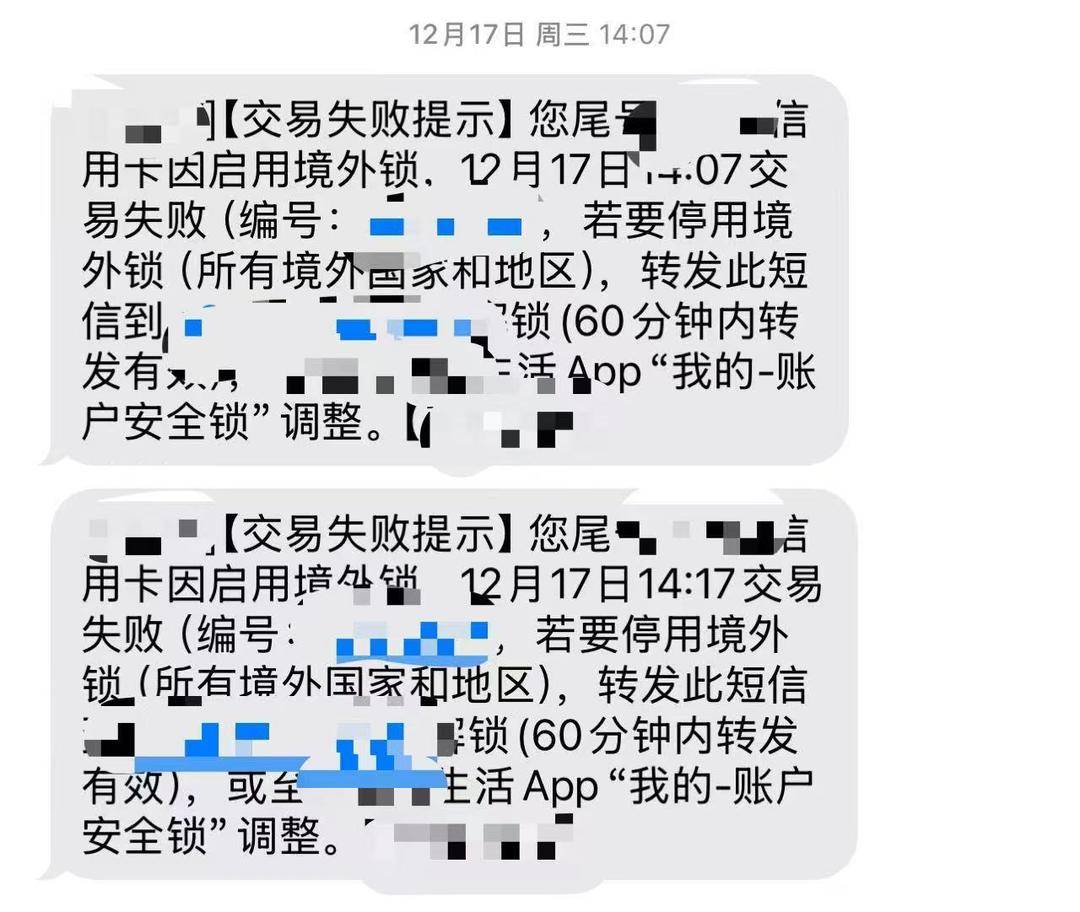
年轻人为何抛弃信用卡?权益缩水,临近年末积分兑条毛巾都靠抢
Bei Jing Ri Bao Ke Hu Duan· 2025-12-03 03:57
Core Viewpoint - The decline in credit card attractiveness among consumers, particularly younger individuals, is attributed to reduced benefits, increased redemption thresholds, and aggressive marketing tactics by banks [1][5][9]. Group 1: Consumer Experience - Many credit cardholders report a significant reduction in benefits, such as access to airport lounges and lower redemption rates for rewards, leading to dissatisfaction [3][4]. - The requirements for promotional offers have become more stringent, with higher spending thresholds and additional tasks needed to qualify for benefits, causing frustration among users [3][4]. - Complaints about the difficulty of redeeming points for rewards have increased, with many items quickly going out of stock or requiring more points than before [3][4]. Group 2: Bank Policies and Adjustments - Several banks have announced plans to adjust credit card benefits, including reducing the number of times certain perks can be used and eliminating popular rewards [4][5]. - The adjustments are primarily driven by banks' need to control costs and respond to low usage rates of certain benefits [5]. Group 3: Marketing and Consumer Trust - Aggressive marketing tactics, including misleading promotions and persistent sales calls, have led to a decline in consumer trust towards credit card offerings [6][7]. - Consumers have reported feeling pressured into unnecessary spending or services, such as installment plans, without clear communication of the associated costs [6][7]. Group 4: Market Trends - The shift in consumer preferences towards alternative credit products, particularly among younger demographics, is evident as they favor flexible, fee-free options that align better with their spending habits [9]. - Banks are encouraged to explore differentiated customer targeting and improve service offerings to retain and attract credit card users [9].

信用卡屡遭盗刷,究竟该由谁担责?
Nan Fang Du Shi Bao· 2025-09-18 23:15
Core Viewpoint - The recent credit card fraud incident involving Shanghai Pudong Development Bank (SPDB) has raised significant concerns about consumer safety and the responsibilities of banks and cardholders in protecting financial rights during the ongoing financial education campaign [2][3][7]. Group 1: Incident Overview - Multiple holders of SPDB's "Red Sand Card" reported unauthorized transactions occurring in Brazil, despite being in China, with losses ranging from 10,000 to 20,000 RMB [2][3]. - The fraud pattern typically starts with small test transactions, followed by larger unauthorized charges, with many users reporting similar experiences [4][6]. - As of September 16, over 350 users had joined a social media group to discuss their experiences, indicating a widespread issue [4]. Group 2: Bank Response and Legal Framework - SPDB and Mastercard have initiated emergency responses to protect cardholders, promising to avoid customer losses from unauthorized transactions [3][4][7]. - According to a 2021 Supreme Court ruling, banks are liable to compensate cardholders for unauthorized transactions if they can prove the fraud was not due to negligence on the cardholder's part [6][7]. Group 3: Consumer Complaints and Industry Trends - In 2023, SPDB received approximately 260,000 complaints related to credit cards, highlighting ongoing issues with consumer trust and service quality [8][9]. - The bank's credit card issuance has surpassed 110 million, but the overall trend in credit card issuance and spending is declining, leading to increased scrutiny on operational practices [9]. Group 4: Recommendations for Cardholders - Experts recommend that cardholders adopt better security practices, such as monitoring transactions regularly and using security features provided by banks to mitigate risks of fraud [10]. - Cardholders should also be cautious with their personal information and be aware of their responsibilities in safeguarding their financial data [10].


浦发信用卡被“隔空”盗刷背后 行业信息安全如何“治本”
Nan Fang Du Shi Bao· 2025-09-17 11:07
Core Viewpoint - The recent incident of credit card fraud involving Shanghai Pudong Development Bank's "Red Sand Card" has raised significant concerns about consumer safety and the responsibilities of banks and cardholders in protecting financial rights [2][3][7]. Group 1: Incident Overview - Multiple cardholders reported unauthorized transactions occurring in Brazil while they were physically in China, with losses ranging from 10,000 to 20,000 RMB [2][3]. - The fraud pattern typically involved small test transactions followed by larger unauthorized charges, with many users experiencing similar transaction sequences [3]. - As of September 16, over 350 users had joined a social media group to discuss their experiences with the fraud, indicating a widespread issue [3]. Group 2: Bank Response and Legal Framework - Shanghai Pudong Development Bank and Mastercard have initiated emergency responses to protect cardholders from bearing losses, committing to uphold customer rights [2][3][7]. - According to a 2021 Supreme People's Court ruling, banks are obligated to compensate cardholders for unauthorized transactions if they can prove the transactions were fraudulent [6][7]. Group 3: Consumer Protection and Risk Management - The incident highlights the need for improved risk management and consumer education regarding credit card safety, as the bank has faced a high volume of complaints related to credit card fraud [8]. - Legal experts emphasize that cardholders must also take responsibility for safeguarding their personal information to avoid potential losses [10]. - Recommendations for consumers include regularly monitoring transactions, enabling real-time alerts, and being cautious with card usage, especially in unfamiliar settings [11].
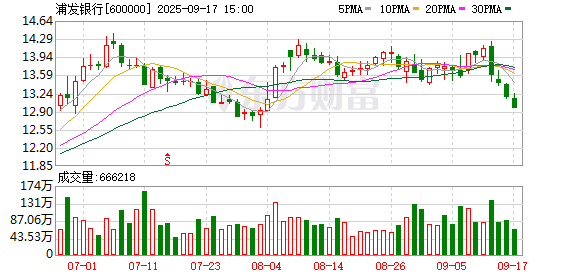
浦发信用卡被“隔空”盗刷背后,行业信息安全如何“治本”
Nan Fang Du Shi Bao· 2025-09-17 10:54
Core Viewpoint - The recent incident of credit card fraud involving Shanghai Pudong Development Bank's "Red Sand Card" has raised significant concerns about consumer safety and the responsibilities of banks in protecting their clients' financial interests [2][3][6]. Group 1: Incident Overview - Multiple holders of the "Red Sand Card" reported unauthorized transactions occurring in Brazil, despite being in China, with losses ranging from 10,000 to 20,000 RMB [2][3]. - The fraudulent transactions typically began with small test purchases of around 3 RMB, followed by larger transactions, often under 5,000 Brazilian Reais (approximately 6,000 RMB) [3]. - As of September 16, over 350 users had joined a social media group to discuss their experiences with the fraud, indicating a widespread issue [3]. Group 2: Bank Response and Legal Framework - Shanghai Pudong Development Bank and Mastercard have committed to ensuring that affected customers do not bear the financial losses from these unauthorized transactions [2][3][6]. - According to a 2021 ruling by the Supreme People's Court, banks are obligated to compensate customers for losses incurred from unauthorized transactions, provided that the fraud is determined to be a result of card skimming or network fraud [5][6]. Group 3: Consumer Protection and Risk Management - The incident highlights the need for improved risk management and consumer education regarding credit card safety, especially as Shanghai Pudong Development Bank has faced a high volume of complaints related to credit card issues [7][8]. - Experts recommend that consumers regularly monitor their transactions, set transaction limits, and utilize security features available through banking apps to mitigate the risk of fraud [9].

“隔空”盗刷信用卡,为何屡禁不止?
第一财经· 2025-09-16 15:58
Core Viewpoint - The article discusses the recent incidents of credit card fraud involving Shanghai Pudong Development Bank's Mastercard "Priceless World Card" and highlights the vulnerabilities in overseas credit card transactions, particularly the risks associated with magnetic stripe cards and the lack of password verification in many international payment scenarios [3][4]. Group 1: How Fraud Occurs - Credit card transactions overseas often require only the card number, expiration date, and CVV code, making it easier for stolen information to be used for unauthorized transactions [4]. - The CVV code is a critical element for offline transactions and can be stolen through various means, including data breaches, dark web sales, phishing scams, and physical theft [5]. - Criminals often wait to use stolen information by binding it to NFC-enabled mobile wallets, leading to a surge in fraudulent transactions after a delay [6]. Group 2: Unusual Fraud Amounts - Some users reported fraudulent charges significantly exceeding their credit limits, attributed to the offline transaction mechanism that allows merchants to process payments without real-time verification [8]. - The delay in updating available credit balances allows criminals to exploit the system, leading to inflated available balances during the fraud [9]. Group 3: Responsibility Allocation - The responsibility for credit card fraud is often debated, with banks typically bearing the burden of proof in disputes. If banks fail to identify fraudulent transactions, they may be held liable for losses [10][11]. - In practice, banks often cover over 70% of the losses in fraud cases, although cross-border transactions complicate the process of claiming refunds [11][12]. Group 4: Payment Security Measures - The continued use of magnetic stripe cards is a significant factor in the prevalence of fraud, as they are more vulnerable compared to EMV chip cards [13]. - The transition to chip cards is essential for enhancing payment security, and efforts are being made to phase out magnetic stripe cards in favor of more secure options [14].

浦发信用卡盗刷背后:不明交易频现 安全盾牌为何“缺位”
Bei Jing Shang Bao· 2025-09-16 14:56
Core Viewpoint - A sudden wave of cross-border credit card fraud has caused anxiety among users of Shanghai Pudong Development Bank (SPDB) credit cards, raising questions about the security of digital payments and the effectiveness of existing fraud prevention measures [2][11]. Group 1: Incident Overview - Users, including international students and domestic cardholders, have reported unauthorized transactions across multiple countries, indicating a sophisticated and organized attack rather than isolated incidents [3][6]. - The fraud attempts began with small transactions in Africa and Canada, escalating to multiple unauthorized charges in Brazil, highlighting the attackers' ability to bypass security measures [4][5]. Group 2: User Experiences - Affected users, such as Noah and Xiao He, expressed concerns over the lack of real-time notifications for suspicious transactions and the absence of a unified response from the bank [3][4]. - Users reported that despite locking their cards, unauthorized transactions still occurred, suggesting a significant flaw in the bank's fraud detection and notification systems [4][10]. Group 3: Nature of the Fraud - The fraud exhibited characteristics of organized and targeted attacks, focusing on specific card types and transaction locations, particularly in Brazil, while avoiding thresholds that would trigger alerts [6][8]. - The shift from physical card cloning to digital intrusion indicates a new level of sophistication in fraud techniques, with attackers potentially breaching core payment systems [7][10]. Group 4: Industry Response and Challenges - The incident has prompted banks to reassess their payment security frameworks, with some initiating internal investigations to identify potential vulnerabilities in cross-border transaction processes [11][12]. - Current fraud prevention systems face challenges in balancing rapid transaction processing with effective risk interception, particularly in the context of evolving fraud tactics [12][14]. Group 5: Recommendations for Improvement - Experts suggest that banks need to upgrade their real-time fraud detection systems, implement dynamic verification mechanisms for cross-border transactions, and enhance data security measures to prevent database breaches [12][13]. - Collaborative efforts among financial institutions to share information on fraudulent activities and improve overall defense capabilities are essential to combat the rising threat of organized fraud [13][14].
“隔空”盗刷信用卡,为何屡禁不止?
Di Yi Cai Jing· 2025-09-16 11:51
Core Viewpoint - The recent incidents of unauthorized transactions on the Shanghai Pudong Development Bank's Mastercard "Priceless World Card" highlight vulnerabilities in cross-border credit card transactions, particularly regarding the use of CVV codes and the risks associated with magnetic stripe cards [1][2][3]. Group 1: Incident Overview - Multiple users of Shanghai Pudong Development Bank's credit cards reported unauthorized transactions abroad, prompting the bank to offer compensation measures such as point compensation, refunds, and fee waivers [1]. - The bank's credit card center has activated risk prevention mechanisms after detecting abnormal transactions not authorized by cardholders [1]. Group 2: Mechanisms of Fraud - Unauthorized transactions often occur due to the lack of password verification in overseas credit card transactions, where only the card number, expiration date, and CVV code are required [1][2]. - The CVV code can be stolen through various means, including data breaches, phishing scams, and physical theft, making it a critical factor in credit card fraud [2]. - Criminals often wait to use stolen information, binding it to NFC-enabled mobile wallets to evade detection by risk control systems [2]. Group 3: Transaction Mechanisms - The incident raises questions about how users with low credit limits experienced significant unauthorized charges, attributed to the offline transaction mechanism used overseas [3]. - In this mechanism, merchants can complete transactions without real-time interaction with the issuing bank, allowing multiple transactions to occur before the bank updates the available balance [3]. - Some banks may temporarily increase credit limits for overseas transactions, which can be exploited by fraudsters, leading to higher unauthorized charges [3]. Group 4: Responsibility and Legal Framework - The responsibility for credit card fraud often lies with the issuing bank, especially if it fails to identify fraudulent transactions or does not act promptly to prevent them [5][6]. - In judicial practice, banks typically bear over 70% of the responsibility in fraud cases, although cross-border transactions complicate the process of seeking redress [5]. - Courts generally view consumers as the weaker party, placing the onus on banks and related institutions to provide compensation, while internal recovery of costs among institutions is handled separately [5][6]. Group 5: Payment Security Measures - The continued use of magnetic stripe cards is a significant factor in the prevalence of fraud, as they are more susceptible to theft compared to EMV chip cards [7]. - The transition to chip cards is essential for enhancing payment security and improving user experience, as magnetic stripe cards remain widely used overseas [7]. - Mastercard has introduced new chip cards compatible with both EMV and UnionPay standards in China, promoting the replacement of magnetic stripe cards to enhance security [7].
浦发信用卡被集中盗刷,人均约2万,部分账单已清零
Xin Lang Cai Jing· 2025-09-15 12:21
Core Viewpoint - Recent reports indicate that multiple users of Shanghai Pudong Development Bank's credit card have experienced unauthorized transactions, raising concerns about potential security breaches in the bank's systems [1] Group 1: Incident Overview - Users of the "Pudong Mastercard Priceless World Card" have reported instances of credit card fraud on social media [1] - Both Shanghai Pudong Development Bank's credit card center and Mastercard have acknowledged the unauthorized transactions and initiated emergency responses [1] Group 2: Response and Resolution - The bank and Mastercard have communicated with affected customers, resulting in the clearing of most fraudulent charges for the victims [1] - Reports from some affected users confirm that their bills have been reset to zero [1] Group 3: Industry Implications - The incident highlights the increasing prevalence of credit card fraud linked to potential cyberattacks, necessitating heightened vigilance and preventive measures from banks, issuing institutions, and cardholders [1]
可用额度600多元却被盗刷将近2万元,浦发信用卡被集中盗刷之谜
Sou Hu Cai Jing· 2025-09-15 07:28
Core Viewpoint - Recent incidents of unauthorized transactions on the Shanghai Pudong Development Bank (SPDB) Mastercard "Priceless World Card" have raised concerns about payment security, with multiple users reporting overseas fraud without their knowledge [1][3][9]. Group 1: Incident Overview - SPDB's credit card center detected unauthorized transactions on the "Priceless World Card" and initiated an emergency response mechanism in collaboration with Mastercard [1][10]. - Affected users reported significant unauthorized charges, with one user experiencing nearly 20,000 yuan in fraudulent transactions despite having a low available credit limit [3][7][9]. - Users did not receive any notifications for the unauthorized transactions, which occurred in Brazil, leading to frustration and concerns about the bank's security measures [5][8]. Group 2: User Experiences - Multiple users, including Yang Lihong and Xiong Lan, reported similar experiences of unauthorized transactions occurring without prior notification, with amounts totaling approximately 19,000 yuan [3][5][7]. - One user had previously requested to cancel their card but still received notifications of fraudulent transactions after the card was supposedly deactivated [8]. Group 3: Bank's Response and Accountability - SPDB assured customers that they would not bear the losses from the unauthorized transactions and that a resolution plan was in place [8][9]. - Users expressed dissatisfaction with the bank's response, emphasizing that ensuring card security is the bank's responsibility and calling for more proactive measures [8]. Group 4: Analysis of Fraud Causes - Industry analysts suggest that the incidents may be due to organized technical fraud attacks rather than individual user negligence, indicating a potential vulnerability in the security systems of the affected credit card products [9][10]. - The concentration of fraud incidents among a specific card type suggests a targeted attack, raising alarms about the effectiveness of current security measures [9]. Group 5: Regulatory Context - Regulatory bodies have previously mandated banks to enhance risk management and fraud prevention measures, but challenges remain in fully mitigating overseas fraud risks [10]. - Various banks have implemented new measures to address cross-border transaction risks, but the industry consensus is that collaboration among card organizations, acquiring parties, and clearing networks is essential for effective fraud prevention [10].