候鸟经济

Search documents
万鸟归鄱湖 吴城振翅飞
Ren Min Wang· 2025-12-14 02:08
Core Insights - The article highlights the transformation of Poyang Lake into a renowned habitat for migratory birds, significantly benefiting local tourism and the economy [1][4][8] Group 1: Ecological Transformation - The Poyang Lake wetland has seen a remarkable increase in bird species, with 394 species recorded and approximately 700,000 migratory birds wintering annually, including over 95% of the world's white cranes [3][4] - Continuous ecological protection measures, such as returning farmland to wetlands and banning fishing, have improved the wetland environment [3] Group 2: Tourism Boom - The town of Wucheng has experienced a surge in birdwatching tourism, with over 48,000 visitors in a single day, setting a new record [4][6] - The influx of tourists has led to a threefold increase in weekend visitor numbers compared to weekdays, revitalizing local businesses [4][6] Group 3: Economic Benefits - Local residents are benefiting from the "ecological economy," with businesses like restaurants and homestays thriving due to increased tourist activity [6][8] - For instance, a local restaurant owner anticipates revenues of over 300,000 yuan during the birdwatching season, while a local farmer's homestay is fully booked, generating significant income [6][8] Group 4: Infrastructure and Services - Wucheng has implemented various improvements to enhance visitor experience, including free parking, birdwatching platforms, and educational displays about bird migration [7] - The introduction of a direct "birdwatching special line" from Nanchang has made access to Wucheng more convenient, contributing to increased visitor numbers [7] Group 5: Community Engagement - Local businesses are committed to maintaining high-quality services and products to ensure a positive experience for visitors, fostering a sense of community pride [8] - The town has developed a comprehensive tourism service system that includes dining, accommodation, and recreational activities, promoting sustainable tourism practices [7]

东北候鸟与海南县城的冬季共生,一个救活经济,一个延长寿命
36氪· 2025-12-07 13:30
Core Viewpoint - The article discusses the annual migration of elderly people from Northeast China to Hainan, highlighting the mutual benefits between the elderly and the local economy in Hainan, creating a "migrant economy" that supports both parties [4][62]. Group 1: Migration Patterns - The migration of elderly individuals from Northeast China to Hainan is a significant annual event, particularly after the National Day holiday in October, marking the start of the flying season for these "migratory birds" [5][12]. - The elderly often face health concerns and harsh winter conditions in Northeast China, prompting them to seek warmer climates for better living conditions during winter [28][30]. - The elderly population in Northeast China is aging rapidly, with significant percentages of individuals over 65, leading to increased demand for suitable winter living environments [25][26]. Group 2: Economic Impact - The influx of elderly migrants has stimulated local economies in Hainan, particularly in areas surrounding Sanya, where demand for services such as transportation and housing has surged [45][49]. - The seasonal migration has led to the establishment of a "migrant economy," where local businesses cater to the needs of the elderly, including transportation services and food products that align with their dietary preferences [50][52]. - Real estate dynamics have shifted, with many elderly opting to rent rather than buy properties due to market fluctuations and economic uncertainties, impacting local housing markets [64][66]. Group 3: Health and Lifestyle - The warmer climate in Hainan has immediate positive effects on the health of elderly migrants, alleviating various health issues associated with cold weather [30][31]. - The article emphasizes the importance of health and comfort in the later years of life, with many elderly individuals prioritizing their well-being over financial considerations when choosing their winter residences [34][38]. - The lifestyle changes brought about by migration not only improve physical health but also enhance the overall quality of life for the elderly, contributing to a sense of community among migrants [40][77].

“候鸟经济”升温:多样化旅居串起多元消费链 激活地方发展新动能
Yang Shi Wang· 2025-12-05 03:25
Group 1 - The core viewpoint of the articles highlights the emerging trend of "winter migration" for tourism, with an increasing number of travelers seeking warmer destinations beyond traditional hotspots like Sanya and Guangzhou [1] - The winter migration lifestyle is becoming popular as people from northern regions travel to Hainan for a winter retreat, indicating a shift in seasonal travel patterns [1] - The travel market in China is showing diversification with new forms of travel such as skiing and artistic retreats, attracting various age groups and creating new job opportunities [9] Group 2 - Special adaptations have been made for elderly travelers on trains, including comprehensive modifications and the presence of caring attendants to enhance their travel experience [3] - In Hebei's Chongli, ski instructors from Northeast China are migrating south as the snow season begins, showcasing a unique aspect of seasonal employment in the tourism industry [5] - Lijiang has become a creative hub for artists, with the Snow Mountain Art Village attracting over 20 artists from different fields for long-term stays, blending cultural and artistic experiences with tourism [7]

东北候鸟与海南县城的冬季共生,一个救活经济,一个延长寿命
3 6 Ke· 2025-12-05 00:11
Core Viewpoint - The seasonal migration of elderly people from Northeast China to Hainan, particularly to Sanya and surrounding areas, is a significant trend driven by the need for a more hospitable winter environment and improved health outcomes [4][10][28]. Group 1: Migration Patterns - The annual migration of elderly individuals from Northeast China to Hainan is a well-established practice, with many viewing Sanya as an ideal winter destination [4][10]. - Elderly migrants often use Sanya as a transit point before heading to nearby counties for a more affordable and suitable living environment [3][10]. - The migration is characterized by a collective movement, where one family's relocation often leads to others following suit, creating a "Northeast community" in Hainan [15][17]. Group 2: Health and Economic Factors - The harsh winter conditions in Northeast China, including low temperatures and health risks, drive elderly individuals to seek warmer climates for better health and quality of life [9][11]. - The elderly population in Northeast China is aging rapidly, with significant portions of the population over 65, leading to increased demand for winter migration [9][10]. - The concept of "human migration for survival" reflects the practical wisdom of the elderly, who prioritize health and comfort in their later years [11][28]. Group 3: Economic Impact on Hainan - The influx of elderly migrants has stimulated local economies in Hainan, particularly in transportation, housing, and service sectors [16][25]. - Rental markets have adapted to the needs of these seasonal migrants, with many opting for rental accommodations rather than purchasing property due to economic uncertainties [23][25]. - Local businesses, including food and service industries, have seen growth due to the increased demand from the elderly population, leading to a unique "migrant economy" [27][28]. Group 4: Challenges and Adaptations - Despite the benefits, the migration has led to challenges such as rising living costs and pressure on local resources, affecting both migrants and local residents [27][28]. - The relationship between the elderly migrants and local communities has evolved into a complex interdependence, where both parties contribute to and benefit from each other's presence [28][29]. - The need for improved infrastructure and services in Hainan is evident, as the local economy adjusts to accommodate the growing population of elderly migrants [25][27].

“候鸟经济”持续升温 “流量”背后藏隐忧
Sou Hu Cai Jing· 2025-12-02 03:46
Core Viewpoint - The "migrant bird economy" is becoming a new engine for consumption in southern regions of China, particularly during winter, but it also reveals significant issues such as consumption traps for the elderly and imbalances in medical resource supply and demand [3][19][20]. Group 1: Economic Growth and Trends - The "migrant bird economy" has led to a notable increase in demand for winter travel and health monitoring packages, with a 35% year-on-year increase in bookings for Yunnan routes [16][18]. - The number of enterprises related to the "migrant bird economy" has exceeded 75,000, with approximately 13,000 new registrations since 2025, reflecting a 2.5% year-on-year growth [18]. - The integration of services in the industry has expanded from simple accommodation to a comprehensive model that includes travel, living, health, and entertainment [18]. Group 2: Challenges and Risks - The industry faces structural challenges, including regulatory bottlenecks, inconsistent service quality, and a lack of mental support for the elderly [19][20]. - Data shows that 4.4% of related enterprises have experienced operational anomalies, and 2% have faced legal disputes, highlighting the risks in the sector [19]. - The elderly population often encounters issues with misleading advertisements and inadequate service delivery, which can infringe on their rights [19][20]. Group 3: Recommendations for Improvement - To enhance the "migrant bird economy," collaboration among government, enterprises, and society is essential to establish a robust support system [22][23]. - There is a need for standardized regulations and improved oversight to ensure the quality of services provided to the elderly [22]. - The establishment of a credit system and industry standards is underway in various regions to address existing challenges and improve service quality [22].
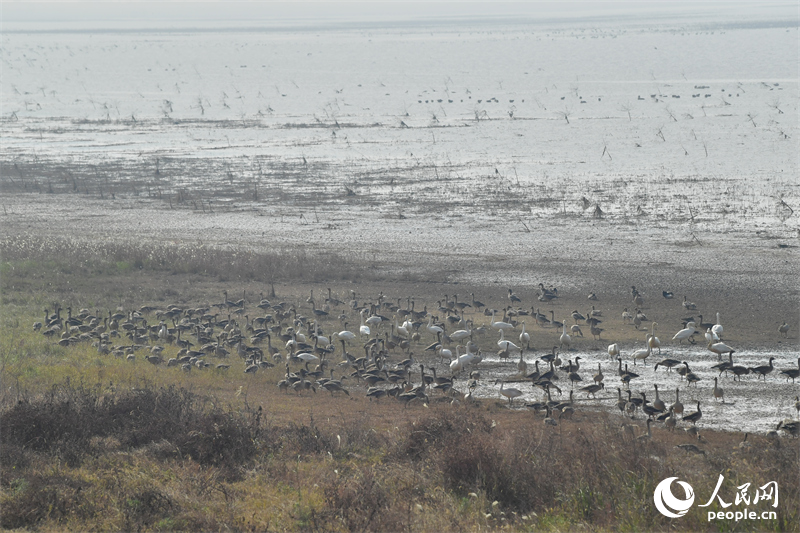
好生态引得“珍禽”来
Ren Min Wang· 2025-07-03 00:06
Core Viewpoint - The wetland protection system centered on the "Forest Chief System" in Yongxiu County, Jiangxi Province, is achieving a win-win situation for ecology and development, having been recognized as an advanced county for wetland protection for 14 consecutive years [1] Group 1: Management and Technology Innovation - Yongxiu County has established a three-tiered grid management system for wetland protection, with 335 forest chiefs conducting over 200 patrols annually, ensuring comprehensive coverage of protection responsibilities [3] - The county invested 3.662 million yuan to develop a "smart wetland" monitoring system that integrates 5G, drones, and video surveillance, resulting in the restoration of 34.04 hectares of wetland since 2014 and the resolution of four illegal wetland activity cases [3][4] Group 2: Ecological Restoration Efforts - Yongxiu County has completed 109 ecological restoration and environmental remediation projects with a total investment of 33.5773 million yuan, including a wetland restoration project in Wucheng Town that has added nearly 200 hectares of wetland and restored 40 square kilometers of key wetlands [4] - The water quality in the mainstream of the Xiu River in Yongxiu is stable at Class II or above, while the water quality at the Wucheng section of Poyang Lake has reached Class III, indicating a gradual recovery of wetland functions [5] Group 3: Biodiversity and Wildlife Protection - As of November 2024, Yongxiu County has recorded 60 species of migratory birds totaling over 160,000 individuals, a nearly threefold increase since 2018, with the eastern population of white cranes increasing from 1,800 in 2010 to over 5,000 [7] - The successful breeding of the national first-class protected species, the colorful ibis, and the national second-class protected species, the mandarin duck, indicates significant improvements in local biodiversity [7] Group 4: Socioeconomic Benefits and Sustainable Development - Since 2014, the central government has invested 53.55 million yuan in wetland ecological restoration and compensation, benefiting 26,700 people and alleviating conflicts between humans and birds [8] - The Wucheng migratory bird town attracts nearly one million tourists annually, generating over 600 million yuan in tourism revenue, demonstrating a successful model of "protection-development-benefit to the people" [8]