
全球经贸摩擦指数

Search documents
中国贸促会将发布2025年12月份全球经贸摩擦指数
Yang Shi Xin Wen· 2026-02-27 11:42
Group 1 - The China Council for the Promotion of International Trade will hold a monthly press conference on February 28 at 10 AM [1] - The press conference will announce the Global Trade Friction Index for December 2025 [1] - The conference will also release the business certification data for January this year from the national trade promotion system [1] - Additionally, the event will present information regarding the "China Expo and Exhibition 2026" [1]
中国贸促会:2025年11月全球经贸摩擦指数处于高位
Xin Hua Cai Jing· 2026-01-28 08:45
Core Insights - The global trade friction index is projected to be 101 in November 2025, indicating a high level of trade tensions [1] - The monetary value of global trade friction measures has increased by 7.2% year-on-year but decreased by 2.0% month-on-month [1] Country-Specific Insights - Among the 20 monitored countries/regions, the European Union, the United States, and South Korea have the highest global trade friction indices [1] - The EU has initiated multiple anti-subsidy and anti-dumping investigations, surpassing the US, which held the top position for 16 consecutive months in terms of trade friction measures [1] Industry-Specific Insights - The conflicts related to trade friction measures are concentrated in the electronics, pharmaceuticals, and chemical industries, with the electronics sector having the highest trade friction index [1] - A total of 30 import and export tariff measures were announced across the 20 monitored countries/regions, along with 19 trade remedy investigations [1] - The monitoring also recorded 152 notifications to the WTO regarding technical barriers to trade (TBT) and sanitary and phytosanitary measures (SPS), 12 import and export restrictions, and 212 other restrictive measures [1] - The trade remedy measures index ranks first among the five categories of sub-indices [1]
2025年11月份全球经贸摩擦指数继续处于高位
Zhong Guo Xin Wen Wang· 2026-01-28 08:38
Core Insights - The global trade friction index for November 2025 remains high at 101, with a year-on-year increase in trade friction measures amounting to 7.2% and a month-on-month decrease of 2.0% [1] Group 1: Global Trade Friction - The top three countries/regions with the highest global trade friction indices are the European Union, the United States, and South Korea [1] - The European Union initiated multiple anti-subsidy and anti-dumping investigations, surpassing the United States, which had held the top position for 16 consecutive months in terms of trade friction measures [1] Group 2: Industry Focus - The main sectors affected by trade friction measures are electronics, pharmaceuticals, and chemicals, with the electronics sector having the highest trade friction index [1] - A total of 30 import and export tariff measures were announced across 20 countries/regions, along with 19 trade remedy investigations, 152 notifications to the WTO regarding technical barriers to trade (TBT) and sanitary and phytosanitary measures (SPS), 12 import and export restrictions, and 212 other restrictive measures [1] Group 3: China-related Trade Friction - The trade friction index concerning China among 19 countries/regions is also high at 101, with the European Union having the highest index [2] - The sectors with elevated trade friction indices related to China include semiconductor materials, rare earth magnets, and liquid crystal products [2] - The monetary value of trade friction measures involving China decreased by 12.4% year-on-year and 2.4% month-on-month [2]
中国贸促会新任发言人亮相:虽是深冬,但中美工商界的交流暖意融融
Sou Hu Cai Jing· 2025-12-29 17:47
Core Insights - The China Council for the Promotion of International Trade (CCPIT) held a press conference on December 29, introducing its new spokesperson, Wang Wenshuai, who emphasized the importance of timely and accurate information dissemination to tell the story of China's business community in the new era [1] Group 1: Global Trade Friction Index - In October, the global trade friction index was reported at 104, indicating a high level of trade tensions [3] - The monetary value of global trade friction measures decreased by 7.3% year-on-year and 1.2% month-on-month [3] - Among 20 monitored countries, the United States and India had the highest trade friction indices, with the U.S. leading for 16 consecutive months in terms of the monetary value of trade friction measures [3] Group 2: Industry-Specific Trade Friction - The trade friction measures were concentrated in the electronics, pharmaceuticals, machinery, and light industry sectors, with the electronics sector having the highest trade friction index [3] - A total of 25 import and export tariff measures were reported across the 20 countries, along with 28 trade remedy investigations and 109 notifications to the WTO regarding technical barriers to trade (TBT) and sanitary and phytosanitary measures (SPS) [3] Group 3: China-U.S. Trade Relations - The trade friction index concerning China from 19 countries was recorded at 102, with the U.S. having the highest index, particularly in the lithium battery, semiconductor, and telecommunications equipment industries [4] - The monetary value of trade friction measures involving China decreased by 33.2% year-on-year and 7% month-on-month [4] Group 4: China-U.S. Business Engagement - The CCPIT organized a successful visit for Chinese entrepreneurs to the U.S., facilitating over 20 business matching activities with more than 170 U.S. companies, including Apple, HP, and Micron [6] - Both Chinese and U.S. business communities expressed a commitment to enhancing trade relations, viewing economic cooperation as a stabilizing factor in bilateral relations [6] - The CCPIT plans to invite U.S. enterprises to participate in APEC "China Year" activities and the fourth Chain Expo in 2026, aiming to strengthen bilateral trade and investment [6]


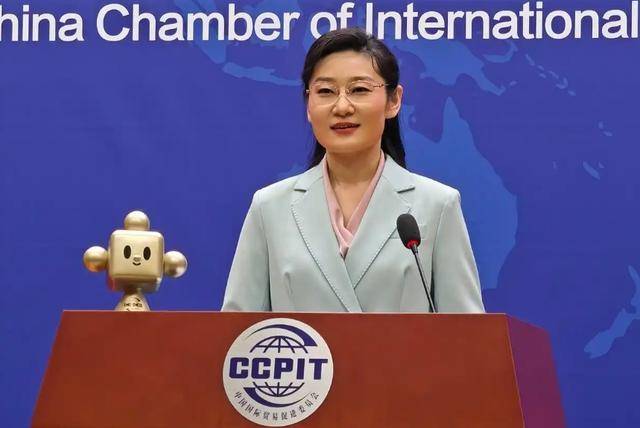
中国贸促会:10月美印全球经贸摩擦指数位居前列
Zhong Guo Xin Wen Wang· 2025-12-29 17:29
Core Insights - The global trade friction index for October is reported at 104, indicating a high level of trade tensions globally [1] - The monetary value of global trade friction measures has decreased by 7.3% year-on-year and 1.2% month-on-month [1] Country-Specific Insights - Among 20 monitored countries, the United States and India have the highest global trade friction indices, with the U.S. leading for 16 consecutive months in terms of the monetary value of trade friction measures [1] - The U.S. has the highest trade friction index concerning China, particularly in industries such as lithium batteries, semiconductors, and telecommunications equipment [1] Industry-Specific Insights - The trade friction measures are primarily concentrated in the electronics, pharmaceuticals, machinery, and light industry sectors, with the electronics sector having the highest trade friction index [1] - The import and export tariff measures index ranks first among five categories of sub-indices, indicating increased use of tariff tools by major economies in international trade activities [1] China-Specific Insights - The trade friction index concerning China from 19 countries is at 102, indicating a high level of trade tensions [1] - The monetary value of trade friction measures involving China has decreased by 33.2% year-on-year and 7% month-on-month [1]
中国贸促会:8月全球经贸摩擦指数持续处于高位
Xin Hua Cai Jing· 2025-10-31 06:36
Core Insights - The global trade friction index for August is reported at 100, indicating a sustained high level of trade tensions [1] - The monetary value of global trade friction measures has decreased by 4.3% year-on-year and 15.2% month-on-month [1] Country-Specific Insights - Among 20 monitored countries and regions, the United States, Brazil, and Japan have the highest global trade friction indices [1] - The United States has maintained the highest monetary value of trade friction measures for 14 consecutive months [1] Industry-Specific Insights - Trade friction measures are primarily concentrated in the electronics, transportation equipment, pharmaceuticals, machinery, and light industry sectors, with the electronics sector having the highest trade friction index [1] Detailed Measures - A total of 21 import and export tariff measures were reported across the 20 monitored countries and regions [1] - There were 31 initiated trade remedy investigations and 101 notifications submitted to the WTO regarding technical barriers to trade (TBT) and sanitary and phytosanitary measures (SPS) [1] - Import and export restrictions totaled 11 measures, while other restrictive measures amounted to 142 [1] - The import and export tariff measures index is the highest among the five categories of sub-indices, indicating its role as a primary tool for countries to protect domestic industries and adjust industrial structures [1]
8月全球经贸摩擦指数为100,持续处于高位
Zhong Guo Xin Wen Wang· 2025-10-31 06:27
Group 1 - The global trade friction index for August is reported at 100, indicating a sustained high level of trade tensions [1] - The monetary value of global trade friction measures has decreased by 4.3% year-on-year and 15.2% month-on-month [1] - Among 20 monitored countries, the United States, Brazil, and Japan have the highest global trade friction indices, with the U.S. maintaining the top position for 14 consecutive months [1] Group 2 - The main sectors affected by trade friction include electronics, transportation equipment, pharmaceuticals, machinery, and light industry, with the electronics sector having the highest trade friction index [1] - The import and export tariff measures index ranks first among five sub-index measures, serving as a primary tool for countries to protect domestic industries and adjust industrial structures [1]
中国贸促会:7月全球经贸摩擦指数为110,处于高位
Zhong Guo Xin Wen Wang· 2025-09-28 09:13
Group 1 - The global trade friction index for July is reported at 110, indicating a high level of trade tensions, primarily influenced by the U.S. adjusting its tariff policies [1] - The amount involved in global trade friction measures has increased by 6.6% year-on-year and 27.6% month-on-month [1] - The U.S., EU, and Brazil have the highest trade friction indices among 20 monitored countries, with the U.S. leading for 13 consecutive months [1] Group 2 - In the monitored 13 major industries, trade friction is concentrated in electronics, chemicals, transportation equipment, machinery, pharmaceuticals, light industry, and non-ferrous metals, with the electronics sector having the highest friction index [1] - A total of 76 import and export tariff measures were reported, along with 19 trade remedy investigations, 134 notifications to the WTO regarding technical barriers to trade (TBT) and sanitary and phytosanitary measures (SPS), 32 import and export restrictions, and 197 other restrictive measures [1] - The import and export tariff measures index is the highest among five sub-index measures, becoming a key bargaining chip in international trade negotiations [1] Group 3 - The trade friction index concerning China from 19 countries is at 107, indicating a high level of trade tensions [2] - The U.S. has the highest trade friction index concerning China, particularly in the electronics sector, including drones, solar cells, and AI chips [2] - The amount involved in trade friction measures concerning China has decreased by 16.4% year-on-year but increased by 11.9% month-on-month [2]
预告:中国贸促会9月28日召开9月例行新闻发布会
Zheng Quan Shi Bao Wang· 2025-09-26 03:40
Group 1 - The China Council for the Promotion of International Trade (CCPIT) will hold a routine press conference on September 28, 2023, from 10:00 to 11:00 AM [1] - The press conference will release the Global Trade Friction Index for July 2025 and the national commercial certification data for August 2025 [1] - Additional reports to be discussed include the impact report of the third Chain Expo and the operational status of the China Pavilion at the Osaka Expo [1] Group 2 - The CCPIT will outline measures to improve the overseas comprehensive service system and implement the new arbitration law [1] - The conference will also address considerations for strengthening intellectual property protection services [1]
中国贸促会:6月全球经贸摩擦指数为92 处于中高位
Zheng Quan Shi Bao Wang· 2025-08-27 03:31
Core Insights - The global trade friction index in June was reported at 92, indicating a medium to high level of trade tensions [1] - Factors such as the United States extending the suspension of reciprocal tariff imposition have contributed to a continued easing of global trade friction [1] - The monetary value of global trade friction measures has decreased by 14.7% year-on-year and 13.7% month-on-month [1]